Human rights is an important issue in contemporary politics, and the last few decades have also seen a remarkable increase in research and teaching on the subject. This book introduces students to the study of human rights and aims to build on their interest while simultaneously offering an alternative vision of the subject. Many texts focus on the theoretical and legal issues surrounding human rights. This book adopts a substantially different approach which uses empirical data derived from research on human rights by political scientists to illustrate the occurrence of different types of human rights violations across the world. The authors devote attention to rights as well as to responsibilities, neither of which stops at one country's political borders. They also explore how to deal with repression and the aftermath of human rights violations, making students aware of the prospects for and realities of progress.
Psychiatric Controversies in Epilepsy addresses controversial clinical issues of the psychiatric aspects of epilepsy. The book explores the reasons behind the poor communication between psychiatrists and neurologists and suggests potential remedies to this important problem, and two chapters are devoted to examining whether psychiatrists and neurologists are properly trained to recognize and treat conditions that both disciplines commonly encounter in clinical practice. Identification of the causes behind the high rate of comorbidity between epilepsy and mood, anxiety, psychotic and attention deficit disorders is given high priority in the volume, and a specific review of the evidence of common pathogenic mechanisms that may be operant in epilepsy and these psychiatric disorders is included. Recently identified bidirectional relationship between mood disorders and epilepsy and its implication in the course and response to treatment of the seizure disorder are also explored. Several chapters are devoted to rectify common misunderstandings of the use of psychotropic drugs in patients with epilepsy, including the use of antidepressant and central nervous system stimulants. Finally, one chapter explores the possibility of organic causes of psychogenic non-epileptic seizures.
Now in its second edition, Fifty Key Thinkers in International Relations has been thoroughly updated with several new entries and a new preface to reflect the latest developments. There are new sections on Constructivism, International Political Theory, and English School, as well as a range of new thinkers. They include:Samuel Huntington Christine SylvesterJürgen Habermas John RawlsBarry BuzanFully cross-referenced throughout, this book has everything for students of politics and international relations or indeed anyone who wants to gain an understanding of how nations can work together successfully.
Now in its second edition, Fifty Key Thinkers in International Relations has been thoroughly updated with several new entries and a new preface to reflect the latest developments. There are new sections on Constructivism, International Political Theory, and English School, as well as a range of new thinkers. They include:Samuel Huntington Christine SylvesterJürgen Habermas John RawlsBarry BuzanFully cross-referenced throughout, this book has everything for students of politics and international relations or indeed anyone who wants to gain an understanding of how nations can work together successfully.
Continuing a tradition that began in 1842, this book examines 24 localities of particular interest to mineral collectors. These localities are organized by how they occur (in sedimentary rocks, in crystalline rocks, in fractures)—a new approach that brings coherence to relationships among similar localities. For each locality, its significance to specimen mineralogy, collecting history, geological setting, origin, and a thorough description of the minerals of particular interest to collectors are presented, based on the latest research and nomenclature. Over 150 clear color photos show some of the finest specimens ever collected from each locality. Similar New York state localities are listed for each featured occurrence. While the GPS coordinates for each locality are provided, this is an introduction to what minerals occur in the State of New York, how beautiful they are, and why they are so interesting. Why have a mere field guide when you can have so much more?
This Complete revision of Dr. Shaffer's classic Community Economics provides readers with a comprehensive understanding of economic structure in small communities and urban neighborhoods of America. Authors Shaffer, Deller, and Marcouiller review the economics of smaller communities with continued emphasis on how to build and achieve theoretically sound community economic development policy. The text also demonstrates how local participation and knowledge can be used to identify problems, form solutions, and maintain community support for long-term goals. The main body of economic research and literature has neglected the economics of smaller communities. Community Economics: Linking Theory and Practice fills that information void. This text serves as a comprehensive guide on smaller, open economies and urban neighborhoods for economists, regional planners, rural sociologists, and geographers. Additionally, Community Economics is an issue-oriented handbook of development strategies for development practitioners, planning and zoning officials, and others involved in the ay-to-day activities of community economic development.
This documented briefing discusses and illustrates the advantages of exploratory analysis over more traditional model-based analysis in the context of the weapon mix problem.
NO OLVIDE AGREGAR EL LIBRO SELECCI N DE LECTURAS 1 A SU CARRITO TAMBI N Perspectivas del Movimiento Cristiano Mundial presenta una colecci n multifac tica de lecturas que exploran las dimensiones b blicas, hist ricas, culturales y estrat gicas de la evangelizaci n mundial.Los escritos de m s de 150 acad micos y misioneros de campo (m s de 60 de ellos nuevos en esta edici n) retratan la historia y anticipan el potencial del movimiento cristiano mundial. Cada uno de las 170 lecturas y los art culos del recuadro ofrecen sabidur a pr ctica que permite a los cristianos trabajar unidos en una intr pida esperanza b blica para terminar la tarea que traer como resultado que Cristo sea reconocido y seguido en cada etnia de la tierra.DON'T FORGET TO ADD BOOK 1 TO YOUR CART AS WELL Perspectives on the World Christian Movement presents a multi-faceted collection of readings exploring the biblical, historical, cultural, and strategic dimensions of world evangelization.Writings from more than 150 mission scholars and practitioners (over 60 of them new to this edition) portray the history and anticipate the potential of the global Christian movement. Every one of the 170 articles and side bars offers practical wisdom enabling Christians to labor together in bold, biblical hope to finish the task of seeing that Christ is named and followed among all the peoples of the earth.
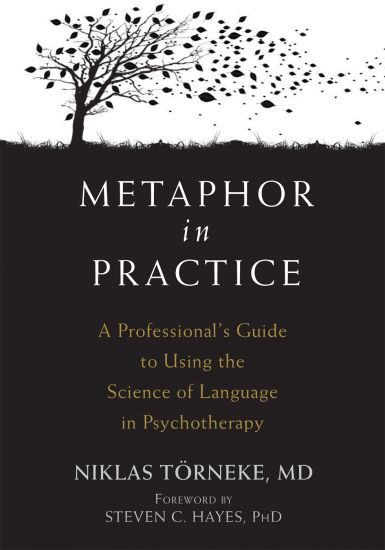
The use of metaphor is central to the implementation of acceptance and commitment therapy (ACT) and dialectical behavior therapy (DBT), and is a powerful tool for all practicing psychotherapists. In Metaphor in Practice, psychotherapist Niklas Törneke presents the first practical book to combine the behavioral and linguistic sciences of metaphor, and illustrates how and when to apply metaphors in practice for better treatment outcomes.The use of metaphors and experiential exercises can help clients gain a deeper understanding of the problems that cause their disorders. Metaphors help clients connect with their values, and often spark the inspiration and motivation needed to make a commitment to change. And while metaphor is central to relational frame theory (RFT), acceptance and commitment therapy (ACT), and dialectical behavior therapy (DBT), research now shows its usefulness has an even broader reach.In this book, you'll find a scientific analysis of metaphor based on over thirty years of research, as well as trends in research over the last ten years. The book includes an overview of RFT, how metaphor has influenced the community of behavior analysis, as well as available clinical research on metaphor use. You'll also discover how to create metaphors for functional analysis, distance of observation, and things that matter to your client. Most importantly, you'll find practical examples of metaphors and clinical exercises you can use in-session.
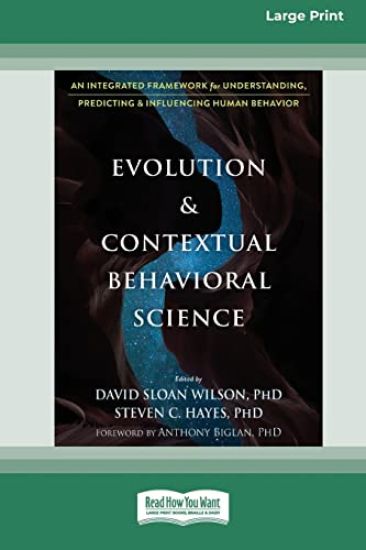
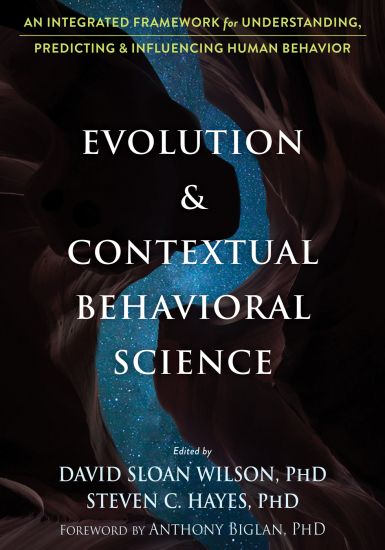
What do evolutionary science and contextual behavioral science have in common? Edited by David Sloan Wilson and Steven C. Hayes, this groundbreaking book offers a glimpse into the histories of these two schools of thought, and provides a sound rationale for their reintegration.Evolutionary science (ES) provides a unifying theoretical framework for the biological sciences, and is increasingly being applied to the human-related sciences. Meanwhile, contextual behavioral science (CBS) seeks to understand the history and function of human behavior in the context of everyday life where behaviors occur, and to influence behavior in a practical sense. This volume seeks to integrate these two bodies of knowledge that have developed largely independently.In Evolution and Contextual Behavioral Science, two renowned experts in their fields argue why ES and CBS are intrinsically linked, as well as why their reintegration-or, reunification-is essential. The main purpose of this book is to continue to move CBS under the umbrella of ES, and to help evolutionary scientists understand how working alongside contextual behavioral scientists can foster both the development of ES principles and their application to practical situations.Rather than the sequential relationship that is typically imagined between these two schools of thought, this volume envisions a parallel relationship between ES and CBS, where science can best influence positive change in the real world.
Now more than ever--it's time to get out of your mind and into your life If you're struggling with painful thoughts and emotions, anxiety about the future, depression, the effects of trauma, job stress, or anger, this game-changing workbook--now in a special 20th anniversary edition--can help you build the psychological flexibility needed to reduce your suffering and commit to living your life based on what matters most to you now. Get Out of Your Mind and Into Your Life has already introduced hundreds of thousands of readers to the core skills of acceptance and commitment therapy (ACT)--a revolutionary approach that reveals the reasons why we suffer, and how to be mentally healthy. In this anniversary edition--featuring a new preface by author and ACT originator, Steven C. Hayes--you'll learn how ACT can help you live a vital, meaningful life, even in the most challenging times. As you work through the book, you'll discover how to stop fighting or avoiding your pain, and develop a willingness to embrace every experience life has to offer. You'll find evidence-based strategies to: Face fears and challenges--rather than avoid them Become more mindful and intentional in each moment Foster willingness to accept all of life's experiences Defuse from negative thoughts and emotions Focus on what really matters to you ACT is not about resisting your emotions; it's about feeling them completely without letting them control you. More than just a self-help workbook, this is an essential road map to cultivate psychological flexibility, thrive in the face of adversity, and--most importantly--get out of your mind and into your life This book has been awarded the Association for Behavioral and Cognitive Therapies Self-Help Seal of Merit―an award bestowed on outstanding self-help books that are consistent with cognitive behavioral therapy (CBT) principles, and that incorporate scientifically tested strategies for overcoming mental health difficulties. Used alone or in conjunction with therapy, our books offer powerful tools readers can use to jump-start changes in their lives.
This book presents the separation-of-variables and T-matrix methods of calculating the scattering of electromagnetic waves by particles. Analytical details and computer programs are provided for determining the scattering and absorption characteristics of the finite-thickness slab, infinite circular cylinder (normal incidence), general axisymmetric particle, and sphere.The computer programs are designed to generate data that is easy to graph and visualize, and test cases in the book illustrate the capabilities of the programs. The connection between the theory and the computer programs is reinforced by references in the computer programs to equations in the text. This cross-referencing will help the reader understand the computer programs, and, if necessary, modify them for other purposes.
In the last five years, approximately 2.7 million people have been treated for epilepsy and it is estimated that as much as one in one-hundred of the world's population will develop epilepsy during their lifetime. It is further estimated that 60 million people worldwide have epilepsy and in the United States alone, between seventy to eighty thousand people are newly diagnosed each year. Despite being such a common problem, most people know little about the disorder and people with epilepsy feel stigmatized. Filled with illustrations on almost every page and boasting an attractive and stimulating layout, Epilepsy Explained offers a wealth of crystal clear information on epilepsy, intended for patients, family members, friends, and caregivers. This down-to-earth book is divided into easy-to-digest sections that address such fundamental questions as what epilepsy is, what happens in different types of epileptic seizures, how epilepsy is diagnosed, and how seizures are treated. The authors include much-needed information on numerous topics, including living successfully with seizures, patients rights, and current drugs used to treat epilepsy--all described with directness and clarity, with many real-life examples that shed light on how the topic under discussion affects people with epilepsy. The book includes information for particular groups of readers such as women, children, and teens. It has an easy-to-follow organization, is clearly structured and has a detailed index and glossary, allowing readers to easily find specific information pertaining to their condition. Written by physicians who work daily with epilepsy, this clear and engaging book provides people with the knowledge they need to make informed choices about their illness.
This second edition offers a practical training guide for college students who serve as leaders, tutors, counselors, or advisors for their peers. This thoroughly revised and updated volume contains a fundamental discussion on student growth and development and provides learning objectives and self-discovery exercises to help student leaders with tasks such as tutoring, student orientation, residence hall advising, crisis intervention, coaching, and more. Students Helping Students includes: Updates on the most current research and the latest advances in technology A revised model that contains service learning and student retention programs The results of two intervention strategies: the Health Behaviors Assessment and the College Learning Effectiveness Inventory, which focus on the topics of wellness and academic success Descriptive overviews of peer programs addressing sexuality, safety, violence reduction, residence life, online peer connections, and more Praise for the Second Edition of Students Helping Students "This new work remains the definitive standard in the field. It should be on the bookshelf of every student affairs professional and is an important tool for preparing peer educators for providing service."?Ernest Pascarella, professor and Mary Louise Petersen Chair in Higher Education, University of Iowa "The second edition of Students Helping Students teems with useful material that can be thoughtfully applied by peer helpers. The what, so what, and now what framework reflectively guides the reader to self-discovery and thoughtful practical applications. Being a peer helper is a high-impact learning experience made intentional through the pages of this fine book."?Susan R. Komives, professor of college student personnel, University of Maryland and president, Council for the Advancement of Standards in Higher Education
The must-have book for all futures traders In Fundamental Analysis, the legendary Jack D. Schwager has produced the most comprehensive, in-depth book ever written on the use of fundamental analysis for futures trading. In what is destined to become the bible of the futures industry, Schwager has poured out insights gathered during his long career as a trader, researcher, bestselling writer, and highly regarded authority in the field. This book is packed with invaluable information you'll use every trading day. "Futures guru Jack Schwager has created the definitive source on using fundamental analysis for price forecasting that no trader can afford to be without." Tom Baldwin Chairman, Baldwin Group "This book won't make you a great commodities trader instantly, but it will teach you what you must know to start." Jim Rogers Author, Investment Biker "Jack Schwager always provides clear and compelling material on the often opaque subject of futures trading." Richard Dennis President, Dennis Trading Group "Jack Schwager's deep knowledge of the markets and his extensive network of personal contacts throughout the industry have set him apart as the definitive market chronicler of our age." Ed Seykota Fundamental Analysis is the first book in the Schwager on Futures seriesthe definitive source on the futures market for the next century that no trader will want to be without. Jack Schwager is one of the most important and visible figures in the futures industry today. His Market Wizards and New Market Wizards are two of the bestselling finance titles of all time. Now Schwager has created the most comprehensive guide ever for using fundamental analysis for futures trading. The much-awaited Schwager on Futures series greatly expands and updates material first contained in his A Complete Guide to the Futures Markets, which has been the bible of the industry for the past decade. In this first volume of the series, Fundamental Analysis, Schwager shows traders how to apply analytical techniques to actual price forecasting and trading in virtually all futures contracts currently traded. In chapter after chapter, Schwager draws on what he has learned during his legendary career as a successful trader, researcher, and bestselling investment author to dispense priceless insights. Explains how to apply the techniques of technical analysis to fundamental datainformation not found elsewhere *Shows how regression analysis works and tells how to use it as a tool for price forecasting *Includes step-by-step instruction on how to build a forecast model *Contains a 13-chapter section illustrating the applications of fundamental techniques to individual markets and market groups *Outlines how to analyze seasonal fluctuations, including seasonal price charts of 27 active markets Numerous charts, tables, and examples illustrate all key concepts, and the text itself is written in the clear, nontechnical style that has helped make Jack Schwager one of today's most widely read and highly regarded investment writers.
This problem solver offers a wealth of remedies for American industry's neglect of competitive manufacturing strategies and its resulting loss of productivity. Drawing upon the example of world-class and foreign manufacturers, the book illustrates what American industry must do in terms of manufacturing capability to regain a preeminent spot in the marketplace.
The must-have book for all futures traders In Fundamental Analysis, the legendary Jack D. Schwager has produced the most comprehensive, in-depth book ever written on the use of fundamental analysis for futures trading. In what is destined to become the bible of the futures industry, Schwager has poured out insights gathered during his long career as a trader, researcher, bestselling writer, and highly regarded authority in the field. This book is packed with invaluable information you'll use every trading day. "Futures guru Jack Schwager has created the definitive source on using fundamental analysis for price forecasting that no trader can afford to be without." -Tom Baldwin Chairman, Baldwin Group "This book won't make you a great commodities trader instantly, but it will teach you what you must know to start." -Jim Rogers Author, Investment Biker "Jack Schwager always provides clear and compelling material on the often opaque subject of futures trading." -Richard Dennis President, Dennis Trading Group "Jack Schwager's deep knowledge of the markets and his extensive network of personal contacts throughout the industry have set him apart as the definitive market chronicler of our age." -Ed Seykota Fundamental Analysis is the first book in the Schwager on Futures series-the definitive source on the futures market for the next century that no trader will want to be without. Jack Schwager is one of the most important and visible figures in the futures industry today. His Market Wizards and New Market Wizards are two of the bestselling finance titles of all time. Now Schwager has created the most comprehensive guide ever for using fundamental analysis for futures trading. The much-awaited Schwager on Futures series greatly expands and updates material first contained in his A Complete Guide to the Futures Markets, which has been the bible of the industry for the past decade. In this first volume of the series, Fundamental Analysis, Schwager shows traders how to apply analytical techniques to actual price forecasting and trading in virtually all futures contracts currently traded. In chapter after chapter, Schwager draws on what he has learned during his legendary career as a successful trader, researcher, and bestselling investment author to dispense priceless insights. Explains how to apply the techniques of technical analysis to fundamental data-information not found elsewhere * Shows how regression analysis works and tells how to use it as a tool for price forecasting * Includes step-by-step instruction on how to build a forecast model * Contains a 13-chapter section illustrating the applications of fundamental techniques to individual markets and market groups * Outlines how to analyze seasonal fluctuations, including seasonal price charts of 27 active markets Numerous charts, tables, and examples illustrate all key concepts, and the text itself is written in the clear, nontechnical style that has helped make Jack Schwager one of today's most widely read and highly regarded investment writers.
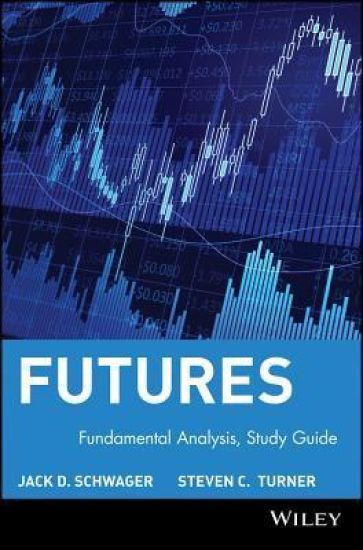
The must-have book for all futures traders In Fundamental Analysis, the legendary Jack D. Schwager has produced the most comprehensive, in-depth book ever written on the use of fundamental analysis for futures trading. In what is destined to become the bible of the futures industry, Schwager has poured out insights gathered during his long career as a trader, researcher, bestselling writer, and highly regarded authority in the field. This book is packed with invaluable information you'll use every trading day. "Futures guru Jack Schwager has created the definitive source on using fundamental analysis for price forecasting that no trader can afford to be without."—Tom Baldwin, Chairman, Baldwin Group "This book won't make you a great commodities trader instantly, but it will teach you what you must know to start."—Jim Rogers, Author, Investment Biker "Jack Schwager always provides clear and compelling material on the often opaque subject of futures trading."—Richard Dennis, President, Dennis Trading Group "Jack Schwager's deep knowledge of the markets and his extensive network of personal contacts throughout the industry have set him apart as the definitive market chronicler of our age."—Ed Seykota Fundamental Analysis is the first book in the Schwager on Futures series—the definitive source on the futures market for the next century that no trader will want to be without. Jack Schwager is one of the most important and visible figures in the futures industry today. His Market Wizards and New Market Wizards are two of the bestselling finance titles of all time. Now Schwager has created the most comprehensive guide ever for using fundamental analysis for futures trading. The much-awaited Schwager on Futures series greatly expands and updates material first contained in his A Complete Guide to the Futures Markets, which has been the bible of the industry for the past decade. In this first volume of the series, Fundamental Analysis, Schwager shows traders how to apply analytical techniques to actual price forecasting and trading in virtually all futures contracts currently traded. In chapter after chapter, Schwager draws on what he has learned during his legendary career as a successful trader, researcher, and bestselling investment author to dispense priceless insights. Explains how to apply the techniques of technical analysis to fundamental data-information not found elsewhereShows how regression analysis works and tells how to use it as a tool for price forecastingIncludes step-by-step instruction on how to build a forecast modelContains a 13-chapter section illustrating the applications of fundamental techniques to individual markets and market groupsOutlines how to analyze seasonal fluctuations, including seasonal price charts of 27 active markets Numerous charts, tables, and examples illustrate all key concepts, and the text itself is written in the clear, nontechnical style that has helped make Jack Schwager one of today's most widely read and highly regarded investment writers.