

Kirjahaku
Etsi kirjoja tekijän nimen, kirjan nimen tai ISBN:n perusteella.
1000 tulosta hakusanalla E. W. Simson

This book provides a new interpretation of the life of W.E.B. Du Bois, one of the most important African American scholars and thinkers of the 20th century.This revealing biography captures the full life of W.E.B. Du Bois—historian, sociologist, author, editor, and a leader in the fight to bring African Americans more fully into the American landscape as well as a forceful proponent of their leaving America altogether and returning to Africa. Drawing on extensive research and including new primary documents, sidebars, and analysis, Gerald Horne and Charisse Burden-Stelly offer a portrait of this remarkable man, paying special attention to the often-overlooked radical decades at the end of Du Bois's life. The book also highlights Du Bois's relationships with and influence on civil rights activists, intellectuals, and freedom fighters, among them Booker T. Washington, Marcus Garvey, Shirley Graham Du Bois, Louise Thompson Patterson, William Alphaeus Hunton, and Martin Luther King, Jr. The biography includes a selection of primary source documents, including personal letters, speeches, poems, and newspaper articles, that provide insight into Du Bois's life based on his own words and analysis.



Rule #1 Always Wins: More Thoughts and Words On W.E. Buffett
Robert Koster Boscarato
Createspace Independent Publishing Platform
2012
nidottu

A.W.E.S.O.M.E.: Acronyms With Easy Solutions Over Mediocre Existence
Rolyn Lewis Howard
Createspace Independent Publishing Platform
2013
nidottu



Maine's Wildlife Babies: D.E.W. Animal Kingdom Baby Residents
Stephen R. Jordan
Createspace Independent Publishing Platform
2014
nidottu

Il Castello di Milano (B/W): Come e quando sorse, com'era e com'è cambiato nei secoli
Andrea Garlinzoni
Createspace Independent Publishing Platform
2014
nidottu
Edizione 2022 con fotografie aggiornate sulla Sala delle Asse, la Piet Rondanini e l'Ospedale Spagnolo. Il libro racconta la vita del Castello di Milano durante i secoli della sua esistenza, con le sue successive differenti opere di difesa. idealmente diviso in due parti e risponde a come e quando sorse, com'era e com' cambiato nei secoli e fornisce inquadrature, dettagli, suggerimenti e spunti, noti e poco noti, per una visita.Le fotografie sono quasi tutte dell'appassionato autore e regalano le viste del Castello senza le strutture dell'Expo 2015 davanti alla Piazza del Castello e nella Piazza d'Armi: il Castello come forse era nel XV.Non un trattato storico, non un saggio d'arte, ma un racconto per chi vuole scoprire i fatti salienti e gli episodi curiosi del Castello, con disegni, mappe, piantine e fotografie.I disegni e le mappe sono indispensabili per le epoche di cui non abbiamo traccia fotografica, la panoramica di scatti inizia nel 1893 fino al 2014. Con l'aiuto di tutto questo si comprender il perch fu controllato dai Visconti, dagli Sforza, e poi da Francesi, Spagnoli, dagli Asburgo, da Napoleone I, e ancora dagli Austriaci, prima di diventare Italiano. La storia del castello, infatti, legata a quasi tutta l'Europa.L'autore da anni visita e fotografa il Castello, scoprendo ogni volta qualcosa di nuovo. "Il Castello di Milano" vuole essere un piccolo contributo a chi vuole gustare questo gioiello, magari anche senza venire di persona a visitarlo, o per chi non ne ha avuto il tempo. una rapida corsa nei secoli, tra fatti, curiosit , spesso ignote anche a chi nato e vissuto a Milano, aneddoti e leggende.Un racconto con 257 fotografie, 60 disegni e 42 tra antiche carte e mappe con poco testo e immagini che valgono pi di tanti discorsi.

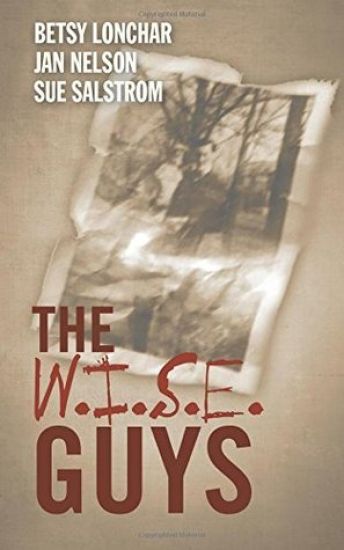
The W.I.S.E. Guys
Jan Nelson; Sue Salstrom; Betsy Lonchar
Createspace Independent Publishing Platform
2014
nidottu

Meet Amazing Americans Workbook: W.E.B. Dubois
Like Test Prep
Createspace Independent Publishing Platform
2014
nidottu
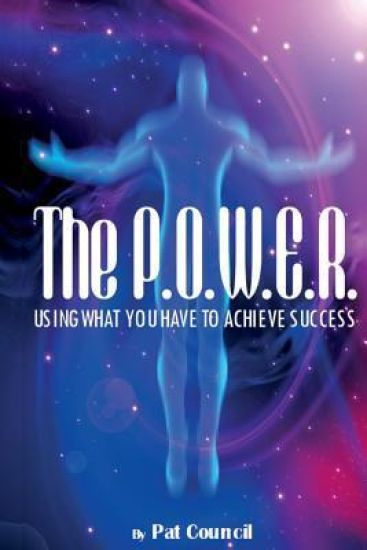
The P.O.W.E.R.: Using What You Have to Achieve Success
Pat a. Council
Createspace Independent Publishing Platform
2014
nidottu
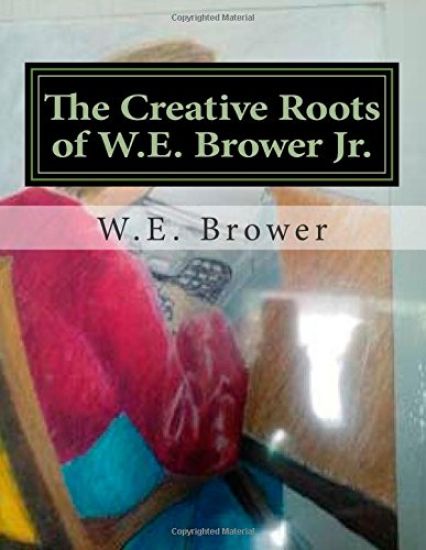
The Creative Roots of W.E. Brower Jr.: 1986-1994
W. E. Brower
Createspace Independent Publishing Platform
2015
nidottu

W.E.B. Du Bois spent many decades fighting to ensure that African Americans could claim their place as full citizens and thereby fulfill the deeply compromised ideals of American democracy. Yet he died in Africa, having apparently given up on the United States. In this tour-de-force, Elvira Basevich examines this paradox by tracing the development of his life and thought and the relevance of his legacy to our troubled age. She adroitly analyses the main concepts that inform Du Bois’s critique of American democracy, such as the color line and double consciousness, before examining how these concepts might inform our understanding of contemporary struggles, from Black Lives Matter to the campaign for reparations for slavery. She stresses the continuity in Du Bois’s thought, from his early writings to his later embrace of self-segregation and Pan-Africanism, while not shying away from assessing the challenging implications of his later work. This wonderful book vindicates the power of Du Bois’s thought to help transform a stubbornly unjust world. It is essential reading for racial justice activists as well as students of African American philosophy and political thought.

W.E.B. Du Bois spent many decades fighting to ensure that African Americans could claim their place as full citizens and thereby fulfill the deeply compromised ideals of American democracy. Yet he died in Africa, having apparently given up on the United States. In this tour-de-force, Elvira Basevich examines this paradox by tracing the development of his life and thought and the relevance of his legacy to our troubled age. She adroitly analyses the main concepts that inform Du Bois’s critique of American democracy, such as the color line and double consciousness, before examining how these concepts might inform our understanding of contemporary struggles, from Black Lives Matter to the campaign for reparations for slavery. She stresses the continuity in Du Bois’s thought, from his early writings to his later embrace of self-segregation and Pan-Africanism, while not shying away from assessing the challenging implications of his later work. This wonderful book vindicates the power of Du Bois’s thought to help transform a stubbornly unjust world. It is essential reading for racial justice activists as well as students of African American philosophy and political thought.
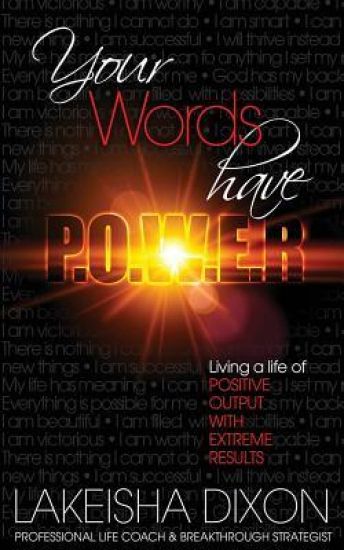
Your Words Have P.O.W.E.R.: Living A Life Of Positive Output With Extreme Results
Lakeisha Dixon
Createspace Independent Publishing Platform
2015
nidottu