Kirjahaku
Etsi kirjoja tekijän nimen, kirjan nimen tai ISBN:n perusteella.
1000 tulosta hakusanalla Arthur J Butler
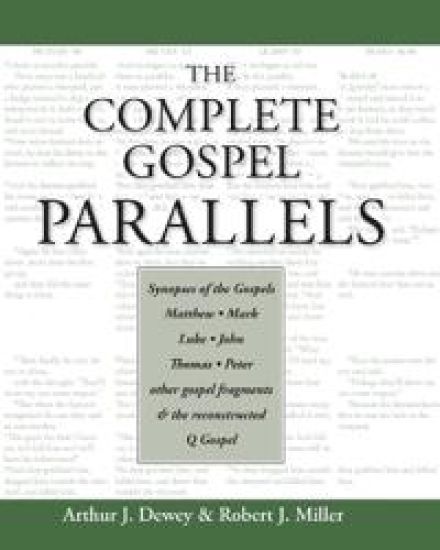
An essential resource for the analytical study of the gospels, The Complete Gospel Parallels goes beyond the standard parallels. This book gives those who study the gospels in English a one-volume compendium of synopses not only for the Gospels of Matthew, Mark, Luke, and John, but also for the Gospels of Thomas and Peter, as well as for a few gospel fragments (the Egerton Gospel, Gospel Oxyrhynchus 1224, as well as the Jewish-Christian Gospels of the Hebrews and the Nazoreans). The Complete Gospel Parallels also includes a synopsis for the reconstructed Q Gospel, which enables the reader both to discern how the text of Q can be derived and how Q was adopted and adapted by Matthew and Luke. The Complete Gospel Parallels features the fresh and vibrant Scholars Version translation, which has been thoroughly revised and fine-tuned to facilitate the precise comparison of parallel passages, using consistent English for the same Greek and different English where the originals vary. The Complete Gospel Parallels lucid translation, its easy-to-use format, and its broad range of gospel materials will enhance and deepen the serious reader s appreciation of early Christian tradition and literature.
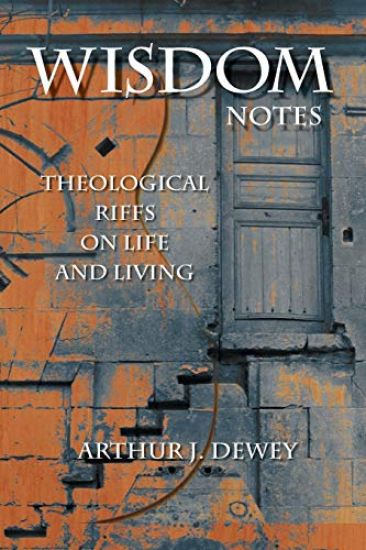
Theology at its best lends rhythm and rhyme to the raw energy of life. It improvises on this world without trying to escape to a heaven somewhere else. In this curated collection of radio commentaries and editorials, Art Dewey invites readers to remain open to new meaning as it arises from our encounters with neighbors, strangers, and friends. Through anecdotes and modern parables touched with humor and curiosity, he blends ancient and modern attempts to make sense of who we are and where we're going.
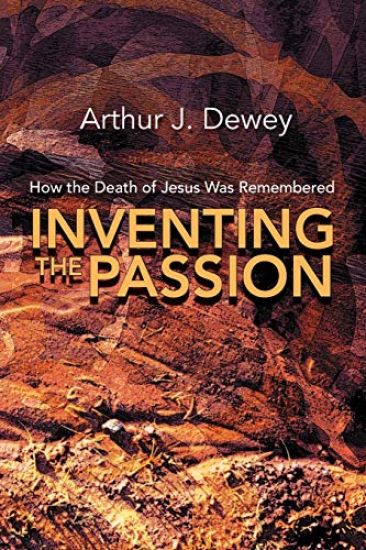
In order to demonstrate how the crucifixion narrative emerged and changed over time, this historical primer on the death of Jesus includes an overview of the evidence that Jesus existed and was crucified, explanations of how crucifixion worked and why it was employed by the Romans, and descriptions of Jesus’ death in early Christian literature in a logical progression from the earliest to latest.
Nanotechnology has the potential to dramatically improve the effectiveness of a number of existing consumer and industrial products and could have a substantial impact on the development of new applications ranging from disease diagnosis and treatment to environmental remediation. Because of the broad range of possible nanotechnology applications, continued evaluation of the potential health risks associated with exposure to nanomaterials is essential to ensure their safe handling. Nanomaterials are engineered materials having at least one dimension between 1 and 100 nanometers. Nanomaterials often exhibit unique physical and chemical properties that impart specific characteristics essential in making engineered materials, but little is known about what effect these properties may have on human health. Research has shown that the physiochemical characteristics of particles can influence their effects in biological systems. These characteristics include: particle size, shape, surface area, charge, chemical properties, solubility, and degree of agglomeration. Until the results from research studies can fully elucidate the characteristics of nanoparticles that may potentially pose a health risk, precautionary measures are warranted. NIOSH has developed this document to provide an overview of what is known about nanomaterial hazard and measures that can be taken to minimise workplace exposures. NIOSH is seeking comments from occupational safety and health practitioners, researchers, product innovators and manufacturers, employers, workers, interest group members, and the general public so that appropriate existing health and safety guidance can be further refined and disseminated. Opportunities to provide feedback and information are available throughout the book.
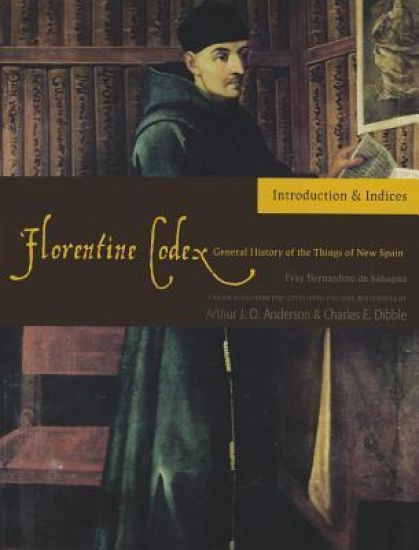
The Florentine Codex, Introductory Volume
Arthur J.O. Anderson; Charles E. Dibble
University of Utah Press,U.S.
2012
nidottu
Two of the world’s leading scholars of the Aztec language and culture have translated Sahagún’s monumental and encyclopedic study of native life in Mexico at the time of the Spanish Conquest. This immense undertaking is the first complete translation into any language of Sahagún’s Nahuatl text, and represents one of the most distinguished contributions in the fields of anthropology, ethnography, and linguistics. Written between 1540 and 1585, the Florentine Codex (so named because the manuscript has been part of the Laurentian Library’s collections since at least 1791) is the most authoritative statement we have of the Aztecs’ lifeways and traditions—a rich and intimate yet panoramic view of a doomed people. The Florentine Codex is divided by subject area into twelve books and includes over 2,000 illustrations drawn by Nahua artists in the sixteenth century.
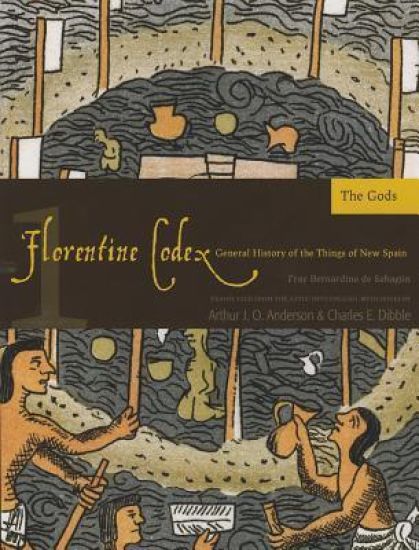
The Florentine Codex, Book One: The Gods
Arthur J.O. Anderson; Charles E. Dibble
University of Utah Press,U.S.
2012
nidottu
Two of the world’s leading scholars of the Aztec language and culture have translated Sahagún’s monumental and encyclopedic study of native life in Mexico at the time of the Spanish Conquest. This immense undertaking is the first complete translation into any language of Sahagún’s Nahuatl text, and represents one of the most distinguished contributions in the fields of anthropology, ethnography, and linguistics.Written between 1540 and 1585, the Florentine Codex (so named because the manuscript has been part of the Laurentian Library’s collections since at least 1791) is the most authoritative statement we have of the Aztecs’ lifeways and traditions—a rich and intimate yet panoramic view of a doomed people.The Florentine Codex is divided by subject area into twelve books and includes over 2,000 illustrations drawn by Nahua artists in the sixteenth century.Book One describes in detail the gods of the Aztec people, including Uitzilopochtli, Tlatoc, and Quetzalcoatl. This colorful and clear translation brings to life characteristics of each god, describing such items as clothing or adornment worn by individual gods, as well as specific personality traits.
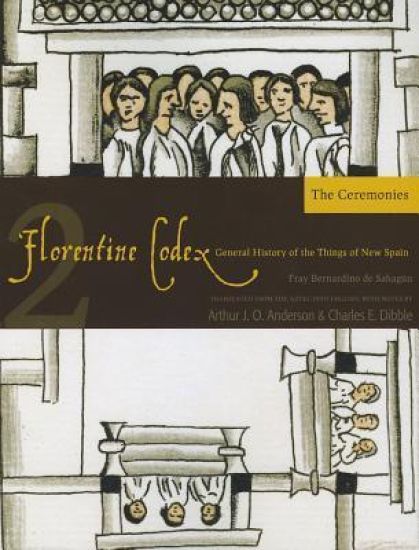
The Florentine Codex, Book Two: The Ceremonies
Arthur J.O. Anderson; Charles E. Dibble
University of Utah Press,U.S.
2012
nidottu
Two of the world’s leading scholars of the Aztec language and culture have translated SahagÚn’s monumental and encyclopedic study of native life in Mexico at the time of the Spanish Conquest. This immense undertaking is the first complete translation into any language of SahagÚn’s Nahuatl text, and represents one of the most distinguished contributions in the fields of anthropology, ethnography, and linguistics. Written between 1540 and 1585, the Florentine Codex (so named because the manuscript has been part of the Laurentian Library’s collections since at least 1791) is the most authoritative statement we have of the Aztecs’ lifeways and traditions—a rich and intimate yet panoramic view of a doomed people. The Florentine Codex is divided by subject area into twelve books and includes over 2,000 illustrations drawn by Nahua artists in the sixteenth century. Book Two gives comprehensive accounts of the religious ceremonies and days of feasting during the time of the Aztecs, including prayers, songs, and the duties and roles of Aztecs inside the temples during the ceremonies. This book also details the various tributes and sacrifices given to specific gods.
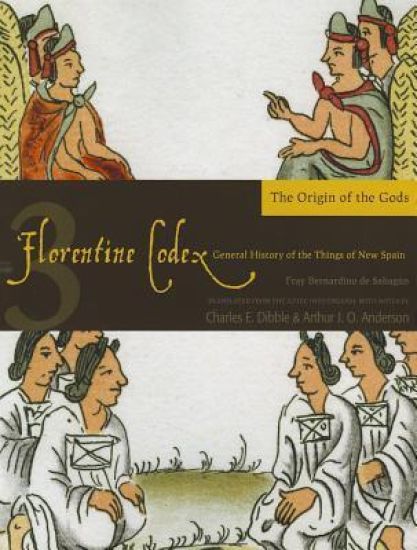
The Florentine Codex, Book Three: The Origin of the Gods
Arthur J.O. Anderson; Charles E. Dibble
University of Utah Press,U.S.
2012
nidottu
Two of the world’s leading scholars of the Aztec language and culture have translated Sahagún’s monumental and encyclopedic study of native life in Mexico at the time of the Spanish Conquest. This immense undertaking is the first complete translation into any language of Sahagún’s Nahuatl text, and represents one of the most distinguished contributions in the fields of anthropology, ethnography, and linguistics. Written between 1540 and 1585, the Florentine Codex (so named because the manuscript has been part of the Laurentian Library’s collections since at least 1791) is the most authoritative statement we have of the Aztecs’ lifeways and traditions—a rich and intimate yet panoramic view of a doomed people. The Florentine Codex is divided by subject area into twelve books and includes over 2,000 illustrations drawn by Nahua artists in the sixteenth century. The third book describes in detail the exciting—and sometimes bloody—origin stories of Uitzilopochtli, Titlacauan, and Quetzalcoatl. The appendix discusses other significant religious aspects of the Aztec religion, such as how boys are raised to be high priests and what happens to Aztecs after death.
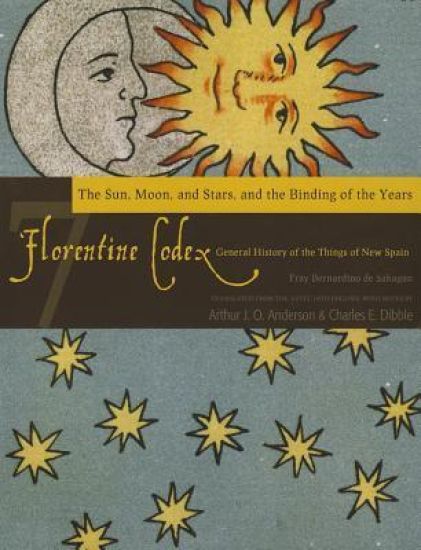
The Florentine Codex, Book Seven: The Sun, Moon, and Stars, and the Binding of the Years
Arthur J.O. Anderson; Charles E. Dibble
University of Utah Press,U.S.
2012
nidottu
Two of the world’s leading scholars of the Aztec language and culture have translated Sahagún’s monumental and encyclopedic study of native life in Mexico at the time of the Spanish Conquest. This immense undertaking is the first complete translation into any language of Sahagún’s Nahuatl text, and represents one of the most distinguished contributions in the fields of anthropology, ethnography, and linguistics. Written between 1540 and 1585, the Florentine Codex (so named because the manuscript has been part of the Laurentian Library’s collections since at least 1791) is the most authoritative statement we have of the Aztecs’ lifeways and traditions—a rich and intimate yet panoramic view of a doomed people. The Florentine Codex is divided by subject area into twelve books and includes over 2,000 illustrations drawn by Nahua artists in the sixteenth century. Book Seven tells the origin stories of the sun, the moon, and the stars—what gods created them, what powers they each embody, and how they are related to Aztec astrology. This book also discusses the meaning and cause behind hail, lightning, rainbows, wind, and different types of weather.
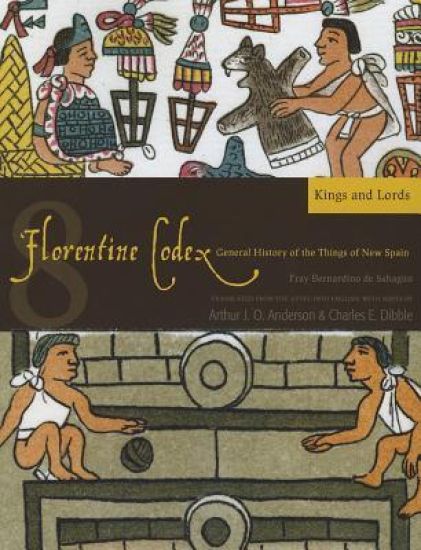
Florentine Codex: Book 8 Volume 8
Arthur J.O. Anderson; Charles E. Dibble
University of Utah Press,U.S.
2012
nidottu
Two of the world’s leading scholars of the Aztec language and culture have translated Sahagún’s monumental and encyclopedic study of native life in Mexico at the time of the Spanish Conquest. This immense undertaking is the first complete translation into any language of Sahagún’s Nahuatl text, and represents one of the most distinguished contributions in the fields of anthropology, ethnography, and linguistics. Written between 1540 and 1585, the Florentine Codex (so named because the manuscript has been part of the Laurentian Library’s collections since at least 1791) is the most authoritative statement we have of the Aztecs’ lifeways and traditions—a rich and intimate yet panoramic view of a doomed people. The Florentine Codex is divided by subject area into twelve books and includes over 2,000 illustrations drawn by Nahua artists in the sixteenth century. Book Eight lists the rulers of Tenochtitlan from the first, Acamapichtli, to the sixteenth, Don Cristobal Cecepatic. It also documents the rulers of the ancient Aztec cities of Tlatillco, Texcoco, and Uexotla. Several chapters are devoted to describing the various articles of clothing that the rulers and noblemen wore and the foods they ate for differing ceremonies and activities.
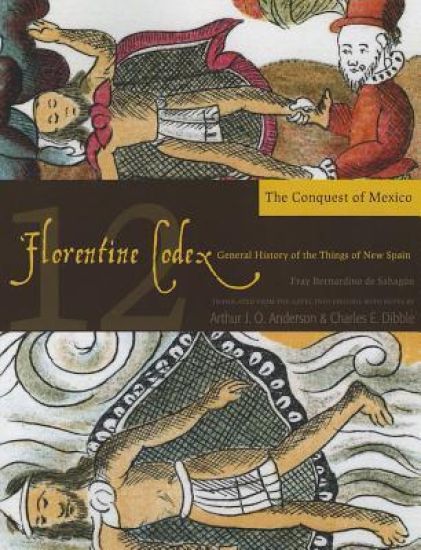
The Florentine Codex, Book Twelve: the Conquest of Mexico
Arthur J.O. Anderson; Charles E. Dibble
University of Utah Press,U.S.
2012
nidottu
Two of the world’s leading scholars of the Aztec language and culture have translated Sahagún’s monumental and encyclopedic study of native life in Mexico at the time of the Spanish Conquest. This immense undertaking is the first complete translation into any language of Sahagún’s Nahuatl text, and represents one of the most distinguished contributions in the fields of anthropology, ethnography, and linguistics. Written between 1540 and 1585, the Florentine Codex (so named because the manuscript has been part of the Laurentian Library’s collections since at least 1791) is the most authoritative statement we have of the Aztecs’ lifeways and traditions—a rich and intimate yet panoramic view of a doomed people. The Florentine Codex is divided by subject area into twelve books and includes over 2,000 illustrations drawn by Nahua artists in the sixteenth century. Book Twelve contains a meticulous retelling of the Spanish Conquest of Mexico, from the days leading up to the first arrival of Cortes to when the Tlatilulcans, the Tenochtitlans, and their rulers ultimately submitted to the Spaniards.
Florentine Codex (Full Set) Volume 13
Arthur J.O. Anderson; Charles E. Dibble
University of Utah Press,U.S.
2012
nidottu
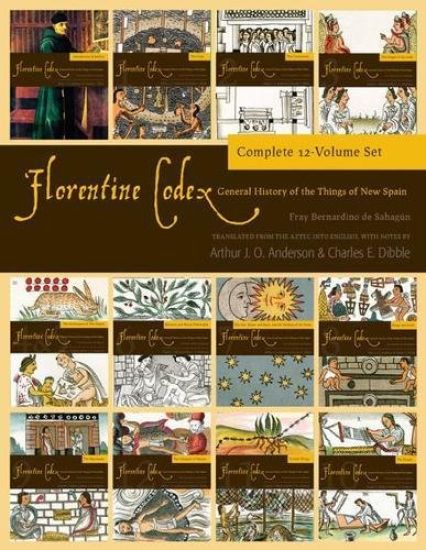
Two of the world’s leading scholars of the Aztec language and culture have translated Sahagún’s monumental and encyclopedic study of native life in Mexico at the time of the Spanish Conquest. This immense undertaking is the first complete translation into any language of Sahagún’s Nahuatl text, and represents one of the most distinguished contributions in the fields of anthropology, ethnography, and linguistics. Written between 1540 and 1585, the Florentine Codex (so named because the manuscript has been part of the Laurentian Library’s collections since at least 1791) is the most authoritative statement we have of the Aztecs’ lifeways and traditions—a rich and intimate yet panoramic view of a doomed people. The Florentine Codex is divided by subject area into twelve books and includes over 2,000 illustrations drawn by Nahua artists in the sixteenth century. This set includes all twelve books.
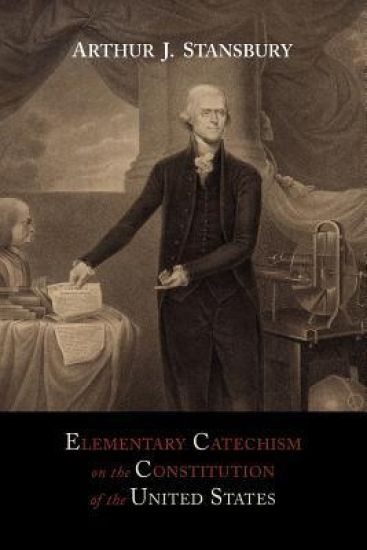
Elementary Catechism on the Constitution of the United States
Arthur J Stansbury
Martino Fine Books
2012
pokkari
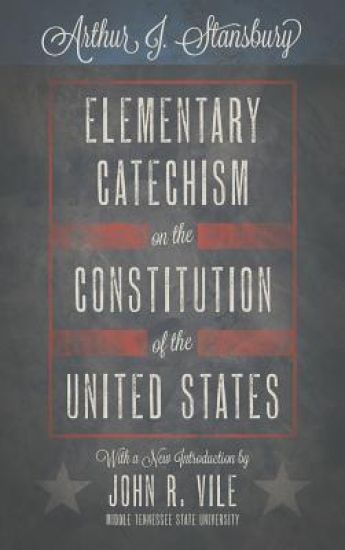
Elementary Catechism on the Constitution of the United States
Arthur J Stansbury
Lawbook Exchange, Ltd.
2013
sidottu
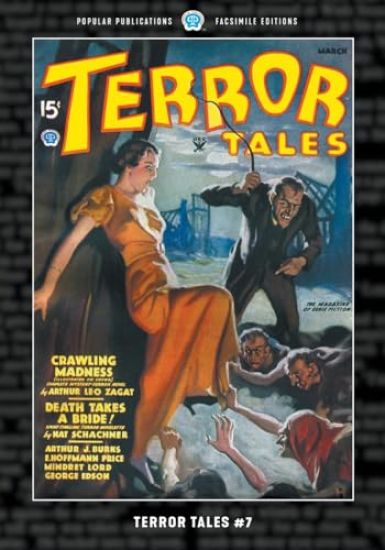
Terror Tales #7
Arthur J Burks; E Hoffmann Price; Arthur Leo Zagat
Popular Publications
2024
pokkari
Starting in 1934, editor (and publisher) Harry Steeger unveiled Terror Tales: perhaps the flagship magazine in Popular Publications' so-called "Weird Menace" lineup of titles. Running for almost 50 issues, Terror Tales showcased some of the best suspense, mystery and terror stories to see print in the pulps. This facsimile of the March 1935 issue contains stories by Arthur Leo Zagat, E. Hoffmann Price, Nat Schachner, Raymond Whetstone, Arthur J. Burks, Mindret Lord, and George Edson.
The extraordinary true story of a young Jewish art student who not just survived but resisted and saved hundred of lives—all while retaining his infectious zeal for life.Though Cioma Schonhaus was only 11 years old when the Nazis first came to power, his cleverness and resourcefulness eventually made him an unlikely hero and bon vivant. As a young adult staying one step ahead of the S.S., Cioma would dine in swanky restaurants and frequent trendy bars and have plenty of romances—all while sabotaging weapons in the munitions factory where he worked. He even bought a sailboat and taught himself how to sail. These hijinks never distracted Cioma from a deeper mission. Trained as an artist, Cioma’s masterfully forged fake ID's ensured that several hundred Jews survived the war. When he learned the Gestapo was closing in on him, Cioma masterminded a singularly daring escape: spending a month biking to Switzerland, he became the only person to cycle his way out of the Third Reich. Beautifully written and deeply satisfying, Two Wheels to Freedom is a story of survival and resistance unlike any other. Arthur J. Magida captures Cioma’s exuberance, charm, spunk, and courage. His was a life lived with wonderment, one that the author sets seamlessly against the horrors of history while never losing sight of Cioma’s “wily ways, his zest for life, and his appetite for improbable adventures—all of them delighting in the magic that’s beyond the ordinary and the staid.” Two Wheels to Freedom is an exhilarating read that by turns illuminates and inspires.
The purpose of Preaching through Pain is to come along side of preachers and people in general to assist them in handling the great challenge of being gifted to do a job but having the pain of life stand in the way of your performance. We all know that it is inevitable for pain to show up in life, however too few of us know how to preach through pain in the process. According to the Schaeffer Institute, research suggest that 1,500 pastors quit the ministry each month due to the pain that comes with the position. Preaching through Pain will equip the reader to withstand the various vicissitudes of life. The purpose of this book is to equip ministers and lay people alike to effectively preach, teach, write, and simply perform while experiencing pain.