

Kirjahaku
Etsi kirjoja tekijän nimen, kirjan nimen tai ISBN:n perusteella.
1000 tulosta hakusanalla Bryan R. Simms
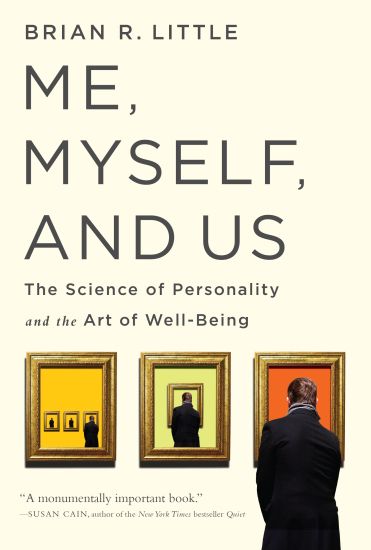
How does your personality shape your life , and what, if anything, can you do about it?Are you hardwired for happiness, or born to brood? Do you think you're in charge of your future, or do you surf the waves of unknowable fate? Would you be happier, or just less socially adept, if you were less concerned about what other people thought of you? And what about your Type A" spouse: is he or she destined to have a heart attack, or just drive you to drink?In the past few decades, new scientific research has transformed old ideas about the nature of human personality. Neuroscientists, biologists, and psychological scientists have reexamined the theories of Freud and Jung as well as the humanistic psychologies of the 1960s, upending the simplistic categorizations of personality types," and developing new tools and methods for exploring who we are. Renowned professor and pioneering research psychologist Brian R. Little has been at the leading edge of this new science. In this wise and witty book he shares a wealth of new data and provocative insights about who we are, why we act the way we do, what we can,and can't,change, and how we can best thrive in light of our nature." Me, Myself, and Us explores questions that are rooted in the origins of human consciousness but are as commonplace as yesterday's breakfast conversation, such as whether our personality traits are set" by age thirty or whether our brains and selves are more plastic. He considers what our personalities portend for our health and success, and the extent to which our well-being depends on the personal projects we pursue.Through stories, studies, personal experiences, and entertaining interactive assessments, Me, Myself, and Us provides a lively, thought-provoking, and ultimately optimistic look at the possibilities and perils of being uniquely ourselves, while illuminating the selves of the familiar strangers we encounter, work with, and love.
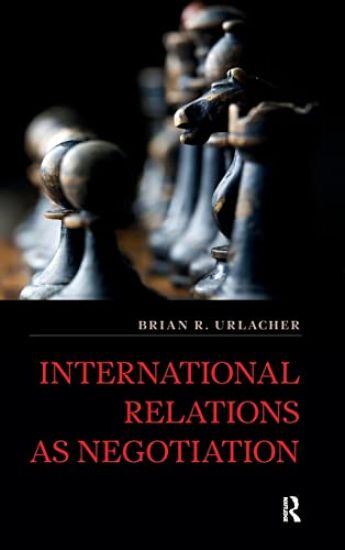
Negotiations are central to the operation of the international system, found at the heart of every conflict and every act of cooperation. Negotiation is the primary vehicle that states use to manage conflict and build prosperity in a complicated and dangerous international system. International Relations as Negotiation provides an overview of world politics that is both approachable and detailed. It explores the factors that help or undermine efforts to negotiate solutions to international problems. Key topics including international conflict and security, the global economy, international law and governance, and environmental sustainability are explored in turn. The history of the international system is traced through major treaty agreements and peace conferences, and the future of the international system is projected. The result is a survey of world politics that provides a seamless narrative about conflict and cooperation in the international system.

Negotiations are central to the operation of the international system, found at the heart of every conflict and every act of cooperation. Negotiation is the primary vehicle that states use to manage conflict and build prosperity in a complicated and dangerous international system. International Relations as Negotiation provides an overview of world politics that is both approachable and detailed. It explores the factors that help or undermine efforts to negotiate solutions to international problems. Key topics including international conflict and security, the global economy, international law and governance, and environmental sustainability are explored in turn. The history of the international system is traced through major treaty agreements and peace conferences, and the future of the international system is projected. The result is a survey of world politics that provides a seamless narrative about conflict and cooperation in the international system.
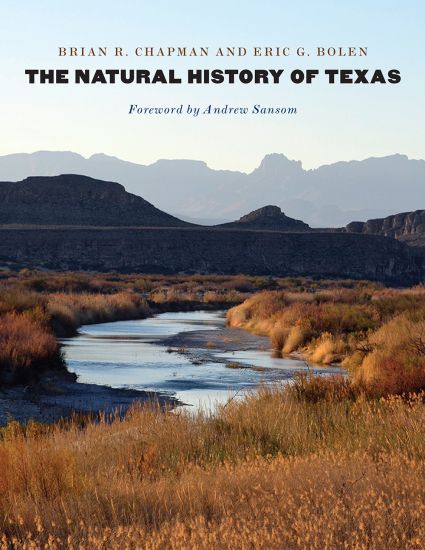
The Natural History of Texas
Brian R. Chapman; Eric G. Bolen; Andrew Sansom
Texas A M University Press
2018
sidottu
From two veteran ecologists comes a new and sweeping exploration of the natural history of Texas in all its biological diversity and geological variation. Few states, if any, can match Texas for its myriad species, past and present, and its many distinctive landscapes, from prairie grasslands and hardwood forests to coastal lagoons and desert mountains.Beginning with the stories of how biologists and naturalists have over time defined the ecological areas of this very big state, the authors visit each of the eleven regions, including the Texas coast. They describe the dominant flora and fauna of each, explain the defining geologic features, and highlight each region’s unique characteristics, such as carnivorous plants in the Piney Woods and returning black bears in the Trans-Pecos.Throughout, the authors remain especially conscious of the conservation and management issues affecting the natural resources of each region, revealing their deep affection for and knowledge about the state. Bolstered by a glossary, further reading suggestions, a description of state symbols, and an appendix of scientific names, this is an educational and essential volume for all Texans.
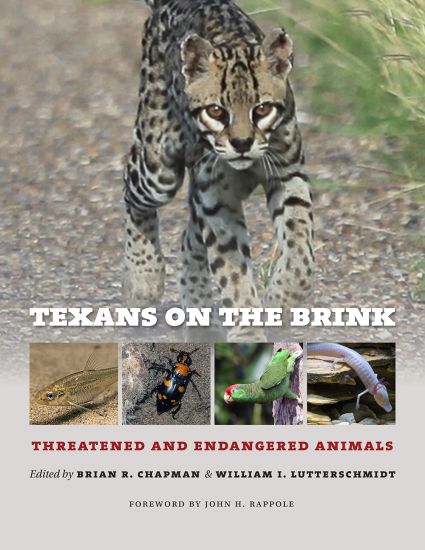
Texans on the Brink
Brian R. Chapman; William I. Lutterschmidt; John H. Rappole
Texas A M University Press
2019
sidottu
What good is a rattlesnake? What purpose do animals serve? All species play a vital role in their biological communities, and the removal of just one can have a noticeable and catastrophic ripple effect. Yet social and political pressures frequently pit species conservation against economic progress and prosperity, and scientists fear that we may be in the midst of a mass extinction event. Brian R. Chapman and William I. Lutterschmidt make the case that the effort to preserve animals is the responsibility of every Texan and that biodiversity contributes enormous economic value to the citizens of Texas. Texans on the Brink brings together experts on eighty-eight endangered and threatened animal species of Texas and includes brief descriptions of the processes that state and federal agencies employ to list and protect designated species. Species accounts include a description of the species accompanied by a photograph, an easy-to-read account of the biology and ecology of the species, and a description of efforts underway to preserve the species and its required habitat. Sobering examples of species that were once part of the Texas fauna but are now extinct or extirpated are also given to further demonstrate just how vulnerable biodiversity can be. All species require healthy habitats, and every species—even a rattlesnake—provides important services for the biotic communities in which they live. It is imperative to learn as much as we can about these animals if we are to preserve biodiversity successfully in Texas.
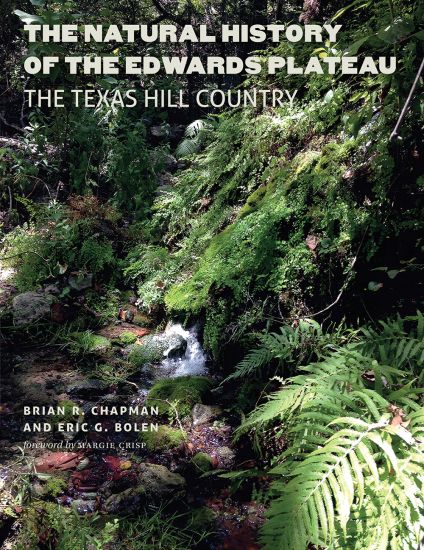
The Natural History of the Edwards Plateau
Brian R. Chapman; Eric G. Bolen
Texas A M University Press
2020
nidottu
The roughly 24 million acres of that make up the Edwards Plateau, commonly known as the Texas Hill Country, are characterized by rolling highlands, picturesque river canyons, and beautiful springtime wildflowers. Located in the heart of Texas, this region is home to hundreds of natural springs, thousands of limestone caves, and the famous Devil's Sinkhole. Encompassing grasslands, savannas, and woodlands, the Edwards Plateau is a unique and diverse ecological haven.Beginning with the stories of how biologists and naturalists have defined the ecological areas of the great state of Texas over time, The Natural History of the Edwards Plateau explores the formation of the region more than a billion years ago, its diverse ecosystems, and the conservation efforts to keep those ecosystems intact and thriving. With detailed descriptions and vivid pictures of the flora, fauna, and geologic features that make this area so unique, the authors also explore the ways in which people have interacted with the ecosystems over time, from natural spring water used by San Antonio's Pearl Brewing Company to the use of bats for gunpowder and bombing raids.In their exploration of the natural history, veteran ecologists Brian R. Chapman and Eric G. Bolen remain especially conscious of the conservation and management issues that affect the natural resources of the Edwards Plateau region, revealing their deep connection to the state. Bolstered by a glossary, further reading suggestions, and an appendix of scientific terms, this is an educational and essential guide for all Texans and environmental enthusiasts.
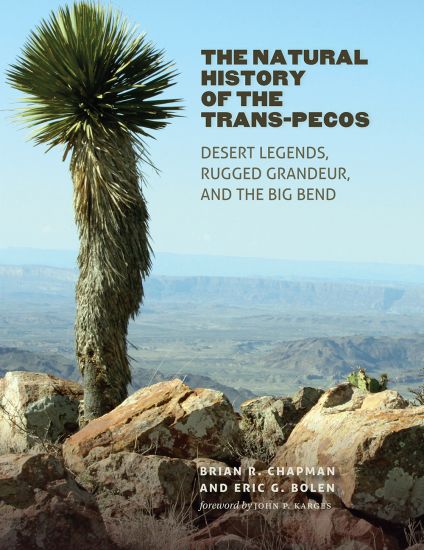
The Natural History of the Trans-Pecos
Brian R. Chapman; Eric G. Bolen
Texas A M University Press
2020
nidottu
The last frontier in Texas, the Trans-Pecos region is an immense and remote series of desert basins in the western-most part of the state. Columns of rock and stony debris dot the landscape, with various peaks, such as the notable El Capitan, rising from a long-forgotten sea floor. While the acidic and shallow desert soil only allows for scrubby vegetation in many places, what survives is rugged, colorful, and adaptable. Far from just an arid region, however, the Trans-Pecos is also home to grasslands, wetlands, and even woodlands. Animal life varies considerably, from the Black-tailed Jackrabbit and Desert Cicada to Bighorn Sheep, Black Bears, and Mountain Lions.Complete with an introduction chronicling the stories of biologists and naturalists who have explored and defined the ecological areas of Texas over time, The Natural History of the Trans-Pecos explores the formation of the region more than 600 million years ago, the adaptability of its ecosystems, and the conservation efforts to keep these wildly diverse environments flourishing. Detailed descriptions, vivid anecdotes, and vibrant pictures of the features that make this region so unique emphasize the rugged grandeur of the Trans-Pecos.
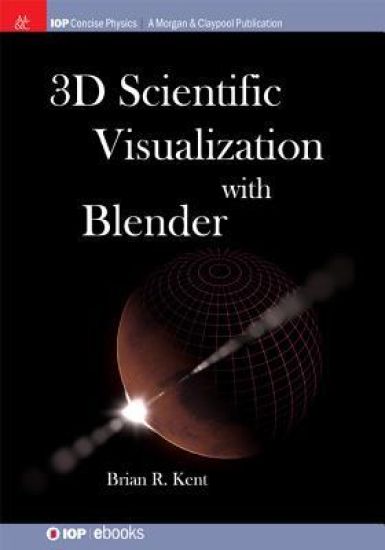
3D Scientific Visualization with Blender
Brian R. Kent
Morgan and Claypool Life Sciences
2014
nidottu
This is the first book written on using Blender (an open-source visualization suite widely used in the entertainment and gaming industries) for scientific visualization. It is a practical and interesting introduction to Blender for understanding key parts of 3D rendering that pertain to the sciences via step-by-step guided tutorials. Any time you see an awesome science animation in the news, you will now know how to develop exciting visualizations and animations with your own data.3D Scientific Visualization with Blender takes you through an understanding of 3D graphics and modeling for different visualization scenarios in the physical sciences. This includes guides and tutorials for:Understanding and manipulating the interfaceGenerating 3D modelsUnderstanding lighting, animation, and camera controlScripting Data import with the Python APIThe agility of Blender and its well organized Python API make it an exciting and unique visualization suite every modern scientific/engineering workbench should include. Blender provides multiple scientific visualizations including: solid models/surfaces/rigid body simulations; data cubes/transparent/translucent rendering; 3D catalogs; N-body simulations; soft body simulations; surface/terrain maps; and phenomenological models. The possibilities for generating visualizations are considerable via this ever growing software package replete with a vast community of users providing support and ideas.

SMath is a free mathematical notebook program similar to Mathcad that provides many options for studying and solving complex mathematical equations. This book is a primer providing a concise but thorough introduction that keeps physics at a fairly low level so readers can concentrate on understanding the SMath features.A wide range of topics are discussed in SMath for Physics including: using SMath as a simple scratch pad; getting familiar with the functions (polyroots, roots, and solve) to find the roots of the equations; making use of SMath’s built-in ability to perform symbolic and numerical differentiation and numerical integration; using the vector and matrix features; and performing linear and non-linear regression analysis.The student who learns how to use SMath can expect to get more accurate results compared to a paper-and-calculator method since input errors are more easily spotted on the SMath ‘page’. The skills acquired learning SMath will help the reader in future work — even if they end up working for a company that uses Mathcad since the interface and features are very similar.
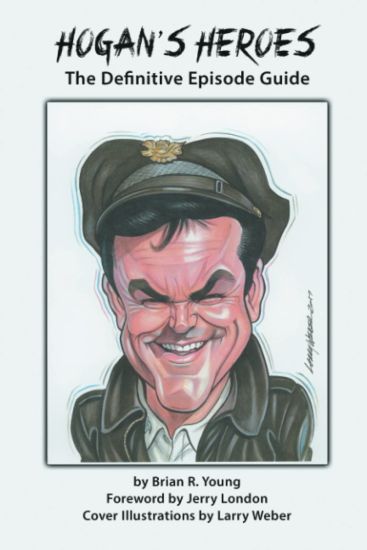
For the first time, all one hundred sixty eight episodes of Hogan's Heroes are celebrated in these pages, including plot synopses, production notes, and critical assessments of each adventure. Included specifically for this book are all new comments and anecdotes from Hogan's alumni: producer and director, Jerry London, director, Bruce Bilson, and guest star performers Victoria Carroll, Ruta Lee, Marlyn Mason, and Alan Oppenheimer, along with over fifty photographs, many never before published. Get set to tunnel your way back to Stalag 13 for a revisit and re-appreciation of one of the most outrageous comedy drama programs in the history of network television. It's Hogan's Heroes: The Definitive Episode Guide.

For the first time, all one hundred sixty eight episodes of Hogan's Heroes are celebrated in these pages, including plot synopses, production notes, and critical assessments of each adventure. Included specifically for this book are all new comments and anecdotes from Hogan's alumni: producer and director, Jerry London, director, Bruce Bilson, and guest star performers Victoria Carroll, Ruta Lee, Marlyn Mason, and Alan Oppenheimer, along with over fifty photographs, many never before published. Get set to tunnel your way back to Stalag 13 for a revisit and re-appreciation of one of the most outrageous comedy drama programs in the history of network television. It's Hogan's Heroes: The Definitive Episode Guide.
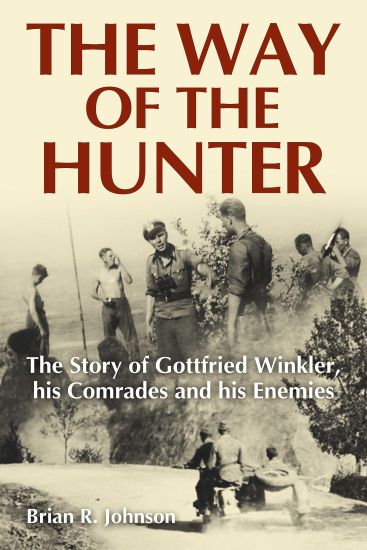
On April 6, 1941, German troops along with Italian, Hungarian, and Bulgarian military units invaded the Kingdom of Yugoslavia. In less than two weeks the Kingdom would be defeated, setting the stage for a bloody civil war that the occupying Axis forces desperately tried—and needed—to control. Based on years of research, this book provides a distinctive account of what happened in the relatively unknown and under-researched Yugoslavian theatre of conflict in World War II. Based on the detailed diaries of Gottfried Weber, a naïve patriotic teen from a small town in Saxony who is willingly drafted into the German Wehrmacht and sent to Yugoslavia for occupation duty. This is the story of an emerging adult struggling to keep a sense of youthful normalcy during war, balancing friendships and romance with his daily life in combat and trying to stay alive. But the book is more. Weber’s accounts are woven into the historical record, while personal interviews from his comrades and enemies that he fought against provide the reader with first-hand accounts of the horrors and humanity of common foot soldiers in WWII Yugoslavia. Combined with an extensive number of photographs, some of which were taken by Weber, the people, land, and war that the Axis and Allied fighters were exposed to is brought to life. Weber’s war-time travels are also re-traced in the 21st century to connect the past with the present, revealing that the scars and memories of WWII are still present with the peoples and land that Winston Churchill coined the soft underbelly of Europe.

SMath is a free mathematical notebook program similar to Mathcad that provides many options for studying and solving complex mathematical equations.
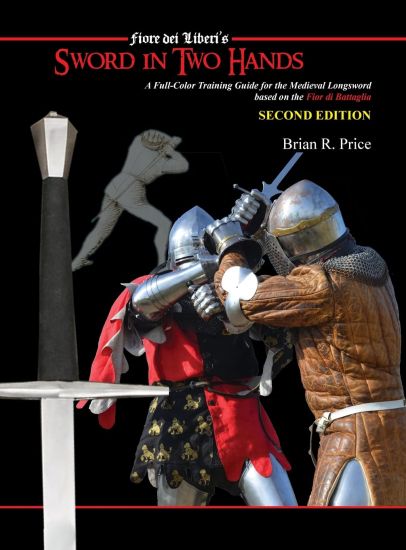
Learn to Use the Medieval LongswordThe reconstruction of highly efficient and deadly medieval fighting systems has seen a popular resurgence as students recreate these arts through structured martial arts training and then test their skills in competitive tournaments. Dr. Brian R. Price, co-founder of one of the largest martial arts / historical fencing schools and author of the immensely popular Techniques of Medieval Armour Reproduction, presents a new revision for the first English-language book focused solely on the astounding swordsmanship of the late fourteenth century swordmaster, Fiore dei Liberi. In the Fior di Battaglia the old master recorded an integrated fighting system that includes grappling, work with and against a dagger, baton, the sword in one and two hands, spear, and poleaxe, in and out of armour, on foot and on horseback. This system, based on a set of simple principles, is as effective as any martial arts system since devised.The second edition of Sword in Two Hands distills this system through the use of the hand-and-a-half sword using a proven approach developed with hundreds of students in the Schola Saint George. It approaches beginning training in a logical, sequential order through original translations of Fiore's text, taught with modern drills, and exercises. The text places Fiore's art in the context of medieval Europe, but presents his fighting system in a modern way. An indispensable reference and training guide for martial artists, historical fencers, SCA combatants, reenactors, and fight choreographers.
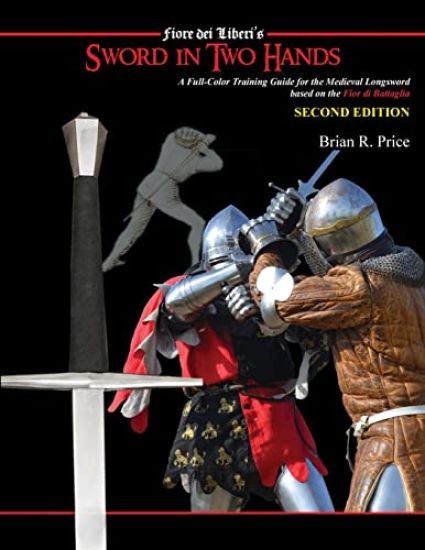
Learn to Use the Medieval LongswordThe reconstruction of highly efficient and deadly medieval fighting systems has seen a popular resurgence as students recreate these arts through structured martial arts training and then test their skills in competitive tournaments. Dr. Brian R. Price, co-founder of one of the largest martial arts / historical fencing schools and author of the immensely popular Techniques of Medieval Armour Reproduction, presents a new revision for the first English-language book focused solely on the astounding swordsmanship of the late fourteenth century swordmaster, Fiore dei Liberi. In the Fior di Battaglia the old master recorded an integrated fighting system that includes grappling, work with and against a dagger, baton, the sword in one and two hands, spear, and poleaxe, in and out of armour, on foot and on horseback. This system, based on a set of simple principles, is as effective as any martial arts system since devised.The second edition of Sword in Two Hands distills this system through the use of the hand-and-a-half sword using a proven approach developed with hundreds of students in the Schola Saint George. It approaches beginning training in a logical, sequential order through original translations of Fiore's text, taught with modern drills, and exercises. The text places Fiore's art in the context of medieval Europe, but presents his fighting system in a modern way. An indispensable reference and training guide for martial artists, historical fencers, SCA combatants, reenactors, and fight choreographers.
Sustainable Architecture - Between Measurement and Meaning
Brian R Sinclair
Vernon Press
2021
pokkari
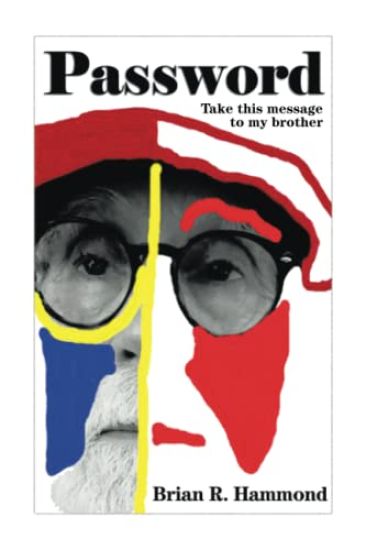
Even though Rob and Bose Whitman are identical twins and leading- edge baby boomers, everything for them is not ditto.Bose sprints through high school athletics, DJs a program called "Blues Before Breakfast" on the campus radio station and takes part in the protests against the war in Vietnam during the day. Rob is crazy about baseball, has an interest in psychology, and meets Rochelle in a journalism class. Her family runs a dog kennel and it is no surprise that she becomes a legal advocate against the cruelty to animals used in laboratory testing. In 1969, after receiving a letter that Bose is missing in action in southeast Asia, Rob and his parents are thrown into turmoil. It just did not make sense.Rob's life moves toward increasing stability, as he becomes a licensed psychologist in Wisconsin, marries, and begins a family. Bose's fate is still in limbo, and why is Atsuko crying during the ride home? Arguing over whether the Sixties actually comes to an end in 1974, or how todefine yuppiedom, and why punks have wrapped the rally cry of peace, love, and harmony all in black, seems of little consequence or consolation to Rob who feels like his life has been bisected with his twin brother's disappearance.The theme of divergent paths, midlife crisis, and the quest for reconciliation and convergence weaves its way through fifty years of life in America.