
Kirjahaku
Etsi kirjoja tekijän nimen, kirjan nimen tai ISBN:n perusteella.
1000 tulosta hakusanalla Frederic Messick
Reproduction of the original: Fr d ric Mistral Poet and Leader in Provence by Charles Alfred Downer
Reproduction of the original: Fr d ric Mistral Poet and Leader in Provence by Charles Alfred Downer
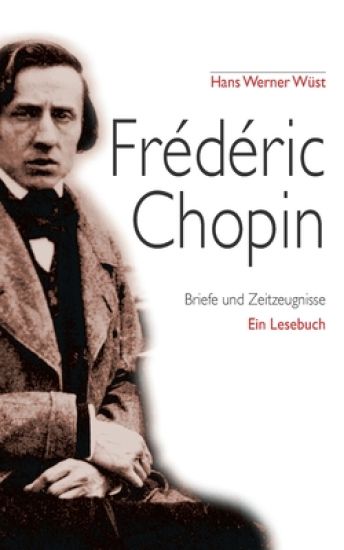
Reproduction of the original: Frederic Chopin by Moritz Karasowski
Reproduction of the original: Frederic Chopin by Moritz Karasowski
Frédéric Chaubin. Stone Age. 45th Ed.
TASCHEN GMBH
2025
sidottu
Follow photographer Frédéric Chaubin as he embarks on a unique, century-spanning journey through Europe. Featuring images of more than 200 buildings in 21 countries, Stone Age. Ancient Castles of Europe presents the history and architecture of the most dramatic medieval castles of the continent in an unprecedented collection.Building on the success of his foray into Soviet design with CCCP, Chaubin once again documents the afterlife of highly rational structures that seem out of place in a modern-day world. Precursors of Brutalism, these castles value function over form and epitomize the raw materials and shapes that would go on to define so much of architectural history.Shot on film with a Linhof view camera, the collection is the outcome of five years of travel and investigation. Complete with a practical map and explanatory essay, its castles tell the story of 400 years, unfolding through the feudal Middle Ages into the 15th century.A photographic study of decay as much as endurance, Stone Age traces the history of some of these singular structures that continue to enchant their audiences today and that occupy a distinct, mystical place in our collective imagination.
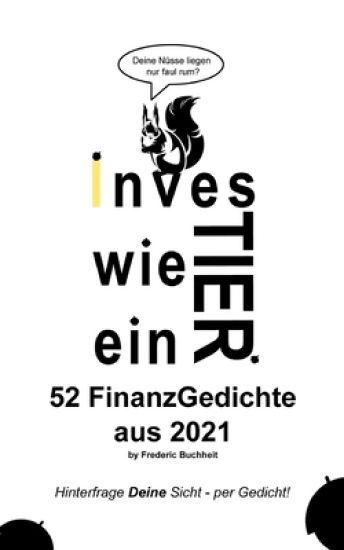
Investier wie ein Tier 52 FinanzGedichte aus 2021 by Frederic Buchheit
Frederic Buchheit
Books on Demand
2022
pokkari
Du - bist ein Freund des N sse-Sammelns oder Investierens? - legst deine N sse in Versicherungen, Aktien, ETFs, Immobilien, Kryptow hrungen oder auf dem Sparbuch an? - wei t vielleicht noch gar nicht, dass Geld in Wirklichkeit N sse sind? Ganz egal Mithilfe von - Pildi dem Eichh rnchen - 52 FinanzGedichten aus 2021 - Aufgaben zum Nachdenken - QR-Codes zu den Gedichten auf Instagram -> erh ltst Du 52 Kopfn sse bzw. Denkanst e, -> lernst Du Konsumieren, Akkumulieren, Lamentieren, Investieren sowie Spekulieren, -> und hinterfragst Deine Sichtweisen, Einstellungen und Glaubenss tze bez glich Geld, Finanzen, Investieren. Das B chlein eignet sich f r eingefleischte Investoren ebenso wie f r Eichh rnchen, die ihre Sicht auf Geld und Finanzen erweitern bzw. reflektieren m chten. Falls du eingeladen bist, nicht nur N sse schenken willst und noch ein tierisches Pr sent suchst: Das Buch kannst du auch prima an andere Eichh rnchen - oder die, die eins werden wollen/sollen - verschenken. Achtung: Im B chlein verstecken sich einige Wunschgedichte bzw. -titel u. a. von Finanz-Influencern. Kann Spuren von N ssen enthalten.
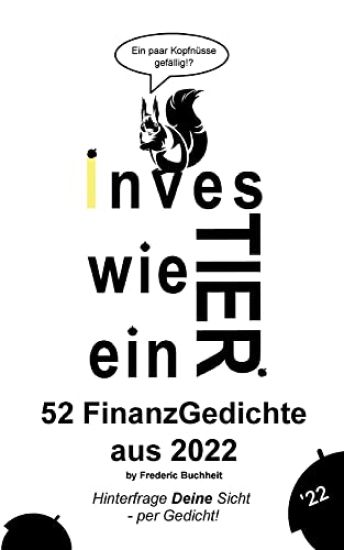
Investier wie ein Tier 52 FinanzGedichte aus 2022 by Frederic Buchheit
Frederic Buchheit
Books on Demand
2023
pokkari
Ein paar Kopfn sse gef llig ? Pildi das Eichh rnchen hat auch im Jahr 2022 kr ftig Kopfn sse bzw. Denkanst e in Form von FinanzGedichten verteilt. Die besten und h rtesten findest Du auch in diesem Jahr wieder zusammengefasst in einem einzigartigen Buch. Du bist ein Freund des N sse-Sammelns oder Investierens? Legst deine N sse in Versicherungen, Aktien, ETFs, Immobilien, Kryptow hrungen, auf dem Sparbuch oder hnlichem an? Oder hast berhaupt keine Ahnung von Finanzen oder N ssen? In jedem Fall werden Pildis 52 FinanzGedichte samt Denkaufgaben in den Bereichen Konsumieren, Akkumulieren, Lamentieren, Investieren sowie Spekulieren Folgendes provozieren: Du wirst Deine Sichtweisen, Einstellungen und Glaubenss tze bez glich Geld, Finanzen und Investieren hinterfragen und dich ggf. motiviert daran machen, Dinge zu ndern. Das Buch eignet sich f r eingefleischte Investoren ebenso wie f r Neulinge, die ihre Sicht auf Geld und Finanzen erweitern bzw. reflektieren m chten und bietet sich als tierisches Geschenk zu jedem Anlass an. Achtung: Im B chlein verstecken sich einige Wunschgedichte bzw. -titel von Finanz-Influencern. Kann Spuren von N ssen enthalten
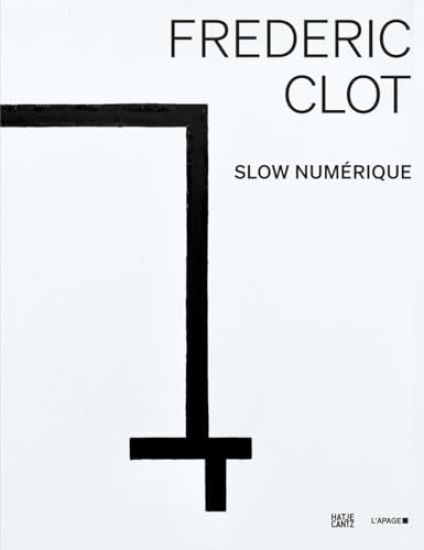
Frédéric Clot: Digital (Multilingual edition)
HATJE CANTZ
2024
sidottu
Against the Current of Established Fashions The self-taught artist Frédéric Clot developed a unique way of drawing and painting, mainly in black and white, against the current of established fashions, between figuration and abstraction. In his paintings, etchings and drawings, he has often evoked enigmatic places. His oil paintings trace exemplary how he formed his artistic expression and today depict scenarios that indeed seem to fully correspond with our time: they remind us of something borrowed from the images of our digital age and mass communication. This richly illustrated monograph is the first to encompass the Swiss artist’s entire oeuvre to date. It offers an overview of more than 20 years of artistic creation and is complemented by essays by the art historian Karine Tissot, the cultural journalist Arnaud Robert, and the London art critic JJ Charlesworth.
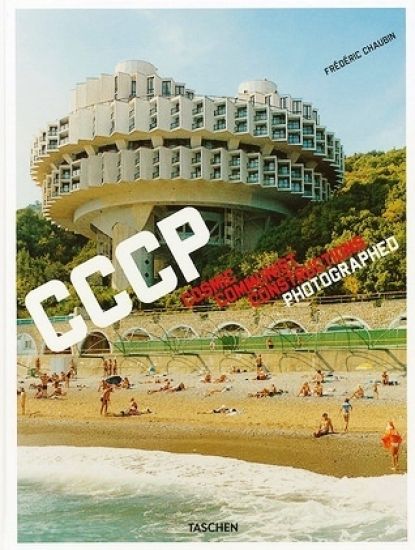
Frédéric Chaubin. CCCP. Cosmic Communist Constructions Photographed
Taschen GmbH
2011
sidottu
Elected the architectural book of the year by the International Artbook and Film Festival in Perpignan, France, Frédéric Chaubin’s Cosmic Communist Constructions Photographed explores 90 buildings in 14 former Soviet Republics. Each of these structures expresses what Chaubin considers the fourth age of Soviet architecture, an unknown burgeoning that took place from 1970 until 1990.Contrary to the 1920s and 1950s, no “school” or main trend emerges here. These buildings represent a chaotic impulse brought about by a decaying system. Taking advantage of the collapsing monolithic structure, architects went far beyond modernism, going back to the roots or freely innovating. Some of the daring ones completed projects that the Constructivists would have dreamt of (Druzhba Sanatorium, Yalta), others expressed their imagination in an expressionist way (Palace of Weddings, Tbilisi).A summer camp, inspired by sketches of a prototype lunar base, lays claim to Suprematist influence (Prometheus youth camp, Bogatyr). Then comes the “speaking architecture” widespread in the last years of the USSR: a crematorium adorned with concrete flames (Crematorium, Kiev), a technological institute with a flying saucer crashed on the roof (Institute of Scientific Research, Kiev), a political center watching you like Big Brother (House of Soviets, Kaliningrad).In their puzzle of styles, their outlandish strategies, these buildings are extraordinary remnants of a collapsing system. In their diversity and local exoticism, they testify both to the vast geography of the USSR and its encroaching end of the Soviet Union, the holes in a widening net. At the same time, they immortalize many of the ideological dreams of the country and its time, from an obsession with the cosmos to the rebirth of identity.
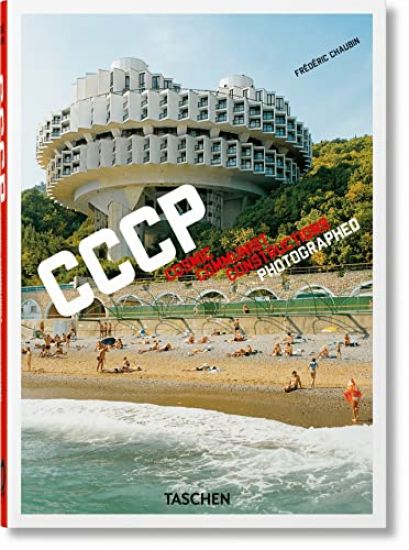
Frédéric Chaubin. CCCP. Cosmic Communist Constructions Photographed. 45th Ed.
Frédéric Chaubin
TASCHEN GMBH
2022
sidottu
Elected the architectural book of the year by the International Artbook and Film Festival in Perpignan, France, Frédéric Chaubin’s Cosmic Communist Constructions Photographed explores 90 buildings in 14 former Soviet Republics. Each of these structures expresses what Chaubin considers the fourth age of Soviet architecture, an unknown burgeoning that took place from 1970 until 1990. Contrary to the 1920s and 1950s, no “school” or main trend emerges here. These buildings represent a chaotic impulse brought about by a decaying system. Taking advantage of the collapsing monolithic structure, architects went far beyond modernism, going back to the roots or freely innovating. Some of the daring ones completed projects that the Constructivists would have dreamt of (Druzhba Sanatorium, Yalta), others expressed their imagination in an expressionist way (Palace of Weddings, Tbilisi). A summer camp, inspired by sketches of a prototype lunar base, lays claim to Suprematist influence (Prometheus youth camp, Bogatyr). Then comes the “speaking architecture” widespread in the last years of the USSR: a crematorium adorned with concrete flames (Crematorium, Kiev), a technological institute with a flying saucer crashed on the roof (Institute of Scientific Research, Kiev), a political center watching you like Big Brother (House of Soviets, Kaliningrad). In their puzzle of styles, their outlandish strategies, these buildings are extraordinary remnants of a collapsing system. In their diversity and local exoticism, they testify both to the vast geography of the USSR and its encroaching end of the Soviet Union, the holes in a widening net. At the same time, they immortalize many of the ideological dreams of the country and its time, from an obsession with the cosmos to the rebirth of identity.

Frédéric Chopin und George Sand
Sudwestdeutscher Verlag Fur Hochschulschriften AG
2012
pokkari
Frédéric Bouchot, Diabolico Foutromanie
BoD - Books on Demand
2011
nidottu
What Is Free Trade? an Adaptation of Frederic Bastiat's Sophismes Econimiques Designed for the American Reader
Frederic Bastiat
Tredition Classics
2011
pokkari