Originally published in 1907, this book contains a biography of the historian and clergyman Gilbert Burnet, Bishop of Salisbury. The book is divided into two parts, focussing first on Burnet's early life and career in Scotland and then on his rise and fall and rise again under the Stuart monarchs. The language used is accessible, and the authors express the hope that 'this picture of a varied career, and a vivacious personality, may attract the general reader, as well as the historical student'. This book will be of value to anyone with an interest in the history of religion in England or the life of Burnet.
The 18th century was a wealth of knowledge, exploration and rapidly growing technology and expanding record-keeping made possible by advances in the printing press. In its determination to preserve the century of revolution, Gale initiated a revolution of its own: digitization of epic proportions to preserve these invaluable works in the largest archive of its kind. Now for the first time these high-quality digital copies of original 18th century manuscripts are available in print, making them highly accessible to libraries, undergraduate students, and independent scholars.Rich in titles on English life and social history, this collection spans the world as it was known to eighteenth-century historians and explorers. Titles include a wealth of travel accounts and diaries, histories of nations from throughout the world, and maps and charts of a world that was still being discovered. Students of the War of American Independence will find fascinating accounts from the British side of conflict. ++++The below data was compiled from various identification fields in the bibliographic record of this title. This data is provided as an additional tool in helping to insure edition identification: ++++British LibraryT097998With a final advertisement leaf.London: printed by E. Hodson; and sold by J. Deighton, 1792. vii, 1],405, 3]p., plate: port.; 8
The 18th century was a wealth of knowledge, exploration and rapidly growing technology and expanding record-keeping made possible by advances in the printing press. In its determination to preserve the century of revolution, Gale initiated a revolution of its own: digitization of epic proportions to preserve these invaluable works in the largest archive of its kind. Now for the first time these high-quality digital copies of original 18th century manuscripts are available in print, making them highly accessible to libraries, undergraduate students, and independent scholars.Delve into what it was like to live during the eighteenth century by reading the first-hand accounts of everyday people, including city dwellers and farmers, businessmen and bankers, artisans and merchants, artists and their patrons, politicians and their constituents. Original texts make the American, French, and Industrial revolutions vividly contemporary.++++The below data was compiled from various identification fields in the bibliographic record of this title. This data is provided as an additional tool in helping to insure edition identification: ++++British LibraryT095583With a half-title.London: printed for J. Debrett; and J. Sewell, 1787. 4],40p.; 8
The 18th century was a wealth of knowledge, exploration and rapidly growing technology and expanding record-keeping made possible by advances in the printing press. In its determination to preserve the century of revolution, Gale initiated a revolution of its own: digitization of epic proportions to preserve these invaluable works in the largest archive of its kind. Now for the first time these high-quality digital copies of original 18th century manuscripts are available in print, making them highly accessible to libraries, undergraduate students, and independent scholars.Delve into what it was like to live during the eighteenth century by reading the first-hand accounts of everyday people, including city dwellers and farmers, businessmen and bankers, artisans and merchants, artists and their patrons, politicians and their constituents. Original texts make the American, French, and Industrial revolutions vividly contemporary.++++The below data was compiled from various identification fields in the bibliographic record of this title. This data is provided as an additional tool in helping to insure edition identification: ++++British LibraryT095584London: printed for Richardson and Urquhart; and T. Wilson, York, 1782. 42, 2]p., table; 8
The 18th century was a wealth of knowledge, exploration and rapidly growing technology and expanding record-keeping made possible by advances in the printing press. In its determination to preserve the century of revolution, Gale initiated a revolution of its own: digitization of epic proportions to preserve these invaluable works in the largest archive of its kind. Now for the first time these high-quality digital copies of original 18th century manuscripts are available in print, making them highly accessible to libraries, undergraduate students, and independent scholars.Delve into what it was like to live during the eighteenth century by reading the first-hand accounts of everyday people, including city dwellers and farmers, businessmen and bankers, artisans and merchants, artists and their patrons, politicians and their constituents. Original texts make the American, French, and Industrial revolutions vividly contemporary.++++The below data was compiled from various identification fields in the bibliographic record of this title. This data is provided as an additional tool in helping to insure edition identification: ++++Library of CongressW003368Error in paging: p. 31 misnumbered 37.Philadelphia: Printed by Jacob Johnson & Co. no. 147, Market-Street, MDCCXCV. 1795]. 2], x, 1],14-137, 3]p.; 12
The 18th century was a wealth of knowledge, exploration and rapidly growing technology and expanding record-keeping made possible by advances in the printing press. In its determination to preserve the century of revolution, Gale initiated a revolution of its own: digitization of epic proportions to preserve these invaluable works in the largest archive of its kind. Now for the first time these high-quality digital copies of original 18th century manuscripts are available in print, making them highly accessible to libraries, undergraduate students, and independent scholars.The Age of Enlightenment profoundly enriched religious and philosophical understanding and continues to influence present-day thinking. Works collected here include masterpieces by David Hume, Immanuel Kant, and Jean-Jacques Rousseau, as well as religious sermons and moral debates on the issues of the day, such as the slave trade. The Age of Reason saw conflict between Protestantism and Catholicism transformed into one between faith and logic -- a debate that continues in the twenty-first century.++++The below data was compiled from various identification fields in the bibliographic record of this title. This data is provided as an additional tool in helping to insure edition identification: ++++National Library of WalesT193814Originally published in 1680.Berwick: printed and sold by Robert Taylor, 1765?]. viii,111, 1]p.; 8
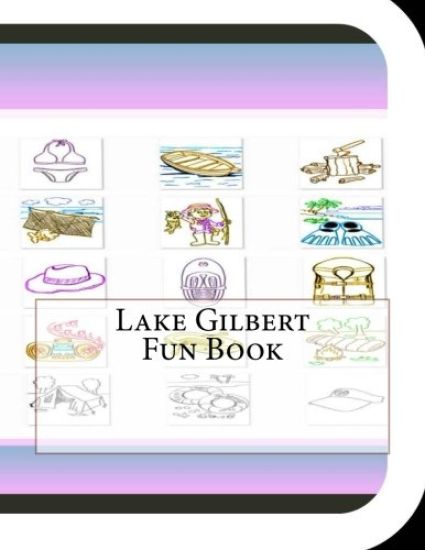
-DISCOVER:: FUN on the lake. This body of water is a true gem. Now you can work your way through the majestic shores that make this lake so special. Fun for all ages. Share the gift of Lake Fun with someone you love today. ***Limited Time Discount Offer *** ***Regular Price $12.99*** - -***Plus, As a Special Thank-you for buying this Book Today, You Will Receive FREE puzzles and games inside the book*** - -Do you want to see a side of the lake a child rarely gets to see? Do you or a child you love need to express their creative side while enjoying a fun cultural experience? Read on to find out more about how this book can solve your problem... Buy:: The one and only Lake Fun Coloring Book Here's a preview of what you'll find inside this book: - -Fisherman First Aid Kit Tent Sleeping Bag Beach Towell Fish Net Flippers Boat Paddle Hat Visor Swim Trunks Bikini Radio Playing Music Life jacket Rafts Knee Board Tubes Friends Fire Wood Camp Fire Grill Sun Screen Lotion Money Drinks Goggles Wake board Ski Rope Anchor Bug repellent Beach Chairs Binoculars Book Playing Cards Cooler Coozie Camera Snacks Tackle Box Fishing Rod Worms Cricket Water Shoes Skipping Rocks Water bottle Floaties Swim Noodle Dry Clothes Phone Trash Bag Toilet Paper Paper Towels Watermelon Lantern Flash light Boat light Ski rope Bobber Fishing Hook Catfish Bluegill Turtle Minnow Crickett Water Snake Duck Pelican Seagull Frog Large Mouth Bass Small Mouth Bass Trout Laptop Computer Tablet Swim Cap Nose plug Fish food Bag of ice Dog Pop sickle Marshmallows Chocolate Graham crackers Smores Canoe Kayak Paddlebaord Flip flops Lake Map Swim Noodle And much, much more Want to Know More? Scroll to the top of the page and select the "BUY" button for instant purchase. Buy Your Copy Right Now
" Madame de Ranval, apr s une nuit de fi vre et d'insomnie, se leva toute grelottante. S'enveloppant d'une chaude pelisse, elle sortit de sa chambre coucher et alla s'asseoir dans un petit salon qui donnait sur un jardin: elle tait fort p le, et quelques larmes descendaient le long de ses joues, dont les contours amaigris annon aient la souffrance du corps et de l' me. Madame de Ranval achevait sa vingt-troisi me ann e: elle n' tait pas r guli rement belle; on aurait pu m me, en analysant les traits de son visage, y d couvrir quelques incorrections, quelques d fauts plus ou moins saisissables, qui n'auraient pas chapp sans doute l'oeil d'un peintre ou d'un statuaire, mais qui n'alt raient en rien, toutefois, l'ensemble harmonieux d'une physionomie pleine d'innocence et de volupt . Madame de Ranval tait petite, fr le, mince, et sa poitrine un peu rentr e trahissait une constitution faible et maladive; mais cette imperfection, si d sagr able chez quelques femmes, semblait donner au contraire plus de po sie cette r veuse cr ature, blonde et pale, dont les yeux bleus se tournaient toujours vers le ciel, comme par instinct..."
This is a compilation of original poetry and song lyrics by Marilyn Gilbert Komechak. Ms. Komechak is an award-winning, published poet and songwriter. Michael Baldwin, President of the Fort Worth Poetry Society and winner of two state-level poetry manuscript contests, said of this book, "Are you missing the duende, the deep passion in poetry that is haunted by reminders of mortality? You will find it in abundance in these wonderful poems by Marilyn Komechak, but also her exuberant love of life and her uncanny evocation of sun-washed Southwest Texas, New Mexico, and even more exotic imaginary venues. There is something to astonish in almost every poem: tear-catchers from the Civil War, ancient Indian petroglyphs, Russian holy icons on barn steps, meditations on pentimenti. Each poem is extraordinary in extraordinary ways. Then come the song lyrics. Willie and Waylon need not apply. These are story songs of sly insouciance amid deceptively simple tales. I've loved and been nourished by Marilyn's writing for many years; I think you will too if you are sufficiently adventurous."Marilyn Gilbert Komechak is a licensed psychologist who has served as a consultant to schools, businesses, and corporations. While maintaining a private practice, she wrote numerous articles and a book, Getting Yourself Together. She continued writing after she retired and has now included an award-winning children's book, Paisano Pete: Snake-killer Bird, a children's historical narrative about Deborah Sampson, a true hero of the American Revolutionary War, entitled The Girl Who Went to War; and she collaborated with her talented artist daughter, Kim Komechak, on an illustrated collection of poetry and paintings, titled Painted Poems: Interior Scapes. Now, she offers this beautiful collection of poetry and song lyrics which take the reader on a moonlit waltz through a world filled with laughter, tears, song, and wisdom. Come glide along the Pecos, find yourself in the reflection of a painting or dusty petroglyph, or learn Sacajawea's nickname.
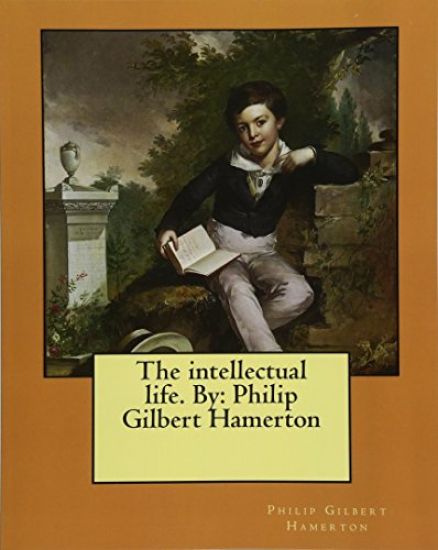
Philip Hamerton was born at Laneside, a hamlet near Shaw and Crompton, Lancashire, England. His mother died giving birth to him, and his father died ten years later. When he was about five, he was sent to live with his two aunts at an estate called the Hollins on the edge of Burnley, where he attended Burnley Grammar School.Hamerton's first literary attempt, a volume of poems, was unsuccessful, leading him to devote himself for a time entirely to landscape painting; he camped out in the Scottish Highlands, where he eventually rented the former island of Inistrynich in Loch Awe, upon which he settled with his wife Eug nie Gindriez, the daughter of a French republican magistrate, in 1858. Discovering after a time that he was more suited to art criticism than painting, he moved to his wife's native area in France, where?] where he produced his Painter's Camp in the Highlands (1863), which was very successful and prepared the way for his standard work on Etching and Etchers (1866). In the following year he published Contemporary French Painters, and in 1868 a continuation, Painting in France after the Decline of Classicism.