Kirjojen hintavertailu. Mukana 11 342 296 kirjaa ja 12 kauppaa.

Kirjahaku

Etsi kirjoja tekijän nimen, kirjan nimen tai ISBN:n perusteella.

422 tulosta hakusanalla "Tissue Engineering"

Silk Biomaterials for Tissue Engineering and Regenerative Medicine
Silk is increasingly being used as a biomaterial for tissue engineering applications, as well as sutures, due to its unique mechanical and chemical properties. Silk Biomaterials for Tissue Engineering and Regenerative Medicine discusses the properties of silk that make it useful for medical purposes and its applications in this area. Part one introduces silk biomaterials, discussing their fundamentals and how they are processed, and considering different types of silk biomaterials. Part two focuses on the properties and behavior of silk biomaterials and the implications of this for their applications in biomedicine. These chapters focus on topics including biodegradation, bio-response to silk sericin, and capillary growth behavior in porous silk films. Finally, part three discusses the applications of silk biomaterials for tissue engineering, regenerative medicine, and biomedicine, with chapters on the use of silk biomaterials for vertebral, dental, dermal, and cardiac tissue engineering. Silk Biomaterials for Tissue Engineering and Regenerative Medicine is an important resource for materials and tissue engineering scientists, R&D departments in industry and academia, and academics with an interest in the fields of biomaterials and tissue engineering.
Novel Biomaterials for Tissue Engineering
This book offers a comprehensive and up-to-date overview of the progress and innovations in the field of novel biomaterials applied in tissue engineering. It focuses on the development, characterization, and application of a wide range of advanced biomaterials, from biodegradable metallic alloys to hydroxyapatite composites and nanofiber technologies, with a special emphasis on enhancing tissue regeneration and wound healing. These aspects may be of interest to decision-makers in health and technology, providing vision into future research directions and the potential impact on patient care.
Biomaterials for Oral and Dental Tissue Engineering
Biomaterials for Oral and Dental Tissue Engineering examines the combined impact of materials, advanced techniques and applications of engineered oral tissues. With a strong focus on hard and soft intraoral tissues, the book looks at how biomaterials can be manipulated and engineered to create functional oral tissue for use in restorative dentistry, periodontics, endodontics and prosthodontics. Covering the current knowledge of material production, evaluation, challenges, applications and future trends, this book is a valuable resource for materials scientists and researchers in academia and industry. The first set of chapters reviews a wide range of biomaterial classes for oral tissue engineering. Further topics include material characterization, modification, biocompatibility and biotoxicity. Part Two reviews strategies for biomaterial scaffold design, while chapters in parts three and four review soft and hard tissues.
3D Bioprinting and Nanotechnology in Tissue Engineering and Regenerative Medicine
3D Bioprinting and Nanotechnology in Tissue Engineering provides an in depth introduction to these two technologies and their industrial applications. Stem cells in tissue regeneration are covered, along with nanobiomaterials. Commercialization, legal and regulatory considerations are also discussed in order to help you translate nanotechnology and 3D printing-based products to the marketplace and the clinic. Dr. Zhang’s and Dr. Fishers’ team of expert contributors have pooled their expertise in order to provide a summary of the suitability, sustainability and limitations of each technique for each specific application. The increasing availability and decreasing costs of nanotechnologies and 3D printing technologies are driving their use to meet medical needs, and this book provides an overview of these technologies and their integration. It shows how nanotechnology can increase the clinical efficiency of prosthesis or artificial tissues made by bioprinting or biofabrication. Students and professionals will receive a balanced assessment of relevant technology with theoretical foundation, while still learning about the newest printing techniques.
Bio-Instructive Scaffolds for Musculoskeletal Tissue Engineering and Regenerative Medicine

Bio-Instructive Scaffolds for Musculoskeletal Tissue Engineering and Regenerative Medicine

Justin Brown; Sangamesh G. Kum bar; Brittany Banik

Academic Press Inc
2016
sidottu
Bio-Instructive Scaffolds for Musculoskeletal Tissue Engineering and Regenerative Medicine explores musculoskeletal tissue growth and development across populations, ranging from elite athletes to the elderly. The regeneration and reparation of musculoskeletal tissues present the unique challenges of requiring both the need to withstand distinct forces applied to the body and ability to support cell populations. The book is separated into sections based on tissue type, including bone, cartilage, ligament and tendon, muscle, and musculoskeletal tissue interfaces. Within each tissue type, the chapters are subcategorized into strategies focused on cells, hydrogels, polymers, and other materials (i.e. ceramics and metals) utilized in musculoskeletal tissue engineering applications. In each chapter, the relationships that exist amongst the strategy, stem cell differentiation and somatic cell specialization at the intracellular level are emphasized. Examples include intracellular signaling through growth factor delivery, geometry sensing of the surrounding network, and cell signaling that stems from altered population dynamics.
Materials for Biomedical Engineering: Nanobiomaterials in Tissue Engineering
Materials for Biomedical Engineering: Nanobiomaterials in Tissue Engineering highlights the impact of novel bioactive materials in both current applications and their potential in the future progress of tissue engineering and regenerative medicine. Tissue engineering is a well investigated and challenging bio-medical field, with promising perspectives to improve and support the quality of life in diseased patients. This book brings together the latest research findings regarding the design and versatility of bioactive materials and their potential in tissue engineering. In addition, recent progress in soft and hard tissue engineering is presented within the chapters of the book.
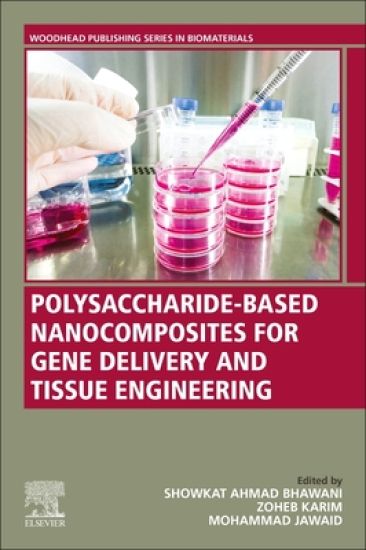
Polysaccharide-Based Nanocomposites for Gene Delivery and Tissue Engineering
Polysaccharide-Based Nanocomposites for Gene Delivery and Tissue Engineering presents quantitative background on new polysaccharide nanocomposites in a clear and logical way, highlighting the most exciting applications in gene delivery and tissue engineering and their progress. The book focuses on the different types of polysaccharide nanocomposites for gene delivery and tissue engineering and covers polysaccharide hydrogels for tissue engineering and polysaccharide magnetic nanocomposites for gene delivery. Chapters cover various nanocomposites presented in twenty-one separate chapters. This book will be of great interest to all those researching the development and applications of polysaccharide-based nanocomposites for modeling. As polysaccharide-based nanocomposites promise cutting-edge applications in gene delivery and tissue engineering, with their development at the forefront of modern medicine, this book is a welcome title on this exciting science.
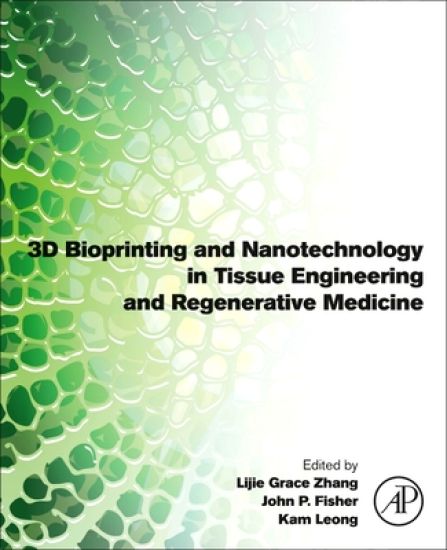
3D Bioprinting and Nanotechnology in Tissue Engineering and Regenerative Medicine
3D Bioprinting and Nanotechnology in Tissue Engineering and Regenerative Medicine, Second Edition provides an in-depth introduction to bioprinting and nanotechnology and their industrial applications. Sections cover 4D Printing Smart Multi-responsive Structure, Cells for Bioprinting, 4D Printing Biomaterials, 3D/4D printing functional biomedical devices, 3D Printing for Cardiac and Heart Regeneration, Integrating 3D printing with Ultrasound for Musculoskeletal Regeneration, 3D Printing for Liver Regeneration, 3D Printing for Cancer Studies, 4D Printing Soft Bio-robots, Clinical Translation and Future Directions. The book's team of expert contributors have pooled their expertise in order to provide a summary of the suitability, sustainability and limitations of each technique for each specific application. The increasing availability and decreasing costs of nanotechnologies and 3D printing technologies are driving their use to meet medical needs. This book provides an overview of these technologies and their integration.
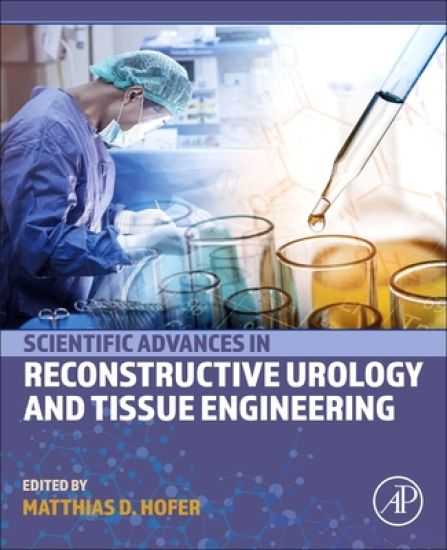
Scientific Advances in Reconstructive Urology and Tissue Engineering
Scientific Advances in Reconstructive Urology and Tissue Engineering is a comprehensive overview of reconstructive urology that spans male and female, pediatric, neuro-urology and trauma. Traditionally, this field has been focused solely on surgical principles with little attention to basic and translational research. However, recent advances in acellular matrices, scaffolds, stem cells and tissue engineering have changed this focus. This publication is the perfect bridge and definitive tome of the advances that will move the translational and basic science of reconstructive urology forward and allow readers to implement the findings in clinical practice. Through the use of both current case studies and future implications, the content bridges the gap from bench to bedside making it the perfect reference for translational benign urology researchers who wish to move the field of reconstructive surgery forward.
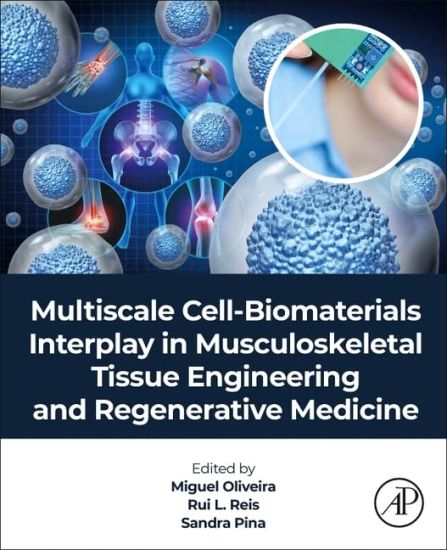
Multiscale Cell-Biomaterials Interplay in Musculoskeletal Tissue Engineering and Regenerative Medicine
Multiscale Cell-Biomaterials Interplay in Musculoskeletal Tissue Engineering and Regenerative Medicine addresses the key concepts involved in the interactions between cells and biomaterials in the musculoskeletal tissue engineering and regenerative medicine field. The updated developments and challenges of the mechanisms/mechanobiology and structure-function properties of those interactions, as well as emerging technologies underlying tissue-engineered scaffolding, are carefully discussed. Lastly, cell engineering and cell-based therapies, growth factors/drugs properties, vascularization, immunomodulation are also outlined. Given the large number of musculoskeletal disorders and related injuries that can affect muscles, bones and joints and lead to severe complications of the neuromuscular system, it is imperative to develop new treatment strategies to delay or repair associated diseases and to promote optimal long-term health.
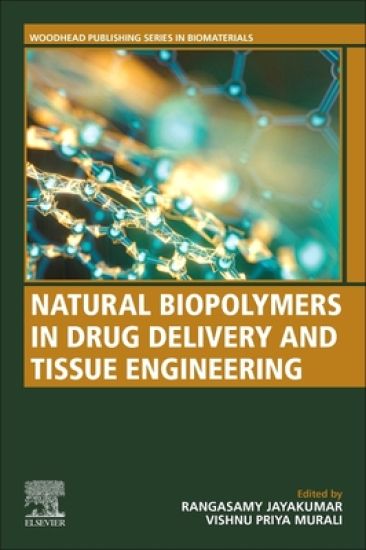
Natural Biopolymers in Drug Delivery and Tissue Engineering
Natural Biopolymers in Drug Delivery and Tissue Engineering systematically examines a broad range of natural polymers and their applications in drug delivery and tissue engineering. The book thoroughly collates the most relevant and up-to-date research on natural biopolymers, covering a variety of key natural polymer types such as chitin, chitosan, alginate, guar gum and collagen. It is divided into two sections, covering drug delivery and tissue engineering applications. Each section focuses on natural biopolymers in the form of scaffolds, membranes, films, gels and nanoparticles, thus helping the reader select not only the most appropriate polymer type, but also the most relevant structure. This comprehensive resource is ideal for materials scientists, biomedical engineers, tissue engineers, pharmaceutical scientists and anyone interested in developing novel materials for biomedical applications.
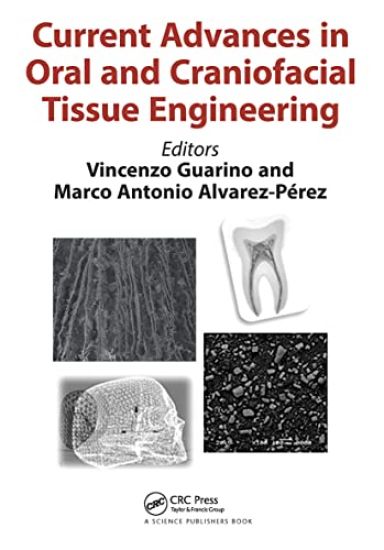
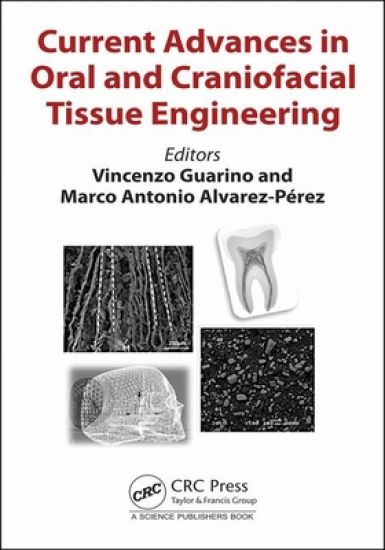
Current Advances in Oral and Craniofacial Tissue Engineering
Oral tissue engineering involves the study of current approaches for in vitro regeneration of soft and hard tissues located into the oral cavity. In this context, recent approaches involves the use of innovative biomaterials to replace the lost or damaged human oral tissues. Recent discoveries in materials science and nanotechnology are drastically changing the traditional approach to dentistry by the design of innovative devices able more efficiently supporting the natural regeneration process. The objective of this book is to highlight current progress in tissue engineering for various dental hard/soft tissues including enamel, dentin, pulp, alveolar bone, periodontium, gum and oral mucosa, by emphasizing the role of materials and their specific applications.
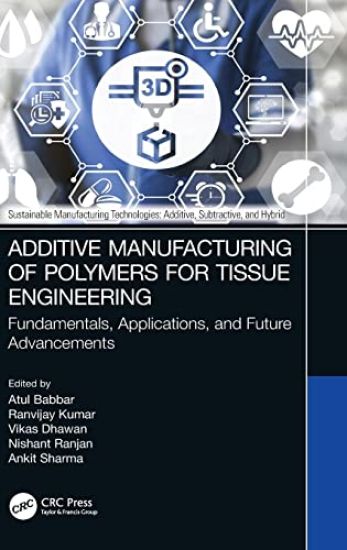
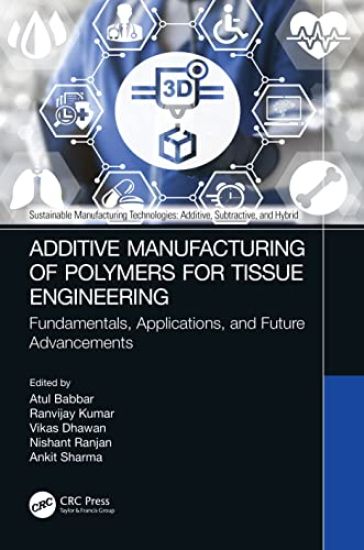
Additive Manufacturing of Polymers for Tissue Engineering
Application of additive manufacturing and tissue engineering in the fields of science and technology enables the manufacturing of biocompatible, customized, reliable, and cost-effective parts, restoring the functionality of a failed human body part. This book offers a platform for recent breakthroughs in additive manufacturing related to biomedical applications.This book highlights some of the top innovations and advances in additive manufacturing and processing technologies that are the future of the manufacturing industry while also presenting current challenges and opportunities regarding the choice of material. This book includes areas of applications such as surgical guides, tissue regeneration, artificial scaffolds, implants, and drug delivery and release. Throughout the book, an emphasis is placed on rapid tooling for engineering applications.Additive Manufacturing of Polymers for Tissue Engineering: Fundamentals, Applications, and Future Advancements acts as a first-hand source of information for academic scholars and commercial manufacturers as they make strategic manufacturing and development plans.
Additive Manufacturing of Polymers for Tissue Engineering
Application of additive manufacturing and tissue engineering in the fields of science and technology enables the manufacturing of biocompatible, customized, reliable, and cost-effective parts, restoring the functionality of a failed human body part. This book offers a platform for recent breakthroughs in additive manufacturing related to biomedical applications.This book highlights some of the top innovations and advances in additive manufacturing and processing technologies that are the future of the manufacturing industry while also presenting current challenges and opportunities regarding the choice of material. This book includes areas of applications such as surgical guides, tissue regeneration, artificial scaffolds, implants, and drug delivery and release. Throughout the book, an emphasis is placed on rapid tooling for engineering applications.Additive Manufacturing of Polymers for Tissue Engineering: Fundamentals, Applications, and Future Advancements acts as a first-hand source of information for academic scholars and commercial manufacturers as they make strategic manufacturing and development plans.
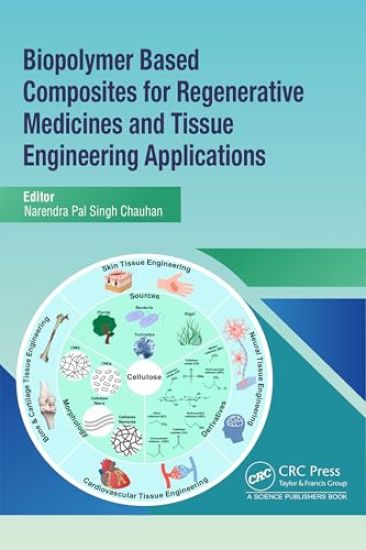
Biopolymer Based Composites for Regenerative Medicines and Tissue Engineering Applications
Biopolymer-based composites have emerged as pivotal materials in regenerative medicine and tissue engineering, offering biomimetic scaffolds that support cellular growth, differentiation, and tissue regeneration. These composites integrate natural polymers with bioactive fillers to mimic the extracellular matrix (ECM), providing structural and biochemical cues essential for tissue repair. In this book, different types of biopolymer composites based on keratin nanofiber, cellulose, chitosan, collagen, gelatin, Hyaluronic acid, starch-based composites, alginate, microbial exopolysaccharides, polyhydroxyakanoate, silk fibroin, dextran and pectin are discussed in detail. It is believed that this work will be of general interest to organic chemists, materials scientists, chemical engineers, polymer scientists and technologists.
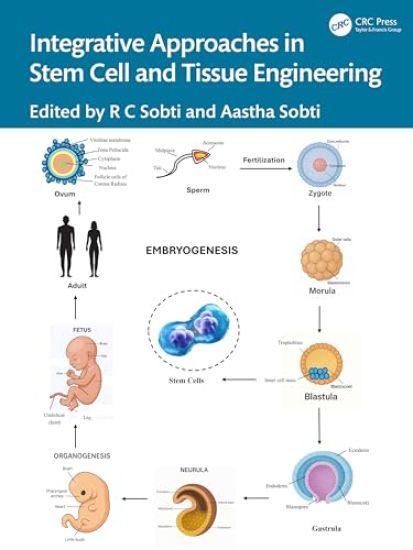
Integrative Approaches in Stem Cell and Tissue Engineering
This book offers a comprehensive overview of fundamental principles and the latest applications in cell biology and regenerative medicine, beginning with the foundational concepts of cell theory. It discusses the various types of cells and their defining characteristics, and dynamic processes of cell division, differentiation, dedifferentiation, proliferation, and apoptosis. The text also introduces the basics of embryo development and delve into the applications of induced pluripotent stem cells, cancer stem cells, tissue-specific niches, and the innovative techniques for editing stem cells. Additionally, the book explores the stem cell niche and its surrounding microenvironment, along with the complex interactions between stem cells and the immune system. It underscores the therapeutic potential of stem cells in treating neurodegenerative diseases, facilitating cardiovascular regeneration, enhancing skin regeneration and wound healing, and improving orthopedic applications. Furthermore, the book examines the use of stem cells in ocular therapies, dental, and craniofacial regeneration. It provides an overview of the regulatory frameworks governing stem cell research, outlines the principles of tissue engineering, and discusses the development of organ-on-a-chip models. This book is an essential resource for students, researchers, and professionals in cell biology and regenerative medicine. Key Features: · Provides extensive overview of fundamental cell biology principles, the latest advancements in regenerative medicine. · Presents therapeutic potential of various types of stem cells, including embryonic stem cells, induced pluripotent stem cells, and cancer stem cells. · Addresses the regulatory landscapes and the ethical issues related to use of stem cell therapy. · Discusses cutting-edge techniques for editing stem cells, principles of tissue engineering, and the development of organ-on-a-chip models. · Delves into the dynamic cellular processes such as division, differentiation, dedifferentiation, proliferation, and apoptosis.
Current Advances in Oral and Craniofacial Tissue Engineering
Oral tissue engineering involves the study of current approaches for in vitro regeneration of soft and hard tissues located into the oral cavity. In this context, recent approaches involves the use of innovative biomaterials to replace the lost or damaged human oral tissues. Recent discoveries in materials science and nanotechnology are drastically changing the traditional approach to dentistry by the design of innovative devices able more efficiently supporting the natural regeneration process. The objective of this book is to highlight current progress in tissue engineering for various dental hard/soft tissues including enamel, dentin, pulp, alveolar bone, periodontium, gum and oral mucosa, by emphasizing the role of materials and their specific applications.