Kirjojen hintavertailu. Mukana 12 081 058 kirjaa ja 12 kauppaa.

Kirjahaku

Etsi kirjoja tekijän nimen, kirjan nimen tai ISBN:n perusteella.

1000 tulosta hakusanalla Dmitri Mereschkowski

Ost- Und Westeuropaische Horkulturen Zu Beginn Der Elektrischen Lautreproduktion
English summary: The subject of this book is Eastern and Western European acoustic culture at the beginning of electric sound reproduction. The term acoustic culture includes the idea of sensory and social activities, such as perception, interpretation and mediation of auditory events. For a hundred years now (a very short time, historically speaking) people have been presented with new possibilities of perception due to the rapid development in the field of audio technology. The author tries to grasp the social use of these possibilities laying a special emphasis on the interconnection between psychoacoustic, historical and cross-cultural perspectives on auditory perception. First the reconstruction of perception contexts that assigned significances in the past will be addressed. Next you will find out how the cultural significance of sound sources is captured verbally, in other words how do technical, religious and gender-related descriptions of sound sources get included in public discourses. Thirdly it will be determined, how material sound objects and voices get represented in audiovisual media, in particular sound film. By a more sophisticated discussion of how early methods of electrical voice and sound reproduction could be rooted in the traditional cultures of Germany, Great Britain and Russia, the present study attempts to set a counterpoint to the popular concept of a technological globalization. German description: Wie muss man sich die Horkulturen in Ost- und Westeuropa zu Beginn der elektrischen Lautproduktion vor ca. 100 Jahren vorstellen? Wie werden die neuen Moglichkeiten kulturell in Anspruch genommen? Diesen Fragen geht Dmitri Zakharine nach, indem er wahrnehmungspsychologische, historische und kulturvergleichende Perspektiven auf die Horwahrnehmung miteinander verschrankt. Er rekonstruiert historische Wahrnehmungskontexte und fragt, wie die kulturelle Semantik von Instrumenten und Stimmen sprachlich erfasst wird und wie Lautquellen uber audiovisuelle Medien gesellschaftlich reflektiert werden. Durch eine differenzierte Diskussion der Mediation von Radio- und Filmstimmen in Deutschland, Groabritannien und Russland setzt die Studie einen Kontrapunkt zum verbreiteten Konzept einer technischen Globalisierung.
Grundlagen der Chemie - Band I

Grundlagen der Chemie - Band I

Dmitri Mendelejew

Severus
2021
pokkari
Mendelejews umfassendes Werk "Die Grundlagen der Chemie" gibt einen detaillierten Einblick in die Elemente, ihre Bindungen und Reaktionen. Der vorliegende erste Band umfasst Kapitel 1-15 und behandelt unter vielem anderem Wasserstoff, Sauerstoff, Halogene und Natrium, sowie auch Atome und Molekeln. Dmitri Mendelejew war ein russischer Chemiker und gilt heute als Grunder des periodischen Gesetzes. Das ursprunglich als Lehrbuch erarbeitete Werk fuhrte zur Entwicklung des Periodensystems der Elemente, das auch heute noch in Gebrauch ist. Fur seine Dienste fur die Chemie wurde Mendelejew 1906 fur den Nobelpreis nominiert.
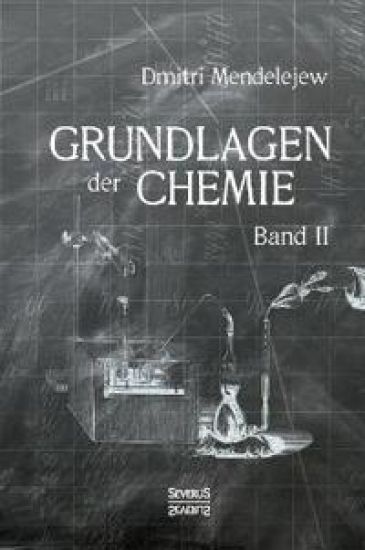
Grundlagen der Chemie - Band II

Grundlagen der Chemie - Band II

Dmitri Mendelejew

Severus
2018
pokkari
In seinem zweiten Band greift Mendelejew seine Lehre uber die Elemente wieder auf und beschreibt unter anderem Phosphor, Schwefel, Eisen, sowie die Edelmetalle und ihre Verbindungen und Reaktionen. Der vorliegende zweite Band enthalt Kapitel 16-24 des umfangreichen Lehrwerks "Die Grundlagen der Chemie." Dmitri Mendelejew war ein russischer Chemiker und gilt heute als Grunder des periodischen Gesetzes. Das ursprunglich als Lehrbuch erarbeitete Werk fuhrte zur Entwicklung des Periodensystems der Elemente, das auch heute noch in Gebrauch ist. Fur seine Dienste fur die Chemie wurde Mendelejew 1906 fur den Nobelpreis nominiert.
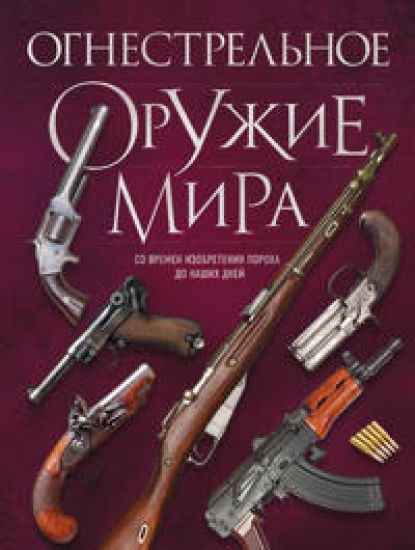
Ognestrelnoe oruzhie mira. 3-e izdanie
V knige s prekrasnymi illjustratsijami predstavlena istorija razvitija ognestrelnogo oruzhija so vremen izobretenija porokha do nashikh dnej. Ot pischali i arkebuzy, do vintovok, pistoletov, avtomatov i pulemetov. Po kazhdomu vidu oruzhija daetsja podrobnoe opisanie i tekhnicheskie kharakteristiki, rasskazyvaetsja o tom, kak i kogda primenjalos, kakuju rol igralo v opredelennyj istoricheskij period. Izdanie prednaznacheno dlja shirokogo kruga chitatelej, kollektsionerov, a takzhe vsekh, kto interesuetsja istoriej razvitija oruzhija, v tom chisle ognestrelnogo.
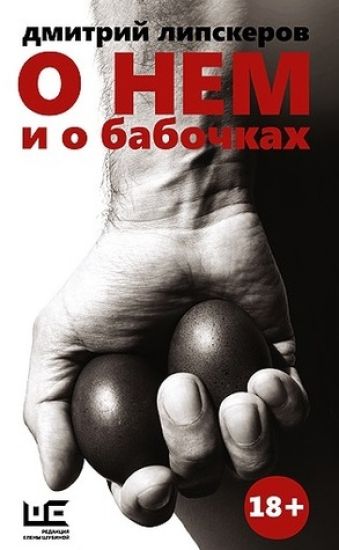
O nem i o babochkakh

O nem i o babochkakh

Dmitri Lipskerov

Ast
2016
sidottu
Geroj novogo romana voleju bogatoj avtorskoj fantazii popadet v ochen delikatnuju i absoljutno gogolevskuju situatsiju. Imenno s nee nachinajutsja sobytija, perevorachivajuschie ves mir, v kotorom plutovatye i mudrye personazhi, angely i obyknovennye ljudi, pletut sudbu mirozdanija.
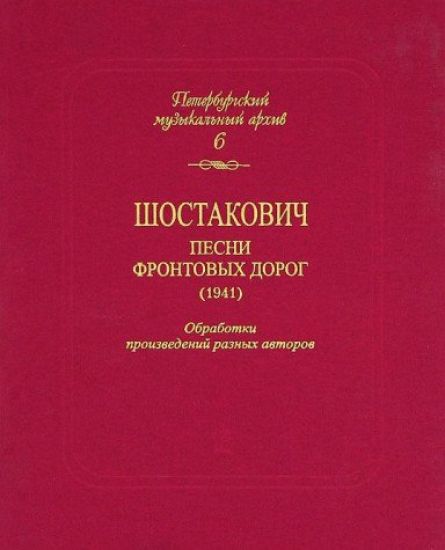
Saint-Petersburg Music Archives. Volume 6. Shostakovich. Front Ways Songs (1941). Compositions by various authors arranged for voice, violin and cello
CONTENTS:PrefaceDm. Pokrass. Parting. Verses by M. IsakovskyDan. and Dm. Pokrass. Those Aren't the Stormy Clouds. From the film "Sons of Labour People".Verses by A. SurkovM. Blanter. Song About Shchors. Verses by M. GolodnyYu. Milyutin. Get Away of Us. From the film "Mitka-Lelyuk". Verses by V. Lebedev-KumachD. Pritsker. Song of a Gril. Verses by A. ChurkinI. Dunayevsky. Oh, What a Fortune! Pioneers song from the film "Beethoven's Concerto". Verses by V. ShmidtgofI. Dunayevsky. Sing to Us, the Wind... From the film "Captain Grant's Children". Verses by V. Lebedev-KumachI. Dunayevsky. Naval Song. Verses by P. BelovI. Dunayevsky. Song of Anyuta. From the film "Jolly Lads". Verses by V. Lebedev-KumachG.-B. Weckerlin. Mummy, What Is Love? Pastorale. Russian verses by Yu. L. Rimskaya-KorsakovaL. van Beethoven. Scottish Table Song. Russian verses by A. GlobaG. Rossini. Alpian Shepherdess. Tyrolese song. Russian verses by M. UlitskyG. Bizet. Habanera. From the opera "Carmen". Russian verses by A. GorchakovaR. Leoncavallo. Harlequin's Serenade. From the opera "Pagliacci". Russian verses by I. PryanishnikovA. Verstovsky. Gypsy Song. Verses by A. S. PushkinA. Gurilyov. Little Dress Sarafanchik. Verses by A. PolezhayevA. Gurilyov. I'll Really Tell My Mummy. Verses by N. BergA. Dargomyzhsky. Fever. Traditional versesA. Dargomyzhsky. Granada Is Dressed Wrapped in Fog. Verses by A. DargomyzhskyA. Dargomyzhsky. As in Our Street. Song of Olga. From the opera "Mermaid"A. Dargomyzhsky. Comical Song. From the unfinished opera "Rogdana"M. Musorgsky. Gopak. From the poem "Haydamaks" by T. Shevchenko translated to Russian by L. MeyM. Musorgsky. Song of Hivrya. From the opera "Sorochinskaya Fair"M. Musorgsky. Parasya's Dumka. From the opera "Sorochinskaya Fair"N. Rimsky-Korsakov. Song of Varangian Guest. From the opera "Sadko"M. Ippolitov-Ivanov. I am Sitting on the Stone. Traditional versesS. Gulak-Artemovsky. Where did You Come From? Duet of Karas' and Odarka from the opera "Zaporozhian Cossack Behind the Danube"CommentariessSummary
The songs on poems by Robert Burns in translation by Samuil Marshak for baritone and mezzo-soprano
The collection of songs (six for baritone and four for mezzo-soprano) is written on poems by Robert Burns (1759-1796), the classical Scottish poet, in translations by Samuil Marshak (1887-1964), the Russian poet, translator, playwright, author of many books for children. The lyrics are given in Russian and English. The songs are written in a verse form. All songs are filled with variation and variant changes, and the development techniques are conditioned by a specific semantic context. The author hopes that his work will find its way to the hearts of performers and listeners.
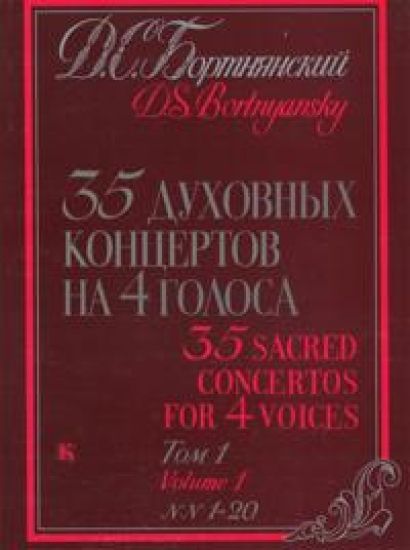
Bortnyansky. 35 sacred concertos for 4 voices. In two volumes. Edited by L. Grigoriev
ContentsVol 1Concerto No. 1 Vospojte Gospodevi pesn novuConcerto No. 2 Torzhestvujte dnes vsi, ljubjaschii CionaConcerto No. 3 Gospodi, siloju Tvoeju vozveselitsja tsarConcerto No. 4 Voskliknite Gospodevi vsja zemljaConcerto No. 5 Uslyshit tja Gospod v den pechaliConcerto No. 6 Slava vo vyshnikh Bogu Concerto No. 7 Priidite, vozraduemsja GospodeviConcerto No. 8 Milosti Tvoja, Gospodi, vo vek vospoju Concerto No. 9 Sej den, ego zhe sotvori GospodConcerto No. 10 Pojte Bogu nashemu Concerto No. 11 Blagosloven Gospod, jako uslysha glas molenija moegoConcerto No. 12 Bozhe, pesn novu vospoju TebeConcerto No. 13 Radujtesja Bogu, pomoschniku nashemuConcerto No. 14 Otrygnu serdtse moe slovo blagoConcerto No. 15 Ppiidite vospoim, ljudieConcerto No. 16 Voznesu Tja, Bozhe moj, Tsarju mojConcerto No. 17 Kol vozljublenna selenija Tvoja, Gospodi silConcerto No. 18 Blago est ispovedatisja GospodeviConcerto No. 19 Reche Gospod Gospodevi moemuConcerto No. 20 Na Tja, Gospodi, upovakh Vol 2Concerto No. 21 Zhivyj v pomoschi VyshnjagoConcerto No. 22 Gospod prosveschenie moe Concerto No. 23 Blazheni ljudie. veduschii voskliknovenieConcerto No. 24 Vozvedokh ochi moi v gory Concerto No. 25 Ne umolchim nikogda, Bogoroditse Concerto No. 26 Gospodi, Bozhe Izrailev Concerto No. 27 Glasom moim ko Gospodu vozzvakhConcerto No. 28 Blazhen muzh, bojajsja GospodaConcerto No. 29 Voskhvalju imja Boga moego s pesnijuConcerto No. 30 Uslyshi, Bozhe, glas moj Concerto No. 31 Vsi jazytsy vospleschite rukamiConcerto No. 32 Skazhi mi, Gospodi, konchinu mojuConcerto No. 33 Vekuju priskorbna esi, dushe moja?Concerto No. 34 Da voskresnet Bog Concerto No. 35 Gospodi, kto obitaet v zhilischi Tvoem?
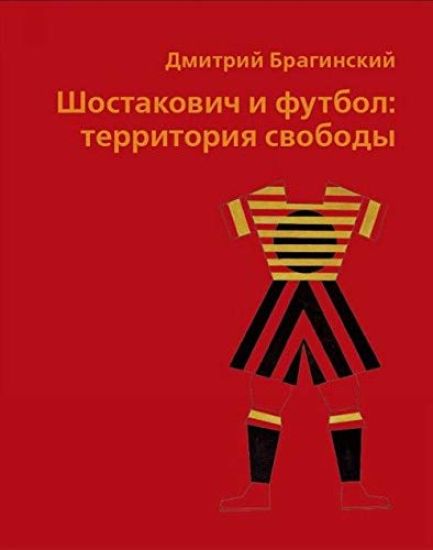
Shostakovich i futbol: territorija svobody
Vse, chto svjazano s imenem i zhiznju D.D. Shostakovicha, vyzyvaet interes i u professionalov, i u ljubitelej ego tvorchestva. Konechno, lvinuju dolju ego vremeni zanimalo sochinenie muzyki. No kompozitor otdaval dolzhnoe i raznoobraznym uvlechenijam, glavnym iz kotorykh byl futbol.Teme "Shostakovich i futbol" posvjatil svoi mnogoletnie issledovanija sankt-peterburgskij muzykoved Dmitrij Braginskij. Etoj teme posvjaschena ego kandidatskaja dissertatsija. V 2018, nakanune chempionata mira po futbolu v Rossii, v izdatelstve DSCH vyshla kniga D. Braginskogo "Shostakovich i futbol: territorija svobody". 19 aprelja sostojalas ee prezentatsija v Moskve, v ofise izdatelstva.Predislovie k knige napisala Irina Antonovna Shostakovich:"Futbol s junosti byl glavnym sportivnym uvlecheniem Shostakovicha. On smotrel matchi - na tribune ili po televizoru. Slushal radioreportazhi so stadiona. Izuchal sportivnuju pressu i zapolnjal svoi sportivnye tablitsy.Dmitrij Dmitrievich dazhe ne zhil futbolom, a zhil v futbole, kak v osobom, parallelnom izmerenii. Eto byl neverojatno vazhnaja chast ego lichnogo prostranstva, davavshaja emu sily. I khotja tam ego tozhe mogli podsteregat neprijatnosti, proigryvala ljubimaja komanda ili sryvalas ostraja kombinatsija u vorot, eti ogorchenija Dmitrij Dmitrievich ochen perezhival, no ikh gorkij privkus ottenjal radost sportivnogo perezhivanija i soobschal emu polnotu.V futbolnom mire Dmitrij Dmitrievich chuvstvoval sebja ochen khorosho i estestvenno. Na etoj territorii on vsegda ostavalsja molodym, schastlivym i svobodnym".
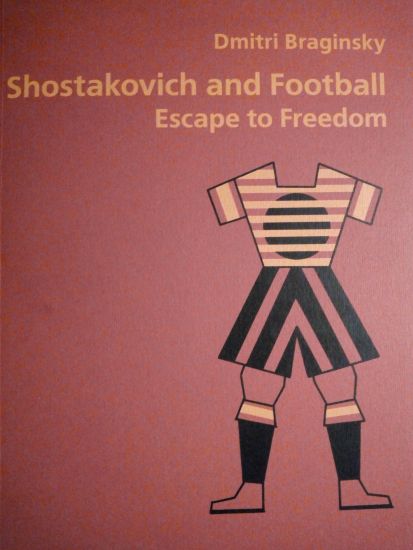
Shostakovich and Football. Escape to freedom
"Free broadcast zones, concert programs and performances for the World Cup are great, but this presentation... When I picked up this book I was surprised to see how little we know about Shostakovich. A reputable master and composer whose music is played in concert halls all over Russia, and now this interesting facet: Shostakovich and football. This is a discovery and a revelation," Voronko remarked.The book's author, Dmitry Braginsky, Ph.D. in Art Sciences, noted that one chapter was dedicated to Shostakovich's "football" works. When the composer was 22 years old, in August 1929, after the triumphant premiere of his First Symphony, he started working on a football ballet, originally called Dinamiada and later The Golden Age. In 1944, he composed the Football dance number.According to Braginsky, Shostakovich is unique because he was the only composer in the world who also wrote articles about sports."I have managed to find at least two articles written by Shostakovich on football. One is dated 1942, it was published in the Krasny Sport newspaper - the main sports newspaper in the country, later called Sovetsky Sport. In 1944, Shostakovich wrote an article titled Proposing New Players," Braginsky said.The composer was also interested in football statistics and filled several notebooks on that.According to football historian Yury Lukosyak, Leningrad's FC Dynamo was Shostakovich's favorite, probably because of its playing style, which was based on esthetics instead of sheer pragmatism.ContentShostakovich's Sports RoleFootball in Shostakovich's MusicFootball in Shostakovich's Newspaper ArticlesA Master of Football StatisticsFootball FriendsNot only FootballOvertime
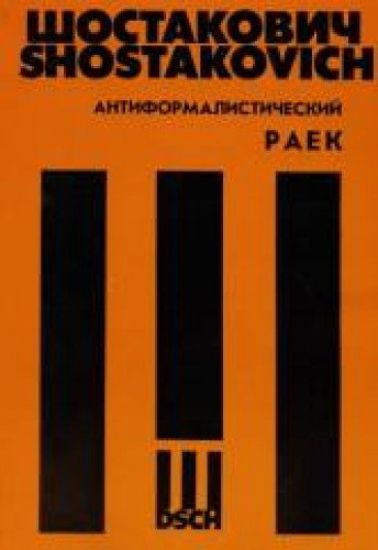
Shostakovich. Anti-Formalist rayok. For four basses and mixed choir accompanied by piano and narrator
"Antiformalisticheskij rajok" - muzykalnoe proizvedenie Dmitrija Shostakovicha dlja chetyrjokh basov, chtetsa, khora i fortepiano. Sozdavalsja s 1948 po 1968 god, vpervye ispolnen na stsene v 1989 godu v Vashingtone.Ne imeet nomera v spiske opusov kompozitora. Predstavljaet soboj odnoaktnuju satiricheskuju kantatu ili mini-operu, posvjaschjonnuju sobraniju muzykalnykh dejatelej, napravlennomu na osuzhdenie burzhuaznogo formalizma v muzyke. Eto edinstvennoe krupnoe sochinenie Shostakovicha, napisannoe na sobstvennyj tekst.