Unterm Rad ist eine Erz hlung von Hermann Hesse, die 1906 erschien. Urspr nglich wurde sie von Hermann Hesse als Roman bezeichnet. In Unterm Rad wird das Schicksal eines begabten Jugendlichen erz hlt, der an einer ihn einseitig fordernden P dagogik, aber auch an sich selbst scheitert. In einer Kleinstadt im Schwarzwald lebt Joseph Giebenrath, Zwischenh ndler und verwitweter Vater des Protagonisten Hans Giebenrath. Hans wird vom Rektor seiner Schule und von seinem Vater von Gleichaltrigen ferngehalten, um einen in ihren Augen "schlechten," kindlichen Einfluss auf den Jungen abzuwehren. Er bekommt Extraunterricht, um sich f r das Landexamen in Stuttgart vorzubereiten, zu dem er als Einziger aus seiner Stadt antritt. Die Naturverbundenheit des Knaben wird immer wieder betont. Allerdings zerschl gt Hans am Abend vor der Abreise zum Landexamen einen Kaninchenstall, den er fr her stets sch tzte. Er besteht landesweit als Zweiter das Landexamen. Dies erlaubt ihm, das Seminar in der Klosterschule in Maulbronn zu besuchen, in dem Landesbeamte und Pastoren ausgebildet werden. Zur Belohnung f r seinen Aufstieg in die Bildungselite wird ihm von seinem Vater das Angeln wieder erlaubt. Direktor und Stadtpfarrer dr ngen Hans zum Lernen in den Ferien, um der gesteigerten Konkurrenz im Seminar gewachsen zu sein. So erh lt er t glich einige Stunden Unterricht. Lediglich Schustermeister Flaig, ein einfacher Mann, Menschenfreund, Pietist, der dem Stadtpfarrer ablehnend gegen bersteht, r t ihm zu mehr "Luft und Bewegung."
Die drei Geschichten aus dem Leben des Landstreichers Knulp, einem Nachfahren von Eichendorffs "Taugenichts", z hlen zu den reizvollsten St cken der fr hen Prosa Hermann Hesses. In der Folge seiner Werke geh ren sie zum gro en Zyklus seiner "Gerbersau"-Erz hlungen, der uns das Leben in einer schw bischen Kleinstadt um die Jahrhundertwende am Beispiel zahlreicher charakteristischer und gr tenteils authentischer Einzelschicksale berliefert.
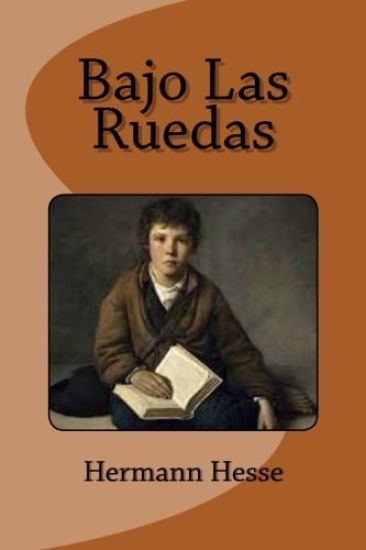
El autor Hermann Hesse (1877-1962), en su obra "Bajo la rueda", la segunda novela del Premio Nobel escritor alem n, nacionalizado suizo, escrita en 1906, nos muestra la influencia que ejercen las condiciones sociales en un joven estudiante y que podemos apreciar a trav s de su formaci n escolar. La Obra cuenta la historia de un adolescente hu rfano de madre que vive en un pueblo alejado de la ciudad. Hans Giebenrath, un ni o prodigio capaz de obtener las mejores calificaciones en todo. La novela narra as el final de la infancia de forma tr gica: infancia subsumida en el estudio, la dedicaci n y la superaci n acad mica de todos los compa eros con el fin de pasar las temibles pruebas Landexamen a trav s de las cuales ingresar en un seminario con un r gido sistema de aprendizaje y de comportamiento. "Su alma hab a abandonado el pa s de la infancia, que nunca m s se vuelve a encontrar". Su infancia es destruida por el padre, el sacerdote del pueblo y el resto de maestros de lat n, matem ticas o griego que le exigen una dedicaci n continua, incluso durante el verano (la poca de desconectar de las obligaciones cotidianas). Bajo las ruedas ofrece una visi n sobria pero soberbia del mundo adolescente mostrando la dicotom a dominante en la vida de Hans: el triunfo acad mico y el fracaso humano como ser humano.
Klingsor's Last Summer tells the story of a famous painter named Klingsor as he experiences a final burst of creativity in his last summer of life. He grabs the cup of life with both hands and drinks until he simply cannot take any more. Klingsor is an expressionist painter ruled by emotion, his commitment to art is total, for art is the embodiment of what he feels to be the essence of life. Klingsor's most prominent traits are his love of extremes. As a person he is violently opposed to moderation or mediocrity. He burns the candle at both ends and shuns the safety of moderation. Klingsor is very much a man of the moment. He does not like to plan ahead in any way. He does not believe in tomorrow and he regards every day as his last. Klingsor's two primary interests in life are creating art and making love and he succeeds in both endeavors. Like Demian, Siddhartha, Goldmund, and Joseph Knecht, Klingsor is no ordinary person. He has attained a remarkable degree of success in his chosen field and he works intensely to maintain this level of achievement. Like other Hesse's heroes, Klingsor seeks and finds his own unique and independent path to fulfillment. The style of the story is expressionist, it conveys a feeling of exuberance and excitement. The imagery is wild and colorful. The reader feels transported to Klingsorr's side as he attempts to embrace the wonders of life and nature with his entire being, only to accept that his time is nearly up. The novel is somehow autobiographical, Hesse began painting around 1917 and Klingsor's Last Summer was written in the summer of 1919, the novel is a more direct self-portrait of the Hesse of that year when Hesse settled in the Ticino mountain village of Montagnola to start a new life without his wife and children. Some of the characters have relevance to Hesse's real life. Hermann the poet could be a self reference and Louis was modeled on Hesse's artist friend Louis Moilliet. Klingsorr, the name, is taken from the magician who appears in Richard Wagner's opera Parsifal.
Bajo las ruedas (tambi n traducido como Bajo la rueda) es la segunda novela del Premio Nobel alem n Herman Hesse, publicada en 1906. Narra la historia de Hans Giebenrath, ni o prodigio capaz de obtener las mejores calificaciones en todo y que es admitido en un seminario de alto nivel y con Hans como hilo conductor hace una cr tica demoledora al sistema educativo que s lo se interesa por el desarrollo acad mico del alumno, olvidando el desarrollo personal y emocional. Publicada en 1905, Bajo las ruedas, como primera novela de Hermann Hesse (1887-1962), es una prodigiosa recreaci n del mundo de la adolescencia, pero tambi n una severa acusaci n contra los sistemas educativos que se imponen a costa de la imaginaci n y del cultivo arm nico de las facultades espirituales, emocionales y f sicas. Separado del medio de su infancia y obligado por padres y profesores a una agotadora preparaci n para el ingreso en un seminario, Hans Giebenrath logra finalmente su objetivo, pero al elevado precio de perder primero su sensibilidad y, m s tarde, otras cosas
Bajo las ruedas (tambi n traducido como Bajo la rueda) es la segunda novela del Premio Nobel alem n: Hermann Hesse (1887-1962), publicada en 1905. Como su primera novela, es una prodigiosa recreaci n del mundo de la adolescencia, pero tambi n una severa acusaci n contra los sistemas educativos que se imponen a costa de la imaginaci n y del cultivo arm nico de las facultades espirituales, emocionales y f sicas. Narra la historia de Hans Giebenrath, ni o prodigio capaz de obtener las mejores calificaciones en todo y que es admitido en un seminario de alto nivel y con Hans como hilo conductor hace una cr tica demoledora al sistema educativo que s lo se interesa por el desarrollo acad mico del alumno, olvidando el desarrollo personal y emocional. Separado del medio de su infancia y obligado por padres y profesores a una agotadora preparaci n para el ingreso en un seminario, Hans Giebenrath logra finalmente su objetivo, pero al elevado precio de perder primero su sensibilidad y, m s tarde, otras cosas...
Uno de los primeros libros de Hermann Hesse, tan s lo dos a os despu s de su pera prima Peter Camenzind, y trece a os antes de su obra m s conocida (y quiz s genial) Demian. Bajo la rueda es una obra sencilla y f cil de leer en el que se narra la vida de Hans Giebenrath, un inteligente y vivo muchacho, y de c mo las circunstancias, el ego smo de otros que quieren vivir a trav s de l la vida que nunca pudieron alcanzar (por falta de capacidad), la mano de hierro de su padre y educadores, la falta de libertad para poder construirse a s mismo y tomar las riendas de su vida de la que s lo l debiera ser amo y se or, llevan a la destrucci n total de su magn fica y superior personalidad. En definitiva una cr tica voraz contra la falta de libertad ahogadora de personalidades geniales en potencia por culpa de una envidia que lleva a cortar de ra z las flores m s bellas, y un manifiesto en pro de la inteligencia y la vida en s misma, como proyecto personal y nico de cada ser individual.
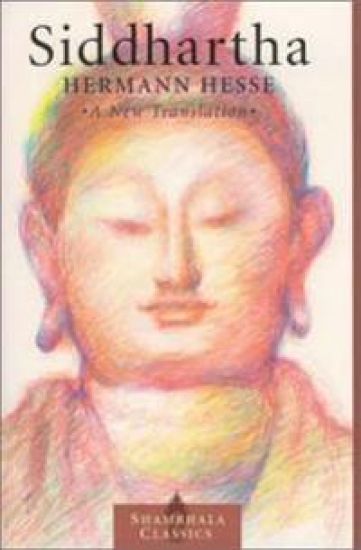
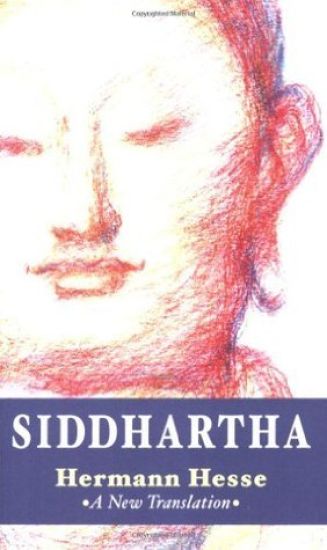
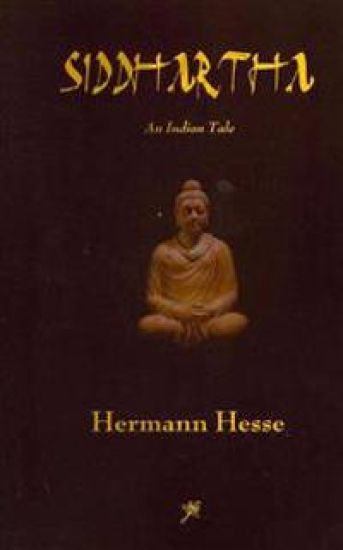
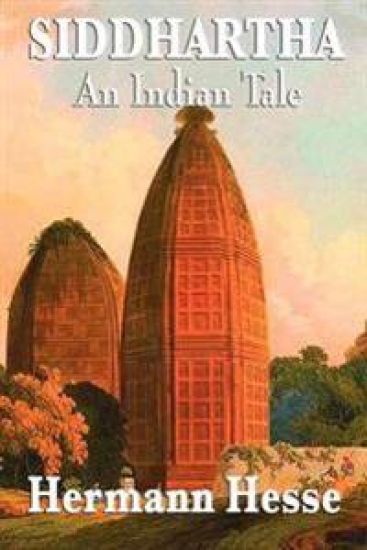
This classic of twentieth-century literature chronicles the spiritual evolution of a man living in India at the time of the Buddha a spiritual journey that has inspired generations of readers. Here is a fresh translation from Sherab Chodzin Kohn, a gifted translator and longtime student of Buddhism and Eastern philosophy. Kohn's flowing, poetic translation conveys the philosophical and spiritual nuances of Hesse's text, paying special attention to the qualities of meditation experience. This edition also includes an introduction exploring Hesse's own spiritual journey as evidenced in his journals and personal letters."
Follow Siddhartha on a journey toward peace and enlightenment in this vibrantly illustrated hardcover edition of Herman Hesse’s lyrical masterwork.Set in ancient Nepal, Siddhartha rediscovers the illumination gained through travel, meditation, and the teachings of the Buddha. Join the young Brahmin in his quest for reality as he explores themes of enlightenment and self-discovery. This stunning edition brings renewed brilliance to Herman Hesse’s classic novel Siddhartha with:A display-worthy cover featuring debossing and foil accentsSumptuous chapter openers, each boasting a full-color illustration surrounded by meditative patternsDecorative flourishes on each page cornerIntricately illustrated pull quotes throughout the bookCombined with the original text from the US publication in 1951, these elements enhance Hesse’s poetic vision, invigorating the mind and senses. This elegantly designed keepsake edition is an inspiring addition to any bookshelf.
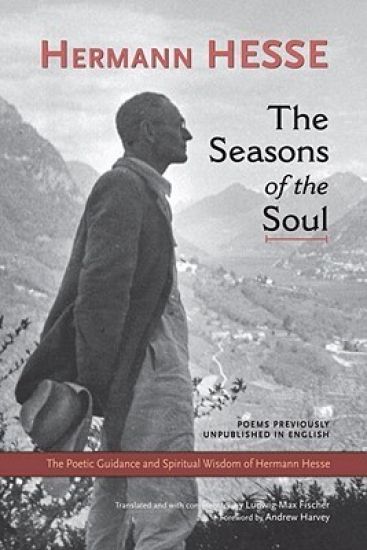
Vowing at an early age "to be a poet or nothing at all," Hermann Hesse rebelled against formal education, focusing on a rigorous program of independent study that included literature, philosophy, art, and history. One result of these efforts was a series of novels that became counterculture bibles that remain widely influential today. Another was a body of evocative spiritual poetry. Published for the first time in English, these vivid, probing short works reflect deeply on the challenges of life and provide a spiritual solace that transcends specific denominational hymns, prayers, and rituals. The Seasons of the Soul offers valuable guidance in poetic form for those longing for a more meaningful life, seeking a sense of homecoming in nature, in each stage of life, in a renewed relationship with the divine. Extensive quotations from his prose introduce each theme addressed in the book: love, imagination, nature, the divine, and the passage of time. A foreword by Andrew Harvey reintroduces us to a figure about whom some may have believed everything had already been said. Thoughtful commentary throughout from translator Ludwig Max Fischer helps readers understand the poems within the context of Hesse's life.
One America's Favorite Books, PBS's The Great American Read Nobel Prize-winning author: This classic of 20th-century literature chronicles the spiritual evolution of a man living in India at the time of the Buddha--a tale that has inspired generations of readers Here is a fresh translation of the classic Herman Hesse novel, from Sherab Ch dzin Kohn--a gifted translator and longtime student of Buddhism and Eastern philosophy. Kohn invites readers along Siddhartha's spiritual journey--experiencing his highs and lows, loves and disappointments along the way. We first meet Siddhartha as a privileged brahmin's son. Handsome, well-loved, and growing increasingly dissatisfied with the life expected of him, he then sets out on his journey, not realizing that he is fulfilling the prophesies proclaimed at his birth. Siddhartha blends in with the world, showing the reader the beauty and intricacies of the mind, nature, and his experiences on the path to enlightenment. Sherab Ch dzin Kohn's flowing, poetic translation conveys the philosophical and spiritual nuances of Hesse's text, paying special attention to the qualities of meditative experience. Also included is an extensive introduction by Paul W. Morris that discusses the impact Siddhartha has had on American culture.