Kirjojen hintavertailu. Mukana 12 232 986 kirjaa ja 12 kauppaa.

Kirjahaku

Etsi kirjoja tekijän nimen, kirjan nimen tai ISBN:n perusteella.

1000 tulosta hakusanalla Howard Fast

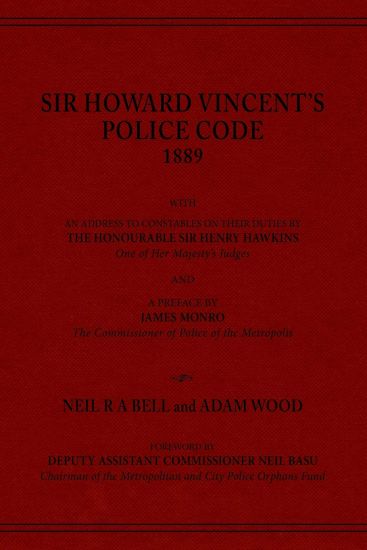
Howard Vincent's Police Code, 1889
Howard Vincent's Police Code, 1889 is a republishing of the famous guide for Metropolitan Police of the Victorian era, with an extensive introduction by Neil Bell and Adam Wood. The Police Code was compiled by Howard Vincent, Director of the CID, and first published in 1881. It was an invaluable resource to Metropolitan Police officers and was updated regularly over the next 50 years. The version being reprinted is for 1889, written in 1888 and in use by officers at the time of the Whitechapel murders. Over 200 pages, Howard Vincent carefully described in simple terms the legality of more than 900 incidents which might occur in the daily life of a police officer, from baby farming and wandering lunatics to illegal burials and the identification of prisoners. Originally, a share of proceeds from sales were donated to the Metropolitan and City Police Orphanage, and we are proud to announce that we will continue this tradition by donating an equal share of profits to the Metropolitan and City Police Orphans Fund - every copy sold therefore contributes to the Orphans Fund.
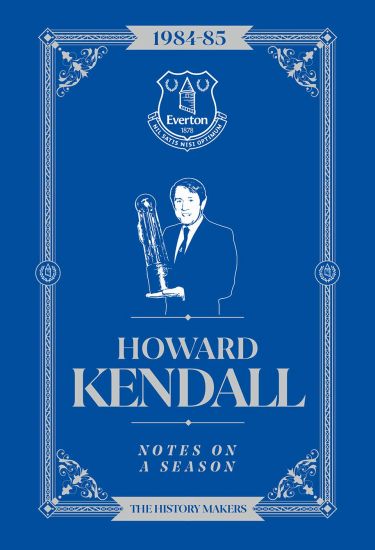
Howard Kendall: Notes On A Season

Howard Kendall: Notes On A Season

Howard Kendall

Reach plc
2020
sidottu
Howard Kendall: Notes on a Season provides a unique and rich insight into the legendary manager's historic season of 1984-85. Compiled from the matchday programme notes, Kendall takes us through a campaign that included a league double over Liverpool, an epic 5-0 v Manchester United and Cup Winners' Cup against Bayern Munich.
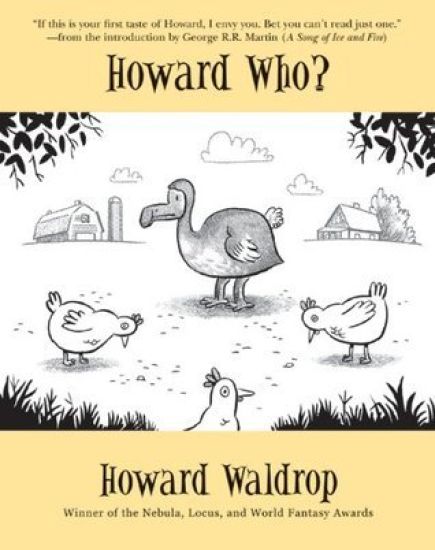
Howard Who?

Howard Who?

Howard Waldrop

Big Mouth House
2006
pokkari
"If this is your first taste of Howard, I envy you."-From the Introduction by George R.R. Martin Acclaimed cult author Waldrop's stories are sophisticated, magical recombinations of the stuff our pop-culture dreams are made of. Open this book and encounter jazz singers, robotic cartoon ducks, nosferatu, angry gorillas, and, of course, the dodo. The first paperback (and twentieth anniversary) edition of a landmark debut collection. Waldrop's capacious, encyclopedic knowledge of superheroes, baseball players, world wars, long-dead film stars, Mexican wrestlers, pulp serials, and fairy tales is put to good use in these sophisticated re-combinations of oddball television shows, radio plays, scientific expeditions, extinct species, knock-knock jokes, and questions like these: * What if the dodo wasn't extinct after all? * What if sumo wrestlers could defeat their opponents with the power of the mind? * What if Izaak Walton and John Bunyan went fishing for Leviathan in the Slough of Despond? Never published in paperback, long out of print, and extremely collectible, Howard Who? was Waldrop's seminal debut collection. If you haven't read Waldrop before, you're in for a treat. "The best Waldrops tend to mix the humorous and wistful...Italo Calvino once said that he was "known as an author who changes greatly from one book to the next. And in these very changes you recognize him as himself." Much the same could be said of Howard Waldrop. You never know what he'll come up with next, but somehow it's always a Waldrop story. Read the work of this wonderful writer, a man who has devoted his life to his art -- and to fishing." -Michael Dirda, Washington Post "A charming collection." -Los Angeles Times "Back in print after so many years, Howard Who? remains a terrific collection of short stories. There is nobody else alive writing stories as magnificently strange, deliriously inventive, and utterly wonderful as Howard Waldrop." -Metrobeat Table of Contents Introduction by George R. R. Martin. The Ugly Chickens Der Untergang des Abendlandesmenschen Ike at the Mike Dr. Hudson's Secret Gorilla ...the World, as we Know't Green Brother Mary Margaret Road-Grader "Save A Place in the Lifeboat for Me Horror, We Got Man-Mountain Gentian God's Hooks Heirs of the Perisphere Praise for Howard Waldrop: "Clever, humorous, idiosyncratic, oddball, personal, wild, and crazy. " -Library Journal "Wise and funny." -Publishers Weekly "An authentic master of gonzo sf and fantasy." -Booklist "Erudite and gonzo." -Science Fiction Weekly "Waldrop subtly mutates the past, extrapolating the changes into some of the most insightful, and frequently amusing, stories being written today, in or out of the science fiction genre." -The Houston Post/Sun "The man's a national treasure!" -Locus "The resident Weird Mind of his generation, he writes like a honkytonk angel." -Washington Post Book World About the Author: Howard Waldrop, born in Mississippi and now living in Austin, Texas, is an American iconoclast. His highly original books include Them Bones and A Dozen Tough Jobs, and the collections All About Strange Monsters of the Recent Past, Night of the Cooters, and Going Home Again. He won the Nebula and World Fantasy Awards for his novelette "The Ugly Chickens."
Howard and Charles at the Factory
In this remarkably funny short novel, two aging men arrive at their old factory to wait for their jobs to come back, believing the promises of Donald Trump's campaign. In a pair of lawn chairs, they keep watch over the abandoned site, echoing the president's words and weathering the disorientation that follows, from visions of a dinosaur and a hovering UFO to the opportunistic violence of a white nationalist influencer. A swift meditation on the brute force of words, with all the comedy and urgency of Dave Housley's expert wit.
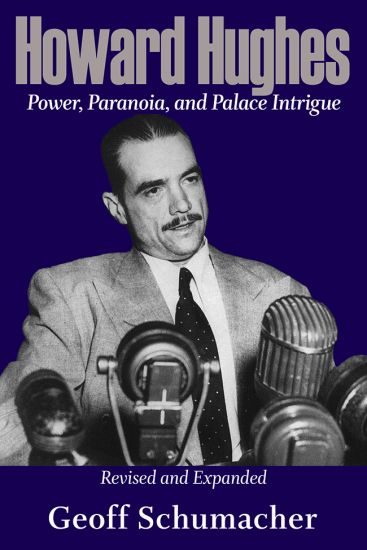
Howard Hughes

Howard Hughes

Geoff Schumacher

University of Nevada Press
2020
nidottu
This new revised and expanded edition of Howard Hughes chronicles the life and legacies of one of the most intriguing and accomplished Americans of the twentieth century. Hughes, born into wealth thanks to his father's innovative drill bit that transformed the oil industry, put his inheritance to work in multiple ways, from producing big-budget Hollywood movies to building the world's fastest and largest airplanes. He set air speed records and traveled around the world in record time, earning ticker-tape parades in three cities in 1938. Later, Hughes moved to Las Vegas and invested heavily in casinos. He bought seven resorts, in each case helping to loosen organized crime's grip on Nevada's lifeblood industry. Although the public viewed Hughes as a heroic and independent-minded trailblazer, behind closed doors he suffered from germ phobia, obsessive-compulsive disorder, and an addiction to painkillers. He became paranoid and reclusive, surrounding himself with a small cadre of loyal caretakers. As executives battled each other over his empire, Hughes' physical and mental health deteriorated to the point where he lost control of his business affairs. Based on in-depth interviews with individuals who knew and worked with Hughes, the book provides an insider's view of his final years and their aftermath, as well as a detailed assessment of his legacies and impact on popular culture.
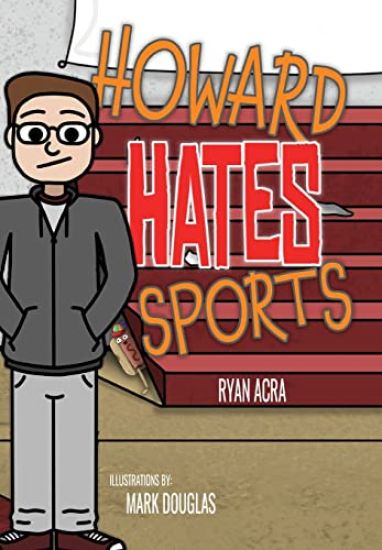
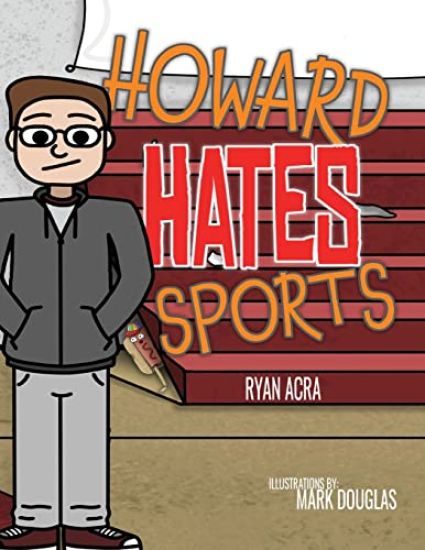
Howard Hates Sports

Howard Hates Sports

Ryan Acra

Get It Factory
2021
sidottu
Howard is the youngest member of his family. The rest of his family LOVES sports. It seems like every night, Howard gets dragged to some sporting event to watch his siblings play. Luckily, Howard doesn't watch, he heads down to the dark area underneath the bleachers to play games with all of his friends. Join Howard and friends like Half-Eaten Hot Dog, Lefty the Shoe, Nibbled Chicken Nugget, and more and decide for yourself if Howard Hates Sports.
Howard Hates Sports

Howard Hates Sports

Ryan Acra

Get It Factory
2021
pokkari
Howard is the youngest member of his family. The rest of his family loves sports. It seems like every night, Howard gets dragged to some sporting event to watch his siblings play. Luckily, Howard doesn't watch, he heads down to the dark area underneath the bleachers to play games with all of his friends. Join Howard and Friends like Half-Eaten Hot Dog, Lefty the Shoe, Nibbled Chicken Nugget, and more, then decide for yourself if Howard Hates Sports.
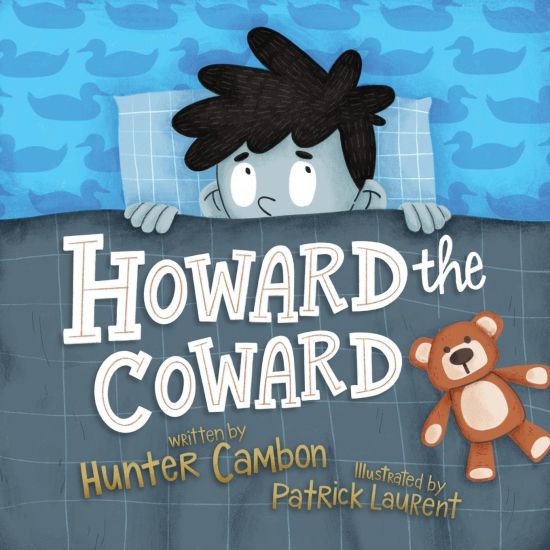
Howard the Coward

Howard the Coward

Hunter Cambon

Inspirebytes Omni Media LLC
2023
pokkari
When Howard the Coward wakes up in the middle of the night, he's parched. He desperately needs a glass of water, but that requires facing a gauntlet of scary things to make it to the kitchen. Even then, he's not safe as strange noises from outside send shivers down his spine.Written in rhyme and perfectly capturing an incredibly common childhood experience, author Hunter Cambon and illustrator Patrick Laurent bring Howard to life as he faces his fears one step at a time... eventually becoming Howard the Brave This book is sure to be an instant classic and beloved by children everywhere-especially those who desperately need a drink of water
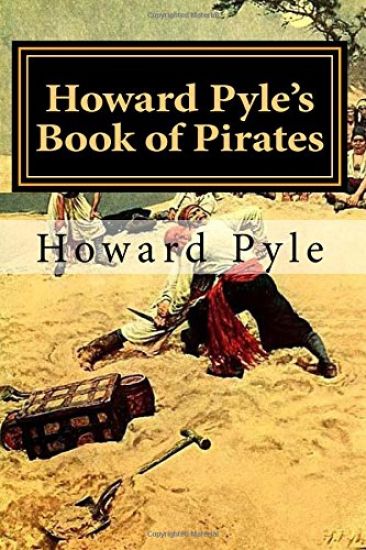
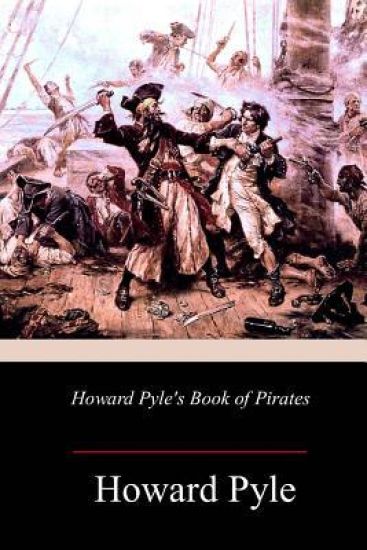
Howard Pyle's Book of Pirates

Howard Pyle's Book of Pirates

Howard Pyle

Createspace Independent Publishing Platform
2017
nidottu
Highly readable, magnificently illustrated tales recount the rip-roaring adventures of swashbuckling pirates and buccaneers of the Spanish Main. Includes "The Ghost of Captain Brand," "Tom Chist and the Treasure Box," "Jack Ballister's Fortunes," "The Ruby of Kishmoor," and other tales. Enhanced with 63 of the author's own illustrations, including 11 full-color plates.
Howard Schultz: A Biography of the Starbucks Billionaire

Howard Schultz: A Biography of the Starbucks Billionaire

James Perry

Createspace Independent Publishing Platform
2018
nidottu
After graduating, Schultz worked as a salesman for Xerox Corporation and was quickly promoted to a full sales representative. In 1979 he became a general manager for Swedish drip coffee maker manufacturer, Hammarplast, where he became responsible for their U.S. operations with a staff of twenty. In 1981, Schultz visited a client of Hammarplast, a fledgling coffee-bean shop called Starbucks Coffee Company in Seattle, curious as to why it ordered so many plastic cone filters. He was impressed with the company's knowledge of coffee and kept in contact over the next year, expressing interest in working with them. A year later, he joined Starbucks as the Director of Marketing. On a buying trip to Milan, Italy, for Starbucks, Schultz noted that coffee bars existed on practically every street. He learned that they not only served excellent espresso, they also served as meeting places or public squares; the 200,000 caf s in the country were an important element of Italian culture and society. On his return, he tried to persuade the owners (including Jerry Baldwin) to offer traditional espresso beverages in addition to the whole bean coffee, leaf teas and spices they had long offered. After a successful pilot of the cafe concept, the owners refused to roll it out company-wide, saying they did not want to get into the restaurant business. Frustrated, Schultz decided to leave Starbucks in 1985. He needed $400,000 to open the first store and start the business. He simply did not have the money and his wife was pregnant with their first baby. Jerry Baldwin and Gordon Bowker offered to help. Schultz also received $100,000 from a doctor who was impressed by Schultz's energy to "take a gamble". By 1986, he raised all the money he needed to open the first store, "Il Giornale", named after the Milanese newspaper of the same name. The store offered ice cream in addition to coffee, had little seating, and played opera music in the background to portray an Italian experience. Two years later, the original Starbucks management decided to focus on Peet's Coffee & Tea and sold its Starbucks retail unit to Schultz and Il Giornale for US$3.8 million. Schultz renamed Il Giornale with the Starbucks name, and aggressively expanded its reach across the United States. Schultz's keen insight in real estate and his hard-line focus on growth drove him to expand the company rapidly. Schultz did not believe in franchising, and made a point of having Starbucks retain ownership of every domestic outlet.
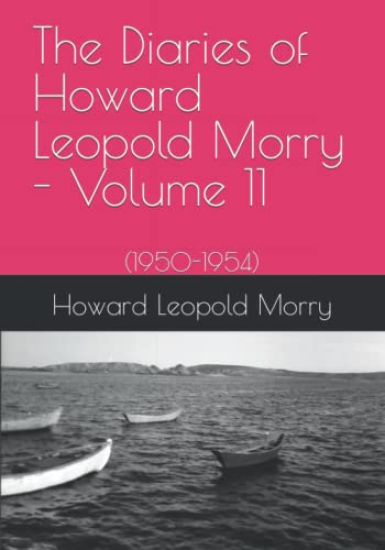
The Diaries of Howard Leopold Morry - Volume 11

The Diaries of Howard Leopold Morry - Volume 11

Howard Leopold Morry

Avalonia and Hibernia Enterprises
2022
pokkari
This book represents the eleventh volume of what will ultimately be twenty-five volumes in a series of verbatim transcripts of the diaries of Howard Leopold Morry, written by him starting in 1939 and concluding with the last known volume in 1965. Howard was a raconteur and oral historian cast in the same mould as dozens of other men and women in Newfoundland in those days who carried forward the history of the small outport villages in which they lived. In many cases, their knowledge, gained by word of mouth from generation to generation, is our only record of the events that took place in these tiny villages for many decades and even centuries. The first four volumes in this series together constituted a serialised version of Howard's life story in four parts. The current volume is more similar to volumes 5. The diary that volume transcribed was more of a traditional daily diary, with day by day observations on current events, the weather, the fishery, births, marriages and deaths, and normal and unusual occurrences. But it also included some reminiscences of Howard's earlier life and stories he had told to him by his elders concerning significant historical events and life in Ferryland in the years before his birth. Now in this eleventh volume we see Howard following the same methodology in his diary writing, but his subject matter is quite different. The diary covers a relatively length period, as was the case for Volume 5, between January 30 1950 and June 21 1954, a period during which Howard was now more of a village elder and no longer in charge of the Morry fish business in Ferryland, though he kept his hand in by provisioning his own cod trap crew each year and personally managing his own salmon nets. He also continued his roles, though to a lesser extent than previously, as a small scale farmer and livestock owner. He turned 65 the month after he started writing this diary and was over 69 when it was completed, so there is only so much physical work a man of those years can be expected to do. Howard's eldest son, Bill, has taken on the lion's share of responsibility for the Morry fish business, having taken over and improved the fish plant which was begun by his brother Reg just after the war. In addition, he is now taking on the kinds of quasi-governmental perks and duties that Howard himself had previously enjoyed. For reasons sometimes explained by Howard, and sometimes not, there are several short term and long term (in some cases for almost a year) lapses in the writing of this diary. In addition, some entries are made in empty spaces in the diary and not in strict chronological sequence. These can lead to some confusion at times. The two largest gaps are from August 17, 1951 to June 1, 1952 and September 8, 1953 to March 5, 1954. These periods were more than likely covered in other diaries that have since been lost. By far the most important element of this diary comes toward the end, when Howard becomes contemplative and tells stories and anecdotes of his and Ferryland's past. As in previous volumes, in order to provide readers not familiar with the "cast of characters" or the local and international historical events mentioned in the pages of the diary a clue to their identity, an extensive set of endnotes has been provided as an assistance in reading and fully understanding the context of the diary.
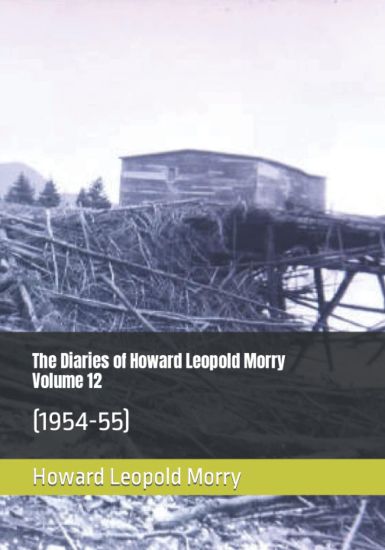
The Diaries of Howard Leopold Morry - Volume 12

The Diaries of Howard Leopold Morry - Volume 12

Howard Leopold Morry

Avalonia Hibernia Enterprises
2022
pokkari
This book represents the twelfth volume of what will ultimately be twenty-five volumes in a series of verbatim transcripts of the diaries of Howard Leopold Morry, written by him starting in 1939 and concluding with the last known volume in 1965. Howard was a raconteur and oral historian cast in the same mould as dozens of other men and women in Newfoundland in those days who carried forward the history of the small outport villages in which they lived. In many cases, their knowledge, gained by word of mouth from generation to generation, is our only record of the events that took place in these tiny villages for many decades and even centuries. Howard was 54 years old when he took up pen or pencil to write the first of his many diaries in December 1939. What motivated him at that time was the belief (wrong, as it fortunately turned out) that he would not live much longer, as a result of a bad heart condition resulting from diseases he endured during his time in the trenches in Gallipoli, on the Somme and in Ypres during WWI. He was worried, and in this he was justified, that many of the stories of the old days that he faithfully retained would be lost forever if he did not record them in writing. The younger generation even then had lost interest in such things and the race of community oral historians of which he was one was coming to an end. The first four volumes in this series together constituted a serialised version of Howard's life story in four parts. The current volume is more of a traditional daily diary, with day by day observations on current events, the weather, the fishery, births, marriages and deaths, and normal and unusual occurrences. But it also includes some reminiscences of Howard's earlier life and stories he had told to him by his elders concerning significant historical events and life in Ferryland in the years before his birth. Now in this twelfth volume we see Howard approaching his 70th birthday, a milestone he never believed he would reach. The diary covers a relatively brief period between June 22, 1954 and March 11 1955, a period during which Howard was now more of a village elder and no longer in charge of the Morry fish business in Ferryland. Indeed, during the 1954 fishing season he has not outfitted his own cod trap crew for possibly the first year since he returned from his service in WWI. To a reduced extent, he has continued functioning as a small scale farmer and livestock owner and also continues his work harvesting wood from the surrounding woods and groves for a variety of purposes. At the age of 69 there is only so much physical work a man of those years can be expected to do. By far the most important element of this diary comes toward the end, when Howard becomes contemplative and tells stories and anecdotes of his and Ferryland's past. But there is also information on a devastating storm combined with higher than normal tides in mid-January 1955 that destroyed most of the fishermen's waterside premises in Ferryland and that barely attracted any attention in the rest of Newfoundland at the time, let alone in the history books. As in previous volumes, in order to provide readers not familiar with the "cast of characters" or the local and international historical events mentioned in the pages of the diary a clue to their identity, an extensive set of endnotes has been provided as an assistance in reading and fully understanding the context of the diary.
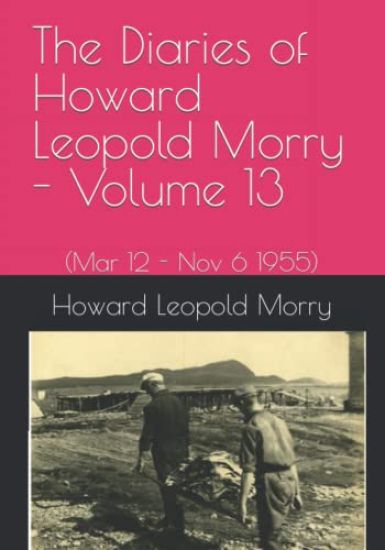
The Diaries of Howard Leopold Morry - Volume 13

The Diaries of Howard Leopold Morry - Volume 13

Howard Leopold Morry

Avalonia and Hibernia Enterprises
2022
pokkari
This book represents the thirteenth volume of what will ultimately be twenty-five volumes in a series of verbatim transcripts of the diaries of Howard Leopold Morry, written by him starting in 1939 and concluding with the last known volume in 1965. Howard was a raconteur and oral historian cast in the same mould as dozens of other men and women in Newfoundland in those days who carried forward the history of the small outport villages in which they lived. In many cases, their knowledge, gained by word of mouth from generation to generation, is our only record of the events that took place in these tiny villages for many decades and even centuries. Howard was 54 years old when he took up pen or pencil to write the first of his many diaries in December 1939. What motivated him at that time was the belief (wrong, as it fortunately turned out) that he would not live much longer, as a result of a bad heart condition resulting from diseases he endured during his time in the trenches in Gallipoli, on the Somme and in Ypres during WWI. He was worried, and in this he was justified, that many of the stories of the old days that he faithfully retained would be lost forever if he did not record them in writing. The younger generation even then had lost interest in such things and the race of community oral historians of which he was one was coming to an end. The twenty five volumes in this series differ in composition between two diary formats: the first format is that of an unbroken narrative of events in the life of the author, Howard Leopold Morry, or of the history of the community in which he was born and raised, Ferryland, Newfoundland; the second format is that of a conventional daily diary reporting on events of the day, including the weather and sea conditions, the ups and downs in the fishery, births, marriages and deaths of family, friends and neighbours, and newsworthy events at the local, national and international level. None of the 25 volumes are actually all of one format or the other. They all contain a larger or smaller component of each form of diary. The current volume is more of a traditional daily diary. But it also includes some reminiscences of Howard's earlier life and stories he had told to him by his elders concerning significant historical events and life in Ferryland in the years before his birth. In this twelfth volume we see Howard as he turns 70, a milestone he never believed he would reach. The diary covers a relatively brief period between March 12 and November 6 1955. At this time in his life Howard finds himself as a sort of village elder, though not with the degree of respect that such elders commanded in the past. He is no longer in charge of the Morry fish business in Ferryland. By far the most interesting element of this diary comes toward the end, when Howard becomes contemplative and tells stories and anecdotes of his and Ferryland's past. As in previous volumes, in order to provide readers not familiar with the "cast of characters" or the local and international historical events mentioned in the pages of the diary a clue to their identity, an extensive set of endnotes has been provided as an assistance in reading and fully understanding the context of the diary.
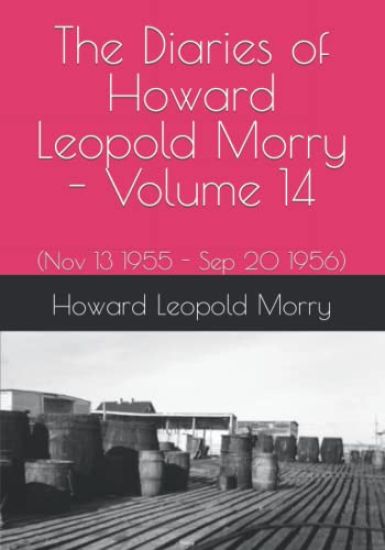
The Diaries of Howard Leopold Morry - Volume 14

The Diaries of Howard Leopold Morry - Volume 14

Howard Leopold Morry

Avalonia and Hibernia Enterprises
2022
pokkari
This book represents the fourteenth volume of what will ultimately be twenty-five volumes in a series of verbatim transcripts of the diaries of Howard Leopold Morry, written by him starting in 1939 and concluding with the last known volume in 1965. Howard was a raconteur and oral historian cast in the same mould as dozens of other men and women in Newfoundland in those days who carried forward the history of the small outport villages in which they lived. In many cases, their knowledge, gained by word of mouth from generation to generation, is our only record of the events that took place in these tiny villages for many decades and even centuries. In his diaries, he spoke of his own personal experiences, at home in his youth and in his later years, his adventures in western Canada as a young man, and overseas with the Royal Newfoundland Regiment in WWI. But he also recorded observations on the significant and insignificant (to most historians) events of daily life in a small outport village on the Southern Shore of Newfoundland in the early to mid-1900s. And he also recounted events from the history of his village as passed down to him by earlier generations of oral historians. The twenty five volumes in this series differ in composition between two diary formats: the first format is that of an unbroken narrative of events in the life of the author, Howard Leopold Morry, or of the history of the community in which he was born and raised, Ferryland, Newfoundland; the second format is that of a conventional daily diary reporting on events of the day, including the weather and sea conditions, the ups and downs in the fishery, births, marriages and deaths of family, friends and neighbours, and newsworthy events at the local, national and international level. None of the 25 volumes are actually all of one format or the other. They all contain a larger or smaller component of each form of diary. The current volume is more of a traditional daily diary. But it also includes some reminiscences of Howard's earlier life. More than in earlier diaries, he also gives lengthy commentary on the changing lifestyles of the people of Newfoundland. In this Fourteenth volume, the diary transcribed covers a relatively brief period between November 13 1955 and September 20 1956. At this time in his life, Howard finds himself feeling his age for perhaps the first time, and experiencing more and more the aches and pains of old age. He is no longer in charge of the Morry fish business in Ferryland. In 1954, he ceased to outfit his own cod trap crew for possibly the first year since he returned from his service in WWI. But he keeps his hand in by managing his own salmon nets. Howard's eldest son, Bill, has taken on the lion's share of responsibility for the Morry fish business. He has also begun to outfit a trap crew as Howard once did. And, he is branching out into a new seasonal trade as a coal merchant to keep employed after the fishing season is over. Finally, for the first time in over 100 years, Bill has begun to export Morry salt fish to Spain and Italy. By far the most interesting element of this diary comes toward the end, when Howard becomes contemplative and tells stories and anecdotes of his and Ferryland's past and provides social commentary on the changes that have taken place in his lifetime - the good and the bad. As in previous volumes, in order to provide readers not familiar with the "cast of characters" or the local and international historical events mentioned in the pages of the diary a clue to their identity, an extensive set of endnotes has been provided as an assistance in reading and fully understanding the context of the diary.
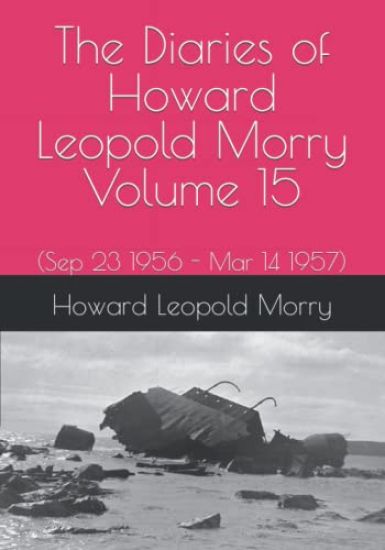
The Diaries of Howard Leopold Morry - Volume 15

The Diaries of Howard Leopold Morry - Volume 15

Howard Leopold Morry

Avalonia Hibernia Enterprises
2022
pokkari
This book represents the fifteenth volume of what will ultimately be twenty-five volumes in a series of verbatim transcripts of the diaries of Howard Leopold Morry, written by him starting in 1939 and concluding with the last known volume in 1965. Howard was a raconteur and oral historian cast in the same mould as dozens of other men and women in Newfoundland in those days who carried forward the history of the small outport villages in which they lived. In many cases, their knowledge, gained by word of mouth from generation to generation, is our only record of the events that took place in these tiny villages for many decades and even centuries. The twenty five volumes in this series differ in composition between two diary formats: the first format is that of an unbroken narrative of events in the life of the author, Howard Leopold Morry, or of the history of the community in which he was born and raised, Ferryland, Newfoundland; the second format is that of a conventional daily diary reporting on events of the day, including the weather and sea conditions, the ups and downs in the fishery, births, marriages and deaths of family, friends and neighbours, and newsworthy events at the local, national and international level. None of the 25 volumes are actually all of one format or the other. They all contain a larger or smaller component of each form of diary. The current volume is almost equally divided between these two forms of diary. And as an added bonus, there are several loose pages on the early history of the Morrys of Ferryland. Caution must be observed in this regard as some of the information rates more as family lore than a true history. In this Fifteenth volume, the diary transcribed covers a relatively brief period between September 23 1956 and March 14 1957. At this time in his life, Howard finds himself feeling his age for perhaps the first time, and experiencing more and more the aches and pains of old age. He is no longer in charge of the Morry fish business in Ferryland. In 1954, he ceased to outfit his own cod trap crew for possibly the first year since he returned from his service in WWI. But he keeps his hand in by managing his own salmon nets. Howard's eldest son, Bill, has taken on the lion's share of responsibility for the Morry fish business, having taken over and improved the fish plant which was begun by his brother Reg just after the war. He has also begun to outfit a trap crew as Howard once did. In addition, he is now taking on the kinds of quasi-governmental perks and duties that Howard himself had previously enjoyed. He had earlier experimented with new seasonal trades, such as acting as a coal merchant but seems to have abandoned this. He is now concentration on the primary role of the fish plant which is, for the first time in over 100 years, shipping salt fish to Spain, Italy, the Caribbean and the USA. Howard is heavily invested in the successes and failures of these ventures but plays no part in them himself. Howard has continued functioning as a small scale farmer and livestock owner and also continues his work harvesting wood from the surrounding woods and groves for a variety of purposes. But his age and increasingly limited mobility has reduced his efforts in these area. By far the most interesting element of this diary, as in several of the earlier diaries since Howard has reached his 70s, is the rich store of stories and anecdotes of his and Ferryland's past. As in previous volumes, in order to provide readers not familiar with the "cast of characters" or the local and international historical events mentioned in the pages of the diary a clue to their identity, an extensive set of endnotes has been provided as an assistance in reading and fully understanding the context of the diary.