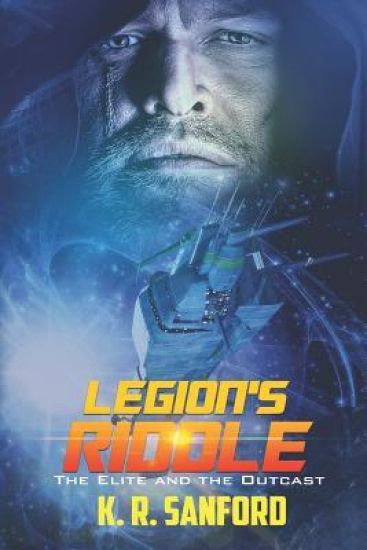
In this cinematic sensation, LEGION'S RIDDLE explores an energy disruption in the multiverse. Guided by the solitary code of an alien race, Earth's Interstellar Forces joins the Emperor Legion on a routine rescue mission. Under attack by a mysterious enemy, the Starship Eagle travels through the Wormhole of the Amedans. Their mission: open a gateway to a dying Galaxy. Will the rescue team escape nature's most brutal enemy? Can they save the remnant of a lost civilization? War is coming, and Time is running out . . .
This monograph offers a new interpretation to the mysterious identity of the Melchizedek who met Abraham in Genesis 14: 18-20. The interpretation is far reaching and provides a new understanding of many scattered Scriptures. The postulations are made in easy-to-read style and was prompted by questions which followed one of his lectures.
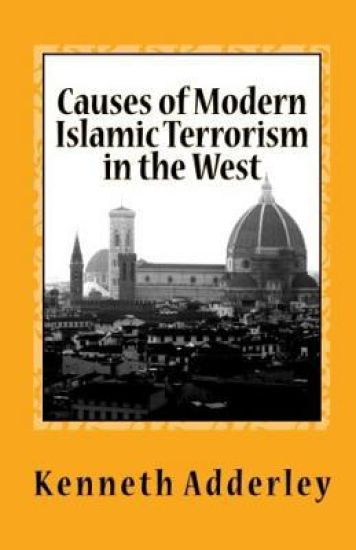
While Americans are now being taught to say "Radical Islamic Terrorism" for just about every violent act in the West, the majority of University Freshmen are still confused as to the historical background of the modern Palestinian-Israeli Conflict. Most of them do not even know that Moses, the founder of Israel, was ordered by YHWH to give the first-born son of Abraham his rightful inheritance, which is " a double portion" of the Land. This monograph fulfills a promise made by a history teacher to a class of thirty-one freshmen four weeks after the Bombing of the World Trade Center. This monograph, written by a Christian professor who has been for decades a member of the Association of Christians and Jews, gives several legitimate reasons why ordinary peace-loving Muslims the world over may desire redress for Palestinians who still live in muddy camps after 70 years. The book also demonstrates that Zionists such as Leo Trepp and Chaim Weizmann did make moves to sympathize with the plight of the Palestinians.
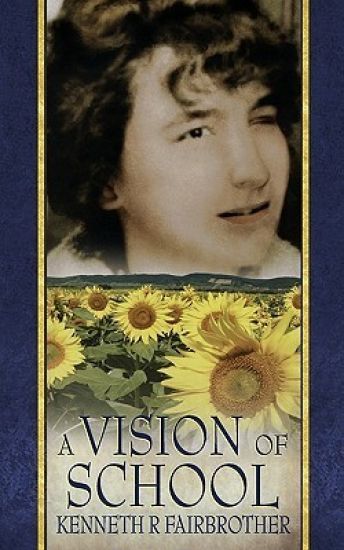
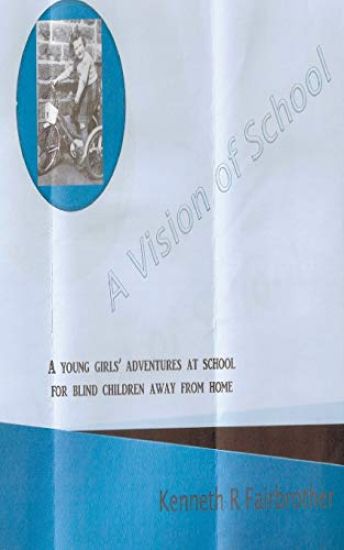
Mary Abbot's early life was, as the author says, fraught with all sorts of disadvantages, which she laugh off cheerfully. A baby boomer from working-class Lancaster, Mary was born different: she was blind in one eye and partially sighted in the other. In the early 1950s, aged just four, she was packed off to a special boarding school in Devon.Her resilience and good humour, as she progressed from school to school, forming friendships, getting into scrapes, discovering boys and reaching out into the world of work, are recorded here in her own pithy words. How she survived both a painful operation on her feet and her mother's departure with a fancy man are signs of her determination. She grew up, married and became a mother, found work and fund-raised for the RNIB, and finally married the author. He has dedicated her inspirational story to 'her beautiful memory'. Mary is no longer with us, but these vivid words of hers will ensure she stays in our thoughts.Kenneth R Fairbrother was born in 1951 in Ashton-under-Lyne. He started working life in heavy engineering, married and raised two sons. After divorcing, he married Mary and they lived in Stalybridge until her passing. Since then he has remarried and now lives in cornwall with his wife. This is where he set down this account, written mainly by Mary.
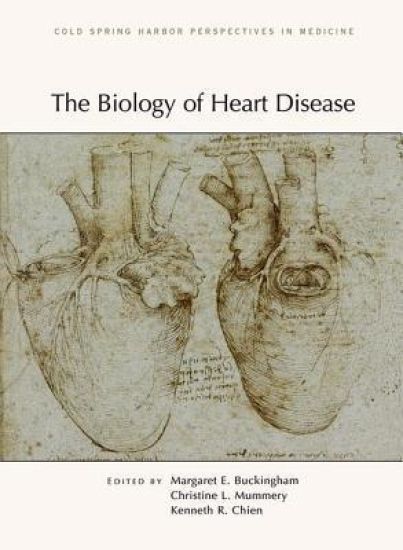
The heart is the first organ to form in a developing embryo, and all subsequent life processes depend on its proper function. But a range of genetic and environmental factors can lead to its failure. Inherited mutations give rise to congenital heart disease, the most common birth defect, and abnormalities of the adult heart are a leading cause of illness and death in industrialized countries. Written and edited by experts in the field, this collection from Cold Spring Harbor Perspectives in Medicine describes how recent advances in genetics, stem cell biology, and developmental biology are transforming the way we understand and treat heart disease. Contributors review the various cell lineages and molecular networks involved in heart development; the genetic basis of inherited cardiac conditions such as congenital heart disease, cardiomyopathies, and aortic aneurysm; and how various cutting-edge technologies and models are being employed to study heart biology, uncover disease-related processes, and identify therapeutic targets. Topics include tissue engineering, genome editing, stem cells, cardiomyocyte reprogramming, chemically modified RNA, and next-generation DNA sequencing. The authors also consider the process of drug discovery and development, and the potential for patient-specific treatments and therapies. This volume is a valuable reference for cardiologists, geneticists, and cell and developmental biologists interested in this complex, vital organ and the future of cardiovascular medicine.
This third edition of HIMSS' award-winning, bestseller explores how clinicians, patients, and health IT stakeholders are collaborating to support high-value care through health IT. Medical Informatics: An Executive Primer continues to explore information technologies applied in hospital settings, at the physician's office and in patients' homes to provide high-value patient care. Developed for healthcare executives, the book looks at how clinicians, patients and health IT stakeholders are collaborating on a 'team-based,' IT-enabled approach to healthcare.The book's authors offer provider success stories on utilizing health IT-such as EHRs, clinical decision support, telehealth and electronic quality measure reporting to transform healthcare, while addressing health IT usability, interoperability, privacy and security concerns and meeting federal regulations. New to this edition are chapters focused on how health IT innovations, mobile technologies and personal digital tools are demonstrating the value of health IT. Medical Informatics also explores successful EHR implementations by organizations recognized with the HIMSS Nicholas E. Davies Award of Excellence, through case studies focused on patient engagement, population management, clinical and business intelligence, health information exchange and patient readmission prevention.
A comprehensive and practical four volume set to support the understanding of all phases of a Veterinary Patient Safety Program for practitioners of all skill levels. The book is designed for use as an academic textbook as well as a practical reference for practices of all sizes.Volume I - Building a Strong Patient Safety ProgramSection 1: Foundations Section 2: Proven Tools and Methods to Prevent Errors Volume II - Capturing and Managing Patient Safety DataSection 3: Recognizing and Capturing your Patient Safety Events Section 4: Screening and Immediate Response to Patient Safety EventsSection 5: Categorizing Events Volume III - Identifying and Understanding Organizational Patient Safety ContributorsSection 6: Identifying Organizational Patient Safety ProblemsSection 7: Understanding Why Organizational Problems Happen Volume IV - Implementing Patient Safety ImprovementsSection 8: Implementing Effective ActionsSection 9: Delivering the Benefits
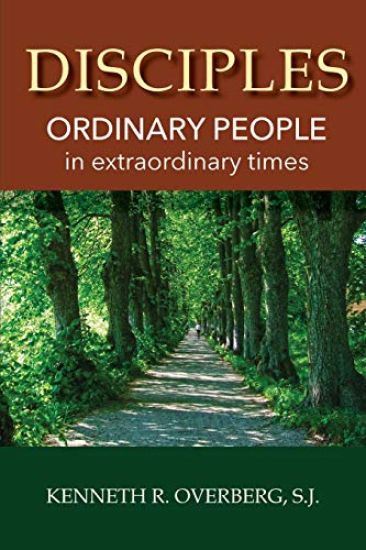
Disciples develops various aspects of the moral-spiritual life, the life of discipleship, in the midst of the blessings and challenges of everyday lives. Blessings include the wisdom of the scriptures, the grace of Eucharistic celebrations, and areas of renewal begun in Vatican II. Challenges include relativism, indifference, poverty, sickness.
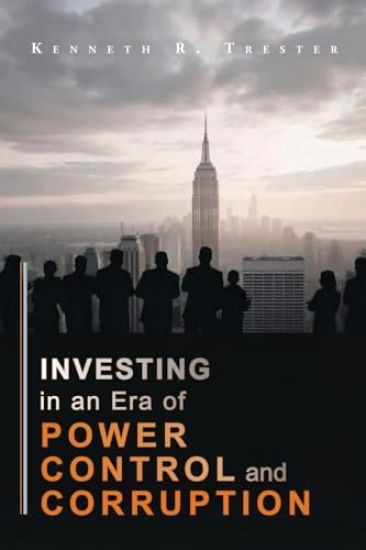
This book discovers the secrets of investing using options in a corrupt system and market where you can invest only $10 to make thousands of dollars and make pays that will pay off 85 percent of the time.
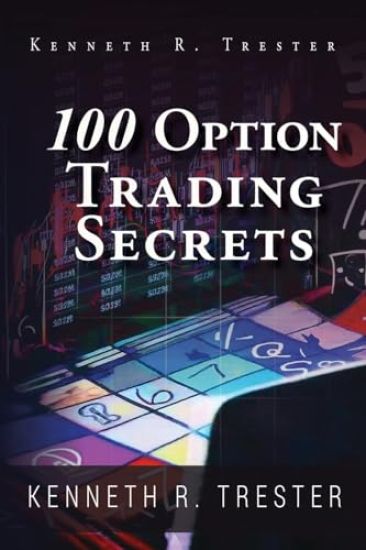
Why options? Options are that rare investment that meets theneeds of both the speculator and the conservative investor. Optionscan provide lottery-like returns of more than 10,000% and you canenter this game for a small price tag. Options can provide the investorwith important insurance not available anywhere else, and options canprovide a lot more income to your portfolio.But, what I like best about options is that you can mathematicallymeasure the true worth of an option - unlike stocks, bonds, gold, silver or other investments assets.
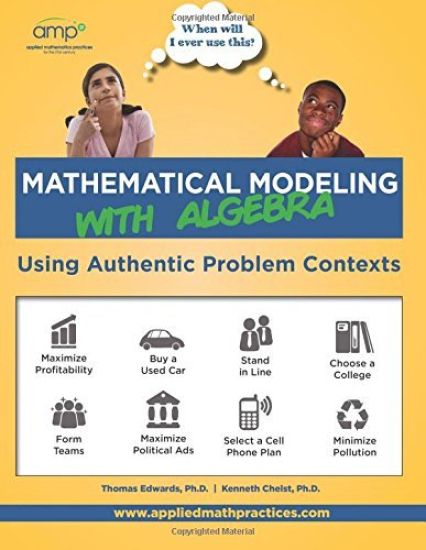
This book is all about solving authentic problems in real word contexts. The contexts have been chosen with two goals in mind: 1) To resonate with high school students' interests, and 2) to demonstrate the broad applicability of mathematics. Each context meets at least one of these goals, and some meet both goals. Embedded in each context is some sort of decision so that students are introduced to mathematics as a decision-making tool. The contexts are varied and include choosing the best wireless plan, optimizing production at a skateboard factory, minimizing the cost of reducing pollutants, scheduling workers in a pizzeria, choosing the right mix of colleges to apply to, and finding the best location for a disaster response facility. Throughout the book, students will be making sense of problems, persevering in their solution, mathematically modeling real-world contexts, using appropriate tools when necessary, and attending to the precision of results.