

Kirjahaku
Etsi kirjoja tekijän nimen, kirjan nimen tai ISBN:n perusteella.
1000 tulosta hakusanalla S. Zellinger
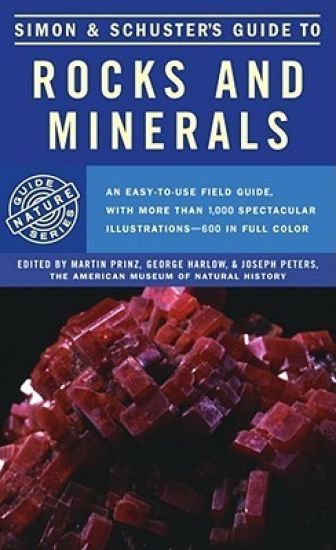
S & S Guide to Rocks and Minerals
Simon Schuster
1978
pokkari
Practical, concise, and easy to use, Simon & Schuster's Guide to Rocks and Minerals contains everything that the rock and mineral enthusiast needs to know. This field guide is divided into two large sections -- one devoted to minerals and one to rocks, each prefaced by a comprehensive introduction t
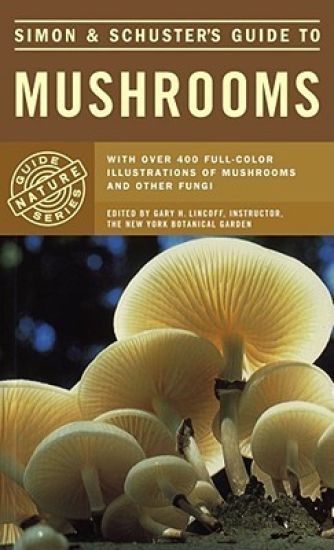
Simon & Schuster's Guide to Mushrooms is indispensable to anyone fascinated by mushrooms and other fungi. Lavishly illustrated, it contains detailed information about 420 types of mushrooms and other fungi found in the United States and Europe. The comprehensive introduction provides general information on the structure, reproduction, life cycles, classification, and distribution of the various species and describes the individual parts of the fungus as well. The entries describe the appearance, habitat, and geographic distribution of each species of fungi. The easy-to-use visual key provides each entry with immediately recognizable symbols that indicate spore color, ecological environment, and whether the species is edible or poisonous. A glossary and analytical index, plus an Index to Genera for locating particular subjects, help make this the most beautiful, valuable, and authoritative book in the field.

S??garaprakasa of Bhoja
HARVARD UNIVERSITY PRESS
2023
sidottu
This edition is based on new manuscripts of this important treatise on classical Sanskrit poetics. It was composed by the famous eleventh-century King Bhoja of Malwa (West India), a patron of traditional learning.The text has never received a complete critical edition. It is important not only because of the theoretical treatment of the erotic sentiment (s??gara) in classical Sanskrit texts. It is also a mine of quotations from extant and also from lost Sanskrit and Prakrit poetical texts.

S??garaprakasa of Bhoja
Harvard University Press
1999
sidottu
This edition is based on new manuscripts of this important treatise on classical Sanskrit poetics. It was composed by the famous eleventh-century King Bhoja of Malwa (West India), a patron of traditional learning.The text has never received a complete critical edition. It is important not only because of the theoretical treatment of the erotic sentiment (s??gara) in classical Sanskrit texts. It is also a mine of quotations from extant and also from lost Sanskrit and Prakrit poetical texts.

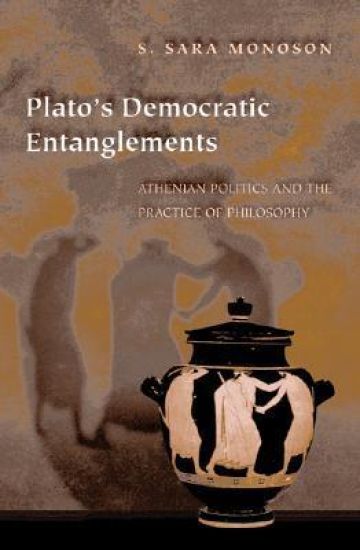
In this book, Sara Monoson challenges the longstanding and widely held view that Plato is a virulent opponent of all things democratic. She does not, however, offer in its place the equally mistaken idea that he is somehow a partisan of democracy. Instead, she argues that we should attend more closely to Plato's suggestion that democracy is horrifying and exciting, and she seeks to explain why he found it morally and politically intriguing. Monoson focuses on Plato's engagement with democracy as he knew it: a cluster of cultural practices that reach into private and public life, as well as a set of governing institutions. She proposes that while Plato charts tensions between the claims of democratic legitimacy and philosophical truth, he also exhibits a striking attraction to four practices central to Athenian democratic politics: intense antityrantism, frank speaking, public funeral oratory, and theater-going. By juxtaposing detailed examination of these aspects of Athenian democracy with analysis of the figurative language, dramatic structure, and arguments of the dialogues, she shows that Plato systematically links democratic ideals and activities to philosophic labor. Monoson finds that Plato's political thought exposes intimate connections between Athenian democratic politics and the practice of philosophy. Situating Plato's political thought in the context of the Athenian democratic imaginary, Monoson develops a new, textured way of thinking of the relationship between Plato's thought and the politics of his city.
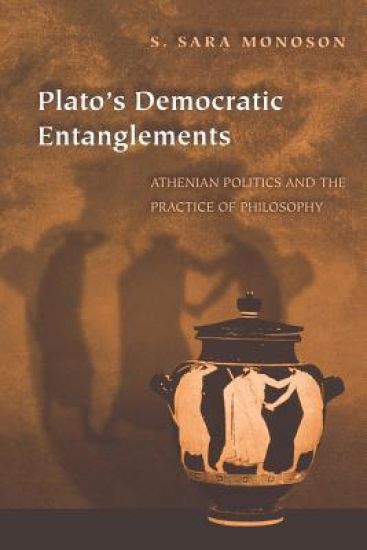
In this book, Sara Monoson challenges the longstanding and widely held view that Plato is a virulent opponent of all things democratic. She does not, however, offer in its place the equally mistaken idea that he is somehow a partisan of democracy. Instead, she argues that we should attend more closely to Plato's suggestion that democracy is horrifying and exciting, and she seeks to explain why he found it morally and politically intriguing. Monoson focuses on Plato's engagement with democracy as he knew it: a cluster of cultural practices that reach into private and public life, as well as a set of governing institutions. She proposes that while Plato charts tensions between the claims of democratic legitimacy and philosophical truth, he also exhibits a striking attraction to four practices central to Athenian democratic politics: intense antityrantism, frank speaking, public funeral oratory, and theater-going. By juxtaposing detailed examination of these aspects of Athenian democracy with analysis of the figurative language, dramatic structure, and arguments of the dialogues, she shows that Plato systematically links democratic ideals and activities to philosophic labor. Monoson finds that Plato's political thought exposes intimate connections between Athenian democratic politics and the practice of philosophy. Situating Plato's political thought in the context of the Athenian democratic imaginary, Monoson develops a new, textured way of thinking of the relationship between Plato's thought and the politics of his city.
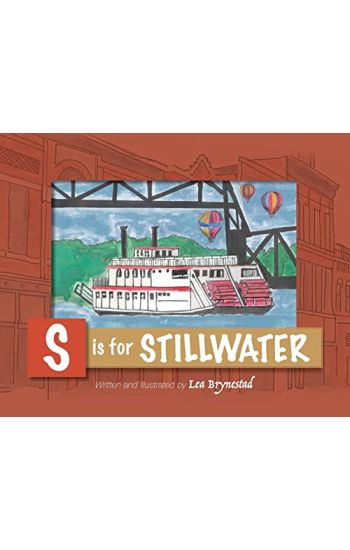
This is an A to Z picture book with 26 beautiful illustrations of Stillwater, Minnesota. Each illustration is a watercolor design, and depicts the history of Stillwater, from past to present. This 30 page book is used for children's learning or for an interesting table top reading material.
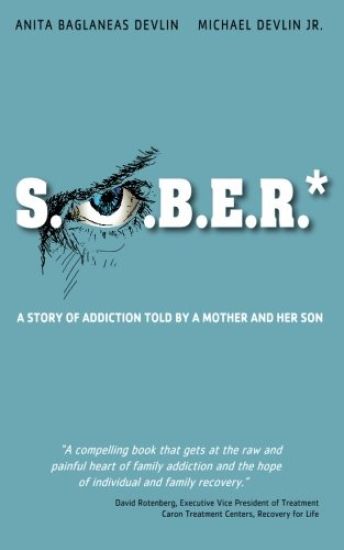
While laying in an empty bathtub in a Motel 6 in Vermont, Mike takes a handful of OxyContin and waits for the heart palpitations to kill him. As he starts to fade he reads a text on his phone, "Son, I love you and I need to know that you're OK." Struggling to understand why anyone would care about him because of his years of drug abuse, he responds, "Mom, no one can help me." Then, in a moment of clarity, he decides he wants there to be a tomorrow and to be a part of his family again. He makes the call for help to his mother; the call that saves his life. S.O.B.E.R.*, an acronym for "Son Of a Bitch Everything's Real" describes the moment Anita Devlin and her son Mike realize that denying his addiction to pain pills is destroying him. It is the defining moment when they commit to the courageous fight to get their lives back. This is when their family's road to recovery begins. S.O.B.E.R.* offers a rare glimpse at the daily, all consuming relationship between family and addiction, told simultaneously from a mother's view and an addict's perspective. Everyone thinks Mike has it all because he is a star varsity lacrosse player, does well in school and is popular with the girls. However, Mike feels completely alone on the inside. When sports related surgeries introduce him to the world of pain pills, he uses them to mask his insecurities and spirals downward. Once in treatment, he learns that drugs are the least of his problems. The real problem is his mind. The drugs aren't making his demons disappear, they are only masking them and burying them down deeper. Mike is confident that he can be sober but he is not convinced that he can be sober and happy. Anita thinks that being a mother gives her the right to negotiate with God for her child. She sits in church and pleads, "God, I don't care what happens to me, please just take care of my son." She lets go of everything that makes her strong until she has nothing to hold on to but fear. She is afraid of what will happen if she focuses on anything but her son. This is an addiction itself. Anita becomes sick physically and spiritually. She is ashamed that she is afraid of what people will think instead of helping her only son, and she is faced with yet another hurdle... a confrontation with the truth that she herself needs to get healthy and learn to let go. We are allowed a glimpse into the family's recovery through powerful "cost" letters including one from Mike's sister and from the innocent voice of the family dog. Despite an avalanche of life's misfortunes, nothing else matters as long as they don't lose Mike. Anita, her husband Michael and their daughter Alex join forces with the Caron Treatment Center where "the patient is the family, and the family is the patient." "Addiction is an octopus" says Anita, "Whose tentacles wrap tightly around us all choking the life out of everyone in its way. The whole family needs to recover together."



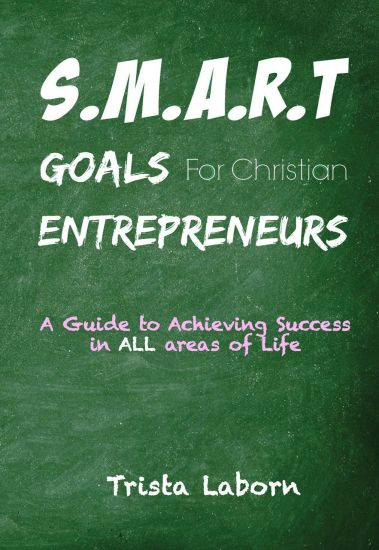
S.M.A.R.T Goals for Christian Entrepreneurs: Achieve Success in All Areas of Life
Trista Laborn
Divine Purpose Publishing
2015
nidottu

S.P.O.R.T.S: Smart People Only Read The Sports
Jimmy "the Blueprint" Williams
Moji House Publishing LLC
2015
nidottu
Birthed from the EXTREMELY "real" (and sometimes warped) mind of Jimmy "The Blueprint" Williams, everything he says is definitely from the "IDGAF" section of his brain. But all-in-all, the way he looks at sports, culture, and life in general will keep you wanting more, and will definitely keep you laughing.Devin McMillan of WarRoomSports.com
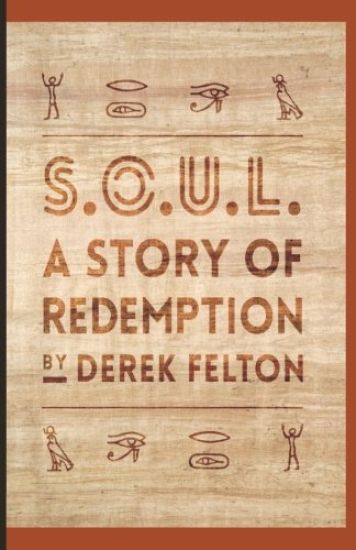

S.L.A.P. Yourself: Selling Like A Professional Yourself
Elijah Cushon
Kic Services Inc.
2016
nidottu
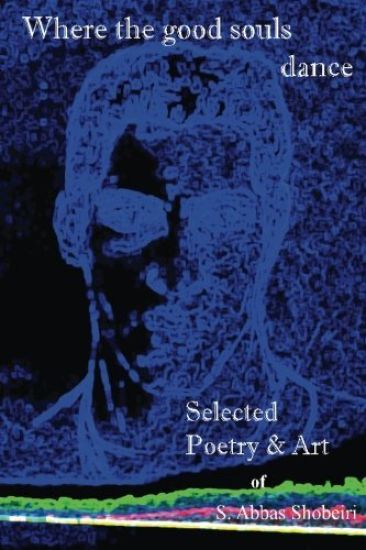
Where the Good Souls Dance: Selected Poetry and Art of S. Abbas Shobeiri
S. Abbas Shobeiri
S. Abbas Shobeiri
2017
nidottu
S. Abbas Shobeiri is a poet, a painter, a stateless person, and a student of the healing arts who came to the United States in search of political and civil freedoms. His poetry and art cross many traditions and cultures as limitless as the places he has visited during his journey. "Lost Like Me" describes the mental and physical suffering of refugees on the run. His mystical poems such as "God's Anonymous Visit" express the clash between the Divine intentions for man and man's interpretation of those Divine intentions. Some vivid poems such as "Oh God, I Repent", often have themes of death and immortality. His love poems, such as "The Beginning," have a strong confessional style which explores feelings of reduction to anguish and despair before beauty and love can sprout from the ashes. "Rare Moments" is an example of where we most often find the best of humanity, in our books and the arts. Poetry and arts in this book, titled after the memory of a brave friend's battle with cancer, are full of love and friendship both genuine and beautiful. All the proceeds from the sale of "Where the good souls dance" will support the non-profit organizations dedicated to the plight of refugees. Find us on facebook: https: //www.facebook.com/goodsoulsdance/ Follow us on Twitter: @goodsoulsdance