Kirjojen hintavertailu. Mukana 11 699 587 kirjaa ja 12 kauppaa.

Kirjahaku

Etsi kirjoja tekijän nimen, kirjan nimen tai ISBN:n perusteella.

1000 tulosta hakusanalla David B. Chesebrough

Nonverbal Steps to the Origins of Language

Nonverbal Steps to the Origins of Language

David B. Givens; John White

TAYLOR FRANCIS LTD
2025
sidottu
Nonverbal Steps to the Origins of Language examines the origin and development of human language through the seemingly paradoxical lens of nonverbal communication. Taking an evolutionary stance, it identifies and explores 15 sequential nonverbal steps that cumulatively enabled modern linguistic communication in Homo sapiens. Each step examines how human communication has evolved over time, detailing the changes that occurred at each developmental stage and their corresponding roles in gestured and spoken language. While following an evolutionary timeline, this book contextualizes these developments within modern discourse on topics such as linguistics, physiology, and brain development. The authors introduce the innovative “Language Superimposition Theory” (LST), proposing that human language—in both its vocal and gestural forms—was superimposed upon an older, preexisting nonverbal medium. This theoretical framework challenges conventional understanding of language origins by elevating nonverbal communication from its traditionally neglected status. Exploring diverse topics including chemical messaging, audio-visual messaging, emotional signaling, binocular vision, facial expressions, pointing behaviors, object manipulation, ancient tool-making, and food sharing, this fascinating intellectual journey is a must-read for students of nonverbal communication from psychology, linguistics, and anthropology backgrounds.

Nonverbal Steps to the Origins of Language

Nonverbal Steps to the Origins of Language

David B. Givens; John White

TAYLOR FRANCIS LTD
2025
nidottu
Nonverbal Steps to the Origins of Language examines the origin and development of human language through the seemingly paradoxical lens of nonverbal communication. Taking an evolutionary stance, it identifies and explores 15 sequential nonverbal steps that cumulatively enabled modern linguistic communication in Homo sapiens. Each step examines how human communication has evolved over time, detailing the changes that occurred at each developmental stage and their corresponding roles in gestured and spoken language. While following an evolutionary timeline, this book contextualizes these developments within modern discourse on topics such as linguistics, physiology, and brain development. The authors introduce the innovative “Language Superimposition Theory” (LST), proposing that human language—in both its vocal and gestural forms—was superimposed upon an older, preexisting nonverbal medium. This theoretical framework challenges conventional understanding of language origins by elevating nonverbal communication from its traditionally neglected status. Exploring diverse topics including chemical messaging, audio-visual messaging, emotional signaling, binocular vision, facial expressions, pointing behaviors, object manipulation, ancient tool-making, and food sharing, this fascinating intellectual journey is a must-read for students of nonverbal communication from psychology, linguistics, and anthropology backgrounds.
The Experience of Expatriate English Language Teaching

The Experience of Expatriate English Language Teaching

David B. Wilson

CAMBRIDGE SCHOLARS PUBLISHING
2025
sidottu
This is a unique applied linguistic study which demonstrates that the history of TEFLers is very different from the history of TEFL. Instead of studying theories of language learning and teaching, it explores the experience of being a TEFLer through the ages, using a wide range of fictional and fictive sources: novels, plays, biographies, memoirs, essays, and poems. Part One considers the present and recent past through an analysis of 15 fictional works and five memoirs. Part Two is concerned with the experiences of some historical iconic figures from the world of TEFL, beginning with the sixteenth century and ending with figures associated with the British Council and International House. Along the way one meets Victorian governesses, Berlitz teachers, and literary figures from the inter-War 'Golden Age' of travel. Interposed are some of the experiences of the author garnered during his long and varied career as an expatriate TEFLer.
Gone for Doctors

Gone for Doctors

David B Clark

Friesenpress
2022
pokkari
The author has seven published novels. His enduring interest in Canadian Army history is based on having attended the McGill medical school through the Regular Officer Training Program which required three summers of basic and field training followed by three years of military service as the Regimental Medical Officer with the Second Battalion of the Royal Canadian Regiment.The early historical novels consisted of the Canadian Army Trilogy in which the first had to do with the Verri res Ridge in Normandy; the second with the costly river assault crossing of the Lamone River in Italy; the third novel goes back to the First World War, Lucifer's Gate, after the Menin Gate through which the Canadian soldiers passed on the way to the Flanders battlefields. The next two novels included The Afternoon of the Women, about therapy in a psychiatrist's office, and the second, North of the Tai, about a boy growing up in Japanese occupied China.The most recent two novels were about the War of 1812, the first, The Red Dawn, on the battles for Niagara, and the second, Bastion of Empire, was about Fort St Joseph.This brings us to Gone for Doctors, the eighth novel, not an historical account but about doctors. Don MacMillan visits the land lady for the boarding house he shared with the main character, Michael Hogan, when they were students at Western University. Don wanted to know had Michael already left for the McGill medical school. He was told that Michael had "Gone for Doctors."Four medical students form a study group they call their cabal, which meets after the weekly pathology class. The cabal helps them though the cadaveric stench of the anatomy laboratory, and the ancillary classes in histology and physiology of their first year of medical school. It follows them through their clinical years, their personal lives and medical careers.
Gone for Doctors

Gone for Doctors

David B Clark

Friesenpress
2022
sidottu
The author has seven published novels. His enduring interest in Canadian Army history is based on having attended the McGill medical school through the Regular Officer Training Program which required three summers of basic and field training followed by three years of military service as the Regimental Medical Officer with the Second Battalion of the Royal Canadian Regiment.The early historical novels consisted of the Canadian Army Trilogy in which the first had to do with the Verri res Ridge in Normandy; the second with the costly river assault crossing of the Lamone River in Italy; the third novel goes back to the First World War, Lucifer's Gate, after the Menin Gate through which the Canadian soldiers passed on the way to the Flanders battlefields. The next two novels included The Afternoon of the Women, about therapy in a psychiatrist's office, and the second, North of the Tai, about a boy growing up in Japanese occupied China.The most recent two novels were about the War of 1812, the first, The Red Dawn, on the battles for Niagara, and the second, Bastion of Empire, was about Fort St Joseph.This brings us to Gone for Doctors, the eighth novel, not an historical account but about doctors. Don MacMillan visits the land lady for the boarding house he shared with the main character, Michael Hogan, when they were students at Western University. Don wanted to know had Michael already left for the McGill medical school. He was told that Michael had "Gone for Doctors."Four medical students form a study group they call their cabal, which meets after the weekly pathology class. The cabal helps them though the cadaveric stench of the anatomy laboratory, and the ancillary classes in histology and physiology of their first year of medical school. It follows them through their clinical years, their personal lives and medical careers.
Detecting Lies in Legal Proceedings

Detecting Lies in Legal Proceedings

David B. Simpson

UNIVERSITY OF TORONTO PRESS
2025
pokkari
People lie in legal proceedings, and in every scenario the common denominator is the same – it’s the lawyer who everyone expects to know how to separate truth from lies, fiction from fact. The problem? Most people – including lawyers – are notoriously poor lie detectors. The universal conclusion of decades of behavioural science research is that most of us are no better than a coin flip at spotting lies. But there is hope: studies say an ability to detect lies is not an immutable trait you have to be born with. It’s a skill, which means like any skill it can be learned, and if it can be learned, it can be mastered. Detecting Lies explores lie signs validated by behavioural science research and road tested by litigators, law enforcement, and poker professionals. David B. Simpson draws on over 40 years as a litigator to explain why someone averting their eyes is not a sign of lying, but why beginning an answer with "truthfully" can be, or why accusing a witness of lying doesn’t help, but asking, "Are you an honest person?" can. This book includes exercises to practice and improve lie-spotting skills, and advanced strategies to outfox liars into unwittingly exposing themselves.
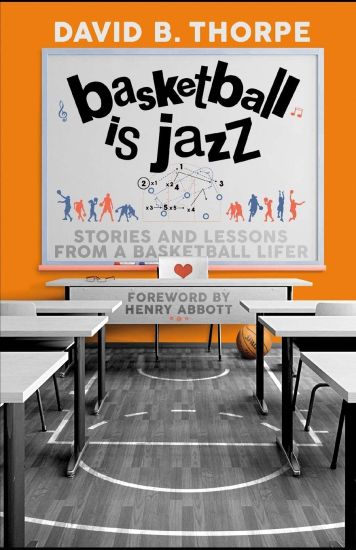
Basketball is Jazz: Stories and Lessons From a Basketball Lifer
Harvey Penick wrote "The Little Red Book" to teach golf enthusiasts the world over, fans and players, the nuances of the game. He succeeded brilliantly, and in the process he inspired David Thorpe to do the same thing for the sport he has spent a lifetime coaching. Coach Thorpe, an ESPN NBA Analyst for the past ten years, has spent a lifetime coaching thousands of players the game of basketball, while mentoring hundreds of coaches, NBA executives, and even a few owners. He is credited with being the first "basketball skills trainer", doing for players what golf and tennis pro's have been doing for years. "BASKETBALL IS JAZZ: Stories and Lessons From a Basketball Lifer" is a glimpse inside how the game is best taught, played, coached, and enjoyed. Thorpe's stories, about his NBA clients or his high school players from earlier in his career, will help the reader see the game better and appreciate it more. Parents looking for guidance will gain valuable insights into how they can better serve their children, just as coaches and players will learn better methods to improve their performances. And NBA fans will catch a long glimpse behind the curtain separating them from the players they love, seeing firsthand what these men do each day to make this incredibly difficult game look so easy to play.
One Sad Universe

One Sad Universe

David B Roach

IngramSpark
2022
pokkari
Imagine waking up in an alternate universe. Unbeknownst to Neal, he has been transported to a parallel world that looks the same as his home on Earth. Despite the familiarity of his surroundings, Neal can't shake the feeling that he is missing something. Same world, same people but something feels off. As his perception of reality shifts, he tries to make sense of his new existence. Feeling alienated and yearning to find love, he encounters three intelligent robots and learns of a powerful government plot to control all humans. As feelings of desperation and uncertainty set in, Neal longs to go home. But can he find a way back to his former life? One Sad Universe is the story of one man's determination in the face of darkness and a testament to the power of the human spirit.
You're Wrong about Immigration: An Open Letter to Donald Trump
Through shocking commentary and rhetoric, government shutdowns, and national emergencies, Donald Trump has made immigration and the building of a wall across America's southern border the central point of his campaign, and indeed the great American debate on politics. Immigration has been an issue in America throughout history but is perhaps on the mouths and minds of Americans more than ever before. How does immigration impact the U.S economy, what role does it play in crime, terror, and the war on drugs? How has immigration had an effect on the United States throughout history? How has the American government through a history of broken foreign policy initiatives created a refugee crisis right in our own backyard? I discuss these questions and more and provide answers backed by substantial research and history.There is no question that American immigration is broken. Neither Democrats nor Republicans see the whole picture, and neither party has provided common sense solutions and reforms Americans are becoming more desperate for beyond the typical bipartisan bickering that continues to tear this nation apart. Both parties have politicized the immigration issue in America, and Donald Trump is no better. Since none of our leaders have proposed any fixes or reforms that work for all Americans on both sides of this issue, I have laid out reforms of my own. Specifically, I've proposed the creation of a system not of "open borders" but of an "open door" policy on immigration, which I will explain fully at the end of this book. Donald Trump is wrong on immigration, and I've written this book as a letter directly to him to tell him why. I have disclosed my ideas in this book to the American people to explain what we could do differently.
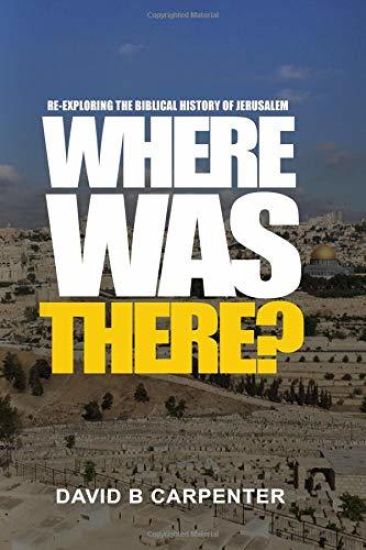
Where Was "There?": Re-exploring the biblical history of Jerusalem
Through the years, many books have been written regarding Jerusalem, Calvary, The Crucifixion, and even of the Biblical History that surrounds these events in time, but "Where was 'There'" is going to be one that you will remember.David B Carpenter invites you to take a journey with him through the historically debated scenes of the ancient Jewish landscape of Jerusalem in an attempt to show you where he believes the Bible indicates the true location of the Calvary Story is played out. You will find within the pages of this book, a firsthand viewpoint of: -The Old Testament Temple-The Old Testament Threshing Floors-Calvary- the place of the Skull-The Garden Tomb-And Many more historical landmarks Explore the past with a man who has not only spent the majority of his life studying the footsteps of Jesus, but has personally gone to view where these places "fit" in the Biblical timeline as well as in our own understanding of Jewish History. "Where was There?" is a perfect blend of studied and well-documented reference material and personal passion on display as David shows us where he believes the Bible points us to find the actual location of Calvary and the Empty Tomb.The answer may surprise you.
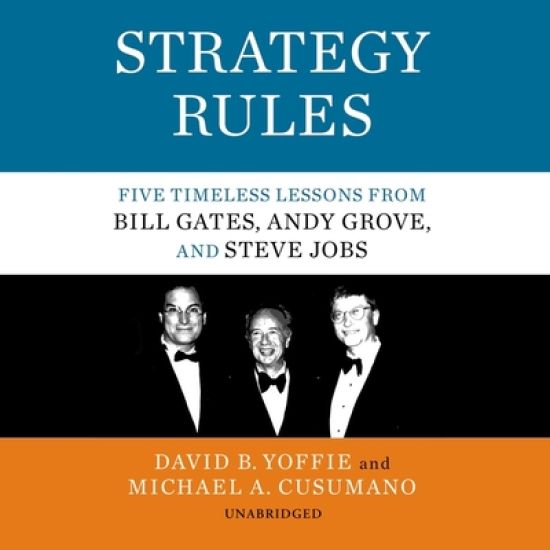
Strategy Rules: Five Timeless Lessons from Bill Gates, Andy Grove, and Steve Jobs
The authors of the bestselling Competing on Internet Time (a Business Week top 10 book) analyze the strategies, principles, and skills of three of the most successful and influential figures in business--Bill Gates, Andy Grove, and Steve Jobs--offering lessons for all managers and entrepreneurs on leadership, strategy and execution.In less than a decade, Bill Gates, Steve Jobs, and Andy Grove founded three companies that would define the world of technology and transform our lives. At their peaks, Microsoft, Apple, and Intel were collectively worth some $1.5 trillion. Strategy Rules examines these three individuals collectively for the first time--their successes and failures, commonalities and differences--revealing the business strategies and practices they pioneered while building their firms.David B. Yoffie and Michael A. Cusumano have studied these three leaders and their companies for more than thirty years, while teaching business strategy, innovation and entrepreneurship at Harvard and MIT. In this enlightening guide, they show how Gates, Grove, and Jobs approached strategy and execution in remarkably similar ways--yet markedly differently from their erstwhile competitors--keeping their focus on five strategic rules.Strategy Rules brings together the best practices in strategic management and high-tech entrepreneurship from three path-breaking entrepreneurs who emerged as CEOs of huge global companies. Their approaches to formulating strategy and building organizations offer unique insights for start-up executives as well as the heads of modern multinationals.
Environmental Health Ethics

Environmental Health Ethics

David B. Resnik

Cambridge University Press
2012
sidottu
Environmental Health Ethics illuminates the conflicts between protecting the environment and promoting human health. In this study, David B. Resnik develops a method for making ethical decisions on environmental health issues. He applies this method to various issues, including pesticide use, antibiotic resistance, nutrition policy, vegetarianism, urban development, occupational safety, disaster preparedness and global climate change. Resnik provides readers with the scientific and technical background necessary to understand these issues. He explains that environmental health controversies cannot simply be reduced to humanity versus environment and explores the ways in which human values and concerns - health, economic development, rights and justice - interact with environmental protection.
Energy: Supply and Demand

Energy: Supply and Demand

David B. Rutledge

Cambridge University Press
2019
sidottu
Focusing on trends in energy supply and demand, this text provides students with a comprehensive account of the subject and an understanding of how to use data analysis and modeling to make future projections and study climate impacts. Developments in technology and policy are discussed in depth, including the role of coal, the fracking revolutions for oil and gas, the electricity grid, wind and solar power, battery storage, and biofuels. Trends in demand are also detailed, with analysis of industrial demands such as LEDs, air conditioning, heat pumps, and information technology, and the transportation demands of railroads, ships, and cars (including electric vehicles). The environmental impacts of the energy industry are considered throughout, and a full chapter is dedicated to climate change. Real-life case studies and examples add context, and over 400 full-color figures illustrate key concepts. Accompanied by a package of online resources including solutions, video examples, sample data, and PowerPoint slides, this is an ideal text for courses on energy and is accessible to a range of students from engineering and related disciplines.
Eating and Ethics in Shakespeare's England

Eating and Ethics in Shakespeare's England

David B. Goldstein

Cambridge University Press
2013
sidottu
David B. Goldstein argues for a new understanding of Renaissance England from the perspective of communal eating. Rather than focus on traditional models of interiority, choice and consumption, Goldstein demonstrates that eating offered a central paradigm for the ethics of community formation. The book examines how sharing food helps build, demarcate and destroy relationships – between eater and eaten, between self and other, and among different groups. Tracing these eating relations from 1547 to 1680 - through Shakespeare, Milton, religious writers and recipe book authors - Goldstein shows that to think about eating was to engage in complex reflections about the body's role in society. In the process, he radically rethinks the communal importance of the Protestant Eucharist. Combining historicist literary analysis with insights from social science and philosophy, the book's arguments reverberate well beyond the Renaissance. Ultimately, Eating and Ethics in Shakespeare's England forces us to rethink our own relationship to food.
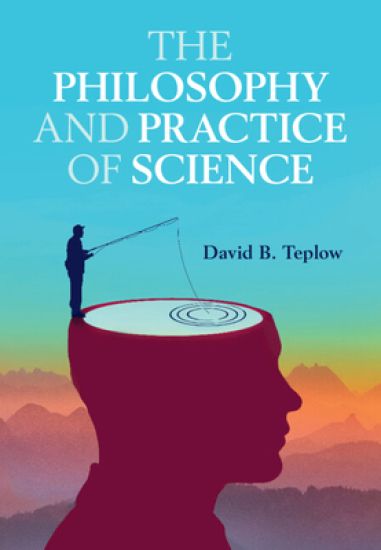
The Philosophy and Practice of Science

The Philosophy and Practice of Science

David B. Teplow

Cambridge University Press
2023
sidottu
This book is a novel synthesis of the philosophy and practice of science, covering its diverse theoretical, metaphysical, logical, philosophical, and practical elements. The process of science is generally taught in its empirical form: what science is, how it works, what it has achieved, and what it might achieve in the future. What is often absent is how to think deeply about science and how to apply its lessons in the pursuit of truth, in other words, knowing how to know. In this volume, David Teplow presents illustrative examples of science practice, history and philosophy of science, and sociological aspects of the scientific community, to address commonalities among these disciplines. In doing so, he challenges cherished beliefs and suggests to students, philosophers, and practicing scientists new, epistemically superior, ways of thinking about and doing science.