Kirjojen hintavertailu. Mukana 11 342 296 kirjaa ja 12 kauppaa.

Kirjahaku

Etsi kirjoja tekijän nimen, kirjan nimen tai ISBN:n perusteella.

1000 tulosta hakusanalla Francis Alua

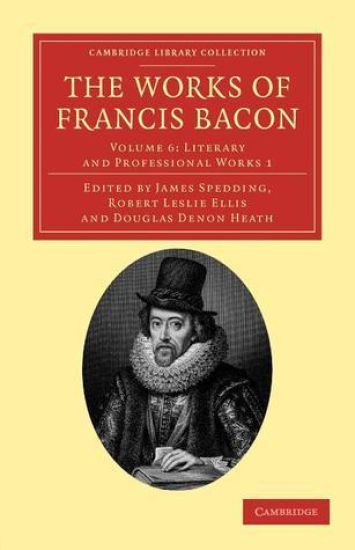
The Works of Francis Bacon

The Works of Francis Bacon

Francis Bacon

Cambridge University Press
2011
pokkari
Francis Bacon (1561–1626), the English philosopher, statesman and jurist, is best known for developing the empiricist method which forms the basis of modern science. Bacon's writings concentrated on philosophy and judicial reform. His most significant work is the Instauratio Magna comprising two parts - The Advancement of Learning and the Novum Organum. The first part is noteworthy as the first major philosophical work published in English (1605). James Spedding (1808–81) and his co-editors arranged this fourteen-volume edition, published in London between 1857 and 1874, not in chronological order but by subject matter, so that different volumes would appeal to different audiences. The material is divided into three parts: philosophy and general literature; legal works; and letters, speeches and tracts relating to politics. Volume 6, published in 1858, contains the first part of Bacon's literary works, including his histories in English and Essays or Counsels Civil and Moral in Latin.
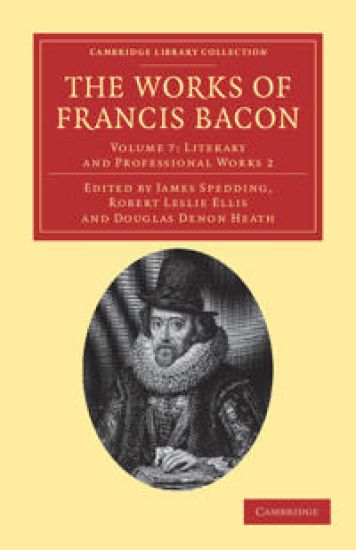
The Works of Francis Bacon

The Works of Francis Bacon

Francis Bacon

Cambridge University Press
2011
pokkari
Francis Bacon (1561–1626), the English philosopher, statesman and jurist, is best known for developing the empiricist method which forms the basis of modern science. Bacon's writings concentrated on philosophy and judicial reform. His most significant work is the Instauratio Magna comprising two parts - The Advancement of Learning and the Novum Organum. The first part is noteworthy as the first major philosophical work published in English (1605). James Spedding (1808–81) and his co-editors arranged this fourteen-volume edition, published in London between 1857 and 1874, not in chronological order but by subject matter, so that different volumes would appeal to different audiences. The material is divided into three parts: philosophy and general literature; legal works; and letters, speeches and tracts relating to politics. Volume 7, published in 1859, continues Bacon's literary works including his writings on religion, and contains his professional works on the law.
The Works of Francis Bacon

The Works of Francis Bacon

Francis Bacon

Cambridge University Press
2011
pokkari
Francis Bacon (1561–1626), the English philosopher, statesman and jurist, is best known for developing the empiricist method which forms the basis of modern science. Bacon's writings concentrated on philosophy and judicial reform. His most significant work is the Instauratio Magna comprising two parts - The Advancement of Learning and the Novum Organum. The first part is noteworthy as the first major philosophical work published in English (1605). James Spedding (1808–81) and his co-editors arranged this fourteen-volume edition, published in London between 1857 and 1874, not in chronological order but by subject matter, so that different volumes would appeal to different audiences. The material is divided into three parts: philosophy and general literature; legal works; and letters, speeches and tracts relating to politics. Volume 8, published in 1862, contains letters, and miscellaneous writings relating to Bacon's political duties from 1561 to 1594, offering a valuable insight into Elizabethan statecraft.
The Works of Francis Bacon

The Works of Francis Bacon

Francis Bacon

Cambridge University Press
2011
pokkari
Francis Bacon (1561–1626), the English philosopher, statesman and jurist, is best known for developing the empiricist method which forms the basis of modern science. Bacon's writings concentrated on philosophy and judicial reform. His most significant work is the Instauratio Magna comprising two parts - The Advancement of Learning and the Novum Organum. The first part is noteworthy as the first major philosophical work published in English (1605). James Spedding (1808–81) and his co-editors arranged this fourteen-volume edition, published in London between 1857 and 1874, not in chronological order but by subject matter, so that different volumes would appeal to different audiences. The material is divided into three parts: philosophy and general literature; legal works; and letters, speeches and tracts relating to politics. Volume 9, published in 1862, contains letters and political writings from 1595 to 1601, including papers relating to the treason trial of Robert Devereux, Earl of Essex.
The Works of Francis Bacon

The Works of Francis Bacon

Francis Bacon

Cambridge University Press
2011
pokkari
Francis Bacon (1561–1626), the English philosopher, statesman and jurist, is best known for developing the empiricist method which forms the basis of modern science. Bacon's writings concentrated on philosophy and judicial reform. His most significant work is the Instauratio Magna comprising two parts - The Advancement of Learning and the Novum Organum. The first part is noteworthy as the first major philosophical work published in English (1605). James Spedding (1808–81) and his co-editors arranged this fourteen-volume edition, published in London between 1857 and 1874, not in chronological order but by subject matter, so that different volumes would appeal to different audiences. The material is divided into three parts: philosophy and general literature; legal works; and letters, speeches and tracts relating to politics. Volume 10, published in 1868, contains Bacon's letters and political writings from 1601 to 1607. Of note is Bacon's support of the union of England and Scotland.
The Works of Francis Bacon

The Works of Francis Bacon

Francis Bacon

Cambridge University Press
2011
pokkari
Francis Bacon (1561–1626), the English philosopher, statesman and jurist, is best known for developing the empiricist method which forms the basis of modern science. Bacon's writings concentrated on philosophy and judicial reform. His most significant work is the Instauratio Magna comprising two parts - The Advancement of Learning and the Novum Organum. The first part is noteworthy as the first major philosophical work published in English (1605). James Spedding (1808–81) and his co-editors arranged this fourteen-volume edition, published in London between 1857 and 1874, not in chronological order but by subject matter, so that different volumes would appeal to different audiences. The material is divided into three parts: philosophy and general literature; legal works; and letters, speeches and tracts relating to politics. Volume 11, published in 1868, contains Bacon's political writings and letters from 1608 to 1613, including his treatise on the Irish plantations presented to King James I.
The Works of Francis Bacon

The Works of Francis Bacon

Francis Bacon

Cambridge University Press
2011
pokkari
Francis Bacon (1561–1626), the English philosopher, statesman and jurist, is best known for developing the empiricist method which forms the basis of modern science. Bacon's writings concentrated on philosophy and judicial reform. His most significant work is the Instauratio Magna comprising two parts - The Advancement of Learning and the Novum Organum. The first part is noteworthy as the first major philosophical work published in English (1605). James Spedding (1808–81) and his co-editors arranged this fourteen-volume edition, published in London between 1857 and 1874, not in chronological order but by subject matter, so that different volumes would appeal to different audiences. The material is divided into three parts: philosophy and general literature; legal works; and letters, speeches and tracts relating to politics. Published in 1869, Volume 12 contains Bacon's letters and writings between 1613 and 1616, which primarily relate to his appointment as Attorney General.
The Works of Francis Bacon

The Works of Francis Bacon

Francis Bacon

Cambridge University Press
2011
pokkari
Francis Bacon (1561–1626), the English philosopher, statesman and jurist, is best known for developing the empiricist method which forms the basis of modern science. Bacon's writings concentrated on philosophy and judicial reform. His most significant work is the Instauratio Magna comprising two parts - The Advancement of Learning and the Novum Organum. The first part is noteworthy as the first major philosophical work published in English (1605). James Spedding (1808–81) and his co-editors arranged this fourteen-volume edition, published in London between 1857 and 1874, not in chronological order but by subject matter, so that different volumes would appeal to different audiences. The material is divided into three parts: philosophy and general literature; legal works; and letters, speeches and tracts relating to politics. Volume 13, published in 1872, contains Bacon's papers from 1616 to 1618 and relate to his appointment as Lord Chancellor, and England's relations with Ireland and Spain.
The Works of Francis Bacon

The Works of Francis Bacon

Francis Bacon

Cambridge University Press
2011
pokkari
Francis Bacon (1561–1626), the English philosopher, statesman and jurist, is best known for developing the empiricist method which forms the basis of modern science. Bacon's writings concentrated on philosophy and judicial reform. His most significant work is the Instauratio Magna comprising two parts - The Advancement of Learning and the Novum Organum. The first part is noteworthy as the first major philosophical work published in English (1605). James Spedding (1808–81) and his co-editors arranged this fourteen-volume edition, published in London between 1857 and 1874, not in chronological order but by subject matter, so that different volumes would appeal to different audiences. The material is divided into three parts: philosophy and general literature; legal works; and letters, speeches and tracts relating to politics. Volume 14, published in 1874, contains Bacon's papers from 1619 until his death, including his will, papers about his impeachment, and his treatise on English laws.