Christine M. Panyard thought she was studying Michelangelo and Renaissance art, but she was actually being moved towards God. The gothic cathedral is a metaphor for spiritual development in Stalking Michelangelo, Finding God. Her story began outside the church, where she was for many years. It takes the reader on a journey around and through the cathedral to the altar, much as she moved from being a lapsed Catholic to formation as a Secular Discalced Carmelite. Christine became an author and award-winning photographer on her way to God.
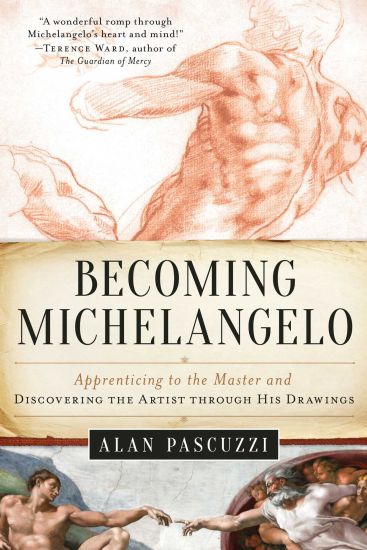
Michelangelo’s genius is revealed as never before by the man who became Michelangelo’s last apprentice— an American artist and art historian whose family helped carve Mount Rushmore. Many believe Michelangelo's talent was miraculous and untrained, the product of “divine” genius—a myth that Michelangelo himself promoted by way of cementing his legacy. But the young Michelangelo studied his craft like any Renaissance apprentice, learning from a master, copying, and experimenting with materials and styles. In this extraordinary book, Alan Pascuzzi recounts the young Michelangelo’s journey from student to master, using the artist’s drawings to chart his progress and offering unique insight into the true nature of his mastery. Pascuzzi himself is a practicing artist in Florence, Michelangelo’s city. When he was a grad student in art history, he won a Fulbright to “apprentice” himself to Michelangelo: to study his extant drawings and copy them to discern his progression in technique, composition, and mastery of anatomy. Pascuzzi also relied on the Renaissance treatise that “Il Divino” himself would have been familiar with, Cennino Cennini's The Craftsman’s Handbook (1399), which was available to apprentices as a kind of textbook of the period. Pascuzzi’s narrative traces Michelangelo’s development as an artist during the period from roughly 1485, the start of his apprenticeship, to his completion of the Sistine Chapel ceiling in 1512. Analyzing Michelangelo’s burgeoning abilities through copies he himself executed in museums and galleries in Florence and elsewhere around the world, Pascuzzi unlocks the transformation that made Michelangelo great. At the same time, he narrates his own transformation from student to artist as Michelangelo’s last apprentice.
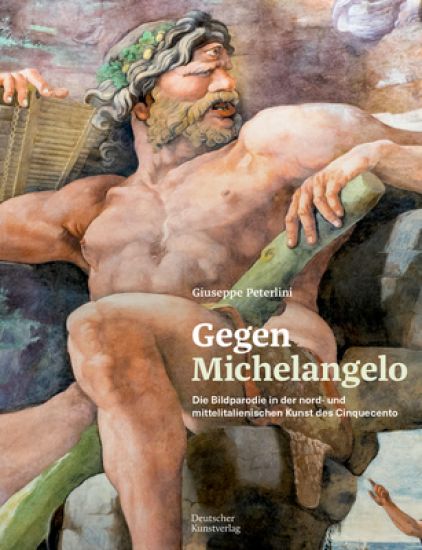
The European art scene of the 16th century was dominated by the person and work of Michelangelo Buonarroti. However, Michelangelo's rapid artistic rise, widespread adoration, and elevation to the status of the norm and an unsurpassable authority in art triggered criticism as early as the Cinquecento. One of the critical art techniques used at the time to delegitimize norms, disparage competitors, and vituperatively discredit works of art was image parody. This study is dedicated to this particular technique of comicization and devaluation through a systematic and exemplary exploration of the "negative" reception of Michelangelo in northern and central Italian art of the period. Look inside The first comprehensive study of pictorial and written criticisms of Michelangelo in 16th-century northern and central Italy A study of the theory, function, and manifestations of pictorial parody in the early modern period
Leben Michelangelo's ist ein unver nderter, hochwertiger Nachdruck der Originalausgabe aus dem Jahr 1873. Hansebooks ist Herausgeber von Literatur zu unterschiedlichen Themengebieten wie Forschung und Wissenschaft, Reisen und Expeditionen, Kochen und Ern hrung, Medizin und weiteren Genres.Der Schwerpunkt des Verlages liegt auf dem Erhalt historischer Literatur.Viele Werke historischer Schriftsteller und Wissenschaftler sind heute nur noch als Antiquit ten erh ltlich. Hansebooks verlegt diese B cher neu und tr gt damit zum Erhalt selten gewordener Literatur und historischem Wissen auch f r die Zukunft bei.
Leben Michelangelo's ist ein unver nderter, hochwertiger Nachdruck der Originalausgabe aus dem Jahr 1873. Hansebooks ist Herausgeber von Literatur zu unterschiedlichen Themengebieten wie Forschung und Wissenschaft, Reisen und Expeditionen, Kochen und Ern hrung, Medizin und weiteren Genres.Der Schwerpunkt des Verlages liegt auf dem Erhalt historischer Literatur.Viele Werke historischer Schriftsteller und Wissenschaftler sind heute nur noch als Antiquit ten erh ltlich. Hansebooks verlegt diese B cher neu und tr gt damit zum Erhalt selten gewordener Literatur und historischem Wissen auch f r die Zukunft bei.
Leben Michelangelo's ist ein unver nderter, hochwertiger Nachdruck der Originalausgabe aus dem Jahr 1873. Hansebooks ist Herausgeber von Literatur zu unterschiedlichen Themengebieten wie Forschung und Wissenschaft, Reisen und Expeditionen, Kochen und Ern hrung, Medizin und weiteren Genres.Der Schwerpunkt des Verlages liegt auf dem Erhalt historischer Literatur.Viele Werke historischer Schriftsteller und Wissenschaftler sind heute nur noch als Antiquit ten erh ltlich. Hansebooks verlegt diese B cher neu und tr gt damit zum Erhalt selten gewordener Literatur und historischem Wissen auch f r die Zukunft bei.
Leben Michelangelo's ist ein unver nderter, hochwertiger Nachdruck der Originalausgabe aus dem Jahr 1873. Hansebooks ist Herausgeber von Literatur zu unterschiedlichen Themengebieten wie Forschung und Wissenschaft, Reisen und Expeditionen, Kochen und Ern hrung, Medizin und weiteren Genres.Der Schwerpunkt des Verlages liegt auf dem Erhalt historischer Literatur.Viele Werke historischer Schriftsteller und Wissenschaftler sind heute nur noch als Antiquit ten erh ltlich. Hansebooks verlegt diese B cher neu und tr gt damit zum Erhalt selten gewordener Literatur und historischem Wissen auch f r die Zukunft bei.
Leben Michelangelo's ist ein unver nderter, hochwertiger Nachdruck der Originalausgabe aus dem Jahr 1873. Hansebooks ist Herausgeber von Literatur zu unterschiedlichen Themengebieten wie Forschung und Wissenschaft, Reisen und Expeditionen, Kochen und Ern hrung, Medizin und weiteren Genres.Der Schwerpunkt des Verlages liegt auf dem Erhalt historischer Literatur.Viele Werke historischer Schriftsteller und Wissenschaftler sind heute nur noch als Antiquit ten erh ltlich. Hansebooks verlegt diese B cher neu und tr gt damit zum Erhalt selten gewordener Literatur und historischem Wissen auch f r die Zukunft bei.
Leben Michelangelo's ist ein unver nderter, hochwertiger Nachdruck der Originalausgabe aus dem Jahr 1873. Hansebooks ist Herausgeber von Literatur zu unterschiedlichen Themengebieten wie Forschung und Wissenschaft, Reisen und Expeditionen, Kochen und Ern hrung, Medizin und weiteren Genres.Der Schwerpunkt des Verlages liegt auf dem Erhalt historischer Literatur.Viele Werke historischer Schriftsteller und Wissenschaftler sind heute nur noch als Antiquit ten erh ltlich. Hansebooks verlegt diese B cher neu und tr gt damit zum Erhalt selten gewordener Literatur und historischem Wissen auch f r die Zukunft bei.
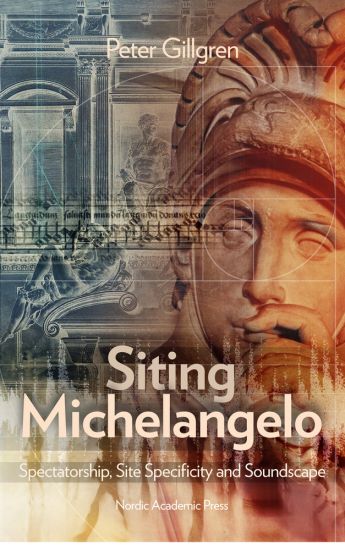
Michelangelos storhet som konstnär ligger inte bara i hans strävan efter fullkomlighet och skönhet, utan även i hans unika sätt att närma sig den konstnärliga processen och platsens betydelse. Michelangelos fresker i Sixtinska kapellet, skulpturer i Medicikapellet och andra monument bör alla förstås som dramatiserande tillskott till miljöerna de placerades i. Istället för att anpassas och smälta in i sina omgivningar så interagerar dessa verk med rummen, ceremonierna och musiken som fanns runtom dem. Man kan också se hur konstnären i sina ofullbordade verk och egna skrifter pekar på en estetik under ständig förhandling där processen är lika viktig som de färdigställda verken. Peter Gillgren belyser Michelangelos verk som tillkomna i en strävan att förändra och ompröva den miljö som redan fanns på plats. Det är en nydanande och originell studie som tillför ett nytt, oumbärligt kritiskt perspektiv till konstvetenskapen.
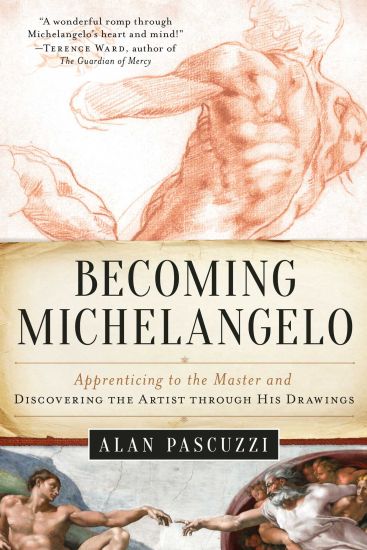
Michelangelo’s genius is revealed as never before by the man who became Michelangelo’s last apprentice— an American artist and art historian whose family helped carve Mount Rushmore. Many believe Michelangelo's talent was miraculous and untrained, the product of “divine” genius—a myth that Michelangelo himself promoted by way of cementing his legacy. But the young Michelangelo studied his craft like any Renaissance apprentice, learning from a master, copying, and experimenting with materials and styles. In this extraordinary book, Alan Pascuzzi recounts the young Michelangelo’s journey from student to master, using the artist’s drawings to chart his progress and offering unique insight into the true nature of his mastery. Pascuzzi himself is a practicing artist in Florence, Michelangelo’s city. When he was a grad student in art history, he won a Fulbright to “apprentice” himself to Michelangelo: to study his extant drawings and copy them to discern his progression in technique, composition, and mastery of anatomy. Pascuzzi also relied on the Renaissance treatise that “Il Divino” himself would have been familiar with, Cennino Cennini's The Craftsman’s Handbook (1399), which was available to apprentices as a kind of textbook of the period. Pascuzzi’s narrative traces Michelangelo’s development as an artist during the period from roughly 1485, the start of his apprenticeship, to his completion of the Sistine Chapel ceiling in 1512. Analyzing Michelangelo’s burgeoning abilities through copies he himself executed in museums and galleries in Florence and elsewhere around the world, Pascuzzi unlocks the transformation that made Michelangelo great. At the same time, he narrates his own transformation from student to artist as Michelangelo’s last apprentice.