Kirjojen hintavertailu. Mukana 12 390 323 kirjaa ja 12 kauppaa.

Kirjahaku

Etsi kirjoja tekijän nimen, kirjan nimen tai ISBN:n perusteella.

953 tulosta hakusanalla "Genomics"

Genomics, An Issue of Nursing Clinics

Genomics, An Issue of Nursing Clinics

Stephen D. Krau

Elsevier - Health Sciences Division
2013
sidottu
This issue of Nursing Clinics of North America is Guest Edited by Stephen D. Krau, PhD, RN, CNE, from Vanderbilt University and will focus on genomics. Article topics will include Genetic and Genomic Testing, Integrating Genomics into Research, Genomic Assessments and Interventions in Psychiatric Nursing Practice, Genomics in Critical Care, Cardiomyopathy and Genetics, Genetics and Chronic Diseases, Genomics and Patients with Rare Chronic Diseases, Epigenetics and the implications for disease processes, Impact of Genetics on Oncology Nursing, and Pharmacogenetics.
Genomics in Rheumatic Diseases, An Issue of Rheumatic Disease Clinics of North America

Genomics in Rheumatic Diseases, An Issue of Rheumatic Disease Clinics of North America

S. Louis Bridges Jr.; Carl D. Langefeld

Elsevier - Health Sciences Division
2017
sidottu
This issue of Rheumatic Disease Clinics focuses on Genetics. Article topics cover: Genetic Influences on Susceptibility and Severity of Rheumatoid Arthritis; HLA-disease associations in rheumatoid arthritis; Autoinflammatory Syndromes as a Model of Monogenic Diseases; Genomic Influences on Hyperuricaemia and Gout; Genetics of Systemic Lupus Erythematosus; Genetics of Ankylosing Spondylitis;Genetics of Scleroderma; Genetics of Osteoarthritis; Genetics of Juvenile Inflammatory Arthritis; Genetic Influences on Treatment Response in Rheumatic Diseases; Integrative approaches/computational biology; Future directions of genetic research in rheumatic diseases; and Population genetics and natural selection in rheumatic disease.
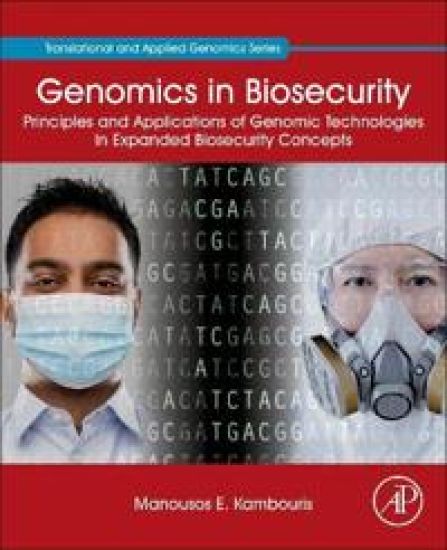
Genomics in Biosecurity

Genomics in Biosecurity

Manousos E. Kambouris

ELSEVIER SCIENCE TECHNOLOGY
2021
nidottu
Genomics in Biosecurity: Principles and Applications of Genomic Technologies in Expanded Biosecurity Concepts, in the Translational and Applied Genomics series, explains in definite and practical terms the applicability of genomic technologies in every aspect of biosecurity, from emergent diagnostics to bioterrorism, agroterrorism, next generation biowarfare, biosurveillance and risk assessment. This book offers an integrated discussion of genomics and GCBR (global catastrophic biological risks) events, considering both basic aspects of biosecurity genomics and application of genomic technologies to drive new solutions. Readers will find evidence-based strategies to apply genomics in disease and pathogen monitoring and diagnosis, and more. Social aspects of GCBR events and genomic biosecurity, such as issues of terrorism, policy ethics, and practice, are also considered in-depth.
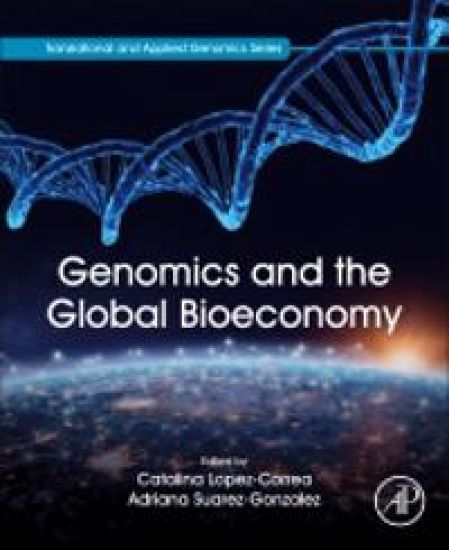
Genomics and the Global Bioeconomy

Genomics and the Global Bioeconomy

ELSEVIER SCIENCE TECHNOLOGY
2022
nidottu
Genomics and the Global Bioeconomy, a new volume in the Translational and Applied Genomics series, empowers researchers, administrators, and sustainability leaders to apply genomics and novel omics technologies to advance the global bioeconomy and sustainability. Here, more than 15 international experts illustrate—with concrete examples across various industries and areas of global need—how genomics is addressing some of the most pressing global challenges of our time. Chapters offer an in-depth, case-based treatment of various topics, from genomics technologies supporting sustainability development goals to novel synthetic biology advancements improving biofuel production, conservation, sustainable food production, bioremediation, and genomic monitoring. Editors Catalina Lopez-Correa and Adrian Suarez-Gonzalez skillfully bring clarity to this diverse and increasingly impactful research, uniting various perspectives to inspire fresh innovation in driving the global bioeconomy.
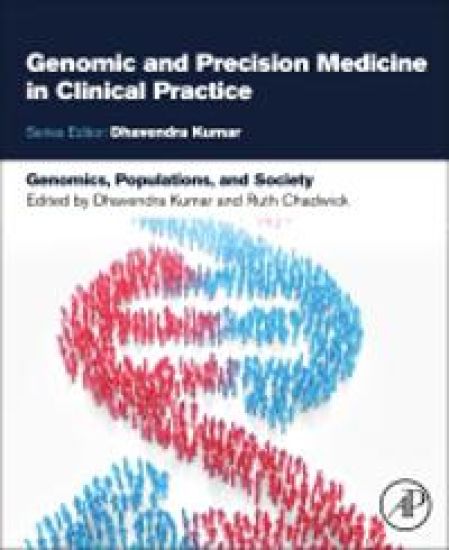
Genomics, Populations, and Society

Genomics, Populations, and Society

ELSEVIER SCIENCE TECHNOLOGY
2024
nidottu
Genomics, Populations, and Society, a new volume in the Genomic and Precision Medicine in Clinical Practice series, considers the vast and thorny web of ELSI topics in genomics, from bioethics to healthcare applications, healthcare economics, genomic data management, and population dynamics. Emphasis is placed on the impact of rapid genomic advances on ethical, sociocultural and lifestyle dimensions. Healthcare and health economics topics include genomics and digital health, genome editing, and genomics and infectious disease management. Legal issues related to data ownership, equity, access, probity, consent, and confidentiality are also discussed in-depth, along with sociocultural topics such as community engagement, consanguinity, and more.Here, a range of readers from researchers to clinicians, policy administrators, lawyers, economists and social scientists will discover carefully crafted, synthesized discussions on ELSI topics in genomics to power new scientific advances and genomic medicine implementation.
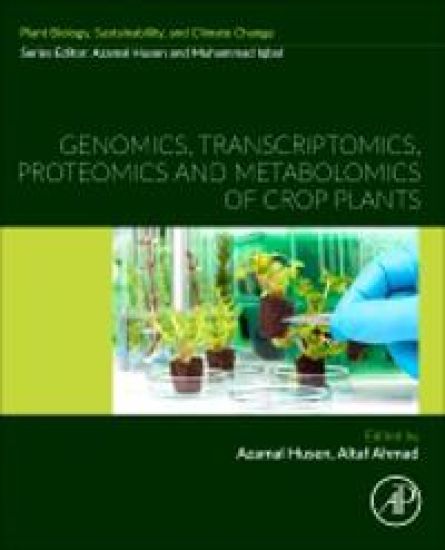
Genomics, Transcriptomics, Proteomics and Metabolomics of Crop Plants
Genomics, Transcriptomics, Proteomics and Metabolomics of Crop Plants presents current operational methods applied to model crop plants. Including subcellular organelles, DNA fingerprinting and barcoding, sRNA, gene expression, rhizosphere engineering, marker assisted and 5G breeding, plant-microorganism interactions, stress signaling and responses, the book highlights important factors that are often overlooked and explores the latest research. The book also explores cutting-edge approaches for immediate application in new research such as OMICS, genome-wide transcriptome profiling, bioinformatics and database, DNA fingerprinting and barcoding, sRNA, gene expression, genome editing, diagnostics, rhizosphere engineering, marker assisted and 5G breeding, crop plant-microorganism interactions, stress signaling and responses. Additionally, the book describes opportunities to manipulate crop plants genetic and metabolic systems, while also exploring the related bioethical and biosafety issues. These topics are chosen and covered in detail to fill the gap in this understanding of crop molecular biology.
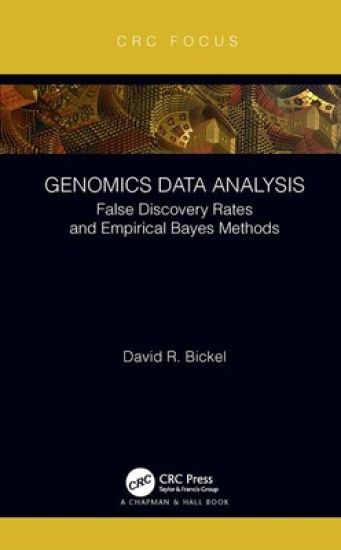
Genomics Data Analysis

Genomics Data Analysis

William A. Mirola; Michael O. Emerson; Susanne C Monahan

CRC Press
2019
sidottu
Statisticians have met the need to test hundreds or thousands of genomics hypotheses simultaneously with novel empirical Bayes methods that combine advantages of traditional Bayesian and frequentist statistics. Techniques for estimating the local false discovery rate assign probabilities of differential gene expression, genetic association, etc. without requiring subjective prior distributions. This book brings these methods to scientists while keeping the mathematics at an elementary level. Readers will learn the fundamental concepts behind local false discovery rates, preparing them to analyze their own genomics data and to critically evaluate published genomics research.Key Features:* dice games and exercises, including one using interactive software, for teaching the concepts in the classroom* examples focusing on gene expression and on genetic association data and briefly covering metabolomics data and proteomics data* gradual introduction to the mathematical equations needed* how to choose between different methods of multiple hypothesis testing* how to convert the output of genomics hypothesis testing software to estimates of local false discovery rates* guidance through the minefield of current criticisms of p values* material on non-Bayesian prior p values and posterior p values not previously published
Genomics in Regulatory Ecotoxicology
Fueled partially by large, well-publicized efforts such as the Human Genome Project, genomic research is a rapidly growing area in multiple biological disciplines, including toxicology. Much of this potential, however, has been discussed in the literature and at technical meetings only in relatively broad terms, making it difficult to assess exactly how data generated from new genomics technologies might actually impact or benefit the risk assessment process.
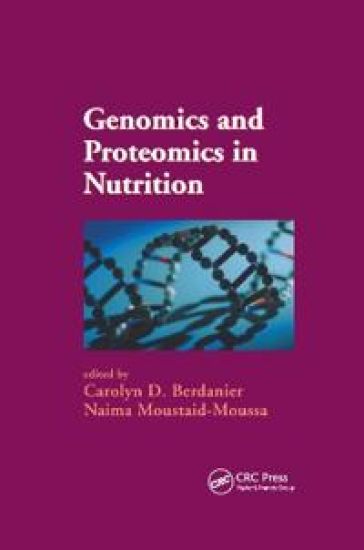
Genomics and Proteomics in Nutrition
With contributions from 66 world-renowned authorities on the subject, Genomics And Proteomics In Nutrition focuses on the effect of genetic expression on protein production, establishing links between gene expression and nutrition, the influence of micro- and macronutrients on cellular homeostasis, and the relationship between diet, genetic predisposition, and human disease.Shows how bioinformatics and functional genomic databases can transform molecular biology research using a yeast ELO2/ human HELO1 protein cloning example. A cutting-edge reference, Genomics and Proteomics in Nutrition reveals new applications and insights in nutrition science and explores tools for nutrition research in the post-genomic era.
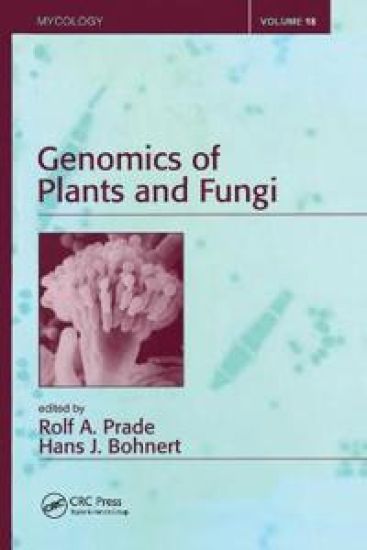
Genomics of Plants and Fungi
This volume provides technical insight on how genomics-oriented studies may be used to bring new understanding to established models of fungal development. The book helps to assess and solve problems associated with multiple copies of genes and proteins with seemingly identical functions and depicts various industrial applications. To bridge the information gap resulting from this field's explosive growth, Genomics of Plants and Fungi addresses the implementation of workflow applications with the METEOR Workflow Management System, and discusses clinical manifestations of Aspergillus infection, stunted and medusa genes, hyphal mating and fertilization, and vegetative incompatibility.
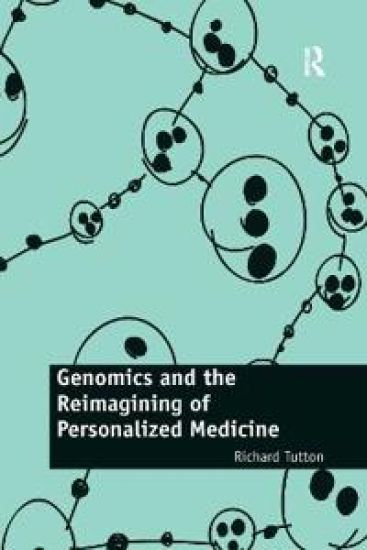
Genomics and the Reimagining of Personalized Medicine
Drawing on insights from work in medical history and sociology, this book analyzes changing meanings of personalized medicine over time, from the rise of biomedicine in the twentieth century, to the emergence of pharmacogenomics and personal genomics in the 1990s and 2000s. In the past when doctors championed personalization they did so to emphasize that patients had unique biographies and social experiences in the name of caring for their patients as individuals. However, since the middle of the twentieth century, geneticists have successfully promoted the belief that genes are implicated in why some people develop diseases and why some have adverse reactions to drugs when others do not. In doing so, they claim to offer a new way of personalizing the prediction, prevention and treatment of disease. As this book shows, the genomic reimagining of personalized medicine centres on new forms of capitalization and consumption of genetic information. While genomics promises the ultimate individualization of medicine, the author argues that personalized medicine exists in the imaginative gap between the problems and limits of current scientific practices and future prospects to individualize medical interventions. A rigorous, critical examination of the promises of genomics to transform the economics and delivery of medicine, Genomics and the Reimagining of Personalized Medicine examines the consequences of the shift towards personalization for the way we think about and act on health and disease in society. As such, it will be of interest to scholars and students of the sociology of medicine and health, science and technology studies, and health policy.
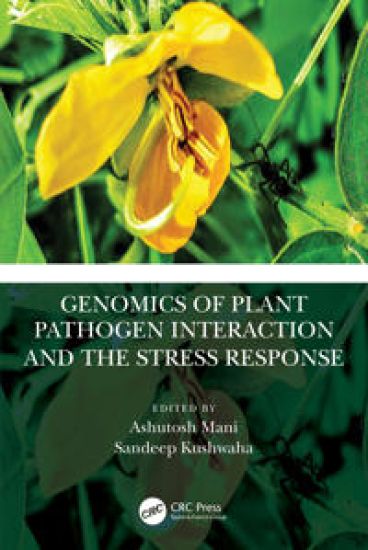
Genomics of Plant–Pathogen Interaction and the Stress Response
Plants are an indispensable part of human and animal lives for nutrition and health. But pests, diseases and abiotic stress adversely affect crop yield, which ultimately places significant pressure on society to provide food to an increasing population. Moreover, it also encourages increased chemical/pesticide usage on crops, which we see in the biomagnification of toxic and hazardous compounds polluting water bodies, soil and the environment. This condition will continue to worsen in the future due to the resistance-acquiring ability of pathogens against plant defense and chemical treatments. In addition, environmental disturbances and consumer health issues are being reported more promptly than before due to intensive use of pesticides in food production. Plant diseases affect our daily lives, as the use of insecticides and pesticides has become part of our food chain. As a result, precise disease diagnosis and management is crucial in order to avoid huge losses in plant production and related commodities. Accurate detection, precise diagnosis and proper management can play a significant role in keeping plants free from pathogens. In this book, scientists, researchers and scholars share their research knowledge, offering a valuable resource for understanding plant diseases, pathogen interaction and responses to stress through an omics perspective, contributing to further advancements in the fieldDiseases in plants may be caused by various factors, such as viruses, bacteria, fungi and abiotic stress. Disease causes low crop yield, production of poor-quality fruits and grains, and deficiency of nutrients, which have a direct impact on human and animal health. A genomics-based approach can be applied to disease diagnosis; disease outbreak; evolution of plant and pathogen genome for disease outbreak in relation to climate change; and development of long-term strategies for plant health and defense. This book presents an overview of omics technologies and approaches used to understand:the relation between plants and their environment in terms of diseasesresponses to abiotic stressthe genomics of plant–pathogen interactionherbicide-resistance mechanismsthe epigenetics of plant–pathogen interactiongene regulation during abiotic stress responsethe oxidative stress response
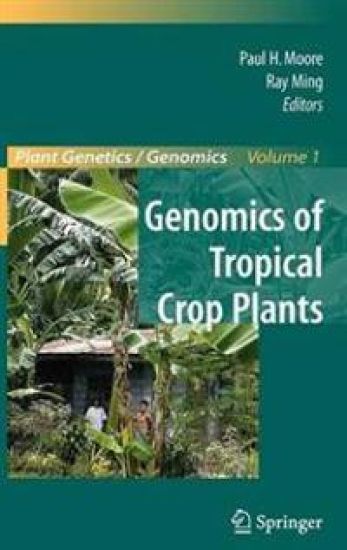
Genomics of Tropical Crop Plants

Genomics of Tropical Crop Plants

D. Delmer

Springer-Verlag New York Inc.
2008
sidottu
Having spent most of my life in Academia teaching and carrying out fundam- tal research on plant form and function, I found this collection of essays to be of considerable interest as they expanded my knowledge of genomics to plants - yond the well-studied model systems of Arabidopsis, rice, and temperate maize. It was even more valuable to me in terms of my more recent interest in international agriculture—in particular,my personal interest in promotingthe integration of - ings from the advanced plant sciences into current approaches to crop impro- ment for the bene t of poor, small-scale farmers in the developing world. In my experience, one of the greatest challenges to such integration is the relatively weak interactionamongscientists workingat the forefrontofgenomicsresearchandthose involved in the improvement of crops important to such farmers. Since most of the crops important to the poor are of tropical origin, one hopes that this very readable collection of essays will help bridge that gap as they should be of interest to both types of scientists. My own experience is interesting in this regard—I had thought that it might be useful to read just a few of these essays and ended up wanting to read them all! Reading this collection forced me to consider several important issues.
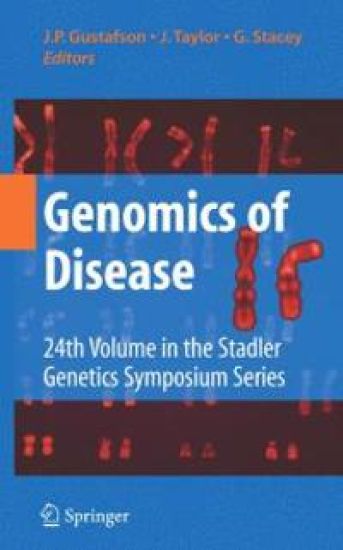
Genomics of Disease

Genomics of Disease

Springer-Verlag New York Inc.
2008
sidottu
The title will develop from the 24th Stadler symposium. It will explore the general theme "GENOME EXPLOITATION: Data Mining the Genomes". The idea behind the theme is to discuss and illustrate how scientists are going to characterize and make use of the massive amount of information being accumulated about plant and animal genomes. The book will present a state-of-the-art picture on mining the Genome databases. This will be one of the few times that researchers in both plants and animals will be working together to create a seminal data resource.
Genomics In Asia

Genomics In Asia

Margaret Sleeboom-Faulkner

Routledge
2012
nidottu
This book provides insights on research into the social, political and ethical aspects of genomics, and reflects the bioethical experiences of researchers from Japan, China, the Philippines, Thailand, Taiwan, Pakistan, India and Malaysia. The subjects of discussion vary from genetics in China to religious perspectives on cloning and genetic therapy. Themes include the commercial and medical application of new bioengineering technologies, such as the impact of preventive genetic medicine, genetic counselling, genetically modified organisms [GMOs] and stem-cell research on wealth distribution, cultural traditions, social well-being, and political and legal regulations and institutions. In the study of bioengineering in Asia, various perspectives were brought together at a concrete research level. The authors tried to avoid macro-concepts incorporated by dichotomies of East and West and to acquire new insights into the relationship between local knowledge systems and cultures and interests groups on the one hand and the constellation of various interests of scientific research, governments and MNCs on the other.
Genomics-Guided Natural Products Discovery

Genomics-Guided Natural Products Discovery

ELSEVIER SCIENCE PUBLISHING CO INC
2025
sidottu
Genomics-Guided Natural Products Discovery, Volume 717 focuses on how the genomics revolution has catalyzed a resurgence of interest in natural products research. With the explosion of new sequencing data to analyze, “genome-mining” tools have grown in sophistication. Hence, this volume captures the utility of these tools, serving as a how-to guide to lower the entry barrier for newcomers. Topics covered in this new release include Merging RODEO with genomic enzymology workflows to guide RiPP discovery, Exploring Ribosomally Synthesized and Post-translationally Modified Peptides through SPECO-Based Genome Mining, Genome Mining for Natural Products Made by Multinuclear Iron-dependent Oxidation Enzymes (MNIOs), and much more. Additional sections explore Genome-based discovery of polyketides generated by trans-acyltransferase polyketide synthases, Global genome mining in fungi using FunBGCe, Plant genome mining of burpitides from fused precursor peptides, Determining biosynthetic gene cluster boundaries thru comparative bioinformatics, Genome mining for bacterial terpenoids, Bioinformatics guided synthesis of natural product cyclic peptides, Overview of Genome Mining Strategies for Natural Products Discovery, and much more.
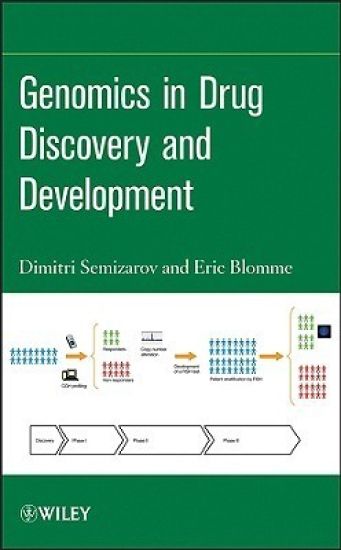
Genomics in Drug Discovery and Development

Genomics in Drug Discovery and Development

Dimitri Semizarov; Eric Blomme

John Wiley Sons Inc
2008
sidottu
Early characterization of toxicity and efficacy would significantly impact the overall productivity of pharmaceutical R&D and reduce drug candidate attrition and failure. By describing the available platforms and weighing their relative advantages and disadvantages, including microarray data analysis, Genomics in Drug Discovery and Development introduces readers to the biomarker, pharmacogenomic, and toxicogenomics toolbox. The authors provide a valuable resource for pharmaceutical discovery scientists, preclinical drug safety department personnel, regulatory personnel, discovery toxicologists, and safety scientists, drug development professionals, and pharmaceutical scientists.
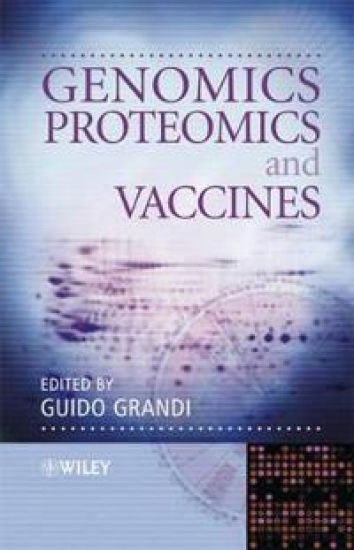
Genomics, Proteomics and Vaccines
The field of vaccine development is one of the first to benefit from the new technologies of genomics, proteomics and bioinformatics. The complete genome sequences of many bacteria are available and comparisons of pathogenic strains with non-pathogenic relatives are becoming common. Vaccines can now be targeted towards specific gene products that traditional vaccine research failed to discover. This book describes the current status of this field and summarizes the various strategies that are delivering results. The introductory section provides an overview of vaccine research and looks at how genomics can complement traditional approaches. The second section focuses on advanced technologies, such as genome sequence analysis, microarrays, proteomics and high-throughput cloning. The third section constitutes the unique part of this book, with six chapters that describe the application of genomic and proteomic techniques in the search for new antibacterial vaccines. The target pathogens include meningococcus B, streptococci, chlamydia and Pseudomonas. Infectious diseases are once again threatening the health of human populations, even in countries where they were thought to have been controlled. With the spread of antibiotic resistance, the concept of prevention rather than cure becomes ever more important. The new genomic approaches described in this book will help to accelerate vaccine development and benefit the health of millions of people worldwide. This book should be of interest to all those working in vaccine discovery and development in pharmaceutical and biotechnology companies as well as in academic institutions.
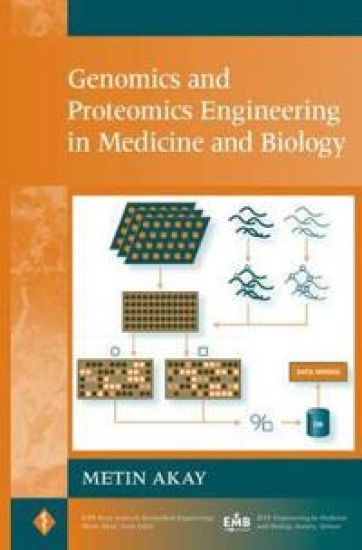
Genomics and Proteomics Engineering in Medicine and Biology
Current applications and recent advances in genomics and proteomics Genomics and Proteomics Engineering in Medicine and Biology presents a well-rounded, interdisciplinary discussion of a topic that is at the cutting edge of both molecular biology and bioengineering. Compiling contributions by established experts, this book highlights up-to-date applications of biomedical informatics, as well as advancements in genomics-proteomics areas. Structures and algorithms are used to analyze genomic data and develop computational solutions for pathological understanding. Topics discussed include: Qualitative knowledge modelsInterpreting micro-array dataGene regulation bioinformaticsMethods to analyze micro-arrayCancer behavior and radiation therapyError-control codes and the genomeComplex life science multi-database queriesComputational protein analysisTumor and tumor suppressor proteins interactions
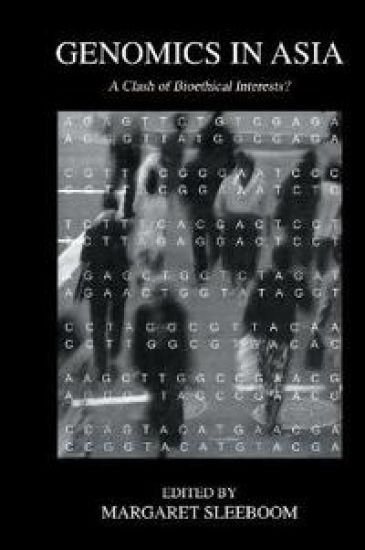
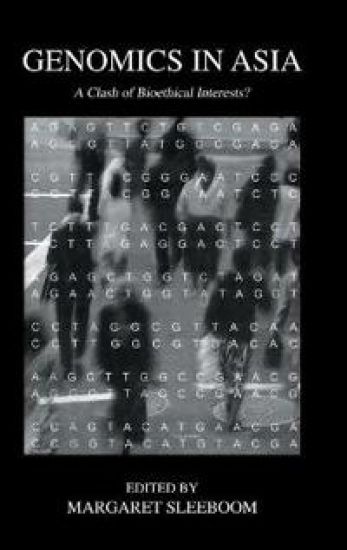
Genomics In Asia

Genomics In Asia

Margaret Sleeboom-Faulkner

Kegan Paul
2008
sidottu
Genomics in Asia focuses on issues dealing with the development and application of molecular biology and bioengineering technologies in Asian societies and cultures. The workshop on which this book is based aimed to gain an insight into bioethical issues with relation to the dynamics of Asian societies, cultures and religions. It was to generate debate on Asian Genomics and create a basis for comparative research into the relationship between the development and application of modern genetics, cultural values, and local interests in Asian societies. The papers first of all reflect a great variety of bioethical views discussed from the angle of different disciplinary and cultural backgrounds, creating a basis on which a further comparison between different local knowledge systems in relation to genomic practices will be feasible. This book provides insights on research into the social, political and ethical aspects of genomics, and reflects the bioethical experiences of researchers from Japan, China, the Philippines, Thailand, Taiwan, Pakistan, India and Malaysia. The subjects of discussion vary from genetics in China to religious perspectives on cloning and genetic therapy. Themes include the commercial and medical application of new bioengineering technologies, such as the impact of preventive genetic medicine, genetic counselling, genetically modified organisms [GMOs] and stem-cell research on wealth distribution, cultural traditions, social well-being, and political and legal regulations and institutions. In the study of bioengineering in Asia, various perspectives were brought together at a concrete research level. The authors tried to avoid macro-concepts incorporated by dichotomies of East and West and to acquire new insights into the relationship between local knowledge systems and cultures and interests groups on the one hand and the constellation of various interests of scientific research, governments and MNCs on the other.