Kirjojen hintavertailu. Mukana 11 244 527 kirjaa ja 12 kauppaa.

Kirjahaku

Etsi kirjoja tekijän nimen, kirjan nimen tai ISBN:n perusteella.

1000 tulosta hakusanalla Alfred H. New

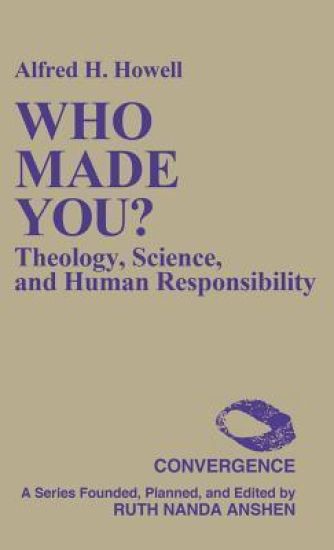
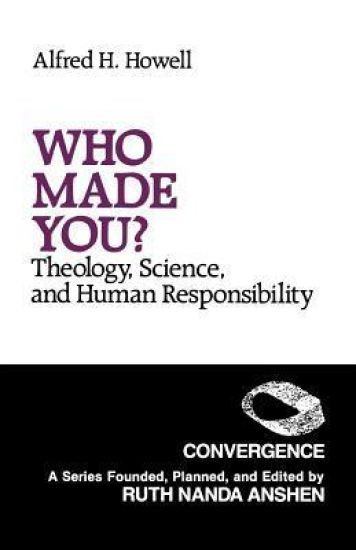
Who Made You?

Who Made You?

Alfred H. Howell

Praeger Publishers Inc
1989
sidottu
Howell's evocative and multifaceted inquiry into man's perceptions of God and truth incorporates discussions of the major world religions as well as the modern scientific disciplines of physics, biology, zoology, neuroscience, and ecology. In his attempt to answer the question Can men learn to live together in peace and harmony? Howell explores the meaning of faith, the nature of the physical universe, the relationship between science and religion, and the misconceptions that have exacerbated wars, persecutions, and other inhumane behavior throughout human history. With his evocative approach, Howell brings fresh light to old questions. Here is science in religion and religion in science on a Biblical and cosmological background. . . . All in all, great erudition and great fun. Calvin Plimpton, M.D., Emeritus President of Amherst CollegeHowell's evocative and multifaceted inquiry into man's perceptions of God and truth incorporates discussions of the major world religions as well as the modern scientific disciplines of physics, biology, zoology, neuroscience, and ecology. In his attempt to answer the question Can men learn to live together in peace and harmony? Howell explores the meaning of faith, the nature of the physical universe, the relationship between science and religion, and the misconceptions which have exacerbated (and in some cases have provided), the sole cause of wars, persecutions and other inhumane behavior throughout human history.A historian by training, Howell has written an unusually eloquent and shrewd analysis of some of the seminal issues that arise at the juncture of religion and science. He carefully weighs the creation myths versus what science currently tells us and compares and contrasts Darwinian evolution with religious explanations about the development of the human brain and its capacity for rational thought. Howell then moves to a consideration of how and why man developed his various conceptions of the world around him--Deus Universalis, Deus Sapiens--and the changing faces of an anthropomorphic God. Finally, Howell offers a trenchant discussion of the Revelation and issues a call to the individual to decide who made me? Ideal as supplemental reading for courses in the history of religions, philosophy of religion, or religion and science, Howell's work offers revealing new insights into the complex relationships among faith, religion, God, truth, and man.
Who Made You?

Who Made You?

Alfred H. Howell

Praeger Publishers Inc
1989
nidottu
Howell's evocative and multifaceted inquiry into man's perceptions of God and truth incorporates discussions of the major world religions as well as the modern scientific disciplines of physics, biology, zoology, neuroscience, and ecology. In his attempt to answer the question Can men learn to live together in peace and harmony? Howell explores the meaning of faith, the nature of the physical universe, the relationship between science and religion, and the misconceptions that have exacerbated wars, persecutions, and other inhumane behavior throughout human history. With his evocative approach, Howell brings fresh light to old questions. Here is science in religion and religion in science on a Biblical and cosmological background. . . . All in all, great erudition and great fun. Calvin Plimpton, M.D., Emeritus President of Amherst College Howell's evocative and multifaceted inquiry into man's perceptions of God and truth incorporates discussions of the major world religions as well as the modern scientific disciplines of physics, biology, zoology, neuroscience, and ecology. In his attempt to answer the question Can men learn to live together in peace and harmony? Howell explores the meaning of faith, the nature of the physical universe, the relationship between science and religion, and the misconceptions which have exacerbated (and in some cases have provided), the sole cause of wars, persecutions and other inhumane behavior throughout human history. A historian by training, Howell has written an unusually eloquent and shrewd analysis of some of the seminal issues that arise at the juncture of religion and science. He carefully weighs the creation myths versus what science currently tells us and compares and contrasts Darwinian evolution with religious explanations about the development of the human brain and its capacity for rational thought. Howell then moves to a consideration of how and why man developed his various conceptions of the world around him--Deus Universalis, Deus Sapiens--and the changing faces of an anthropomorphic God. Finally, Howell offers a trenchant discussion of the Revelation and issues a call to the individual to decide who made me? Ideal as supplemental reading for courses in the history of religions, philosophy of religion, or religion and science, Howell's work offers revealing new insights into the complex relationships among faith, religion, God, truth, and man.
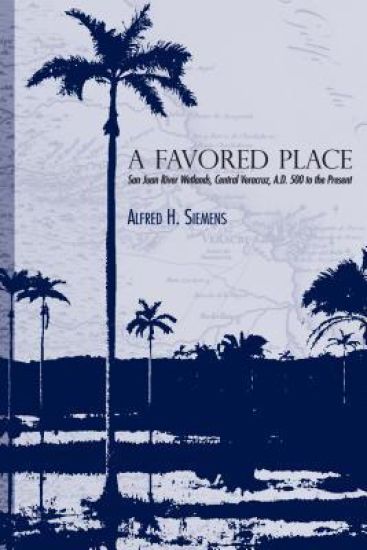
A Favored Place

A Favored Place

Alfred H. Siemens

University of Texas Press
2013
nidottu
The wetlands of the San Juan Basin in Central Veracruz, Mexico, have been a favored place since the fifth century A.D., when Prehispanic people built an extensive network of canals and raised fields that allowed for almost year-round agriculture. Alfred Siemens' discovery of the remains of this network in the 1970s led him to uncover fifteen centuries of land-use history in the region. This book contains a full record of his findings.Siemens organizes his history of the San Juan Basin around the question: What relationships exist between Prehispanic agriculture and the production systems of the tropical lowlands in our own time? This focus allows him to chart the changes in human perceptions and uses of the landscape, from the Prehispanic wetland agricultural system to the drained pastures of today's cattle ranches.Amplified with air oblique photography, maps, and tables, and enriched with data from archaeology and colonial archives, this is an authoritative historical geography of a wetland landscape. Or, in the author's more modest words, "It seems to me that what I have here is a biography of a swamp."
Public Enterprises In Peru

Public Enterprises In Peru

Alfred H Saulniers

Routledge
2019
sidottu
This book was created from two case studies of public enterprises jointly carried out by the Office for Public Sector Studies of the University of Texas at Austin, that expanded into a detailed analysis of the overall growth and dynamics of Peru's rapidly changing government portfolio.
Public Enterprises In Peru

Public Enterprises In Peru

Alfred H Saulniers

Routledge
2021
nidottu
This book helps fill the void in teaching materials about the Latin American public sector. It began as two case studies of public enterprises jointly carried out by the Office for Public Sector Studies of the University of Texas at Austin, which the author directed, and the Universidad del Pacifico in Lima. Over the years, the cases expanded into
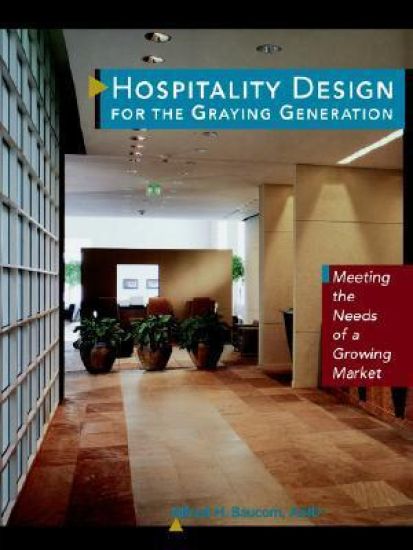
Hospitality Design for the Graying Generation

Hospitality Design for the Graying Generation

Alfred H. Baucom

John Wiley Sons Inc
1996
nidottu
A comprehensive and practical approach to designing for the growing senior market As people live longer, stay healthier, and enjoy more disposable income, their use of hospitality services is increasing dramatically. Hospitality Design for the Graying Generation helps you cater to this expanding market by providing critical information on designing facilities which are sensitive to the needs of the over-65 population. With the important principles explained in this book, designing for the senior consumer can be creative, cost-effective, and benefit all consumers without sacrificing style. This indispensable guide includes: *A Universal Design approach that can be applied to both commercial and residential projects, going beyond compliance with ADA guidelines *A wide range of hospitality design, including restaurants, hotel guest rooms, lobbies, and lounges *Design principles beautifully illustrated with concise, detailed drawings *Extensive coverage of the specific physical needs and psychology of seniors, including physical strength, hearing, sight, color preferences, and other areas *A quick-reference checklist of "senior-friendly" design features When the interior design needs of the over-65 market are met, all potential users gain, regardless of age or ability. This accessible book is an invaluable resource for designers, operators, and other professionals throughout the hospitality industry. With millions of baby boomers rapidly approaching retirement age, the over-65 age group is the fastest-growing segment of the population. As they become healthier, live longer, and have more disposable income, their use of hospitality services, such as hotels and restaurants, will increase dramatically. Whether you are a designer or a hospitality professional, Hospitality Design for the Graying Generation helps you plan for this growing market by providing you with critical information for designing facilities that accommodate the needs of all generations. Clearly written and generously illustrated, Hospitality Design for the Graying Generation shows you how to address the specific physical and psychological needs of seniors, with detailed chapters on mobility, hearing, vision, color preferences, and other important areas. Going beyond ADA guidelines, Alfred Baucom's Universal Design approach enables you to integrate senior-friendly design principles into a wide range of specific environments —from lobbies, common areas, and public restrooms to restaurants, lounges, and hotel guest rooms. In meeting the needs of the over-65 market, Hospitality Design for the Graying Generation ensures that all potential users, regardless of age or ability, will be well accommodated.