

Kirjahaku
Etsi kirjoja tekijän nimen, kirjan nimen tai ISBN:n perusteella.
1000 tulosta hakusanalla Alvar Mould

Alvar Aalto remains Finland's greatest architect, retains his place among the Modern Masters of twentieth-century architecture and is now recognized internationally as one of the world's greatest architects of all time. For Finland, Aalto, through his architecture, furniture, glassware and sculpture, contributed perhaps more than any other Finn to the creation of the cultural identity of the new independent Finland and its promotion around the world. His Finnish Pavilions in Paris and New York from the Thirties placed Finland centre-stage, establishing its identity as a modern, innovative country and generated huge interest in this northern land of lakes and forests. He went on to work in 18 countries around the world, as well as designing many of Finland's most important buildings of the 50s, 60s and 70s. This new biography of Aalto is the first to comprehensively cover his life, from the backwoods of Ostrabothnia to international fame and all of his buildings, from the early alterations and extensions to shops and houses in Jyvaskyla to Finlandia Hall.It draws on Aalto's archive, recollections of former employees and contemporaneous publications to fully explore Alvar Aalto the architect, rather than simply Alvar Aalto's architecture. For the first time, his life is set in the context of the events that surrounded and shaped it - the Finnish Civil War, the Great Depression, The Winter and Continuation Wars, the post-war boom in education, Finland's industrialisation and eventually the social revolution of the 60s which led to his characterization as a member of a Finnish elite and temporary unpopularity. It covers his life from his childhood, growing up in regional Jyvaskyla and Alajarvi, his architectural studies in Helsinki, combat in the Civil War through to the founding of his first office, his early neo-classical work and his international breakthrough with the completion of Paimio Sanatorium and Viipuri Library. It deals with his personal life, his marriage to Aino, what working life in his first office was like, the architectural competitions, his key friendships and continuous financial difficulties.As his career progressed, it explores the patrons who were so important to him - the Gullichsens and the founding of Artek, his new American friends, professorship at MIT. After the war, the death of Aino, marriage to Elissa and the period of his greatest architectural achievements - Saynatsalo Town Hall, Otaniemi University and Imatra Church. It considers the organisation of his new office in Helsinki, his expanding team, fame and eventually vanity. The book seeks to understand what drove him, the combination of skills, talents and character traits, which led to his extraordinary global success. As you will be aware, there is no shortage of books on Alvar Aalto, or to be more precise, there is no shortage of books on Alvar Aalto's Architecture. (Only one previous biography exists, published first in 1984 and now out of print). This book is about an architect and his architecture, written by another architect, not an architectural historian. It is the first, frank and fully-comprehensive biography of Alvar Aalto.
Alvar Aalto: Das Gesamtwerk / L'oeuvre complète / The Complete Work Band 1
Aalto Alvar
Birkhauser
1990
sidottu
Der finnische Architekt Alvar Aalto (1898-1976) entwickelte, ausgehend vom Neoklassizismus und Rationalismus, einen unverwechselbaren eigenen Stil, der funktionale und expressive Momente verschmilzt und dabei den Menschen und seine Bedürfnisse immer in den Mittelpunkt stellt. Das Gesamtwerk von Alvar Aalto mit Bauten und Projekten aus den Jahren 1922-1962 liegt in 3. Auflage vor. 283 Photos, 85 Pläne und 84 Skizzen zeigen in chronologischer Rheinenfolge alle wichtigeren Bauten vom finnischen Theater in Turku (1927-1929) bis zum Plan des neuen Zentrums Helsinki (1962). "Es ist die grosse Leistung dieses Buches, das Einfache und Unfassliche von Aaltos Architektur fühlbar zu machen. Es bringt Aalto in kein Schema, es macht seine Bauten nicht auf, es bildet sie wohltuend effektlos, ohne photographische Ticks ab. Das Buch ist also ganz im Geiste Aaltos, nobel und undemonstrativ...
Alvar Aalto: Das Gesamtwerk / L'œuvre complète / The Complete Work Band 2
Birkhauser
1990
sidottu
Alvar Aalto, born 1898 in Kuortane in Finland, is one of the last of the works personalities of the twentieth century architecture generation. His buildings, from urban planning to simple residential buildings, function as a single organism. He was never interested in formal architectural theories. The path of each building is fascinating, from the first fleeting sketches to the completed work handed over to the client, and strongly defined by the personality of the architect. Everything remains alive and in motion, seems casual and natural as if it grew naturally out of the surroundings. The unique sense for the importance of individual components and construction phases makes it possible to identify a complex of individual style, even in modest construction tasks. Hence, Aalto's designs and experiments result in furniture, lamps, curtains, and many other things that make a house habitable. The central theme of his work is the unity of idea, form, and way of life.

Alvar Aalto: Das Gesamtwerk / L'œuvre Complète / the Complete Work Band 3
Birkhauser
1984
sidottu
Alvar Aalto, born 898 in Kuortane in Finland, is one of the last of the works personalities of the twentieth century architecture generation. His buildings, from urban planning to simple residential buildings, function as a single organism. He was never interested in formal architectural theories. The path of each building is fascinating, from the first fleeting sketches to the completed work handed over to the client, and strongly defined by the personality of the architect. Everything remains alive and in motion, seems casual and natural as if it grew naturally out of the surroundings. The unique sense for the importance of individual components and construction phases makes it possible to identify a complex of individual style, even in modest construction tasks. Hence, Aalto's designs and experiments result in furniture, lamps, curtains, and many other things that make a house habitable. The central theme of his work is the unity of idea, form, and way of life.
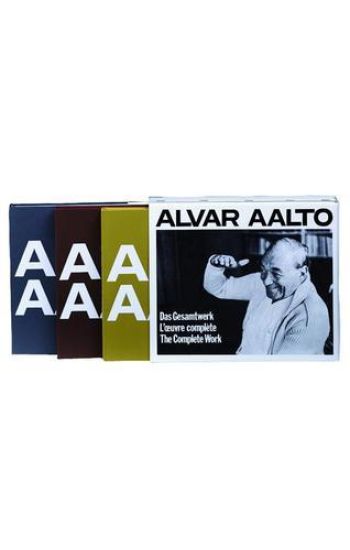
Alvar Aalto – Das Gesamtwerk / L'œuvre complète / The Complete Work
Birkhauser
1990
sidottu
Alvar Aalto, born 1898 in Kuortane in Finland, is one of the last of the works personalities of the twentieth century architecture generation. His buildings, from urban planning to simple residential buildings, function as a single organism. He was never interested in formal architectural theories. The path of each building is fascinating, from the first fleeting sketches to the completed work handed over to the client, and strongly defined by the personality of the architect. Everything remains alive and in motion, seems casual and natural as if it grew naturally out of the surroundings. The unique sense for the importance of individual components and construction phases makes it possible to identify a complex of individual style, even in modest construction tasks. Hence, Aalto's designs and experiments result in furniture, lamps, curtains, and many other things that make a house habitable. The central theme of his work is the unity of idea, form, and way of life.
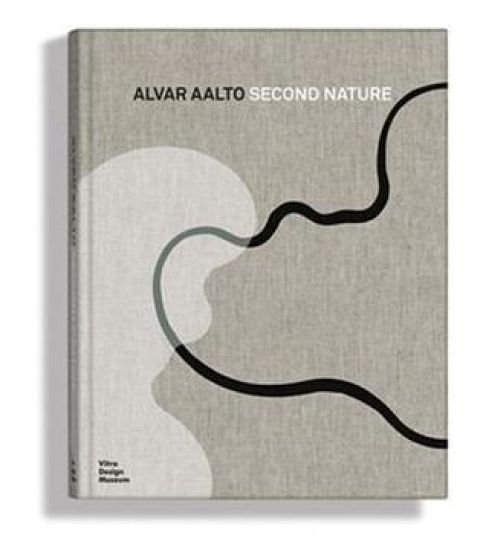
The richly illustrated book is the first in many years to offer a comprehensive and current overview of Aalto's oeuvre as an architect, designer and urban planner. Ten authors, such as the renowned architectural historians Eeva-Liisa Pelkonen and Akos Moravanszky and MoMA curator Pedro Gadanho, address central aspects in Aalto's work. Particular attention is directed to Aalto's dialogue with important artists of his day, including Laszlo Moholy -Nagy, Jean Arp, Alexander Calder and Fernand Leger, as well as his interest in film, cinema and photography whose influences on his work are examined here for the first time. The catalogue section presents numerous never-before-seen original drawings and architectural models from the archive of the Alvar Aalto Foundation. The new contemporary perspective on Alvar Aalto is complemented with photographs by Armin Linke who documented a number of Aalto's buildings anew especially for this publication. As these images demonstrate: Aalto's work is as current and inspiring today as at the time of its creation.
Alvar Aalto
ADA EDITORS
2009
pokkari
Alvar Aalto
Ediciones Poligrafa
2021
sidottu
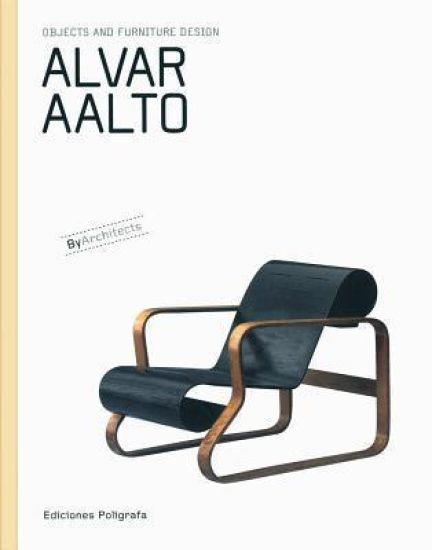
Alvar Aalto (1898-1976) is the most prestigious Finnish architect of the last century, and the father of Nordic Modernism. He once said, "God created paper for the purpose of drawing architecture on it. Everything else is at least for me an abuse of paper." In the U.S. Aalto's critical reception began with his design for the Finnish Pavilion at the 1939 World Fair in New York: Frank Lloyd Wright described it as a "work of genius." After World War II, Aalto also designed MIT's student dormitory. Prior to this, the architect's Paimio Sanatorium (1929) and Viipuri Library (1935), both in Finland, had already attracted international praise. He was also an outstanding town planner, painter and sculptor. Aalto's Modernism entailed the use of natural materials, warm colors, and undulating lines, and he is considered an important early exponent of Organic Design as a result. Of his design work outside of architecture, Aalto's vases, lamps, glassware and laminated bent-plywood furniture (pioneered and produced through the design company he co-founded, Artek) are equally esteemed. Iconic pieces include the Savoy Vase, the Paimio Chair and the Beehive Lamp. This monograph on Aalto's highly collectible furniture designs expands our understanding of the diverse abilities of this influential architect/designer.
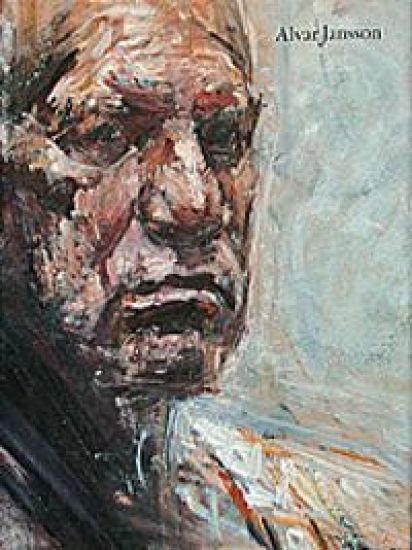
Han har kallats en »konstens enstöring«, som målade tvärtemot alla rådande konstriktningar. Han skildrade realistiskt och i dämpade färger människor, djur och natur. Här återges målningar, laveringar och teckningar från åren 1943- 91. Texter av konstnären själv, Peter Dahl, Ingvar Oljelund, Ingemar Lindahl, Tomas Herngren och Lena Boëthius.
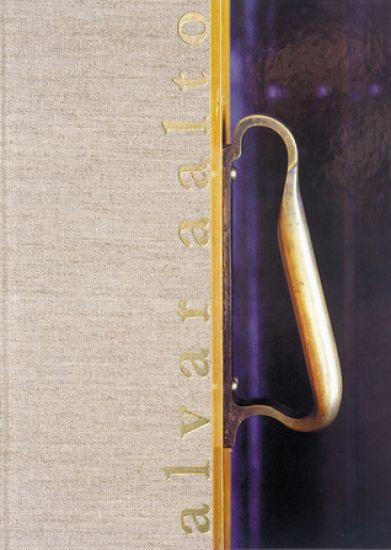
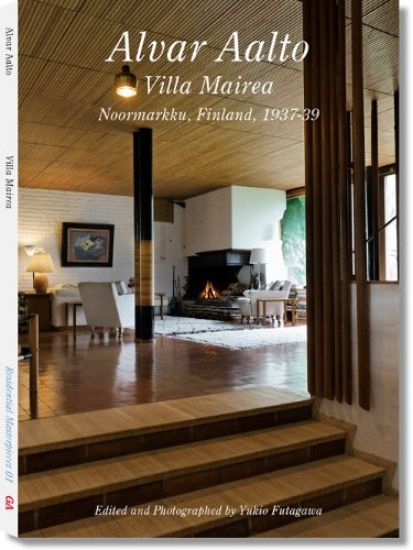
Alvar Aalto oli poikkeuksellisen monipuolinen ja tuottelias arkkitehti, joka 1920-luvulta 1970-luvulle suunnitteli Suomeen, muualle Eurooppaan ja Yhdysvaltoihin satoja kohteita yksityistaloista kaupunkikeskuksiin. Hän luennoi, maalasi, suunnitteli huonekaluja ja lasiesineitä arkkitehtuurin rinnalla. Kaiken mittana oli aina ihminen ja yksityisen ihmisen hyvinvointi. Kirjassa esitellään 23 kohdetta - Aallon hienoimpia rakennuksia kuten Paimion parantola, Villa Mairea, Viipurin kirjasto ja Finlandia-talo. Maija Holman kiehtovan kauniiden valokuvien lisäksi kirjassa on Markku Lahden erinomainen kirjoitus Alvar Aallon elämästä ja tuotannosta. Selkeä ja helppolukuinen teksti tarjoaa perustietojen lisäksi kiinnostavia kuvauksia mestarin arjesta ja työstä höystettynä aikalaiskommentein ja Aallon omien kirjoitusten sitaatein. 221 valokuvaa, 61 piirrosta, 4-värinen, kielet: suomi, englanti, saksa, italia, 4 taiteaukeamaa, koko 240 x 340.
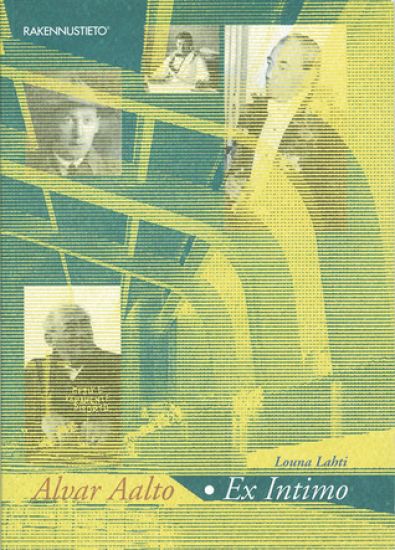
This chronicle mixes interviews with recognizable characters and contemporaries in architect Alvar Aalto's office and "court" with stories from the family--some close to the architect, others on the fringe of the "master." These interviews begin to weave new patterns, providing a closer look at Aalto's contribution to modern architecture.
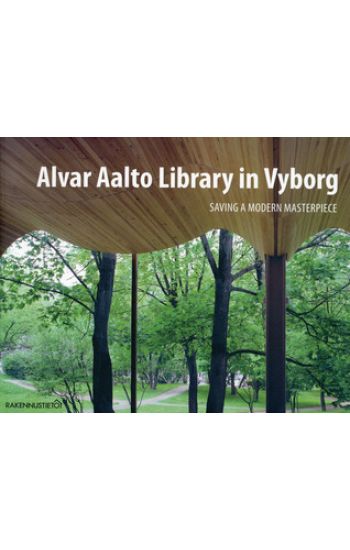
Alvar Aalto Library in Vyborg
Rakennustieto Publishing
2009
nidottu
Alvar Aallon Viipurin kirjasto on läpikäynyt dramaattisia vaiheita valmistumisensa jälkeen. Se rappeutui hylättynä vuosikymmenen ajan, se korjattiin 1950-luvulla virheellisin menetelmin ja materiaalein, ja vuodesta 1994 tähän päivään sitä on restauroitu määrätietoisesti kansainvälisin voimin. Alvar Aalto Library in Vyborg - Saving a Modern Masterpiece -kirja näyttää, miten vaihe vaiheelta toteutuva restaurointityö herättää henkiin maailmankuulun funktionalismin mestariteoksen. Restaurointityö on jaettu osaprojekteihin, jotka on toteutettu kiireellisyysjärjestyksessä. Kirjaan on koottu kaikki tähän mennessä valmistuneet osaprojektit; pääaulan suuri lasijulkisivu, entinen talonmiehen asunto, katot, pyöreät kattoikkunat, ulko-ovet, lainaussalin terassin ulkoporras, lastenosaston sisäänkäynti, rautarakenteiset ikkunat, sanomalehtisali sekä luentosali kuuluisine aaltoilevine alakattoineen. Restauroinnin vaiheet esitellään perusteellisesti suunnitelmapiirustuksin ja yksityiskohtaisin työmaavalokuvin. Valikoidut alkuperäispiirustukset ja 1930-luvun valokuvat vastavalmistuneesta kirjastosta rinnastuvat tilanteeseen ennen ja jälkeen restaurointia, ja taustoittavat suunnitteluratkaisuja. Asiantuntija-artikkeleissa kerrotaan mm. kirjastossa sovelletuista restaurointiperiaatteista.
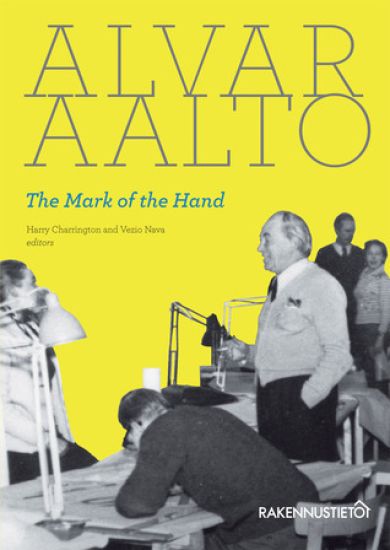
Tämä kirja tarjoaa näkökulman Alvar Aallon luomistyöhön hänen ateljeessaan työskennelleiden henkilöiden kautta. Kirjaan on koottu keskusteluja, joissa Aallon työntekijät arkkitehdeista mallinrakentajiin ja sihteereihin muistelevat maailmankuulun arkkitehdin palveluksessa viettämäänsä aikaa. Kaikkiaan 64:ää Aallon rakennusta ja suunnitelmaa sivuavat puheenvuorot valottavat arkkitehtonisten ratkaisujen syntyä, Aallon inspiraation lähteitä ja sitä, miten hän ohjasi suunnitteluprosessin kulkua. Keskusteluissa kuuluu selkeästi jokaisen omakohtainen kokemus työskentelystä suuren maestron rinnalla, Alvar Aallon luomassa ilmapiirissä.
Alvar Aalto - Villa Tammekann
Turun yliopistosäätiö
2000
sidottu
Alvar Aalto
Rakennustieto Publishing
2014
sidottu
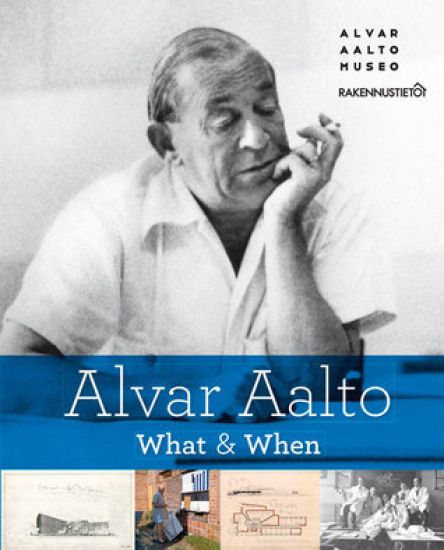
Alvar Aalto osallistui elämänsä aikana yli 500 rakennushankkeeseen, joista lähes 100 oli kansainvälisiä. Yli 50 vuoden ajan hän oli aktiivisesti kehittämässä rakennettua ympäristöä, verkostoitui aikansa merkittävimpien vaikuttajien kanssa, puhui ja kirjoitti arkkitehtuurista.Tähän kirjaan on koottu vuosittain aikajärjestyksessä ja paikkakunnittain aakkosjärjestyksessä Aallon toteutuneet ja toteutumattomat suunnitelmat. Joka vuoden aloittaa johdanto, jossa kerrotaan Aallon matkoista, ihmisistä joita hän tapasi sekä työ- ja yksityiselämän merkittävistä tapahtumista. Tekstejä elävöittävät Aallon kirjoitusten ja puheiden sitaatit sekä värikkäät aikalaiskirjoitukset, jotka tuovat arkkitehti Aallon ihmisenä lähemmäs lukijaa.Runsas ja monipuolinen kuvitus - noin 70 piirrosta ja valokuvaa yli 70 vuoden ajalta - täydentää yksityiskohtaista tietopakettia. Kronologisen aineiston lisäksi kirjasta löytyvät Alvar Aallon täydelliset CV-tiedot, jäsenyydet koti- ja kansainvälisissä yhteisöissä, arvonimet, kunniamerkit, palkinnot sekä kilpailujen nimimerkit.Kirja on välttämätön hakuteos tutkijoille sekä jokaiselle Aallon arkkitehtuurista kiinnostuneelle. Kirjan lopussa on paikkakunta- ja kohdehakemisto, joka helpottaa tietojen etsimistä.
Alvar Aalto Library in Vyborg
Rakennustieto Publishing
2015
nidottu
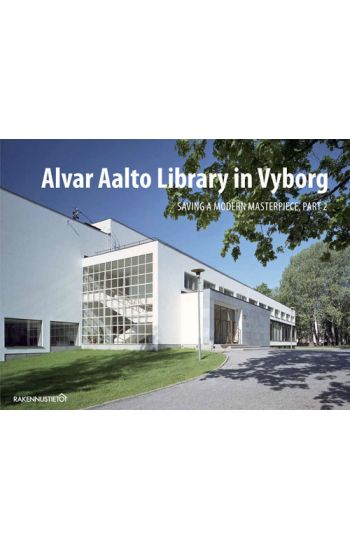
Arkkitehti Alvar Aallon Viipurin kirjasto oli valmistuessaan vuonna 1935 aikansa merkittävimpiä funktionalistisia rakennuksia. Pitkään rappiolla olleen kirjaston vuonna 1994 aloitettu restaurointityö valmistui 2013; se on palkittu poikkeuksellisen laadukkaasta lopputuloksesta ja ansiokkaasta kansainvälisestä yhteistyöstä useilla palkinnoilla. Tämä kirja jatkaa siitä, mihin edellinen osa jäi ja esittelee yksityiskohtaisesti tekstein, valokuvin ja piirustuksin vuosina 2010–2013 valmistuneet korjausprojektit: luentosalin, lainaus- ja lukusalit, lasten kirjaston, pääsisäänkäynnin ja aulan, kellarikerrokset, kirjavaraston ja tekniset järjestelmät sekä ulkoseinät ja katon. Näkökulma on nykyhetkessä, vasta restauroidussa kirjastorakennuksessa, sen puhtaan valkoisissa pinnoissa, sisäänkäynnin pehmeänharmaassa vuolukivijulkisivussa, ikkunoiden, ovien ja portaikkojen viimeistellyissä yksityiskohdissa. Tätä kirjaa varten otetut kauniit valokuvat näyttävät Aallon mestariteoksen uudessa loistossaan. Englanninkielinen.
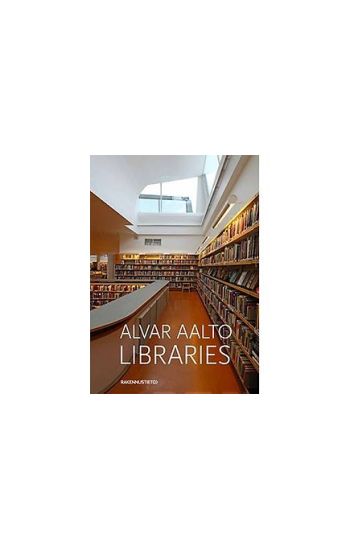
Jari and Sirkkaliisa Jetsonen's monograph on the libraries of Alvar Aalto presents all 18 of his completed libraries as well as the Academic Bookstore. Chronologically the sites range from Viipuri Library in the 1930s to Alajärvi Library in the 1990s, which was realised after Aalto's death. Some of the libraries are part of larger administrative or cultural centres. In an introductory essay, Teija Isohauta writes about Aalto's unrealised library projects. Aalto's libraries have served various needs. Some of them are public libraries, such as those in Seinäjoki, Rovaniemi and Wolfsburg. The libraries at the University of Jyväskylä, Helsinki University of Technology and the Mount Angel monastery are scholarly libraries. The libraries in private houses such as Villa Mairea and Maison Carré, offered a tranquil work space. The book also describes the changes in use that the libraries have undergone. In the libraries it was important to create spaces for different kinds of functions and users. In some of them Aalto arranged the functional differences by means of combinations of fan shapes for the main library spaces together with a strict rectangularity for the work rooms. Side by side one encounters visibility and openness and, on the other hand, also sheltered and tranquil places to sit and read. Both natural and artificial light fulfil their respective purposes. Skylights and clerestory windows bring natural light into the core of even deep building frames. Natural light creates a strong positive ambience in the reading and lending halls. The individual lamps on the reading tables in turn create enchanted circles of light. Aalto felt a particular affinity for designing libraries. He himself was interested in literature and reading. Nowadays almost half of all Finns are regular users of libraries, the functions of which, however, have changed and continue to change - in addition to books, many other services have become integral parts of the libraries.