Ein Referat, eine Präsentation, ein paar Worte zur Begrüßung Situationen, in denen man frei sprechen und "gut ankommen" muss, ergeben sich immer wieder. Wer seine Rede geschickt aufbaut und souverän argumentiert, schafft eine solide Ausgangsbasis für eine gelungene Ansprache. Das Wissen um sprachliche Mittel und deren Wirkungen, Körpersprache, Gestik, Mimik, Stimmführung, Tempo und Pausen verleihen dem Auftritt den entscheidenden Schliff. Der Ratgeber hat zusätzlich viele nützliche Tipps und Übungen parat.
Since its founding in 1881, H. Schmincke & Co has been a premier producer of artists’ paints. Artists such as Otto Dix, Emil Nolde and Oskar Kokoschka relied on Schmincke colours, as do many of today’s professional and amateur painters. This history of the company traces its development over four generations. It tells the story of H. Schmincke’s modest beginnings at the end of the 19th century and their first product: oil paint. During an era of unprecedented artistic achievement in Europe and America, the company added watercolours and pastels to its acclaimed line of products. This book also takes readers through the struggles of the Jewish owners during the Third Reich, and how the family rebuilt the company after its buildings were destroyed in the Second World War. Since then, the company experienced a successful expansion during the post-war decades as well as a downturn caused by the collapsing economy and family issues. Now in its fourth generation of ownership, H. Schmincke is thriving amidst global challenges and opportunities. Beautifully illustrated with artistic and archival images, this is a unique look behind the scenes of a company that has been committed to excellence in manufacturing—and to a rich engagement with the art world—for nearly 150 years.
The U.S. Department of the Air Force (DAF) must develop and sustain mission-critical knowledge, skills, and abilities (KSAs) among airmen, guardians, and civilians. Yet training and education is costly. This report describes how computational cognitive models can deliver personalized and adaptive training that enhanced learning gains and reduced training time for mission-critical KSAs, with emphasis on second-language learning, for the DAF.
Der 51 Jahre alte Andreas verl sst seine Lebensgef hrtin und beginnt sein Leben noch einmal von vorn. Im Chat von Gayb rse lernt er Silvio kennen und verliebt sich in ihn. Dieser gesteht auch ihm, seine Liebe und sie tr umen von einer gemeinsamen Zukunft. Doch als Andreas ihn pers nlich kennenlernen will, vereitelt Silvio alle seine diesbez glichen Versuche. Stattdessen beginnt er, Andreas psychisch zu misshandeln. F r Andreas stellt sich die Frage: Wer ist Silvio? Und warum entzieht sich Andreas nicht Silvios Einfluss? W hrend dessen denkt Andreas immer wieder an Erlebnisse, die er in seiner Kindheit, als Jugendlicher und Erwachsener hatte, die ihn zu dem Menschen werden lie en, der er heute ist.
Increasingly humanitarian NGOs operate in the context of armed conflicts where the security risks are higher than in contexts of natural disaster. Working in Afghanistan, Somalia, Sudan, South Sudan, Pakistan and Sri Lanka is particularly dangerous for humanitarians. This existential threat affects the physical existence of aid workers and the implementation of humanitarian programs, and the core beliefs of humanitarians and the underlying principles of humanitarian action. For NGOs it is difficult to accept that they are attacked despite their good intentions, sometimes even by the very communities they seek to help. For these reasons, humanitarian NGOs have to change their approaches to security by not only adapting their policies, procedures and structures to the changing environment, but also reviewing the underlying principles of their work. This book contributes to debates by demonstrating how issues of (in)security affect humanitarian NGOs and the humanitarian identity, situating the structural changes within the humanitarian NGO community in the context of conflict aid governance and explains how non-state actors establish their own governance structures, independent from state-sponsored solutions, and contributes to the emerging literature on the redefinition of the concept of epistemic communities.
Increasingly humanitarian NGOs operate in the context of armed conflicts where the security risks are higher than in contexts of natural disaster. Working in Afghanistan, Somalia, Sudan, South Sudan, Pakistan and Sri Lanka is particularly dangerous for humanitarians. This existential threat affects the physical existence of aid workers and the implementation of humanitarian programs, and the core beliefs of humanitarians and the underlying principles of humanitarian action. For NGOs it is difficult to accept that they are attacked despite their good intentions, sometimes even by the very communities they seek to help. For these reasons, humanitarian NGOs have to change their approaches to security by not only adapting their policies, procedures and structures to the changing environment, but also reviewing the underlying principles of their work. This book contributes to debates by demonstrating how issues of (in)security affect humanitarian NGOs and the humanitarian identity, situating the structural changes within the humanitarian NGO community in the context of conflict aid governance and explains how non-state actors establish their own governance structures, independent from state-sponsored solutions, and contributes to the emerging literature on the redefinition of the concept of epistemic communities.
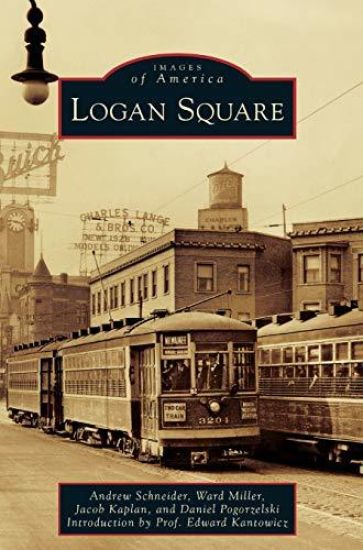
The community now called Logan Square began as a patchwork of farms, hay fields, subdivisions, and small towns in rural Jefferson Township. Subsumed into the rapidly expanding city of Chicago at the end of the 19th century, the elegant residences lining the boulevards would gain prominence as an ethnic gold coast. Over time, a shifting kaleidoscope of peoples would call Logan Square home, including Yankee farmers, Scandinavian proprietors, German tradesmen, African American freedmen, Polish shopkeepers, Jewish merchants, Filipino laborers, and Cuban refugees--a diversity further enriched with the many nations of the former Soviet Bloc, as well as Latin America and the Caribbean, that would later settle here. Like many other Chicago neighborhoods, change is the one constant, as the arts have brought a renaissance to this working-class corner of the city. The photographs that appear in this book were compiled by the authors from a variety of private and institutional collections.
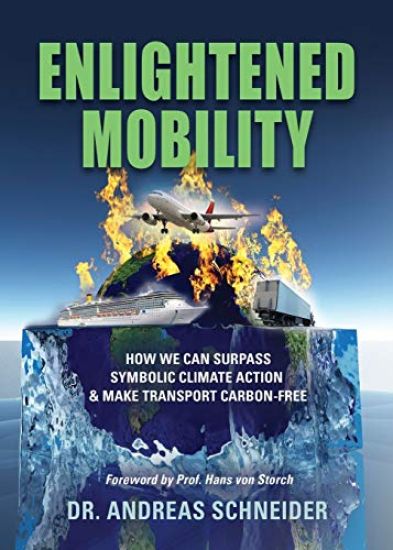
Foreword by renowned climate scientist Hans von Storch.The man-made greenhouse effect has been validated by science. Transportation with its high carbon intensity is a major driver of the greenhouse effect. It makes up for one quarter of global carbon dioxide emissions. These emissions come burning fossil fuel for cars, trucks, ships, trains, and planes and they significantly contribute to global warming. This climate change will not only result in rising sea levels that will put coastal cities at risk but will also have severe ecological, physical and health impacts. The public discussion on how to fight climate change mostly evolves around symbolic actions whose effect is rather doubtful. Will prohibiting domestic flights in France significantly reduce carbon emissions? How about introducing restrictive speed limits on roads? Should we keep flying at all?Enlightened Mobility applies a fact-based, rational approach to outline the most beneficial strategies to combat climate change in the transportation sector. Based on the author's experience from 15 years of consulting in mobility and transportation, it focuses on the major levers. These are Technology, Modal Shift, and Demand Management. The book explains why our current local and national thinking is doomed to fail and where resources need to be invested to have the maximum impact on emission reduction. At the same time, the author suggests a new mobility paradigm and paints a picture of the multimodal future of transportation. A provocative vision that challenges widespread thinking and common knowledge.
Neue Wege der Kundenakquise entdecken! »Social Media« heißt das neue Zauberwort für die Kunden- und Auftragsgewinnung. Richtig eingesetzt, bieten die verschiedenen Plattformen für jeden Verkäufer und Vertriebsmitarbeiter ungeahnte Möglichkeiten. Für den richtigen Überblick im Dschungel der verschiedenen Social-Media-Kanäle sorgt nun Andre Schneider. Er erklärt Ihnen, wie Sie Kunden über Facebook, XING, Twitter und Co. akquirieren können. Sie lernen zum Beispiel, wie Sie • Kunden ansprechen und gewinnen können. • einen Kontaktpool aufbauen, der weit über direkte Kontakte hinausgeht. • virale Effekte nutzen. • stufenweise Vertrauen bei Ihren Kunden aufbauen und wie • Sie geeignete Kooperationspartner finden können. Sie erfahren Schritt für Schritt, wie erfolgreiche Kundenakquise heute im Internet funktioniert und welche fünf fatalen Fehler Sie nicht machen sollten. Zahlreiche Fallbeispiele und Checklisten als Hilfe zur praktischen Anwendung runden den Ratgeber ab.
Nach den Rekordjahren f r Gr nder von jungen Unternehmen ab Mitte der 1990er Jahren ist in den folge Jahren die Euphorie um Neugr ndungen aufgrund des Niedergangs vieler Start-Ups der New Economy deutlich abgeebbt. Inzwischen hat sich gezeigt, dass in der Neuen konomie" auch die Gesetze der Alten konomie" gelten. Das anf ngliche Wachstum dieser Unternehmen erbringt n mlich keinen Erfolg, wenn die Verluste im gleichen Ma e bzw.noch schneller anwachsen. Daher ist f r ein Unternehmen nach der erfolgreichen Gr ndung der dauerhafte Fortbestand des Unternehmens zu sichern. Dies wird durch stetiges Wachstum erm glicht. Um dieses zu erreichen gibt es viele M glichkeiten. Eine ist in diesem Falle, die Ausrichtung von Unternehmen anLebenszyklusmodellen. Auf diese m chte ich auch im Rahmen meiner Seminararbeit eingehen. Das Ziel, welches ich mit meiner Seminararbeit zu erreichen vermag, ist dem Leser einen berblick ber die meist diskutierten Unternehmenslebenszyklusmodelle aufzuzeigen und insbesondere zwei von diesen n her zu erl utern. Auf dieser Grundlage werde ich ein eigenes Schneider'sche Modell entwickeln, welches die Phasen von unterschiedlichen Modellen integriert.Einleitend wird der Begriff der Unternehmensgr ndung definiert und m gliche Arten einer solchen Unternehmensgr ndung augezeigt. Anschlie end werde ich ber die Unternehmensentwicklung auf die Lebenszyklen eingehen und ein abschlie endes Fazit meiner Arbeit abgeben.