
Kirjahaku
Etsi kirjoja tekijän nimen, kirjan nimen tai ISBN:n perusteella.
1000 tulosta hakusanalla Anthony B Johnson
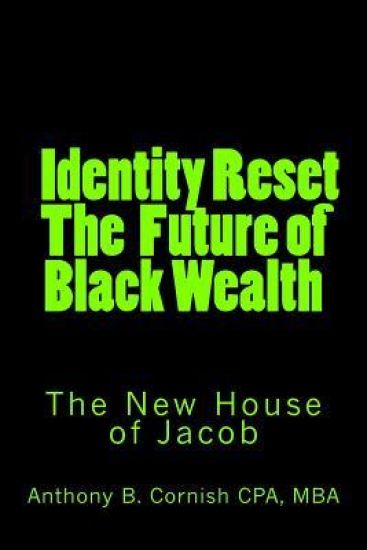
Identity Reset - The Future of Black Wealth: The New House of Jacob
Anthony B. Cornish Cpa
Ubw Holdings, Incorporated
2014
nidottu
This is an amazing walk through the true history of so-called people of color. The book maps the true identity of the so-called Negro and Latino from Biblical times up until today. It gives unequivocal evidence and clues that point to the Hebrew Origins of so-called people of color in the Western Hemisphere.This work can at once be used as a Biblical reference, history book, and economics guide.Solutions to the wealth problem are laid out in a practical, motivating, and inspirational manner.
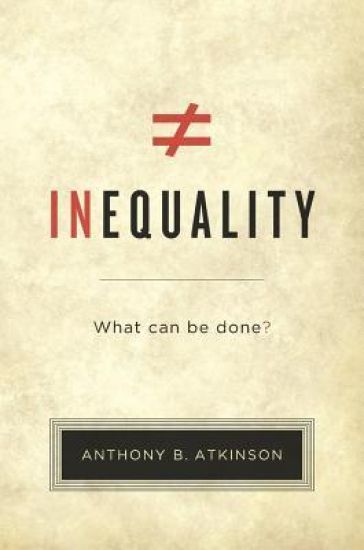
Winner of the Richard A. Lester Award for the Outstanding Book in Industrial Relations and Labor Economics, Princeton UniversityAn Economist Best Economics and Business Book of the YearA Financial Times Best Economics Book of the YearInequality is one of our most urgent social problems. Curbed in the decades after World War II, it has recently returned with a vengeance. We all know the scale of the problem—talk about the 99% and the 1% is entrenched in public debate—but there has been little discussion of what we can do but despair. According to the distinguished economist Anthony Atkinson, however, we can do much more than skeptics imagine.“[Atkinson] sets forth a list of concrete, innovative, and persuasive proposals meant to show that alternatives still exist, that the battle for social progress and equality must reclaim its legitimacy, here and now… Witty, elegant, profound, this book should be read.”—Thomas Piketty, New York Review of Books“An uncomfortable affront to our reigning triumphalists. [Atkinson’s] premise is straightforward: inequality is not unavoidable, a fact of life like the weather, but the product of conscious human behavior.—Owen Jones, The Guardian
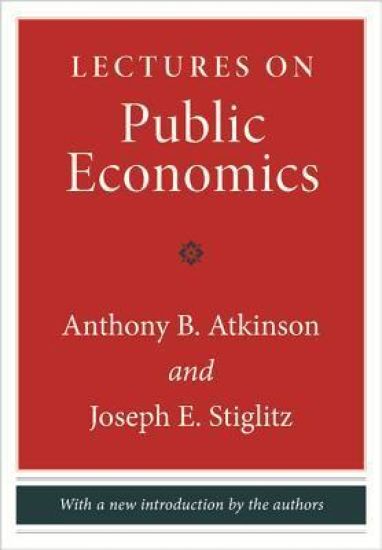
Lectures on Public Economics
Anthony B. Atkinson; Joseph E. Stiglitz
PRINCETON UNIVERSITY PRESS
2015
sidottu
This classic introduction to public finance remains the best advanced-level textbook on the subject ever written. First published in 1980, Lectures on Public Economics still tops reading lists at many leading universities despite the fact that the book has been out of print for years. This new edition makes it readily available again to a new generation of students and practitioners in public economics. The lectures presented here examine the behavioral responses of households and firms to tax changes. Topics include the effects of taxation on labor supply, savings, risk-taking, the firm, debt, and economic growth. The book then delves into normative questions such as the design of tax systems, optimal taxation, public sector pricing, and public goods, including local public goods. Written by two of the world's preeminent economists, this edition of Lectures on Public Economics features a new introduction by Anthony Atkinson and Joseph Stiglitz that discusses the latest developments in the field and areas for future research. * The definitive advanced-level textbook on public economics* Examines the effects of taxation on households and firms* Covers tax system design, optimal taxation, public sector pricing, and more* Includes suggestions for further reading* Additional resources available online
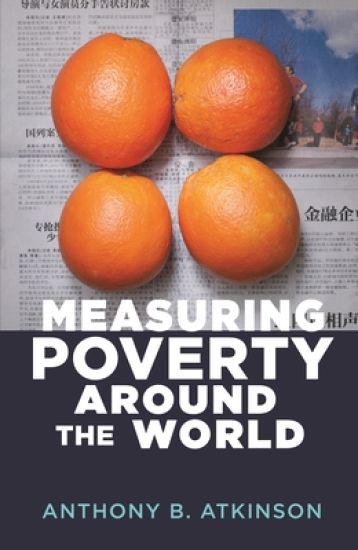
The final book from a towering pioneer in the study of poverty and inequality—a critically important examination of poverty around the worldIn this, his final book, economist Anthony Atkinson, one of the world’s great social scientists and a pioneer in the study of poverty and inequality, offers an inspiring analysis of a central question: What is poverty and how much of it is there around the globe? The persistence of poverty—in rich and poor countries alike—is one of the most serious problems facing humanity. Better measurement of poverty is essential for raising awareness, motivating action, designing good policy, gauging progress, and holding political leaders accountable for meeting targets. To help make this possible, Atkinson provides a critically important examination of how poverty is—and should be—measured.Bringing together evidence about the nature and extent of poverty across the world and including case studies of sixty countries, Atkinson addresses both financial poverty and other indicators of deprivation. He starts from first principles about the meaning of poverty, translates these into concrete measures, and analyzes the data to which the measures can be applied. Crucially, he integrates international organizations’ measurements of poverty with countries’ own national analyses.Atkinson died before he was able to complete the book, but at his request it was edited for publication by two of his colleagues, John Micklewright and Andrea Brandolini. In addition, François Bourguignon and Nicholas Stern provide afterwords that address key issues from the unfinished chapters: how poverty relates to growth, inequality, and climate change.The result is an essential contribution to efforts to alleviate poverty around the world.
The final book from a towering pioneer in the study of poverty and inequality—a critically important examination of poverty around the worldIn this, his final book, economist Anthony Atkinson, one of the world’s great social scientists and a pioneer in the study of poverty and inequality, offers an inspiring analysis of a central question: What is poverty and how much of it is there around the globe? The persistence of poverty—in rich and poor countries alike—is one of the most serious problems facing humanity. Better measurement of poverty is essential for raising awareness, motivating action, designing good policy, gauging progress, and holding political leaders accountable for meeting targets. To help make this possible, Atkinson provides a critically important examination of how poverty is—and should be—measured.Bringing together evidence about the nature and extent of poverty across the world and including case studies of sixty countries, Atkinson addresses both financial poverty and other indicators of deprivation. He starts from first principles about the meaning of poverty, translates these into concrete measures, and analyzes the data to which the measures can be applied. Crucially, he integrates international organizations’ measurements of poverty with countries’ own national analyses.Atkinson died before he was able to complete the book, but at his request it was edited for publication by two of his colleagues, John Micklewright and Andrea Brandolini. In addition, François Bourguignon and Nicholas Stern provide afterwords that address key issues from the unfinished chapters: how poverty relates to growth, inequality, and climate change.The result is an essential contribution to efforts to alleviate poverty around the world.
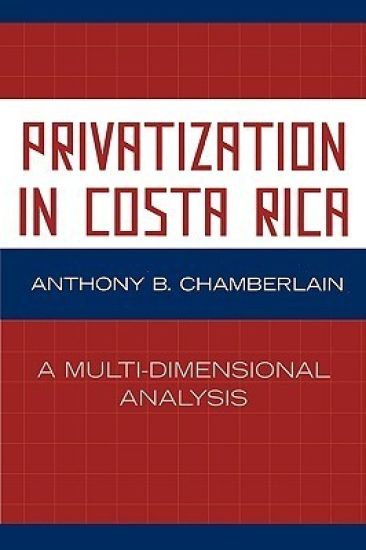
Privatization in Costa Rica offers an assessment of the last twenty-five years of privatization efforts in Costa Rica, and argues that one-dimensional thinking about the privatization of state services is misdirected. An historical perspective on privatization in general within the context of commercial globalization is followed by a review of Costa Rica's political economy and it's integration into a global market in terms of privatization. Case studies of three types of privatization attempted include the Costa Rican Development Corporation (CODESA); the Costa Rican Electricity Institute (ICE), which includes telecommunications; and the Costa Rican Social Security System (CCSS/INS). In some cases privatization indeed represents an effective response to the particular historical circumstances the country faces. In other instances, however, privatization can be inappropriate. This study is unique in that it critiques privatization in Costa Rica specifically and Central America in general. Its analysis is potentially applicable to smaller developing countries around the globe that are often neglected, but substantial in number.

Called to Forgive – The Charleston Church Shooting, a Victim`s Husband, and the Path to Healing and Peace
Anthony B. Thompson; Denise George
Bethany House Publishers, a division of Baker Publishing Group
2019
nidottu
While the murder of his wife devastated Anthony Thompson, he and three other relatives of victims chose to privately and publicly forgive the shooter. Years later, the church and community still struggle to understand the family members' deliberate choice to forgive the racist murderer. But as Charlestonians have witnessed these incredible acts of forgiveness, something significant has happened to the community--black and white leaders and residents have united, coming together peaceably and even showing acts of selfless love.This book is the account of Anthony's wife's murder, the grief he experienced, and how and why he made the radical choice to forgive the killer. But beyond that, Anthony goes on to teach what forgiveness can and should look like in each of our lives--both personally, in our communities, and even in our nation. After much pain, reflection, and study, Thompson shares how true biblical love and mercy differ from the way these ideas are reflected in our culture.Be inspired by this remarkable story and discover how the difficult decision to forgive can become the key to radical change.
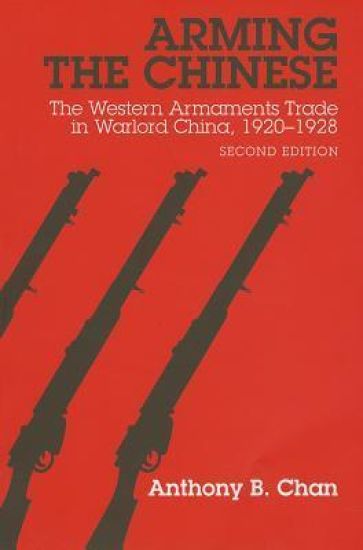
The existence of warlords and warlordism is not a post-9/ll phenomenon. The international arms trade has a long history, and includes the sale of foreign weapons to Chinese warlords after the First World War.First published in 1982, this book remains the classic account of the arms trade in warlord China. The second edition includes a new preface that reframes the argument within the paradigm of critical militarism and state criminality. Arming the Chinese tells the story of the warlords who sought weapons for their expanding armies and of the merchants and governments in Europe, Japan, and the United States who provided them. Although the warlords were hearty individualists who retained control over domestic affairs and rarely relied on single foreign suppliers, the armaments trade, Chan argues, was a new form of imperialism, which perpetrated the continued Western and Japanese domination of China.
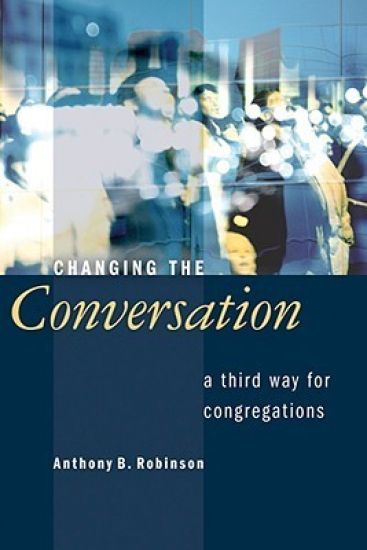
A sequel to his best-selling Transforming Congregational Culture (2003), Changing the Conversation offers Anthony Robinson's latest work and thinking on congregational renewal and leadership. Robinson here invites church leaders and members into ten crucial conversations that will change their congregation's culture and help them respond with greater vitality, effectiveness, and faithfulness to our postmodern culture and its challenges.

Biblical scholar Robert Wall and pastoral leader Anthony Robinson here join forces to bring the "Acts of the Apostles" forward to our time as a resource for congregational renewal and transformation. Featuring both careful exegetical study and exciting contemporary exposition, the fifteen chapters of "Called to Be Church" each first interpret the text of "Acts" as Scripture and then engage "Acts" for today's church. The book dives into many of the most vexing issues faced by the church then and now - such issues as conflict resolution, pluralism and multiculturalism, sexuality, money, church and state, the role of the Holy Spirit, and more. Enhanced by study questions at the end of each chapter, "Called to Be Church" will lend itself especially well to small-group study within congregations. Pastors, lay readers, students, and ordinary believers alike will find the book helpful and inspiring.

Following up on their previous volume, Called to Be Church: The Book of Acts for a New Day, biblical scholar Robert Wall and pastoral leader Anthony Robinson here join forces again. Featuring both exegetical study and dynamic contemporary exposition, each chapter of Called to Lead first interprets the text of 1 and 2 Timothy as Scripture and then engages 1 and 2 Timothy for today's church leaders. The book covers many vexing issues faced by church leaders then and now -- such issues as the use of money, leadership succession, pastoral authority, and the role of Scripture. Through it all, Called to Lead shows how Timothy remains a text of great value for the church today
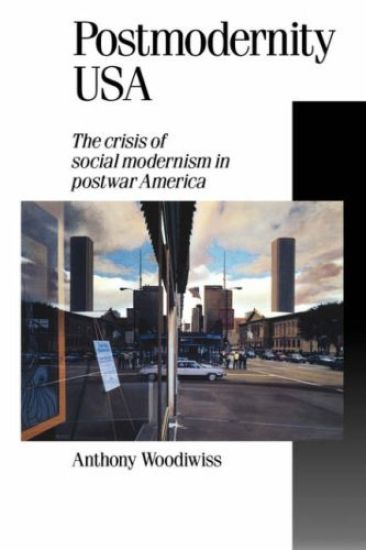
In this rigorous and challenging analysis of American postmodernity, Anthony Woodiwiss re-examines the political, economic and social life of the United States over the past 60 years. Exploring the rise and fall of modernism as a social ideology, he offers a distinctive and original interpretation of the unique experience of American modernity and the arrival of the postmodern world. The result is both a novel history of postwar America and a significant contribution to the idea of postmodernism as a social and cultural form. Postmodernity USA also carries lessons for the understanding of class, culture and politics in late industrial societies in general.

Anna May Wong was an extraordinary Asian American woman who became the country's most famous film actress of Chinese descent. From small parts in silent films to starring roles in Hollywood and across the Atlantic, Wong made an impression on audiences of all persuasions. In Perpetually Cool, Anthony Chan takes the reader on a compelling journey through Wong's early years in Los Angeles and her first Hollywood pictures. Chan also examines the scope and nature of race, gender, and power and their impact on Wong's personal growth as a Chinese American. Perpetually Cool is not only the captivating story of a cinematic career, but also of roots and identity, as it recounts Wong's desire to connect with her heritage in the United States and in China. Chan provides extensive textual analyses of Wong's signature films, especially The Toll of the Sea (1922), The Thief of Bagdad (1924) with Douglas Fairbanks, and her most famous role as Hui Fei in Shanghai Express (1932), opposite Marlene Dietrich. Perpetually Cool is a fitting tribute to the influence of this Chinese American icon.
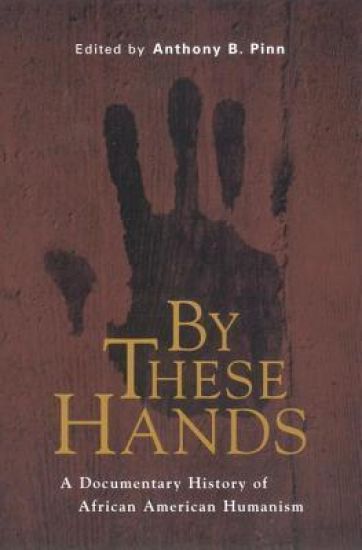
The Black church is often praised for its contribution to Black culture and politics. More recently Islam has been recognized as an important force in African American liberation. Anthony Pinn's new anthology By These Hands demonstrates the crucial, often overlooked role that Humanism has played in African American struggles for dignity, power and justice. Pinn collects the finest examples of African American Humanism and shows how its embrace by a variety of prominent figures in African American thought and letters has served as the basis for activism and resistance to American racism and sexism. Pinn uncovers little known treasures of African American Literature such as The Slave Narrative of James Hay, where an abused slave decides to rely on himself, rather than God, for deliverance from the horrors of slavery, and a letter from Frederick Douglass which scandalized his religious friends by proclaiming that "One honest Abolitionist was a greater terror to slaveholders than whole acres of camp-meeting preachers shouting glory to God." Essays by Zora Neale Hurston and Richard Wright demonstrate the profound influence of Humanism in the Harlem Rennaisance, and pieces by James Farmer, Amiri Baraka (Leroi Jones) and Huey Newton show Humanism's impact on the civil rights and Black Power movements. Designed for classroom use, this radical reconsideration of African American history will be a must read for anyone interested in African American History, African American Religion and Philosophy, and American History. Contributors: Norm Allen, Jr., Herbert Aptheker, James Baldwin, Amiri Imamu Baraka, J. Mason Brewer, Sterling Brown, Frederick Douglass, W.E.B.Du Bois, James Foreman, Duchess Harris, Hubert H. Harrison, Harry Haywood, Zora Neale Hurston, William R. Jones, William Loren Katz, Benjamin E. Mays, Huey P. Newton, Daniel Payne, J. Saunders Redding, William L. Van DeBurg, Alice Walker, and Richard Wright.

Embodiment and the New Shape of Black Theological Thought
Anthony B. Pinn
New York University Press
2010
sidottu
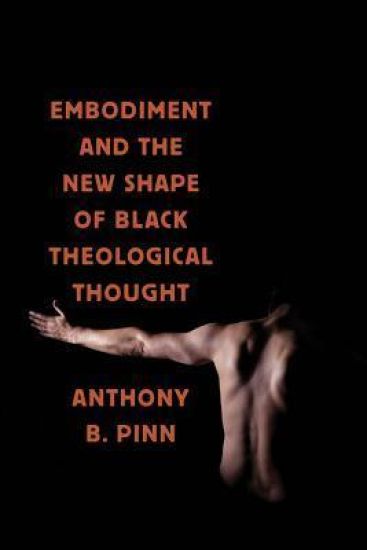
Black theology tends to be a theology about no-body. Though one might assume that black and womanist theology have already given significant attention to the nature and meaning of black bodies as a theological issue, this inquiry has primarily taken the form of a focus on issues relating to liberation, treating the body in abstract terms rather than focusing on the experiencing of a material, fleshy reality. By focusing on the body as a physical entity and not just a metaphorical one, Pinn offers a new approach to theological thinking about race, gender, and sexuality. According to Pinn, the body is of profound theological importance. In this first text on black theology to take embodiment as its starting point and its goal, Pinn interrogates the traditional source materials for black theology, such as spirituals and slave narratives, seeking to link them to materials such as photography that highlight the theological importance of the body. Employing a multidisciplinary approach spanning from the sociology of the body and philosophy to anthropology and art history, Embodiment and the New Shape of Black Theological Thought pushes black theology to the next level.
Embodiment and the New Shape of Black Theological Thought
Anthony B. Pinn
New York University Press
2010
pokkari
Black theology tends to be a theology about no-body. Though one might assume that black and womanist theology have already given significant attention to the nature and meaning of black bodies as a theological issue, this inquiry has primarily taken the form of a focus on issues relating to liberation, treating the body in abstract terms rather than focusing on the experiencing of a material, fleshy reality. By focusing on the body as a physical entity and not just a metaphorical one, Pinn offers a new approach to theological thinking about race, gender, and sexuality. According to Pinn, the body is of profound theological importance. In this first text on black theology to take embodiment as its starting point and its goal, Pinn interrogates the traditional source materials for black theology, such as spirituals and slave narratives, seeking to link them to materials such as photography that highlight the theological importance of the body. Employing a multidisciplinary approach spanning from the sociology of the body and philosophy to anthropology and art history, Embodiment and the New Shape of Black Theological Thought pushes black theology to the next level.
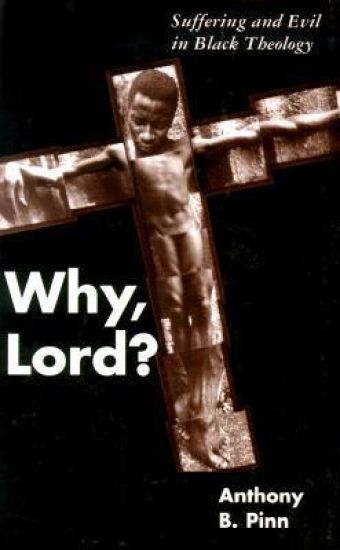
By challenging some of the most cherished theological beliefs to emerge within black Christian communities, this text encourages us to extend the range of our religious world views and embrace black cultural expressions that have been ignored or despised. Anthony Pinn explores theological texts, preaching, folklore, spirituals, blues and rap to look at beliefs held within the African American community that contribute to the suffering of its members and to unleash a tradition of African American humanism.