Kirjojen hintavertailu. Mukana 12 388 005 kirjaa ja 12 kauppaa.

Kirjahaku

Etsi kirjoja tekijän nimen, kirjan nimen tai ISBN:n perusteella.

1000 tulosta hakusanalla Arnold Bennett

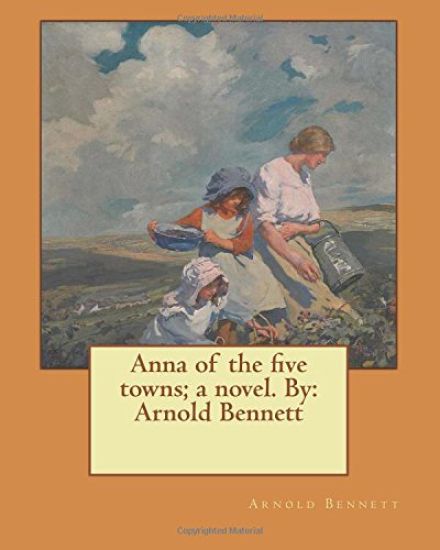
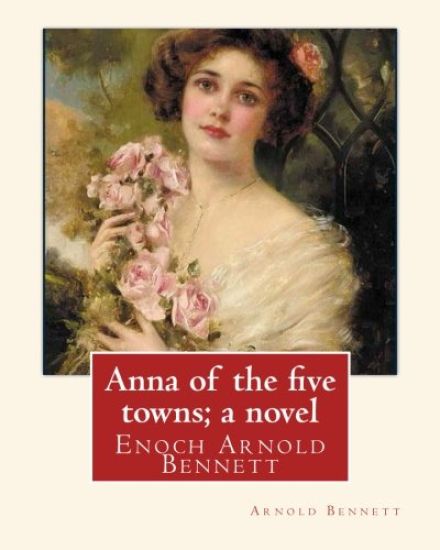
Anna of the five towns; a novel, By Arnold Bennett (World's Classics): Enoch Arnold Bennett
Anna of the Five Towns is a novel by Arnold Bennett, first published in 1902 and one of his best-known works. Plot summary The plot centres on Anna Tellwright, daughter of a wealthy but miserly and dictatorial father, living in the Potteries area of Staffordshire, England. Her activities are strictly controlled by the Methodist church. The novel tells of Anna's struggle for freedom and independence against her father's restraints, and her inward battle between wanting to please her father and wanting to help Willie Price whose father, Titus Price, commits suicide after falling into bankruptcy and debt. During the novel, Anna is courted by the town's most eligible bachelor Henry Mynors, and agrees to be his wife, much to her young sister Agnes' pleasure. She discovers in the end, however, that she loves Willie Price, but does not follow her heart, as he is leaving for Australia, and she is already promised to Mynors. Willie then also commits suicide. "The Five Towns" Stoke-on-Trent has become known as "The Five Towns", because of the name given to it by local novelist Arnold Bennett. In his novels, Bennett used mostly recognisable aliases for five of the six towns (although he called Stoke "Knype"). However, Bennett said that he believed "Five Towns" was more euphonious than "Six Towns", so he omitted Fenton (sometimes referred to as "the forgotten town"). In order from northwest to southeast, the towns are Tunstall, Burslem, Hanley, Stoke, Fenton and Longton.... Enoch Arnold Bennett (27 May 1867 - 27 March 1931) was an English writer. He is best known as a novelist, but he also worked in other fields such as journalism, propaganda and film. Early life--Bennett was born in a modest house in Hanley in the Potteries district of Staffordshire. Hanley is one of a conurbation of six towns which were joined together at the beginning of the 20th century as Stoke-on-Trent. Enoch Bennett, his father, qualified as a solicitor in 1876, and the family moved to a larger house between Hanley and Burslem.Bennett was educated locally in Newcastle-under-Lyme. Bennett was employed by his father but the working relationship failed. Bennett found himself doing jobs such as rent-collecting which were uncongenial. He also resented the low pay; it is no accident that the theme of parental miserliness is important in his novels. In his spare time he was able to do a little journalism, but his breakthrough as a writer came after he had moved from the Potteries. At the age of 21, he left his father's practice and went to London as a solicitor's clerk....
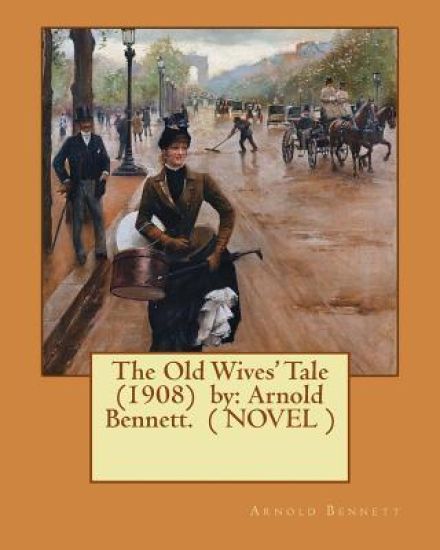
The old wives' tale. By: Arnold Bennett: Novel

The old wives' tale. By: Arnold Bennett: Novel

Arnold Bennett

Createspace Independent Publishing Platform
2017
nidottu
The Old Wives' Tale is a novel by Arnold Bennett, first published in 1908. It deals with the lives of two very different sisters, Constance and Sophia Baines, following their stories from their youth, working in their mother's draper's shop, into old age. It covers a period of about 70 years from roughly 1840 to 1905, and is set in Burslem and Paris. It is generally regarded as one of Bennett's finest works.The book is broken up into four parts. The first section, "Mrs Baines" details the adolescence of both Sophia and Constance, and their life in their father's shop and house (a combined property). 2] The father is ill and bedridden, and the main adult in their life is Mrs Baines, their mother. By the end of the first book, Sophia (whose name reflects her sophistication, as opposed to the constant Constance) has eloped with a travelling salesman. Constance meanwhile marries Mr Povey, who works in the shop. The second part, "Constance", details the life of Constance from that point forward up until the time she is reunited with her sister in old age. Her life, although outwardly prosaic, is nevertheless filled with personal incident, including the death of her husband, Mr Povey, and her concerns about the character and behaviour of her so The third part, "Sophia", carries forward the story of what happened to Sophia after her elopement. Abandoned by her husband in Paris, Sophia eventually becomes the owner of a successful pensione. The final part, "What Life Is", details how the two sisters are eventually reunited. Sophia returns to England and the house of her childhood, where Constance still lives.. Enoch Arnold Bennett (27 May 1867 - 27 March 1931) was an English writer. He is nowadays best known as a novelist, but he also worked in other fields such as the theatre, journalism, propaganda and film. Bennett was born in a modest house in Hanley in the Potteries district of Staffordshire. Hanley is one of a conurbation of six towns which were joined together at the beginning of the 20th century as Stoke-on-Trent. Enoch Bennett, his father, qualified as a solicitor in 1876, and the family moved to a larger house between Hanley and Burslem. 1] Bennett was educated locally in Newcastle-under-Lyme. Bennett was employed by his father but the working relationship failed. He found himself doing jobs such as rent-collecting which were uncongenial. Bennett also resented the low pay; it is no accident that the theme of parental miserliness is important in his novels. In his spare time he was able to do a little journalism, but his breakthrough as a writer came after he had moved from the Potteries. At the age of 21, he left his father's practice and went to London as a solicitor's clerk.......
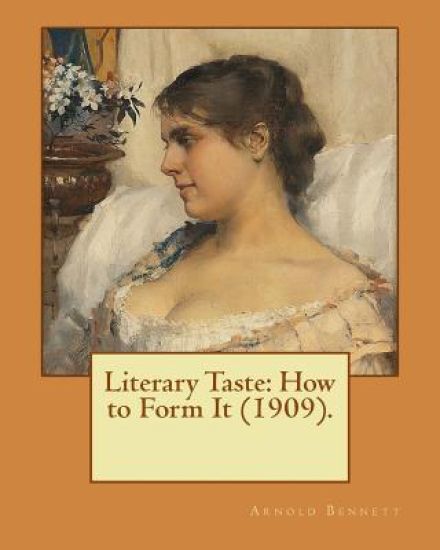
Literary Taste: How to Form It (1909). By: Arnold Bennett: Literary Taste: How to Form it is a long essay by Arnold Bennett, first published in 1909
Literary Taste: How to Form it is a long essay by Arnold Bennett, first published in 1909, with a revised edition by his friend Frank Swinnerton appearing in 1937. Enoch Arnold Bennett (27 May 1867 - 27 March 1931) was an English writer. He is nowadays best known as a novelist, but he also worked in other fields such as the theatre, journalism, propaganda and film. Early life: Bennett was born in a modest house in Hanley in the Potteries district of Staffordshire. Hanley is one of a conurbation of six towns which were joined together at the beginning of the 20th century as Stoke-on-Trent. Enoch Bennett, his father, qualified as a solicitor in 1876, and the family moved to a larger house between Hanley and Burslem.Bennett was educated locally in Newcastle-under-Lyme. Bennett was employed by his father but the working relationship failed. He found himself doing jobs such as rent-collecting which were uncongenial. Bennett also resented the low pay; it is no accident that the theme of parental miserliness is important in his novels. In his spare time he was able to do a little journalism, but his breakthrough as a writer came after he had moved from the Potteries. At the age of 21, he left his father's practice and went to London as a solicitor's clerk. Career: Journalism and nonfiction: Bennett won a literary competition hosted by Tit-Bits magazine in 1889 and was encouraged to take up journalism full-time. In 1894, he became assistant editor of the periodical Woman. He noticed that the material offered by a syndicate to the magazine was not very good, so he wrote a serial which was bought by the syndicate for 75 (equivalent to 10,000 in 2015).He then wrote another. This became The Grand Babylon Hotel. Just over four years later, his first novel, A Man from the North, was published to critical acclaim and he became editor of the magazine. From 1900 he devoted himself full-time to writing, giving up the editorship. He continued to write journalism despite the success of his career as a novelist. In 1926, at the suggestion of Lord Beaverbrook, he began writing an influential weekly article on books for the Evening Standard newspaper. As well as the novels, much of Bennett's non-fiction work has stood the test of time. One of his most popular non-fiction works, which is still read to this day, is the self-help book How to Live on 24 Hours a Day. His diaries have yet to be published in full, but extracts from them are often quoted in the British press.
A man from the North. By: Arnold Bennett: Novel

A man from the North. By: Arnold Bennett: Novel

Arnold Bennett

Createspace Independent Publishing Platform
2017
nidottu
Enoch Arnold Bennett (27 May 1867 - 27 March 1931) was an English writer. He is nowadays best known as a novelist, but he also worked in other fields such as the theatre, journalism, propaganda and film. Early life: Bennett was born in a modest house in Hanley in the Potteries district of Staffordshire. Hanley is one of a conurbation of six towns which were joined together at the beginning of the 20th century as Stoke-on-Trent. Enoch Bennett, his father, qualified as a solicitor in 1876, and the family moved to a larger house between Hanley and Burslem.Bennett was educated locally in Newcastle-under-Lyme. Bennett was employed by his father but the working relationship failed. He found himself doing jobs such as rent-collecting which were uncongenial. Bennett also resented the low pay; it is no accident that the theme of parental miserliness is important in his novels. In his spare time he was able to do a little journalism, but his breakthrough as a writer came after he had moved from the Potteries. At the age of 21, he left his father's practice and went to London as a solicitor's clerk. Career: Journalism and nonfiction: Bennett won a literary competition hosted by Tit-Bits magazine in 1889 and was encouraged to take up journalism full-time. In 1894, he became assistant editor of the periodical Woman. He noticed that the material offered by a syndicate to the magazine was not very good, so he wrote a serial which was bought by the syndicate for 75 (equivalent to 10,000 in 2015).He then wrote another. This became The Grand Babylon Hotel. Just over four years later, his first novel, A Man from the North, was published to critical acclaim and he became editor of the magazine. From 1900 he devoted himself full-time to writing, giving up the editorship. He continued to write journalism despite the success of his career as a novelist. In 1926, at the suggestion of Lord Beaverbrook, he began writing an influential weekly article on books for the Evening Standard newspaper. As well as the novels, much of Bennett's non-fiction work has stood the test of time. One of his most popular non-fiction works, which is still read to this day, is the self-help book How to Live on 24 Hours a Day. His diaries have yet to be published in full, but extracts from them are often quoted in the British press.
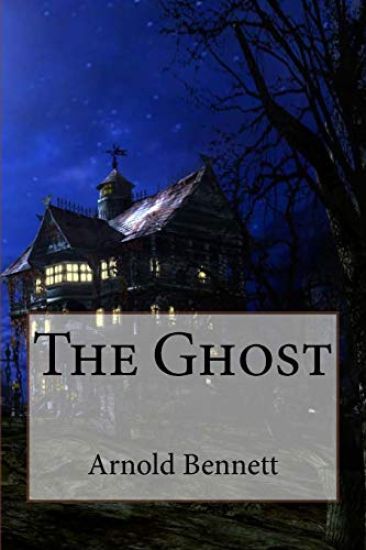
The Ghost Arnold Bennett

The Ghost Arnold Bennett

Arnold Bennett

Createspace Independent Publishing Platform
2017
nidottu
When Carl Foster, a young doctor, sees beautiful Rosetta Rosa at a London opera he is instantly captivated -- and almost as rapidly finds himself plagued by mysterious occurances. When another of Rosa's paramours un-expectedly dies, Carl begins to wonder if her glamour carries a deadly curse.
Arnold Bennett

Arnold Bennett

Patrick Donovan

Unicorn Publishing Group
2022
sidottu
During his 1920s heyday, Arnold Bennett was one of Britain’s most celebrated writers. As the author of The Old Wives’ Tale and Clayhanger he was a household name, writing just as much for the common man as London’s literati. His face was plastered over theatre hoardings and the sides of West End omnibuses. His life represents the ultimate rags-to-riches story of a man who ‘banged on the door of Fortune like a weekly debt collector’ as one of his obituaries so vividly put it. Yet for all his success, few were aware how cursed Bennett felt by his life-long stutter and other debilitating character traits. In the years running up to his death in 1931, his affairs were close to collapse as he fought a losing battle on three fronts: with his estranged wife; with his disenchanted mistress; and from a literary perspective with Virginia Woolf. As the first full length biography of Bennett since 1974, the work draws on a wealth of unpublished diaries and letters to shed new light on a personality who can be considered a ‘Lost Icon’ of early Twentieth Century Britain.
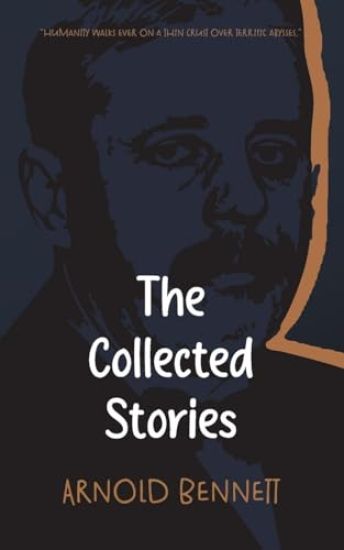
The Collected Stories of Arnold Bennett

The Collected Stories of Arnold Bennett

Arnold Bennett

Jollyjoy Books
2025
sidottu
The Collected Stories by Arnold Bennett is a brilliant anthology that brings together the best short stories of the renowned author. Known for his keen observations of human nature and his mastery of realism, Bennett's tales explore the complexities of everyday life with wit and insight. From social dynamics to the inner workings of the human psyche, each story offers a compelling glimpse into the world through Bennett's sharp lens. A must-read for those who appreciate thoughtful narratives and rich character studies in fiction.
The Collected Stories of Arnold Bennett

The Collected Stories of Arnold Bennett

Arnold Bennett

Jollyjoy Books
2025
pokkari
The Collected Stories by Arnold Bennett is a brilliant anthology that brings together the best short stories of the renowned author. Known for his keen observations of human nature and his mastery of realism, Bennett's tales explore the complexities of everyday life with wit and insight. From social dynamics to the inner workings of the human psyche, each story offers a compelling glimpse into the world through Bennett's sharp lens. A must-read for those who appreciate thoughtful narratives and rich character studies in fiction.