Kirjahaku
Etsi kirjoja tekijän nimen, kirjan nimen tai ISBN:n perusteella.
1000 tulosta hakusanalla Birte Viermann
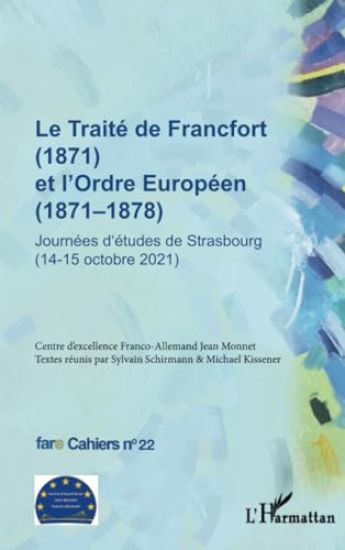
Le Traité de Francfort (1871) et l'Ordre Européen (1871-1878) N° 22
Birte Wassenberg
Fare (Frontières, Acteurs, Représentations de l'Europe)
2023
nidottu
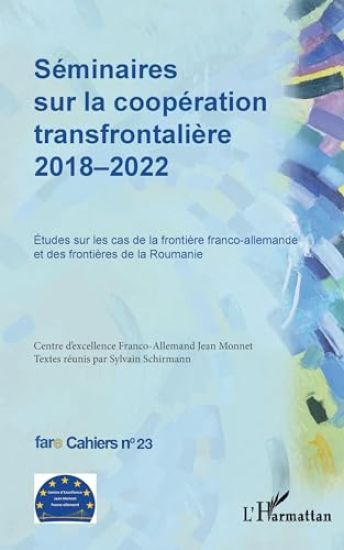
Séminaires sur la coopération transfrontalière 2018-2022
Birte Wassenberg
Fare (Frontières, Acteurs, Représentations de l'Europe)
2023
nidottu
L'approche pluridisciplinaire de la coopération transfrontalière
Birte Wassenberg
Fare (Frontières, Acteurs, Représentations de l'Europe)
2020
nidottu
Gestion des conflits et coopérations en Europe
Birte Wassenberg; Jérôme Clerget
Fare (Frontières, Acteurs, Représentations de l'Europe)
2022
nidottu
Frontières, géopolitique et relations internationales
Birte Wassenberg; Marion Aballéa
Fare (Frontières, Acteurs, Représentations de l'Europe)
2022
nidottu
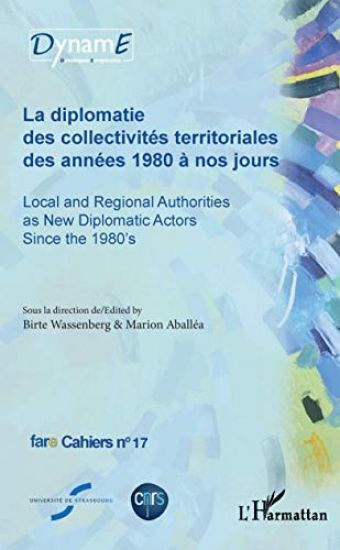
La diplomatie des collectivités territoriales des années 1980 à nos jours
Birte Wassenberg; Marion Aballéa
Fare (Frontières, Acteurs, Représentations de l'Europe)
2022
nidottu
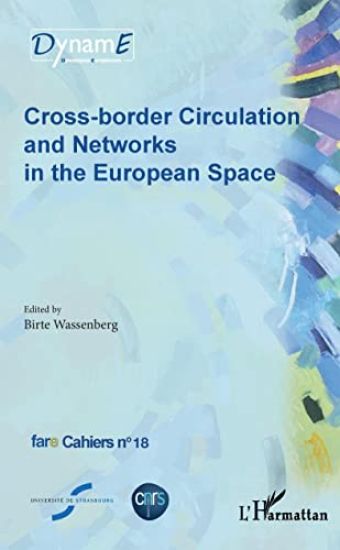
Cross-border Circulation and Networks in the European Space
Birte Wassenberg
Editions L'Harmattan
2020
nidottu
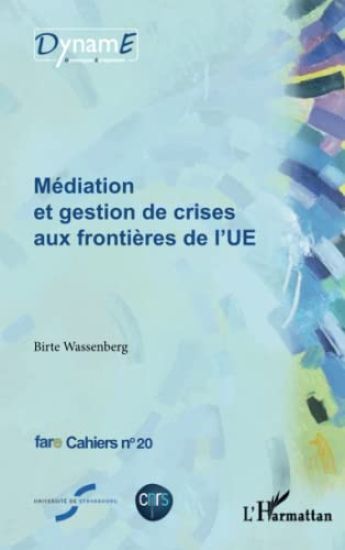
Médiation et gestion de crises aux frontières de l'UE
Birte Wassenberg
Editions L'Harmattan
2025
nidottu
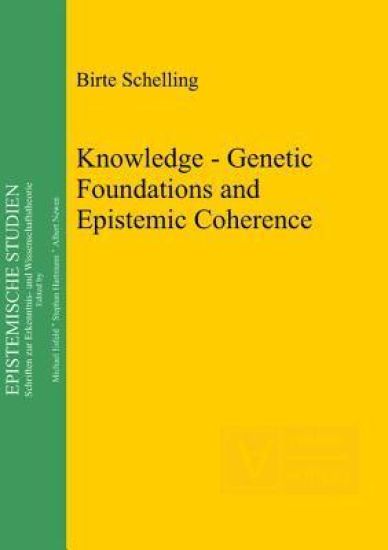
Since the 1960s there is a controversial discussion about the correct explication of the concept of knowledge in epistemology, but until today no generally accepted solution to the problem of defining this concept has been found. This book contributes to the discussion in epistemology by proposing a new explication of the concept of knowledge which is spelled out in terms of coherence. The main thesis of this book is that a belief can be considered knowledge only if first, it is true and second, it coheres with the rest of the beliefs of the person holding the belief in an appropriate manner. The explication draws on the ideas of Donald Davidson, Laurence BonJour and Keith Lehrer and offers a new perspective on the old project of analyzing the concept of knowledge.
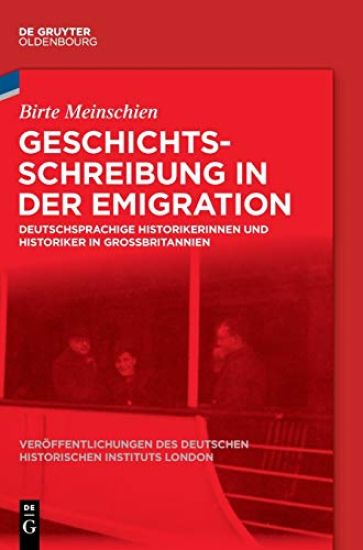
Das Deutsche Historische Institut in London wurde 1976 er ffnet und unterst tzt Forschungen zur Neueren Geschichte, besonders zur vergleichenden Geschichte von Gro britannien und Deutschland, zur Geschichte des Britischen Empires und zu den deutsch-englischen Beziehungen. Die Ver ffentlichungen publizieren entsprechend ma gebliche Forschungen zu diesen Themengebieten. Weitere Informationen unter: http: //www.ghil.ac.uk
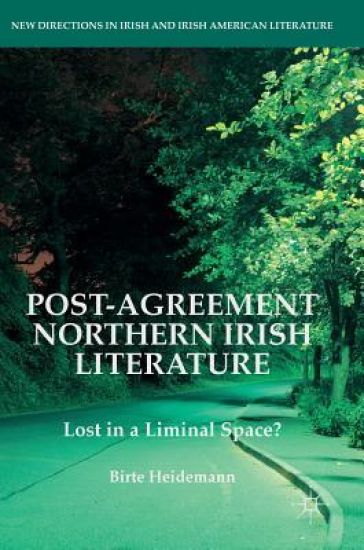
Post-Agreement Northern Irish Literature
Birte Heidemann
Springer International Publishing AG
2016
sidottu
This book uncovers a new genre of ‘post-Agreement literature’, consisting of a body of texts – fiction, poetry and drama – by Northern Irish writers who grew up during the Troubles but published their work in the aftermath of the Good Friday Agreement. In an attempt to demarcate the literary-aesthetic parameters of the genre, the book proposes a selective revision of postcolonial theories on ‘liminality’ through a subset of concepts such as ‘negative liminality’, ‘liminal suspension’ and ‘liminal permanence.’ These conceptual interventions, as the readings demonstrate, help articulate how the Agreement’s rhetorical negation of the sectarian past and its aggressive neoliberal campaign towards a ‘progressive’ future breed new forms of violence that produce liminally suspended subject positions.
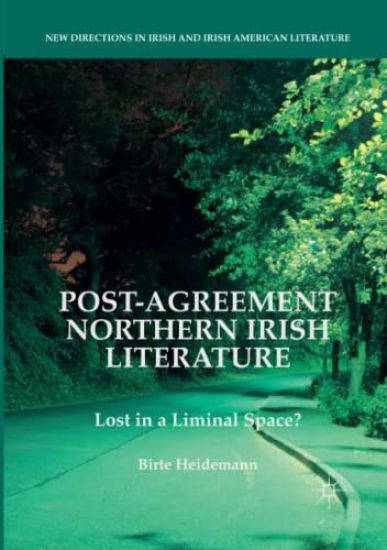
Post-Agreement Northern Irish Literature
Birte Heidemann
Springer International Publishing AG
2018
nidottu
This book uncovers a new genre of ‘post-Agreement literature’, consisting of a body of texts – fiction, poetry and drama – by Northern Irish writers who grew up during the Troubles but published their work in the aftermath of the Good Friday Agreement. In an attempt to demarcate the literary-aesthetic parameters of the genre, the book proposes a selective revision of postcolonial theories on ‘liminality’ through a subset of concepts such as ‘negative liminality’, ‘liminal suspension’ and ‘liminal permanence.’ These conceptual interventions, as the readings demonstrate, help articulate how the Agreement’s rhetorical negation of the sectarian past and its aggressive neoliberal campaign towards a ‘progressive’ future breed new forms of violence that produce liminally suspended subject positions.

Does pupil use of ICT increase attainment in MFL?
Birte Wachtel
Lap Lambert Academic Publishing
2016
nidottu