Kirjojen hintavertailu. Mukana 11 244 527 kirjaa ja 12 kauppaa.

Kirjahaku

Etsi kirjoja tekijän nimen, kirjan nimen tai ISBN:n perusteella.

1000 tulosta hakusanalla Brian Baker

The Ambassador

The Ambassador

Brian Calvin Baker

Brian Calvin Baker
2022
sidottu
The little girl had been shot. Her father held her outside the embassy gates as pursuing soldiers fired. Rounds CRACKED past us and the Marines beside me shouted and her father begged as she bled in his arms... All the while, her eyes were on me. What would you do? Jackson Ford's a disgraced former governor who recognizes a second chance when the president's chief of staff dangles it. The president needs an ambassador in a third-world nation. Someone to help local tyrants stamp out insurrection while keeping privation and violence out of the election-year news. Ford is a tough idealist, but, this administration makes it clear that they don't want idealism. They expect one thing. Obedience. When a rebel leader shows up outside the embassy gates with a wounded child in his arms and soldiers closing in, Ford can watch the girl bleed out or invoke the wrath of dictators and the president. Ford's decision to provide sanctuary puts the embassy under siege. Ford and the US Marines are outmanned, outgunned, and outmaneuvered by an army outside their walls, even as they're betrayed by enemies within. Ford doesn't know if they're defending the Alamo or Bastogne, but he does know they will not betray the ideals that should stir in the heart of anyone who sees the American flag aloft and under fire.
The Ambassador

The Ambassador

Brian Calvin Baker

Brian Calvin Baker
2022
pokkari
The little girl had been shot. Her father held her outside the embassy gates as pursuing soldiers fired. Rounds CRACKED past us and the Marines beside me shouted and her father begged as she bled in his arms... All the while, her eyes were on me. What would you do? Jackson Ford's a disgraced former governor who recognizes a second chance when the president's chief of staff dangles it. The president needs an ambassador in a third-world nation. Someone to help local tyrants stamp out insurrection while keeping privation and violence out of the election-year news. Ford is a tough idealist, but, this administration makes it clear that they don't want idealism. They expect one thing. Obedience. When a rebel leader shows up outside the embassy gates with a wounded child in his arms and soldiers closing in, Ford can watch the girl bleed out or invoke the wrath of dictators and the president. Ford's decision to provide sanctuary puts the embassy under siege. Ford and the US Marines are outmanned, outgunned, and outmaneuvered by an army outside their walls, even as they're betrayed by enemies within. Ford doesn't know if they're defending the Alamo or Bastogne, but he does know they will not betray the ideals that should stir in the heart of anyone who sees the American flag aloft and under fire.
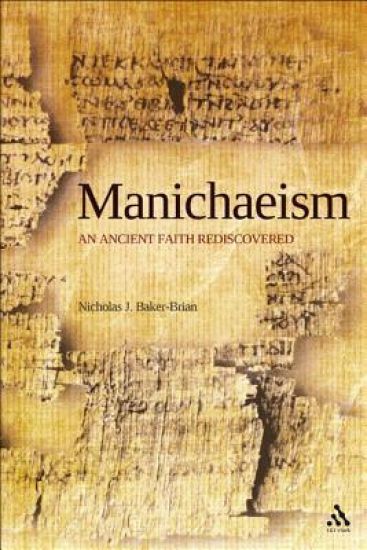
Manichaeism

Manichaeism

Nicholas J. Baker-Brian

T. T.Clark Ltd
2011
sidottu
This is the first general comprehensive introduction to Manichaeism aimed at a non-specialist and undergraduate readership. This study will be a historical and theological introduction to Manichaeism. It will comprise a biographical treatment of the founder Mani, situating his personality, his writings and his ideas within the Aramaic Christian tradition of third century (CE) Mesopotamia. It will provide a historical treatment of the Manichaean church in late antiquity (250-700 CE), detailing the emergence of Manichaeism in the late Roman and Byzantine empires, in addition to examining the continuation of Manichaean traditions in the eastern world (China) up to the thirteenth century and beyond. The book will consider the theology of Mani's system, with the aim of providing a clear-eyed treatment of the cosmogonic, scriptural and ecclesiological ideas forming its foundations. The study will base its analysis on original Manichaean literary sources, together with rehabilitating the representation of Manichaeism in those writings that polemicised against the religion. The study will aim to demonstrate the highly syncretic nature of Manichaeism, and will look to move forward 'traditional' perceptions of the religion as being simply a form of Christian Gnostic Dualism.
Manichaeism

Manichaeism

Nicholas J. Baker-Brian

T. T.Clark Ltd
2011
nidottu
This is the first general comprehensive introduction to Manichaeism aimed at a non-specialist and undergraduate readership. This study will be a historical and theological introduction to Manichaeism. It will comprise a biographical treatment of the founder Mani, situating his personality, his writings and his ideas within the Aramaic Christian tradition of third century (CE) Mesopotamia. It will provide a historical treatment of the Manichaean church in late antiquity (250-700 CE), detailing the emergence of Manichaeism in the late Roman and Byzantine empires, in addition to examining the continuation of Manichaean traditions in the eastern world (China) up to the thirteenth century and beyond. The book will consider the theology of Mani's system, with the aim of providing a clear-eyed treatment of the cosmogonic, scriptural and ecclesiological ideas forming its foundations. The study will base its analysis on original Manichaean literary sources, together with rehabilitating the representation of Manichaeism in those writings that polemicised against the religion. The study will aim to demonstrate the highly syncretic nature of Manichaeism, and will look to move forward 'traditional' perceptions of the religion as being simply a form of Christian Gnostic Dualism.
The Reign of Constantius II

The Reign of Constantius II

Nicholas J. Baker-Brian

TAYLOR FRANCIS LTD
2022
sidottu
Constantius II, son of Constantine the Great, ruled the Roman Empire between 337 and 361 CE. Constantius’ reign is characterised by a series of political and cultural upheavals and is rightly viewed as a time of significant change in the history of the fourth century. Constantius initially shared power with his brothers, Constantine II and Constans, but this arrangement lasted a short period of time before Constantine II was killed in a contest over authority by Constans. Further threats to the stability of the empire arose with the usurpation of the ambitious Roman general Magnentius between 350 and 353, and additional episodes of imperial instability occurred as Constantius’ relations with his junior Caesars, Gallus and Julian, deteriorated, the latter to the point where civil war would have been on the cards once again if Constantius had not died on 3 November 361. This book examines the dynastic, political and cultural impact of Constantius' reign as a member of the Constantinian family on the later empire, first as a joint ruler with his brothers and then as sole Augustus. The chapters investigate the involvement of Constantius in the imperial, administrative, legal, religious and cultural life of the Roman Empire in the fourth century. Constantius’ handling of various threats to Roman hegemony such as the ambitions of the neighbouring Sasanian Empire, and his relationships with Gallus and with Julian are explored. The book’s analysis is guided by the epigraphic, iconographic, literary and legal evidence of the Roman and Byzantine periods but it is not a conventional imperial ‘biography’. Rather, it examines the figure of Constantius in light of the numerous historiographical issues surrounding his memorialisation in the historical and literary sources, for instance as ‘Arian’ tyrant or as internecine murderer. The over-arching aim is to investigate power in the post-Constantine period, and the way in which imperial and episcopal networks related to one another with the ambition of participating in the exercise of power. The Reign of Constantius II will appeal to those interested in the Later Roman Empire, the Constantinian imperial family, Roman-Sasanian relations, and the role of religion in shaping imperial dynamics with Christianity.
The Reign of Constantius II

The Reign of Constantius II

Nicholas J. Baker-Brian

TAYLOR FRANCIS LTD
2024
nidottu
Constantius II, son of Constantine the Great, ruled the Roman Empire between 337 and 361 CE. Constantius’ reign is characterised by a series of political and cultural upheavals and is rightly viewed as a time of significant change in the history of the fourth century. Constantius initially shared power with his brothers, Constantine II and Constans, but this arrangement lasted a short period of time before Constantine II was killed in a contest over authority by Constans. Further threats to the stability of the empire arose with the usurpation of the ambitious Roman general Magnentius between 350 and 353, and additional episodes of imperial instability occurred as Constantius’ relations with his junior Caesars, Gallus and Julian, deteriorated, the latter to the point where civil war would have been on the cards once again if Constantius had not died on 3 November 361. This book examines the dynastic, political and cultural impact of Constantius' reign as a member of the Constantinian family on the later empire, first as a joint ruler with his brothers and then as sole Augustus. The chapters investigate the involvement of Constantius in the imperial, administrative, legal, religious and cultural life of the Roman Empire in the fourth century. Constantius’ handling of various threats to Roman hegemony such as the ambitions of the neighbouring Sasanian Empire, and his relationships with Gallus and with Julian are explored. The book’s analysis is guided by the epigraphic, iconographic, literary and legal evidence of the Roman and Byzantine periods but it is not a conventional imperial ‘biography’. Rather, it examines the figure of Constantius in light of the numerous historiographical issues surrounding his memorialisation in the historical and literary sources, for instance as ‘Arian’ tyrant or as internecine murderer. The over-arching aim is to investigate power in the post-Constantine period, and the way in which imperial and episcopal networks related to one another with the ambition of participating in the exercise of power. The Reign of Constantius II will appeal to those interested in the Later Roman Empire, the Constantinian imperial family, Roman-Sasanian relations, and the role of religion in shaping imperial dynamics with Christianity.
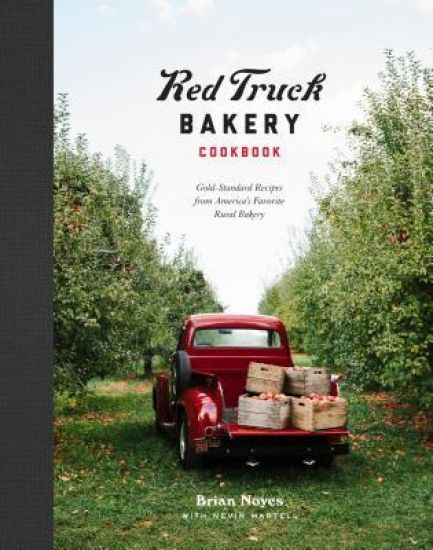
Red Truck Bakery Cookbook

Red Truck Bakery Cookbook

Brian Noyes

Bantam Books Inc
2018
sidottu
A charming bakery cookbook with 85 southern baking recipes for favorites like cookies, cakes, pies, and more to make every day delicious--from breakfast to dessert. Nestled on Main Street among the apple orchards and rolling hills of rural Virginia, Red Truck Bakery is beloved for its small town feel and standout baked goods. Red Truck Bakery Cookbook is your one-way ticket to making these crowd-pleasing confections at home. Full of fresh flavors, a sprinkle of homespun comfort, and a generous pinch of Americana, the recipes range from Southern classics like Flaky Buttermilk Biscuits and Mom's Walnut Chews, to local favorites like the Shenandoah Apple Cake and Appalachian Pie with Ramps and Morels. Between the keepsake recipes are charming stories of the bakery's provenance and 75 gorgeous photographs of evocative landscapes and drool-worthy delectables. These blue-ribbon desserts and anytime snacks are sure to please "I like pie. That's not a state secret... I can confirm that the Red Truck Bakery makes some darn good pie."--President Barack Obama
The Red Truck Bakery Farmhouse Cookbook

The Red Truck Bakery Farmhouse Cookbook

Brian Noyes

RANDOM HOUSE USA INC
2022
sidottu
95+ recipes for breakfast, lunch, dinner, and dessert from the award-winning Red Truck Bakery near Virginia's Shenandoah Valley, bringing the comfort and charm of the farmhouse where the bakery started into your kitchen "Original and highly personal, The Red Truck Bakery Farmhouse Cookbook is a joyful love story to many comfort foods."--Jacques P pin, chef and author "If a cookbook could be a page-turner, this is the one Brian not only knows how to create comfort in spades, but he writes both the sweet and savory recipes in such a way that you feel like you're part of those five generations who inspired these vittles."--Carla Hall, chef and author Brian Noyes, founder of the beloved Red Truck Bakery in Marshall, Virginia, and author of the Red Truck Bakery Cookbook, presents more than 95 all-new, comforting recipes celebrating ingredients and traditions from the bakery's home on the edge of the Shenandoah Valley and the Blue Ridge mountains. With small-town charm, an emphasis on local, seasonal produce, and country comfort inspiration from the 170-year-old farmhouse where the bakery began, The Red Truck Bakery Farmhouse Cookbook features Brian's favorite savory recipes and old-time classics from family, friends, and the bakery archives. This is the food that Brian cooks at home as well as for the bakery's thousands of customers nationwide--plus recipes for favorite Red Truck Bakery dishes that have not been shared before. From delightful lunch and dinner options like Potato & Pesto Flatbread, Corn Crab Cakes with Jalape o Mayonnaise, Mid-July Tomato Pie, Pork Tenderloin with Rosemary and Blueberries, and Sweet Potato and Poblano Enchiladas, to knockout desserts like Lexington Bourbon Cake, Virginia Peanut Pie, and Caramel Cake with Pecans (which Garden & Gun magazine called the perfect Southern dessert), the recipes in The Red Truck Bakery Farmhouse Cookbook are what we are all craving--unfussy, homey, Southern-leaning dishes that focus on local produce but don't shy away from decadence. And for those who are eating vegetarian or vegan, there are plenty of plant-based options, like a vegan and gluten-free Coffee Cake, Carrot & Leek Pot Pies, Mushroom-Ricotta Lasagne with Port Sauce, and the Bakery's beloved "Beetloaf" Sandwiches. True to the spirit of the Red Truck Bakery, the recipes in the Red Truck Bakery Farmhouse Cookbook deliver unfailingly delicious comfort all year round.
Ghosts of Mr. Baker

Ghosts of Mr. Baker

Brian Zaffino

Atmosphere Press
2023
pokkari
A book of nostalgia, tragedy, and universal truths. In his debut collection, Brian Zaffino takes readers on a journey through time and space, exploring the intricate connections between past, present, and future.Through a combination of poetry and prose, Ghosts of Mr. Baker delves into the complexities of individual and interpersonal relationships, as well as our relationship with the natural world. Zaffino's writing is raw and emotional, capturing the essence of the human experience with a deft touch.At its core, Ghosts of Mr. Baker is a testament to the power of self-reflection and personal growth. Zaffino confronts the challenges of growing up head-on, offering readers a glimpse into the messy, beautiful, and ultimately rewarding journey of understanding oneself. Through his words, Zaffino invites us to embrace the shared experience of deeper understanding, and to find hope and beauty in the face of adversity.
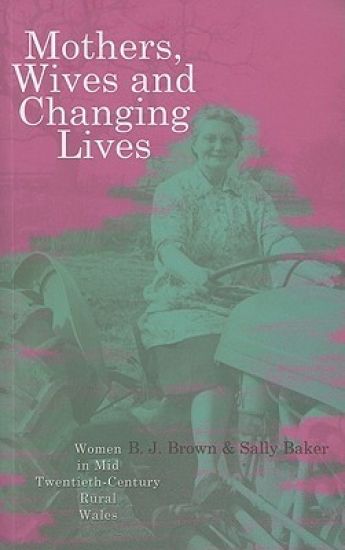
Mothers, Wives and Changing Lives

Mothers, Wives and Changing Lives

Sally Baker; Brian Brown

University of Wales Press
2011
nidottu
Despite the great changes that the twentieth century brought to the lives and roles of the women of rural Wales, there has been scant attention paid to the topic by social scientists and historians, even within Wales. "Mothers, Wives and Changing Lives" rectifies that mistake, drawing on a wealth of family stories about women's roles in education, the church, and the family in order to address significant gaps in our knowledge of women and Welsh culture.
Rethinking Universities

Rethinking Universities

Sally Baker; Brian J. Brown

BLOOMSBURY PUBLISHING PLC
2007
sidottu
Most people who work and study in universities will be aware that they are changing. Yet few have so far grasped the extent of this change or have attempted to put it in a coherent intellectual framework. This volume provides new ways to understand how the university workforce in developed nations is being encouraged to change itself, and how the social role of these institutions has shifted from places of higher learning toward being agents for social change and the promotion of human welfare. Moreover the demands that are being placed on institutions and the kinds of graduates they are required to produce has changed too, with the emphasis on a new brand of vocationalism and a reinvigorated focus on skills and employability. This volume provides a theoretically informed, philosophically sophisticated account of what universities in developed nations are being encouraged to do, and the impact this has on their staff, students and the societies of which they are a part.