

Kirjahaku
Etsi kirjoja tekijän nimen, kirjan nimen tai ISBN:n perusteella.
1000 tulosta hakusanalla C J David

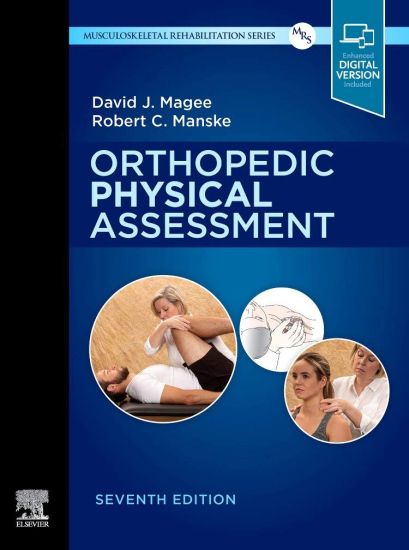
Build your skills in the assessment of musculoskeletal pathology! Orthopedic Physical Assessment, 7th Edition covers the principles of assessment for all of the body's structures and joints, including topics such as gait, posture, the head and face, amputees, primary care, and sports emergencies. The 7th edition offers additional functional assessment forms (e-tools), updated evidence-based reliability and validity tables, and hundreds of video clips (included with print purchase) demonstrating special tests on how to perform musculoskeletal assessment. Written by noted PT educators David J. Magee and Robert C. Manske, this reference uses a systematic, evidence-based approach to prepare you for success in clinicals, board exams, and in rehabilitation practice. Over 2,500 full-color illustrations and photographs depict key concepts, along with assessment techniques and special tests. At-a-glance icons show the clinical utility of special tests, supplemented by updated, evidence-based reliability and validity tables for tests and techniques Quick-reference data includes hundreds of summary boxes, red-flag and yellow-flag boxes, differential diagnosis tables, muscle and nerve tables, and classification, normal values, and grading tables. A Summary (Précis) of Assessment in each chapter serves as a review of assessment steps. Combined with other books in the Musculoskeletal Rehabilitation series - Scientific Foundations and Principles of Practice, Pathology and Intervention, and Athletic and Sports Issues - this book provides you with the knowledge and background necessary to assess and treat musculoskeletal conditions. NEW! Updated information in all chapters includes new special tests, as well as photos, line drawings, boxes, tables, and references. NEW! Head and Face chapter features updated information on concussion management. NEW! Enhanced Diagnostic Ultrasound Imaging section added to applicable chapters, along with new photos and diagnostic images. NEW! Updated psychometric tables for special tests list reliability, sensitivity, specificity, and + and - likelihood ratios when available. NEW! More case studies present real-life scenarios to help you develop assessment and diagnostic skills using information from the chapter. NEW! Additional functional assessment forms (e-tools) have been incorporated. NEW! Video clips, included with print purchase, demonstrate special tests to give you a clearer understanding of how to perform musculoskeletal assessment. NEW! Enhanced ebook version, included with print purchase, provides access to all of the text, figures, and references from the book on a variety of devices.

Statistics for Applied Behavior Analysis Practitioners and Researchers
David J. Cox; Jason C. Vladescu
ELSEVIER SCIENCE TECHNOLOGY
2023
nidottu
Professionals who provide services based on the principles of behavior are required to use evidence-based practices and to make data-based decisions regarding assessments and interventions. Doing so requires statistical literacy: competence in collecting, analyzing, interpreting and presenting aggregate quantitative data within or between subjects. Without statistical literacy, behavior analysts cannot take advantage of, or intelligently discuss, ongoing scientific developments around interventions for autism spectrum disorders (ASD). Statistics for Applied Behavior Analysis Practitioners and Researchers provides practical and useful content for individuals who work directly with, or supervise those who work directly with, individuals with ASD. This book introduces core concepts and principles of modern statistical analysis that behavior analysts will need to deliver and consume the larger scientific literature. The organization of the book follows the common sequence of decisions for collecting, describing and analyzing data associated with behavior analytic service delivery and research. By the end of the book, readers should be able to understand and accurately incorporate statistics in their assessment and intervention effects using statistics.

Ever heard of an internal entrepreneur? You might know the type. They’re kind of employee who pushes mercilessly towards the trends of the future. Often looked at as a little bit outside the mainstream, more often than not the decisions this internal entrepreneur makes on behalf of an organization pay off in spades. So what makes an internal entrepreneur? How can you, as a nonprofit, create a culture that rewards futuring, internal entrepreneurs and innovation and doesn’t shut it down? The book “The Future of Nonprofits: Thrive and Innovate in the Digital Age” helps organizations do those very things. Better predicting future trends helps to reshape culture, creating the kind of environment ripe for positive growth in this fast changing world we work in today. Designed for nonprofit employees on all levels, the book will become a go to handbook for those interested in adapting in the modern world, not looking to be left behind. The Future of Nonprofits helps organizations capitalize on internal innovation. Innovative nonprofits are able to better predict future trends to remake and reshape their culture, structure, and staff to be a more nimble and lean. By applying the strategies laid out in this book, nonprofit professionals of all levels can prepare their organizations to take advantage of future trends and develop innovative “internal entrepreneurs” that will grow revenue and drive their mission. Provides nonprofits with a comprehensive playbook on how to create a new, more flexible, innovative organizationProvides nonprofits a look at the future of fundraising and communications trends into 2016Case studies highlight successes and failuresHighlights the power and strength of Social MediaHightlights how to hire, train, manage and inspire “internal entrepreneurial” employeesFeatures actionable advice on creating an organization that is primed to grow and thrive in the immediate and long-term future This game-changing book reveals how every nonprofit can put technology, innovation and future trends to work to reach their mission and grow revenue.
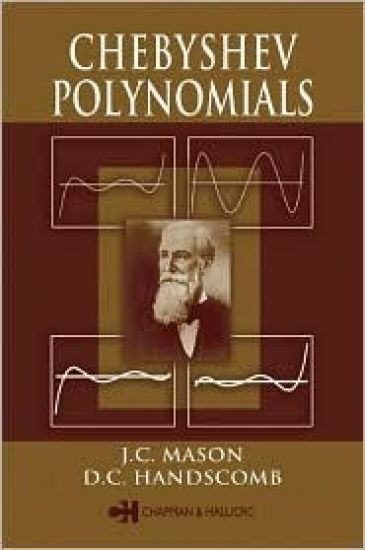
Chebyshev polynomials crop up in virtually every area of numerical analysis, and they hold particular importance in recent advances in subjects such as orthogonal polynomials, polynomial approximation, numerical integration, and spectral methods. Yet no book dedicated to Chebyshev polynomials has been published since 1990, and even that work focused primarily on the theoretical aspects. A broad, up-to-date treatment is long overdue. Providing highly readable exposition on the subject's state of the art, Chebyshev Polynomials is just such a treatment. It includes rigorous yet down-to-earth coverage of the theory along with an in-depth look at the properties of all four kinds of Chebyshev polynomials-properties that lead to a range of results in areas such as approximation, series expansions, interpolation, quadrature, and integral equations. Problems in each chapter, ranging in difficulty from elementary to quite advanced, reinforce the concepts and methods presented. Far from being an esoteric subject, Chebyshev polynomials lead one on a journey through all areas of numerical analysis. This book is the ideal vehicle with which to begin this journey and one that will also serve as a standard reference for many years to come.

Athletic and Sport Issues in Musculoskeletal Rehabilitation
David J. Magee; Robert C. Manske; James E. Zachazewski; William S. Quillen
W B Saunders Co Ltd
2010
sidottu
Part of David J. Magee's Musculoskeletal Rehabilitation Series, Athletic and Sport Issues in Musculoskeletal Rehabilitation provides expert insight and clear rehabilitation guidelines to help you manage injuries and special medical needs unique to athletic clients. Contributions from leading physical therapists, athletic trainers, and orthopedic surgeons give you a comprehensive, clinically relevant understanding of common sports-related injuries and help you ensure the most effective therapeutic outcomes. Addresses a broad range of sports-related injuries and conditions Reinforces key concepts with highlighted content and hundreds of detailed illustrations Summarizes essential information for fast, easy reference in class or in clinical settings

Craniofacial Deformities
David J. David; David C. Hemmy; Rodney D. Cooter
Springer-Verlag New York Inc.
2011
nidottu
This book has been assembled from the radiographic and photo graphic records of patients presenting to craniofacial units on four continents over 7 years. It is our purpose to illustrate a wide range of craniofacial deformities with the technique of three-dimensional com puted tomography. Many topics are briefly addressed with descriptive text intended to amplify the accompanying images but not to exclude the need for more comprehensive references as recommended in the reading list of each chapter. The ability to generate three-dimensional radiographic images rep resents a successful integration of computed tomography with com puter graphics. Although this technique remains an electronic substi tute for the study of dry skull specimens, it offers a permanent pictorial record of anatomical structures with the opportunity for fu ture interactive data manipulation. It is hoped, therefore, that this work will assist others to gain a more complete understanding of disorders of the craniofacial region. We encourage other surgeons and investigators to examine and employ the techniques used to gather these images but also to ensure that standardized scanning regimens are adapted. The importance of data collection within its full anatomical context was borne out with many of our early studies, which were limited owing to computational con straints. Often an image requirement for surgical intervention is much less than an image necessary for strict scientific inquiry.

One For All: Tales of the Musketeers
David J. Fielding; Richard C. White; Stacy Dooks
Createspace Independent Publishing Platform
2016
nidottu

Fortune Seekers in the Promised Land: A Tale of Exploitation and Development in the Canaan Valley and Blackwater Region of West Virginia
David J. Miller Phd; Stephen C. Schimpff MD
Createspace Independent Publishing Platform
2016
nidottu
West Virginia's Canaan Valley and Blackwater Canyon, being comprised of state parks, national forests, a wildlife refuge and a national wilderness, are a destination to reconnect with nature. Beautiful but it pales to its virgin state. 100 years ago it was a wasteland destroyed by clear-cut logging and aggressive coal mining. Schimpff and Miller detail in words & photographs the region's origin, discovery by speculators, desecration by developers, and on-going recovery. German immigrants discovered Canaan Valley in 1748 proclaiming "Besiehe das Land Kanaan" ("Behold, the land of Canaan"). Having experienced continuing war in their homeland, they were searching for a "new Canaan" and they believed it found. Huge stands of red spruce and hemlock lined the north facing slopes. This was not just another virgin forest. The height and girth of the trees surpassed any others near and far with average trunk diameters of 4 feet and more. It was truly magnificent in its pristine glory. The timber of Canaan Valley was not to be surpassed. An acre of timber would produce up to 100,000 board feet, surpassing by a factor of more than 4 times any area nearby. And under the land lay vast deposits of coal waiting to be extracted. Short-term economic gains enabled by uncontrolled rapidly advancing technologies laid waste to the land and water. By 1920 the Valley was desolate, the result of fortune seekers in the "promised land" clear cutting all the trees leaving a land devoid of vegetation. Great fires and topsoil runoff ensued. Coal mining activities resulted in acid runoff that still pollutes some of the streams. The once "promised land" seemed to hold little promise. Nearly one hundred years has past and the land struggles to recover. Much of Canaan Valley, nearby Blackwater Canyon and Dolly Sods has been acquired by federal and state agencies with intent for it to be forever protected. Enjoyed by many visitors and permanent residents for its recreational and wildlife beneficial attributes it may never fully recover its past grandeur. Will today's fortune seekers learn from the experiences of the past, or are we destined to repeat them in some other manner or form? Only time will tell.

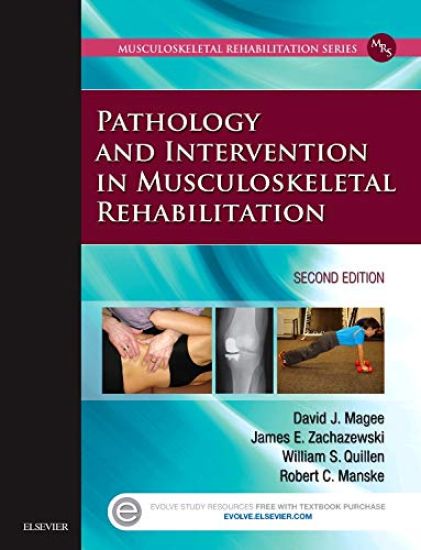
Pathology and Intervention in Musculoskeletal Rehabilitation
David J. Magee; James E. Zachazewski; William S. Quillen; Robert C. Manske
Saunders
2015
sidottu
Design and implement a rehab program on your own with Pathology and Intervention in Musculoskeletal Rehabilitation, 2nd Edition. Part of Magee's popular Musculoskeletal Rehabilitation Series, this pathology text for physical therapists provides clear guidance on patient management relative to specific musculoskeletal pathology, injury, and illness - all based on a sound understanding of basic science and principles of practice. It focuses on the specific pathologies most often seen in the clinic, and discusses the best methods for intervention for the different areas of the body in the context of the tissue-healing model. Each intervention features a rationale, along with the pathology and problem presented; stage of healing; evidence in the literature; and clinical reasoning considerations. Dedicated and focused information on the specific pathologies most often seen in the clinic, as well as the best methods for intervention for the different areas of the body, minimizes duplication of information by referring you to other titles in the Musculoskeletal Rehabilitation Series for basic scientific information regarding inflammation, healing, tissue deformation, and the development of muscular strength and endurance. Trusted experts in musculoskeletal rehabilitation, along with internationally recognized contributors, present the best evidence behind contemporary interventions directed toward the treatment of the impairments and functional limitations associated with acute, chronic, and congenital musculoskeletal conditions occurring across the lifespan. Evidence-based content, with over 4,000 references, supports the scientific principles for rehabilitation interventions, providing the best evidence for the management of musculoskeletal pathology and injury. NEW! The Skin and Wound Healing chapter looks at the numerous tools available to assist in objectively monitoring and treating a patient with an acute or chronic wound. NEW! Rotator Cuff Pathology chapter highlights the anatomy, function, and etiology of the rotary cuff, and addresses rotary cuff injuries, physical examination, and non-operative and operative treatment. UPDATED! Substantially revised chapter on the Thoracic Ring ApproachT facilitates clinical reasoning for the treatment of the thoracic spine and ribs through the assessment and treatment of thoracic spine disorders and how they relate to the whole kinetic chain. UPDATED! Revised Lumbar Spine - Treatment of Motor Control Disorders chapter explores some of the research evidence and clinical reasoning pertaining to instability of the lumbar spine so you can better organize your knowledge for immediate use in the clinical setting. UPDATED! Significantly revised chapter on the treatment of pelvic pain and dysfunction presents an overview of specific pathologies pertaining to the various systems of the pelvis - and highlights how "The Integrated Systems Model for Disability and Pain" facilitates evidence-based management of the often complex patient with pelvic pain and dysfunction. NEW! Musculoskeletal Bone and Soft Tissue Tumors chapter covers common bones tumors, anatomic considerations and rehabilitation, pediatric patients, and amputation related to cancer. UPDATED! Thoroughly revised chapters with additional references ensure you get the most recent evidence and information available. NEW! Full color design and illustration program reflects what you see in the physical world to help you recognize and understand concepts more quickly.

Tests to Evaluate Public Health Disease Reporting Systems in Local Public Health Agencies
David J. Dausey; Nicole Lurie; Alexis Diamond; Barbara Meade; Roger C. Molander; Karen Ricci; Michael A. Stoto; Jeffrey Wasserman
RAND
2005
pokkari
A manual of standardized proficiency tests to help public health agencies develop strategies for testing their disease reporting systems. This operations manual provides public health agencies with a set of standardized proficiency tests to aid in the development of regular and consistent strategies for testing the ability of public health disease reporting systems to receive and respond to case reports 24 hours a day, seven days a week.
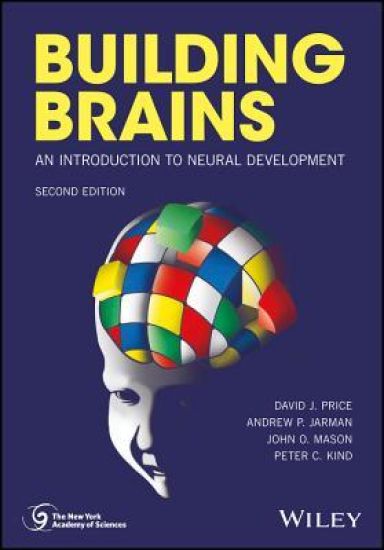
Building Brains
David J. Price; Andrew P. Jarman; John O. Mason; Peter C. Kind
Wiley-Blackwell
2017
nidottu
Provides a highly visual, readily accessible introduction to the main events that occur during neural development and their mechanisms Building Brains: An Introduction to Neural Development, 2nd Edition describes how brains construct themselves, from simple beginnings in the early embryo to become the most complex living structures on the planet. It explains how cells first become neural, how their proliferation is controlled, what regulates the types of neural cells they become, how neurons connect to each other, how these connections are later refined under the influence of neural activity, and why some neurons normally die. This student-friendly guide stresses and justifies the generally-held belief that a greater knowledge of how nervous systems construct themselves will help us find new ways of treating diseases of the nervous system that are thought to originate from faulty development, such as autism spectrum disorders, epilepsy, and schizophrenia. A concise, illustrated guide focusing on core elements and emphasizing common principles of developmental mechanisms, supplemented by suggestions for further readingText boxes provide detail on major advances, issues of particular uncertainty or controversy, and examples of human diseases that result from abnormal developmentIntroduces the methods for studying neural development, allowing the reader to understand the main evidence underlying research advancesOffers a balanced mammalian/non-mammalian perspective (and emphasizes mechanisms that are conserved across species), drawing on examples from model organisms like the fruit fly, nematode worm, frog, zebrafish, chick, mouse and humanAssociated Website includes all the figures from the textbook and explanatory movies Filled with full-colorartwork that reinforces important concepts; an extensive glossary and definitions that help readers from different backgrounds; and chapter summaries that stress important points and aid revision, Building Brains: An Introduction to Neural Development, 2nd Edition is perfect for undergraduate students and postgraduates who may not have a background in neuroscience and/or molecular genetics. “This elegant book ranges with ease and authority over the vast field of developmental neuroscience. This excellent textbook should be on the shelf of every neuroscientist, as well as on the reading list of every neuroscience student.” —Sir Colin Blakemore, Oxford University “With an extensive use of clear and colorful illustrations, this book makes accessible to undergraduates the beauty and complexity of neural development. The book fills a void in undergraduate neuroscience curricula.”—Professor Mark Bear, Picower Institute, MIT. Highly Commended, British Medical Association Medical Book Awards 2012 Published with the New York Academy of Sciences

Texas Natural History in the 21st Century
David J. Schmidly; Robert D. Bradley; Lisa C. Bradley
Texas Tech Press,U.S.
2022
sidottu
One hundred fifty years ago, Texas was very different. A rural population was spread thinly across the eastern and central parts of the state, and vast lands in the western regions were still undisturbed.Texas's habitats and biota changed dramatically as its population increased and people spread across the landscape. In Texas Natural History: A Century of Change (2002), David Schmidly chronicled the changes that occurred during the twentieth century. In this second edition, Schmidly is joined by colleagues Robert and Lisa Bradley of Texas Tech University to extend that story over the first two decades of the twenty-first century.The focus of Texas Natural History in the 21st Century continues to be on the mammalian fauna of the state, and it includes a reprinting of Vernon Bailey's 1905 "The Biological Survey of Texas" with new annotations and updates. In the rest of the book, the authors discuss changes in landscapes, land use, and the status of Texas mammals in the last hundred years. The authors present current challenges to conserving the natural history of Texas and suggest long-term solutions to those challenges, including actions focused on both private and public lands.As Texas approaches the daunting challenge of conserving its wildlife, Texas Natural History in the 21st Century serves as a rallying cry for addressing the scenarios imperiling Texas's natural history in our present day and in the future.

The Psychopharmacology Treatment Planner
David C. Purselle; Charles B. Nemeroff; David J. Berghuis
John Wiley Sons Inc
2003
nidottu
The Psychopharmacology Treatment Planner provides all the elements necessary to quickly and easily develop formal treatment plans that satisfy the demands of HMOs, managed care companies, third-party payors, and state and federal review agencies. *Saves you hours of time-consuming paperwork, yet offers the freedom to develop customized treatment plans for clients whose therapy includes psychotropic drugs *Organized around 28 main presenting problems regularly treated with a combination of psychotropic and psychotherapeutic interventions or treatment modalities, from ADHD, dementia, and substance abuse to antisocial behavior, bipolar disorders, and more *Over 1,000 well-crafted, clear statements describe the behavioral manifestations of each relational problem, long-term goals, short-term objectives, and clinically tested treatment options *Easy-to-use reference format helps locate treatment plan components by behavioral problem or DSM-IV-TR™ diagnosis *Includes a sample treatment plan that conforms to the requirements of most third-party payors and accrediting agencies (including HCFA, JCAHO, and NCQA)

Beyond Hate offers a critical ethnography of the virtual communities established and discursive networks activated through the online engagements of white separatists, white nationalists, and white supremacists with various popular cultural texts, including movies, music, television, sport, video games, and kitsch. Outlining the ways in which advocates of white power interpret popular cultural forms, and probing the emergent spaces of white power popular culture, it examines the paradoxical relationship that advocates of white supremacy have with popular culture, as they finding it to be an irresistible and repugnant reflection of social decay rooted in multiculturalism. Drawing on a range of new media sources, including websites, chat rooms, blogs and forums, this book explores the concerns expressed by advocates of white power, with regard to racial hierarchy and social order, the crisis of traditional American values, the perpetuation of liberal, feminist, elitist ideas, the degradation of the family and the fetishization of black men. What emerges is an understanding of the instruments of power in white supremacist discourses, in which a series of connections are drawn between popular culture, multiculturalism, sexual politics and state functions, all of which are seen to be working against white men. A richly illustrated study of the intersections of white power and popular culture in the contemporary U.S., and the use of use cyberspace by white supremacists as an imagined site of resistance, Beyond Hate will appeal to scholars of sociology and cultural studies with interests in race and ethnicity, popular culture and the discourses of the extreme right.

Beyond Hate offers a critical ethnography of the virtual communities established and discursive networks activated through the online engagements of white separatists, white nationalists, and white supremacists with various popular cultural texts, including movies, music, television, sport, video games, and kitsch. Outlining the ways in which advocates of white power interpret popular cultural forms, and probing the emergent spaces of white power popular culture, it examines the paradoxical relationship that advocates of white supremacy have with popular culture, as they finding it to be an irresistible and repugnant reflection of social decay rooted in multiculturalism. Drawing on a range of new media sources, including websites, chat rooms, blogs and forums, this book explores the concerns expressed by advocates of white power, with regard to racial hierarchy and social order, the crisis of traditional American values, the perpetuation of liberal, feminist, elitist ideas, the degradation of the family and the fetishization of black men. What emerges is an understanding of the instruments of power in white supremacist discourses, in which a series of connections are drawn between popular culture, multiculturalism, sexual politics and state functions, all of which are seen to be working against white men. A richly illustrated study of the intersections of white power and popular culture in the contemporary U.S., and the use of use cyberspace by white supremacists as an imagined site of resistance, Beyond Hate will appeal to scholars of sociology and cultural studies with interests in race and ethnicity, popular culture and the discourses of the extreme right.
Magee's Orthopedic Physical Assessment
Robert C. Manske; David J. Magee
Elsevier Health Sciences
2026
sidottu
Build your skills in assessment for musculoskeletal pathology! Magee’s Orthopedic Physical Assessment, 8th Edition, covers the principles of musculoskeletal assessment for all of the body’s structures and joints, emphasizing examination, evaluation, and differential diagnosis. Other assessment topics range from gait and posture to amputees and sports emergencies. Included with purchase of the print book are hundreds of online video clips demonstrating special diagnostic tests. Written by PT educators Robert C. Manske and David J. Magee, this reference uses a systematic, evidence-based approach to prepare you for success in clinicals, board exams, and in rehabilitation practice. Enhanced eBook version - included with every new print purchase - allows you to access all of the text, figures, references, and reliability and validity tables, with the ability to search, customize your content, make notes and highlights, and have content read aloud. Plus, video clips demonstrate special tests to give you a clearer understanding of how to perform musculoskeletal assessment. More than 2,500 illustrations include full-color clinical photographs and drawings as well as radiographs, clearly depicting key concepts, assessment techniques, and special tests. Case studies use real-world scenarios to help you develop assessment and diagnostic skills. Quick-reference data?includes hundreds of summary boxes, red flag and yellow flag signs and symptoms, differential diagnosis tables, new illustrated tables demonstrating methods to measure range of motion and manual muscle testing, muscle and nerve tables, and classification, normal values, and grading tables. At-a-glance icons?show the clinical utility of special tests, supplemented by updated, evidence-based reliability and validity tables for tests and techniques. Précis (Summary) of Assessment in each chapter provides a step-by-step summary of assessment procedures, serving as a quick reference of assessment steps for the structure or joint being assessed. A part of the Musculoskeletal Rehabilitation series - Pathology and Interventions, Scientific Foundations and Principles of Practice, and Athletic and Sport Issues - this book provides you with the knowledge and background necessary to assess and treat musculoskeletal conditions. NEW! Increased content on range of motion assessment and strength assessment is added to this edition. NEW! Updated content on concussion management is included in this edition. NEW! Many new special tests are added throughout the book.

Formal Spoken Arabic Basic Course with MP3 Files
Karin C. Ryding; David J. Mehall
Georgetown University Press
2005
pokkari
This new edition, updated and with additional exercises, equips those who work, travel, and study in Arab countries with an educated form of spoken Arabic that functions flexibly in the face of various regional colloquial variants in the Arab world. Because the Arabic language has a number of very different spoken vernaculars, being able to speak and be understood in all Arab countries has become a challenge for English speakers. Ryding and Mehall have designed a course that teaches a standardized variant of spoken Arabic that is close to, but more natural than, the literary Modern Standard Arabic. With a non-grammar-based approach, this book fosters communicative competence in Arabic on all levels and develops speaking proficiency without abandoning Arabic script. It has proven to be clear, effective, and relevant to the needs of Americans living and working in the Arab East. Task-based lessons feature basic dialogues between Americans and Arabs, explanations of new structures, vocabulary expansion, and exercises; and provide gradual access to the sounds and script of Arabic by emphasizing listening and reading comprehension first, then slowly adding oral exercises and activities until the student has achieved basic proficiency. Not intended for self-instruction for beginners, "Formal Spoken Arabic Basic Course with MP3 Files" assumes some previous knowledge of Modern Standard Arabic, Arabic script and phonology, and previous or simultaneous instruction in orthography. This new edition includes a CD of MP3 audio exercises that are keyed to the text and drill students on listening and speaking. Lessons cover topics including: Heads of State; Cities and Countries; Official Titles; Geography; Systems of Government; Lost Luggage; Getting Acquainted; Establishing Common Ground; Seeking and Giving Information; Personal Needs and Family; Handling Problems; Eating Out; and, Bargaining and Buying.