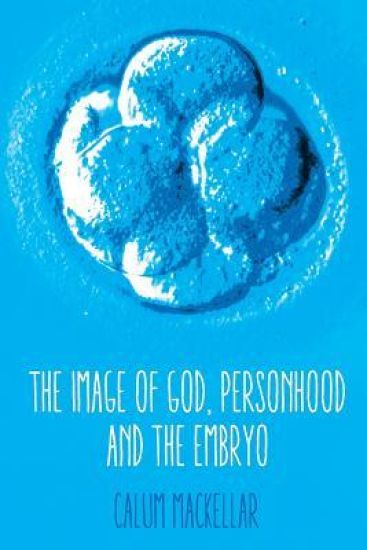
Why are human embryos so important to many Christians? What does theology say concerning the moral status of these embryos? Answers to these questions can only be obtained by considering the manner in which Christian theology understands the great theme of the image of God. This book examines the most important aspects in which this image, and the related Christian notion of personhood, can be used in the context of theological arguments relating to the moral status of the human embryo. Thoughtful in approach and ecumenical in perspective, the author combines a thorough knowledge of the science of embryology with a broad knowledge of the theological implications.
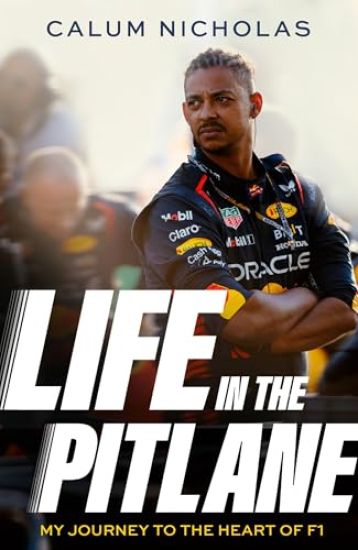
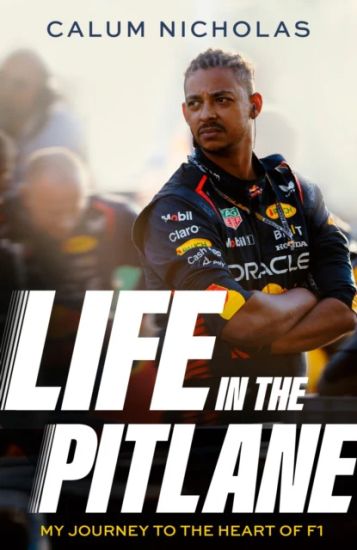
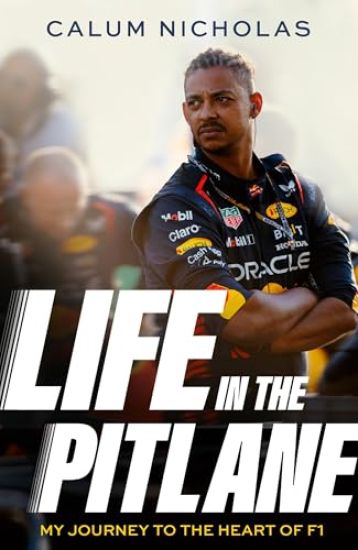
'A fascinating journey through Nicholas's pre-F1 life and his experiences since joining Red Bull' AutosportLife in the Pitlane is an inspiring memoir from Red Bull's senior engineer Calum Nicholas that will open up the world of Formula 1 like never before.Replete with all the high-octane tales and behind the scenes details you'd expect from a life lived next to the fast lane, Life in the Pitlane will detail the realities of life off the track; the good and the bad, with a particular spotlight on diversity and inclusion within the sport, and all the entertaining stories and behind the scenes details fans of F1 will be looking for.Life in the Pitlane brings a brand-new perspective to the sport, as Calum reflects on his career so far, how the sport has changed for those working in it, the realities of life on the road and the future he hopes lies ahead.
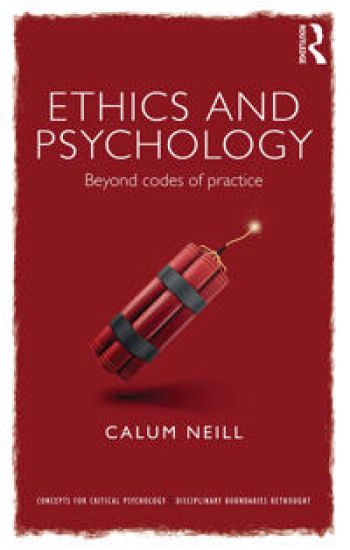
This highly original book explores the idea and potential of psychology in the context of ethical theory, and the idea of ethics in the context of psychology. In so doing, it not only interrogates how we come to understand ethics and notions of right behaviour, but also questions the discipline of psychology and how it functions in the 21st century. Neill turns psychology inside out, controversially suggesting that psychology no longer exists as we know it. He proposes a rebirth of psychology based on an intricate and detailed examination of who we really are, and how we come to structure this idea of ourselves. Taking the idea of ethics seriously, Neill allows us to see psychology in a totally new light, addressing key points, such as: The inadequacy of psychology to address the question of ethics throughout history. Why thinking through the question of ethics necessarily brings us into confrontation with a question of psychology. What we actually do when we do psychology and how, via a serious consideration of ethics we might do this differently and better. Ethics and Psychology presents readers with a new and potentially productive understanding of both ethics and psychology and will appeal to anyone active within and critically engaged with the field.
This highly original book explores the idea and potential of psychology in the context of ethical theory, and the idea of ethics in the context of psychology. In so doing, it not only interrogates how we come to understand ethics and notions of right behaviour, but also questions the discipline of psychology and how it functions in the 21st century. Neill turns psychology inside out, controversially suggesting that psychology no longer exists as we know it. He proposes a rebirth of psychology based on an intricate and detailed examination of who we really are, and how we come to structure this idea of ourselves. Taking the idea of ethics seriously, Neill allows us to see psychology in a totally new light, addressing key points, such as: The inadequacy of psychology to address the question of ethics throughout history. Why thinking through the question of ethics necessarily brings us into confrontation with a question of psychology. What we actually do when we do psychology and how, via a serious consideration of ethics we might do this differently and better. Ethics and Psychology presents readers with a new and potentially productive understanding of both ethics and psychology and will appeal to anyone active within and critically engaged with the field.
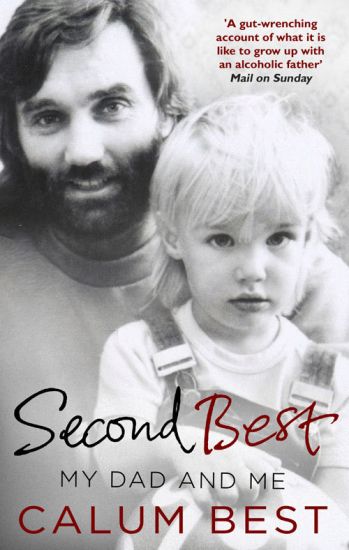
THE SUNDAY TIMES TOP 10 BESTSELLERCalum Best should have had it all. As the only son of world-famous footballing legend George Best and his first wife Angie, a gorgeous English model, Calum was born into a world of privilege and opportunity.But his father’s fame came at a price, and George’s playing career was soon overshadowed by his playboy lifestyle and an increasing dependence on the comforting embrace of alcohol. Whilst his tumultuous later years could never diminish the memories of the peerless, often breathtaking, quality of his football, they had a profound effect on Calum.Growing up with his mother in California, Calum’s visits to see his father in England were all too rare, and he cherished every moment he could spend in the company of the man he adored. But as George’s alcoholism spiralled out of control, inebriation frequently led to violence and George’s self-destruction spilled over onto his son.Vivid, deeply moving, brave and honest, Second Best is the heart-breaking story of their relationship. It is a powerful tale of love and suffering, of an absent father and his wayward son, and of a family torn apart by addiction.
‘Delivers on more vibrant, easy plant-based recipes. Love it.’ Joe Wicks_______________________________________________________________________________Easy, healthy dishes that just so happen to be plant-based. Each of the recipes in this book come with up to four health 'boosts' to meet your dietary needs: ENERGYGUT HEALTHPROTEIN-PACKEDSHAPE-UPEating healthy means missing out on the food you love, right? Wrong. If you’re looking for a no-nonsense way to eat well, then Proper Healthy has you covered. Calum Harris has done all the hard work for you, working with a registered dietician to create easy, plant-based dishes that come packed with up to four health benefits to boost your meals. Whether it’s helping your gut health, upping your protein-intake, restoring energy levels or eating lower-calorie meals, these unapologetically tasty, hassle-free recipes are guaranteed to deliver. From brunches and quick eats, puds and pick-me-ups, this is a book for anyone who cares about what goes into their bodies and what food can do to their mood and energy. It’s for anyone looking to stick to a plant-based diet, or for plant-based eaters looking for healthy inspiration. Recipes include:Pretend-like-you’re-in-LA smoothie bowlGingery basil rainbow noodle jarsGnocchi shepherd’s pieCacio e pepe leek rigatoniTempeh taco bowl with chipotle cremaShredded BBQ jerk tofu bowl Upside-down pistachio and orange semolina cakeRaspberry miso blondies
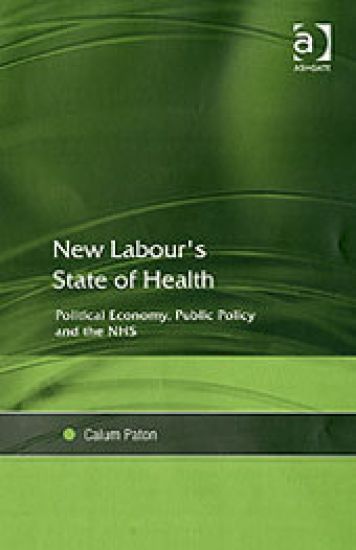
In this timely and unique work, Calum Paton assesses the political economy and politics of current health policy in order to explain the underlying causes of problems in the National Health Service. Debates from political theory, political economy and public administration are used to examine health policy made and implemented by New Labour since their election victory in 1997. The author argues that the fundamental nature of health policy is dependent upon the prevailing regime in political economy and also that 'policy overload', contradictions and confusion have rendered the task of coherent implementation very difficult. Although there is implicit comparison, the primary focus is England within the UK (post-devolution), and the book provides a detailed examination of contemporary health policy. Written by an established scholar in the field, it will particularly interest academics, post-graduate students and professionals in health policy, social policy and politics.
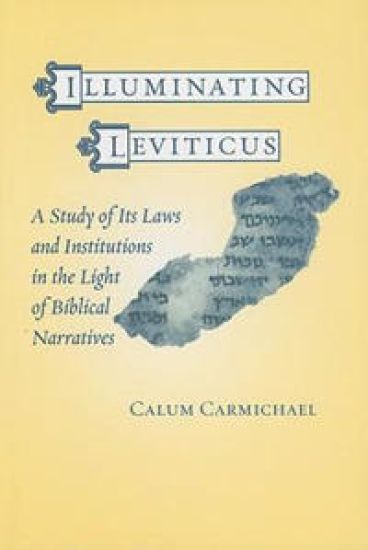
The origin of law in the Hebrew Bible has long been the subject of scholarly debate. Until recently, the historico-critical methodologies of the academy have yielded unsatisfactory conclusions concerning the source of these laws which are woven through biblical narratives. In this original and provocative study, Calum Carmichael-a leading scholar of biblical law and rhetoric-suggests that Hebrew law was inspired by the study of the narratives in Genesis through 2 Kings. Discussing particular laws found in the book of Leviticus-addressing issues such as the Day of Atonement, consumption of meat that still has blood, the Jubilee year, sexual and bodily contamination, and the treatment of slaves-Carmichael links each to a narrative. He contends that biblical laws did not emerge from social imperatives in ancient Israel, but instead from the careful, retrospective study of the nation's history and identity.
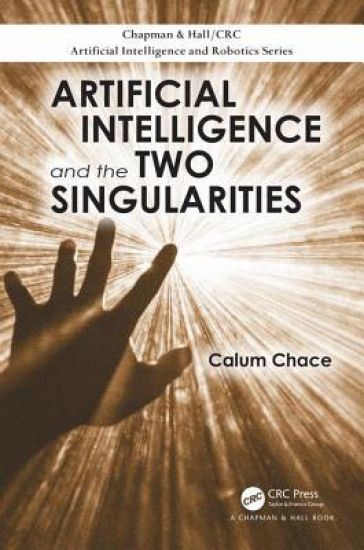
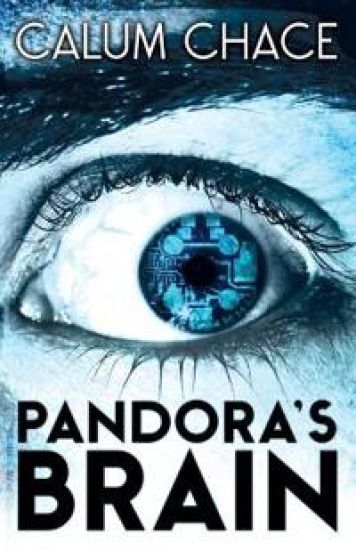
The science of AI was born a little over 60 years ago, but for most of that time its achievements were modest. In 2012 it experienced a big bang, when a branch of statistics called Machine Learning (and a sub-branch called Deep Learning) was applied to it. Now machines have surpassed humans in image recognition, and they are catching up with us at speech recognition and natural language processing. Every day, the media reports the launch of a new service, a new product, and a new demonstration powered by AI. When will it end? The surprising truth is, the AI revolution has only just begun. Artificial Intelligence and the Two Singularities argues that in the course of this century, the exponential growth in the capability of AI is likely to bring about two "singularities" - points at which conditions are so extreme that the normal rules break down. The first is the economic singularity, when machine skill reaches a level that renders many of us unemployable and requires an overhaul of our current economic and social systems. The second is the technological singularity, when machine intelligence reaches and then surpasses the cognitive abilities of an adult human, relegating us to the second smartest species on the planet. These singularities will present huge challenges, but this book argues that we can meet these challenges and overcome them. If we do, the rewards could be almost unimaginable.This book covers: • Recent developments in AI and its future potential • The economic singularity and the technological singularity in depth • The risks and opportunities presented by AI • What actions we should takeArtificial intelligence can turn out to be the best thing ever to happen to humanity, making our future wonderful almost beyond imagination. But only if we address head-on the challenges that it will raise. Calum Chace is a best-selling author of fiction and non-fiction books and articles, focusing on the subject of artificial intelligence. He is a regular speaker on artificial intelligence and related technologies, and runs a blog on the subject at www.pandoras-brain. com. Prior to becoming a full-time writer and speaker, he spent 30 years in business as a marketer, a strategy consultant, and a CEO. He studied philosophy at Oxford University, where he discovered that the science fiction he had been reading since boyhood was simply philosophy in fancy dress.
The science of AI was born a little over 60 years ago, but for most of that time its achievements were modest. In 2012 it experienced a big bang, when a branch of statistics called Machine Learning (and a sub-branch called Deep Learning) was applied to it. Now machines have surpassed humans in image recognition, and they are catching up with us at speech recognition and natural language processing. Every day, the media reports the launch of a new service, a new product, and a new demonstration powered by AI. When will it end? The surprising truth is, the AI revolution has only just begun. Artificial Intelligence and the Two Singularities argues that in the course of this century, the exponential growth in the capability of AI is likely to bring about two "singularities" - points at which conditions are so extreme that the normal rules break down. The first is the economic singularity, when machine skill reaches a level that renders many of us unemployable and requires an overhaul of our current economic and social systems. The second is the technological singularity, when machine intelligence reaches and then surpasses the cognitive abilities of an adult human, relegating us to the second smartest species on the planet. These singularities will present huge challenges, but this book argues that we can meet these challenges and overcome them. If we do, the rewards could be almost unimaginable.This book covers: • Recent developments in AI and its future potential • The economic singularity and the technological singularity in depth • The risks and opportunities presented by AI • What actions we should takeArtificial intelligence can turn out to be the best thing ever to happen to humanity, making our future wonderful almost beyond imagination. But only if we address head-on the challenges that it will raise. Calum Chace is a best-selling author of fiction and non-fiction books and articles, focusing on the subject of artificial intelligence. He is a regular speaker on artificial intelligence and related technologies, and runs a blog on the subject at www.pandoras-brain. com. Prior to becoming a full-time writer and speaker, he spent 30 years in business as a marketer, a strategy consultant, and a CEO. He studied philosophy at Oxford University, where he discovered that the science fiction he had been reading since boyhood was simply philosophy in fancy dress.
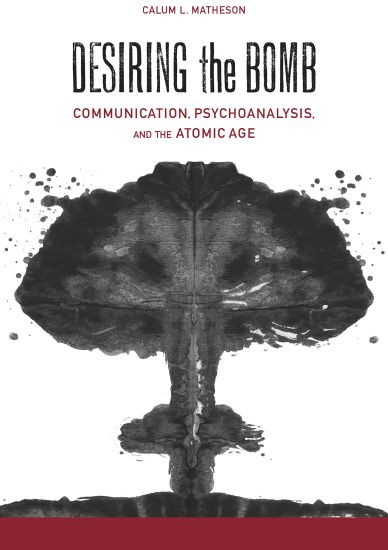
A timely interdisciplinary study that applies psychoanalysis and the rhetorical tradition of the sublime to examine the cultural aftermath of the Atomic Age.Every culture throughout history has obsessed over various “end of the world” scenarios. The dawn of the Atomic Age marked a new twist in this tale. For the first time, our species became aware of its capacity to deliberately destroy itself. Since that time the Bomb has served as an organizing metaphor, a symbol of human annihilation, a stand-in for the unspeakable void of extinction, and a discursive construct that challenges the limits of communication itself. The parallel fascination with and abhorrence of nuclear weapons has metastasized into a host of other end-of-the-world scenarios, from global pandemics and climate change to zombie uprisings and asteroid collisions.Desiring the Bomb: Communication, Psychoanalysis, and the Atomic Age explores these world-ending fantasies through the lens of psychoanalysis to reveal their implications for both contemporary apocalyptic culture and the operations of language itself. What accounts for the enduring power of the Bomb as a symbol? What does the prospect of annihilation suggest about language and its limits? Thoroughly researched and accessibly written, this study expands on the theories of Kenneth Burke, Jacques Lacan, Sigmund Freud, and many others from a variety of disciplines to arrive at some answers to these questions.Calum L. Matheson undertakes a series of case studies—including the Trinity test site, nuclear war games, urban shelter schemes, and contemporary survivalism—and argues that contending with the anxieties (individual, social, cultural, and political) born of the Atomic Age depends on rhetorical conceptions of the “real,” an order of experience that cannot be easily negotiated in language. Using aspects of media studies, rhetorical theory, and psychoanalysis, the author deftly engages the topics of Atomic Age survival, extinction, religion, and fantasy, along with their enduring cultural legacies, to develop an account of the Bomb as a signifier and to explore why some Americans have become fascinated with fantasies of nuclear warfare and narratives of postapocalyptic rebirth.
In this study of the nature and sources of biblical law, Calum Carmichael focuses on the intimate and little-appreciated relationship between two components of the Bible, namely that the legal material represents a form of commentary or extended exposition of the narratives.After introducing his central views and how they depart from the mainstream, Carmichael addresses the Priestly material in Leviticus, exploring, for example, the theme of incest and the Bible. Subsequent chapters cover such fundamental topics of biblical law as the Decalogue; the formula "life for life, eye for eye, tooth for tooth"; and the theme of life and death. In each instance, parallels are drawn between specific laws and narratives. Finally, Carmichael traces the influence of the narratives of David's adultery and Saul's suicide on the development of related laws.Approaching his topic from the basic premise that any society's laws do not necessarily relate to its practical problems, Carmichael challenges the long prevailing view that the body of biblical laws and ethical rules grew up in piecemeal fashion over many centuries, in reaction to specific social problems as they arose. Rather, the laws are a work of historical reconstruction, redacted during one relatively concentrated period by Deuteronomic and Priestly lawgivers. Conflating past, present, and future, these redactors embedded the codes of law in the narratives to make what was for them an orderly presentation of the historical life of ancient Israel. This approach, says Carmichael, was driven by needs we can never fully appreciate and underpinned by a very different conception of what constitutes historical knowledge. Only when we relinquish modern notions of historical writing can we comprehend the enormous sophistication of the biblical authors' project.