Kirjojen hintavertailu. Mukana 12 390 323 kirjaa ja 12 kauppaa.

Kirjahaku

Etsi kirjoja tekijän nimen, kirjan nimen tai ISBN:n perusteella.

1000 tulosta hakusanalla Colin Davies

French Fiction in the Mitterrand Years

French Fiction in the Mitterrand Years

Colin Davis; Elizabeth Fallaize

Oxford University Press
2000
sidottu
In the 1980s and 1990s French Fiction has emerged from the towering shadow of the formalist literary debates of the fifties and sixties and has reclaimed the ground of history, or narrative, of the individual self which has been the thrust of artistic endeavour for much of European history. The Author has returned from the dead to entertain and tell stories, as well as to negotiate a path through traumatic experiences such as the legacy of Frances colonial and wartime past, the Holocaust, the spectre of Aids, the labyrinths of desire and personal identity. Colin Davis and Elizabeth Fallaize examine some of the most popular and some of the most challenging of texts which emerged during François Mitterrand's presidency of France (1981-1995) and relate them to the dominant literary and cultural trends of the period. The book will appeal to students at all levels who are engaged in courses in twentieth-century fiction and to readers with an interest in contemporary French culture.
Levinas

Levinas

Colin Davis

University of Notre Dame Press
1997
nidottu
In recent years, there has been a resurgence of interest in the work of Emmanuel Levinas, widely recognized as one of the most important yet difficult philosophers of the twentieth century. In this much-needed introduction, Davis unpacks the concepts at the center of Levinas's thought-alterity, the Other, the face, infinity-concepts which have previously presented readers with major problems of interpretation. Davis traces the development of Levinas's thought over six decades, describing the context in which he worked, and the impact of his writings. He argues that Levinas' work remains tied to the ontological tradition with which he wants to break, and demonstrates how his later writing tries to overcome this dependency by its increasingly disruptive, sometimes opaque, textual practice. He discusses Levinas's theological writings and his relationship to Judaism, as well as the reception of his work by contemporary thinkers, arguing that the influence of his work has led to a growing interest in ethical issues among poststructuralist and postmodernist thinkers in recent years. Comprehensive and clearly written, this book is essential reading for students and teachers in Continental philosophy, French studies, literary theory, and theology.
After Poststructuralism

After Poststructuralism

Colin Davis

Routledge
2003
sidottu
In the last decades of the twentieth century, French poststructuralist 'theory' transformed the humanities; it also met with resistance and today we frequently hear that theory is 'dead'.In this brilliantly argued volume, Colin Davis:*reconsiders key arguments for and against theory, identifying significant misreadings*reassesses the contribution of poststructuralist thought to the critical issues of knowledge, ethics, hope and identity*sheds new light on the work of Jean-François Lyotard, Emmanuel Levinas, Louis Althusser and Julia Kristeva in a stunning series of readings*offers a fresh perspective on recent debates around the death of theory.In closing he argues that theory may change, but it will not go away. After poststructuralism, then, comes the afterlife of poststructuralism.Wonderfully accessible, this is an account of the past and present fortunes of theory, suitable for anyone researching, teaching, or studying in the field. And yet it is much more than this. Colin Davis provides a way forward for the humanities - a way forward in which theory will play a crucial part.
After Poststructuralism

After Poststructuralism

Colin Davis

Routledge
2003
nidottu
In the last decades of the twentieth century, French poststructuralist 'theory' transformed the humanities; it also met with resistance and today we frequently hear that theory is 'dead'.In this brilliantly argued volume, Colin Davis:*reconsiders key arguments for and against theory, identifying significant misreadings*reassesses the contribution of poststructuralist thought to the critical issues of knowledge, ethics, hope and identity*sheds new light on the work of Jean-François Lyotard, Emmanuel Levinas, Louis Althusser and Julia Kristeva in a stunning series of readings*offers a fresh perspective on recent debates around the death of theory.In closing he argues that theory may change, but it will not go away. After poststructuralism, then, comes the afterlife of poststructuralism.Wonderfully accessible, this is an account of the past and present fortunes of theory, suitable for anyone researching, teaching, or studying in the field. And yet it is much more than this. Colin Davis provides a way forward for the humanities - a way forward in which theory will play a crucial part.
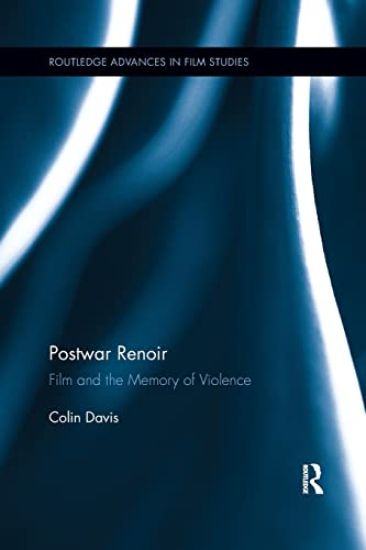
Postwar Renoir

Postwar Renoir

Colin Davis

Routledge
2012
sidottu
This book re-assesses director Jean Renoir’s work between his departure from France in 1940 and his death in 1979, and contributes to the debate over how the medium of film registers the impact of trauma. The 1930s ended in catastrophe for both for Renoir and for France: La Règle du jeu was a critical and commercial disaster on its release in July 1939 and in 1940 France was occupied by Germany. Even so, Renoir continued to innovate and experiment with his post-war work, yet the thirteen films he made between 1941 and 1969, constituting nearly half of his work in sound cinema, have been sorely neglected in the study of his work.With detailed readings of the these films and four novels produced by Renoir in his last four decades, Davis explores the direct and indirect ways in which film, and Renoir’s films in particular, depict the aftermath of violence.
Levinas

Levinas

Colin Davis

Polity Press
1996
nidottu
In recent years there has been a resurgence of interest in the work of Emmanuel Levinas, widely recognized as one of the most important yet difficult philosophers of the 20th century. In this much-needed introduction, Davis unpacks the concepts at the centre of Levinas's thought - alterity, the Other, the Face, infinity - concepts which have previously presented readers with major problems of interpretation. Davis traces the development of Levinas's thought over six decades, describing the context in which he worked, and the impact of his writings. He argues that Levinas's work remains tied to the ontological tradition with which he wants to break, and demonstrates how his later writing tries to overcome this dependency by its increasingly disruptive, sometimes opaque, textual practice. He discusses Levinas's theological writings and his relationship to Judaism, as well as the reception of his work by contemporary thinkers, arguing that the influence of his work has led to a growing interest in ethical issues among poststructuralist and postmodernist thinkers in recent years. Comprehensive and clearly written, this book will be essential reading for students and researchers in continental philosophy, French studies, literary theory and theology.
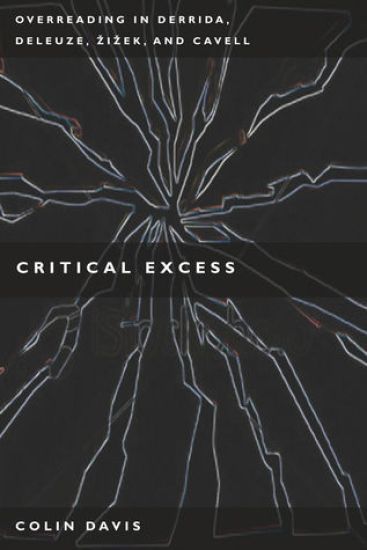
Critical Excess

Critical Excess

Colin Davis

Stanford University Press
2010
sidottu
The "ancient quarrel" between philosophy and literature seems to have been resolved once and for all with the recognition that philosophy and the arts may be allies instead of enemies. Critical Excess examines in detail the work of five thinkers who have had a huge, ongoing impact on the study of literature and film: Jacques Derrida, Gilles Deleuze, Emmanuel Levinas, Slavoj Žižek, and Stanley Cavell. Their approaches are very different from one another, but they each make unexpected interpretive leaps that render their readings exhilarating and unnerving. But do they go too far? Does a scribbled note left behind by Nietzsche really tell us about the nature of textuality? Can Hitchcock truly tell you "everything you always wanted to know about Lacan"? Does the blanket hung up in a motel room invoke the Kantian divide between the knowable phenomenal world and the unknowable things in themselves? Contextualizing the work of the five thinkers in the intellectual debates to which they contribute, this book analyzes the stakes and advantages of "overreading."
Critical Excess

Critical Excess

Colin Davis

Stanford University Press
2010
pokkari
The "ancient quarrel" between philosophy and literature seems to have been resolved once and for all with the recognition that philosophy and the arts may be allies instead of enemies. Critical Excess examines in detail the work of five thinkers who have had a huge, ongoing impact on the study of literature and film: Jacques Derrida, Gilles Deleuze, Emmanuel Levinas, Slavoj Žižek, and Stanley Cavell. Their approaches are very different from one another, but they each make unexpected interpretive leaps that render their readings exhilarating and unnerving. But do they go too far? Does a scribbled note left behind by Nietzsche really tell us about the nature of textuality? Can Hitchcock truly tell you "everything you always wanted to know about Lacan"? Does the blanket hung up in a motel room invoke the Kantian divide between the knowable phenomenal world and the unknowable things in themselves? Contextualizing the work of the five thinkers in the intellectual debates to which they contribute, this book analyzes the stakes and advantages of "overreading."
Literature, Interpretation and Ethics

Literature, Interpretation and Ethics

Colin Davis

TAYLOR FRANCIS LTD
2024
sidottu
Literature, Interpretation and Ethics argues for the centrality of hermeneutics in the context of ongoing debates about the value and values of literature, and about the role and ethics of literary study. Hermeneutics is the endeavor to understand the nature of interpretation, as it poses vital questions about how we make sense of works of art, our own lives, other people and the world around us.The book outlines the contribution of hermeneutics to literary study through detailed accounts of role of interpretation in the work of key thinkers such as Martin Heidegger, Hans-Georg Gadamer, Paul Ricoeur, Umberto Eco, Jacques Derrida and Emmanuel Levinas. It also illustrates problems of interpretation posed by specific literary texts and films, emphasising how our interpretive acts also entail ethical engagements. The book develops a ‘hermeneutics of (guarded) trust’, which calls for attention to the agency of art without surrendering critical vigilance.Through a series of forays into theoretical texts, literary works and films, the book contributes to contemporary debates about critical practice and the cultural value. Interpretation, it suggests, is always fallible but it is also essential to our place in the world, and to the importance of the humanities.
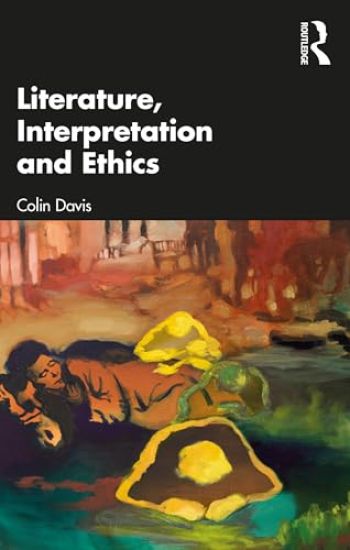
Literature, Interpretation and Ethics

Literature, Interpretation and Ethics

Colin Davis

TAYLOR FRANCIS LTD
2024
nidottu
Literature, Interpretation and Ethics argues for the centrality of hermeneutics in the context of ongoing debates about the value and values of literature, and about the role and ethics of literary study. Hermeneutics is the endeavor to understand the nature of interpretation, as it poses vital questions about how we make sense of works of art, our own lives, other people and the world around us.The book outlines the contribution of hermeneutics to literary study through detailed accounts of role of interpretation in the work of key thinkers such as Martin Heidegger, Hans-Georg Gadamer, Paul Ricoeur, Umberto Eco, Jacques Derrida and Emmanuel Levinas. It also illustrates problems of interpretation posed by specific literary texts and films, emphasising how our interpretive acts also entail ethical engagements. The book develops a ‘hermeneutics of (guarded) trust’, which calls for attention to the agency of art without surrendering critical vigilance.Through a series of forays into theoretical texts, literary works and films, the book contributes to contemporary debates about critical practice and the cultural value. Interpretation, it suggests, is always fallible but it is also essential to our place in the world, and to the importance of the humanities.
Postwar Renoir

Postwar Renoir

Colin Davis

Routledge
2016
nidottu
This book re-assesses director Jean Renoir’s work between his departure from France in 1940 and his death in 1979, and contributes to the debate over how the medium of film registers the impact of trauma. The 1930s ended in catastrophe for both for Renoir and for France: La Règle du jeu was a critical and commercial disaster on its release in July 1939 and in 1940 France was occupied by Germany. Even so, Renoir continued to innovate and experiment with his post-war work, yet the thirteen films he made between 1941 and 1969, constituting nearly half of his work in sound cinema, have been sorely neglected in the study of his work.With detailed readings of the these films and four novels produced by Renoir in his last four decades, Davis explores the direct and indirect ways in which film, and Renoir’s films in particular, depict the aftermath of violence.
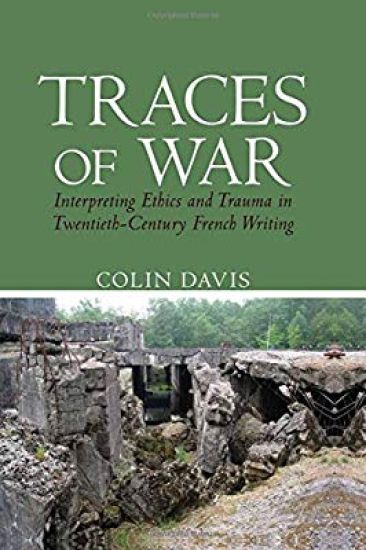
Traces of War

Traces of War

Colin Davis

Liverpool University Press
2017
sidottu
An Open Access edition of this book is available on the Liverpool University Press website and the OAPEN library. The legacy of the Second World War remains unsettled; no consensus has been achieved about its meaning and its lasting impact. This is pre-eminently the case in France, where the experience of defeat and occupation created the grounds for a deeply ambiguous mixture of resistance and collaboration, pride and humiliation, heroism and abjection, which writers and politicians have been trying to disentangle ever since. This book develops a theoretical approach which draws on trauma studies and hermeneutics; and it then focuses on some of the intellectuals who lived through the war and on how their experience and troubled memories of it continue to echo through their later writing, even and especially when it is not the explicit topic. This was an astonishing generation of writers who would go on to play a pivotal role on a global scale in post-war aesthetic and philosophical endeavours. The book proposes close readings of works by some of the most brilliant amongst them: Jean-Paul Sartre, Simone de Beauvoir, Albert Camus, Charlotte Delbo, Paul Ricoeur, Emmanuel Levinas, Louis Althusser, Jorge Semprun, Elie Wiesel, and Sarah Kofman.
Silent Renoir

Silent Renoir

Colin Davis

Springer Nature Switzerland AG
2021
sidottu
Jean Renoir (1894-1979) is widely regarded as one of the most distinguished directors in the history of world cinema. In the 1930s he directed a string of films which stretched the formal, intellectual, political and aesthetic boundaries of the art form, including works such as Le Crime de Monsieur Lange, La Grande Illusion, La Bête humaine and La Règle du jeu. However, the great director’s early work from the 1920s remains almost completely unknown, even to film specialists. If it is discussed at all, it is often seen to be of interest only insofar as it anticipates themes and techniques perfected in the later masterpieces. Renoir’s films of the 1920s were sometimes unfinished, commercially unsuccessful, or unreleased at the time of their production. This book argues that to regard them merely as prefigurations of later achievements entails a failure to view them on their own terms, as searching, unsettled experiments in the meaning and potentialof film art.
Silent Renoir

Silent Renoir

Colin Davis

Springer Nature Switzerland AG
2022
nidottu
Jean Renoir (1894-1979) is widely regarded as one of the most distinguished directors in the history of world cinema. In the 1930s he directed a string of films which stretched the formal, intellectual, political and aesthetic boundaries of the art form, including works such as Le Crime de Monsieur Lange, La Grande Illusion, La Bête humaine and La Règle du jeu. However, the great director’s early work from the 1920s remains almost completely unknown, even to film specialists. If it is discussed at all, it is often seen to be of interest only insofar as it anticipates themes and techniques perfected in the later masterpieces. Renoir’s films of the 1920s were sometimes unfinished, commercially unsuccessful, or unreleased at the time of their production. This book argues that to regard them merely as prefigurations of later achievements entails a failure to view them on their own terms, as searching, unsettled experiments in the meaning and potentialof film art.
Managed Funds For Dummies

Managed Funds For Dummies

Colin Davidson

JOHN WILEY SONS AUSTRALIA LTD
2011
nidottu
Created especially for the Australian customer! Find your way through the managed fund maze and make the most of your investments! Multi-sector equities? Concentrated funds? How about index funds? If you're being deafened by the volume of investment options, this accessible and informative guide shows you the way! Find the best fund for your needs with lots of insider tips. Make smart investment decisions that will pave your way to financial success! Understand what makes a managed fund tick — how managed funds differ from other investments Work out your investor profile — weighing up the level of risk you're willing to take to reap your rewards Appreciate class and style — how a mix of asset class and management style can produce the results you're after Identify the key players — what makes some funds stand out and what keeps them on top of the pile Calculate the costs — deciphering fees and commissions and making sure you're not paying too much Make sense of ratings — what the ratings agencies do and how you can get your head around their research Learn the tricks of the trade — easy tips and strategies for buying, selling and monitoring your fund Analyse fund performance — how to assess returns to enhance your investment success Open the book and find: Charts and tables to illustrate how managed funds work Checklists for understanding reports and filling in the forms Concise descriptions of the different fund types Useful websites for funds and regulators Tips for managing your own investment portfolio A comprehensive glossary to cut through the jargon Learn to: Understand the pros and cons of investing in Australian managed funds Find the best types of managed funds to meet your financial goals Implement investment strategies to maximise your money Identify risks and returns
Alternative Worlds Imagined, 1500-1700

Alternative Worlds Imagined, 1500-1700

James Colin Davis

Springer International Publishing AG
2017
sidottu
This book address the relationship between utopian and radical thought, particularly in the early modern period, and puts forward alternatives approaches to imagined ‘realities’. Alternative Worlds Imagined, 1500-1700 explores the nature and meaning of radicalism in a traditional society; the necessity of fiction both in rejecting and constructing the status quo; and the circumstances in which radical and utopian fictions appear to become imperative. In particular, it closely examines non-violence in Gerrard Winstanley’s thought; millennialism and utopianism as mutual critiques; form and substance in early modern utopianism/radicalism; Thomas More’s utopian theatre of interests; and James Harrington and the political necessity of narrative fiction. This detailed analysis underpins observations about the longer term historical significance and meaning of both radicalism and utopianism.
Alternative Worlds Imagined, 1500-1700

Alternative Worlds Imagined, 1500-1700

James Colin Davis

Springer International Publishing AG
2018
nidottu
This book address the relationship between utopian and radical thought, particularly in the early modern period, and puts forward alternatives approaches to imagined ‘realities’. Alternative Worlds Imagined, 1500-1700 explores the nature and meaning of radicalism in a traditional society; the necessity of fiction both in rejecting and constructing the status quo; and the circumstances in which radical and utopian fictions appear to become imperative. In particular, it closely examines non-violence in Gerrard Winstanley’s thought; millennialism and utopianism as mutual critiques; form and substance in early modern utopianism/radicalism; Thomas More’s utopian theatre of interests; and James Harrington and the political necessity of narrative fiction. This detailed analysis underpins observations about the longer term historical significance and meaning of both radicalism and utopianism.
The Problem of the North-West Frontier, 1890–1908

The Problem of the North-West Frontier, 1890–1908

C. Collin Davies

Cambridge University Press
2013
pokkari
First published in 1932, this book presents a historical study of the problems associated with controlling the 'North-West Frontier' region of British India. The text focuses in the main on the period 1890 to 1908, although a survey of policy since 1849 is also provided. It was based almost entirely on analysis of numerous official documents and original sources, which are quoted throughout. Appendices and a select bibliography are included at the end. This book will be of value to anyone with an interest in perspectives on British India and historiography.