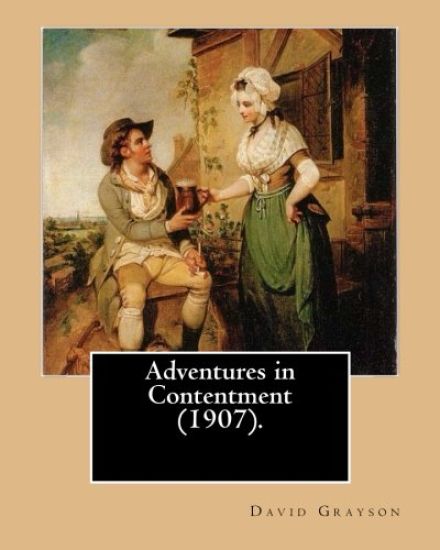
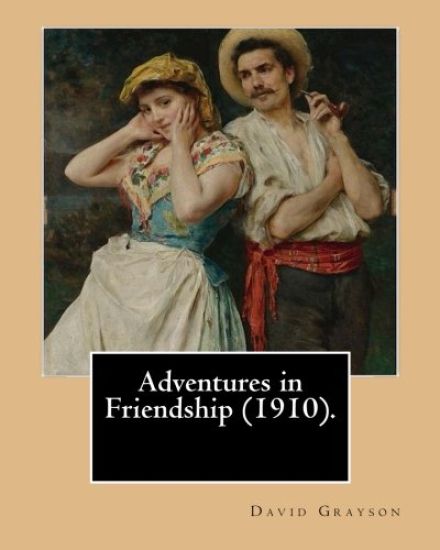
Ray Stannard Baker (April 17, 1870 in Lansing, Michigan - July 12, 1946 in Amherst, Massachusetts)(also known by his pen name David Grayson) was an American journalist, historian, biographer, and author.Baker was born in Michigan. After graduating from the State Agricultural College (now Michigan State University), he attended law school at the University of Michigan in 1891 before launching his career as a journalist in 1892 with the Chicago News-Record, where he covered the Pullman Strike and Coxey's Army in 1894. In 1898 Baker joined the staff of McClure's, a pioneer muckraking magazine, and quickly rose to prominence along with Lincoln Steffens and Ida Tarbell. He also dabbled in fiction, writing children's stories for the magazine Youth's Companion and a 9-volume series of stories about rural living in America, the first of which was titled "Adventures in Contentment" (1910) under his pseudonym David Grayson, which reached millions of readers worldwide. In 1907 dissatisfied with the muckraker label, Baker, Steffens, and Tarbell left McClure's and founded The American Magazine. In 1908 after the 1906 Atlanta Race Riot got him involved, Baker published the book Following the Color Line: An Account of Negro Citizenship in the American Democracy, becoming the first prominent journalist to examine America's racial divide; it was extremely successful. Sociologist Rupert Vance says it is: the best account of race relations in the South during the period - one that reads like field notes for the future historian. This account was written during the zenith of Washingtonian movement and shows the optimism that it inspired among both liberals and moderates. The book is also notable for its realistic accounts of Negro town life He followed up that work with numerous articles in the following decade.n 1912 Baker supported the presidential candidacy of Woodrow Wilson, which led to a close relationship between the two men, and in 1918 Wilson sent Baker to Europe to study the war situation. During peace negotiations, Baker served as Wilson's press secretary at Versailles. He eventually published 15 volumes about Wilson and internationalism, including the 6-volume The Public Papers of Woodrow Wilson (1925-1927) with William Edward Dodd, 5] and the 8-volume Woodrow Wilson: Life and Letters (1927-39), the last two volumes of which won the Pulitzer Prize for Biography or Autobiography in 1940. He served as an adviser on Darryl F. Zanuck's 1944 film Wilson. Baker wrote three autobiographies, Native American (1941), American Chronicle (1945) and Turtles (1943) Baker died of a heart attack in Amherst, Massachusetts, and is buried there in Wildwood Cemetery. Buildings have been named in honor of both Ray Stannard Baker and David Grayson (his pen name). A dormitory, Grayson Hall, is at the University of Massachusetts Amherst. The David Grayson Elementary School is in Waterford, Michigan. An academic building, Baker Hall, is at Michigan State University. Baker's brother Hugh Potter Baker was the president of Massachusetts State College that later became the University of Massachusetts.... Biography Thomas Fogarty (1873 - 1938) Illustrator Thomas Fogarty is known for nostalgic pen and ink illustrations depicting an earlier era, especially simple homespun subjects. He worked in many mediums, but was especially noted for pen and ink, o wash and crayon, as exemplified by his interpretive pictures for the David Grayson books, and illustrations for 'Sailing Alone Around the World' by Joshua Slocum. For many years, Thomas Fogarty was a teacher at the Art Students' League; among his pupils were Walter Biggs, McClelland Barclay and Norman Rockwell. Besides Fogarty's instruction in composition, Rockwell is said to recall that his teacher conveyed his "enthusiasm about illustration", and that it was Fogarty who sent him to a publisher, where he got a job illustrating... .
Ray Stannard Baker (April 17, 1870 in Lansing, Michigan - July 12, 1946 in Amherst, Massachusetts)(also known by his pen name David Grayson) was an American journalist, historian, biographer, and author.Baker was born in Michigan. After graduating from the State Agricultural College (now Michigan State University), he attended law school at the University of Michigan in 1891 before launching his career as a journalist in 1892 with the Chicago News-Record, where he covered the Pullman Strike and Coxey's Army in 1894. In 1898 Baker joined the staff of McClure's, a pioneer muckraking magazine, and quickly rose to prominence along with Lincoln Steffens and Ida Tarbell. He also dabbled in fiction, writing children's stories for the magazine Youth's Companion and a 9-volume series of stories about rural living in America, the first of which was titled "Adventures in Contentment" (1910) under his pseudonym David Grayson, which reached millions of readers worldwide. In 1907 dissatisfied with the muckraker label, Baker, Steffens, and Tarbell left McClure's and founded The American Magazine. In 1908 after the 1906 Atlanta Race Riot got him involved, Baker published the book Following the Color Line: An Account of Negro Citizenship in the American Democracy, becoming the first prominent journalist to examine America's racial divide; it was extremely successful. Sociologist Rupert Vance says it is: the best account of race relations in the South during the period - one that reads like field notes for the future historian. This account was written during the zenith of Washingtonian movement and shows the optimism that it inspired among both liberals and moderates. The book is also notable for its realistic accounts of Negro town life He followed up that work with numerous articles in the following decade.In 1912 Baker supported the presidential candidacy of Woodrow Wilson, which led to a close relationship between the two men, and in 1918 Wilson sent Baker to Europe to study the war situation. During peace negotiations, Baker served as Wilson's press secretary at Versailles. He eventually published 15 volumes about Wilson and internationalism, including the 6-volume The Public Papers of Woodrow Wilson (1925-1927) with William Edward Dodd, 5] and the 8-volume Woodrow Wilson: Life and Letters (1927-39), the last two volumes of which won the Pulitzer Prize for Biography or Autobiography in 1940. He served as an adviser on Darryl F. Zanuck's 1944 film Wilson. Baker wrote three autobiographies, Native American (1941), American Chronicle (1945) and Turtles (1943) Baker died of a heart attack in Amherst, Massachusetts, and is buried there in Wildwood Cemetery. Buildings have been named in honor of both Ray Stannard Baker and David Grayson (his pen name). A dormitory, Grayson Hall, is at the University of Massachusetts Amherst. The David Grayson Elementary School is in Waterford, Michigan. An academic building, Baker Hall, is at Michigan State University. Baker's brother Hugh Potter Baker was the president of Massachusetts State College that later became the University of Massachusetts.... Biography Thomas Fogarty (1873 - 1938) Illustrator Thomas Fogarty is known for nostalgic pen and ink illustrations depicting an earlier era, especially simple homespun subjects. He worked in many mediums, but was especially noted for pen and ink, o wash and crayon, as exemplified by his interpretive pictures for the David Grayson books, and illustrations for 'Sailing Alone Around the World' by Joshua Slocum. For many years, Thomas Fogarty was a teacher at the Art Students' League; among his pupils were Walter Biggs, McClelland Barclay and Norman Rockwell. Besides Fogarty's instruction in composition, Rockwell is said to recall that his teacher conveyed his "enthusiasm about illustration", and that it was Fogarty who sent him to a publisher, where he got a job illustrating .
Ray Stannard Baker (April 17, 1870 in Lansing, Michigan - July 12, 1946 in Amherst, Massachusetts)(also known by his pen name David Grayson) was an American journalist, historian, biographer, and author.Baker was born in Michigan. After graduating from the State Agricultural College (now Michigan State University), he attended law school at the University of Michigan in 1891 before launching his career as a journalist in 1892 with the Chicago News-Record, where he covered the Pullman Strike and Coxey's Army in 1894. In 1898 Baker joined the staff of McClure's, a pioneer muckraking magazine, and quickly rose to prominence along with Lincoln Steffens and Ida Tarbell. He also dabbled in fiction, writing children's stories for the magazine Youth's Companion and a 9-volume series of stories about rural living in America, the first of which was titled "Adventures in Contentment" (1910) under his pseudonym David Grayson, which reached millions of readers worldwide. In 1907 dissatisfied with the muckraker label, Baker, Steffens, and Tarbell left McClure's and founded The American Magazine. In 1908 after the 1906 Atlanta Race Riot got him involved, Baker published the book Following the Color Line: An Account of Negro Citizenship in the American Democracy, becoming the first prominent journalist to examine America's racial divide; it was extremely successful. Sociologist Rupert Vance says it is: the best account of race relations in the South during the period - one that reads like field notes for the future historian. This account was written during the zenith of Washingtonian movement and shows the optimism that it inspired among both liberals and moderates. The book is also notable for its realistic accounts of Negro town life He followed up that work with numerous articles in the following decade.In 1912 Baker supported the presidential candidacy of Woodrow Wilson, which led to a close relationship between the two men, and in 1918 Wilson sent Baker to Europe to study the war situation. During peace negotiations, Baker served as Wilson's press secretary at Versailles. He eventually published 15 volumes about Wilson and internationalism, including the 6-volume The Public Papers of Woodrow Wilson (1925-1927) with William Edward Dodd, 5] and the 8-volume Woodrow Wilson: Life and Letters (1927-39), the last two volumes of which won the Pulitzer Prize for Biography or Autobiography in 1940. He served as an adviser on Darryl F. Zanuck's 1944 film Wilson. Baker wrote three autobiographies, Native American (1941), American Chronicle (1945) and Turtles (1943) Baker died of a heart attack in Amherst, Massachusetts, and is buried there in Wildwood Cemetery. Buildings have been named in honor of both Ray Stannard Baker and David Grayson (his pen name). A dormitory, Grayson Hall, is at the University of Massachusetts Amherst. The David Grayson Elementary School is in Waterford, Michigan. An academic building, Baker Hall, is at Michigan State University. Baker's brother Hugh Potter Baker was the president of Massachusetts State College that later became the University of Massachusetts.... Biography Thomas Fogarty (1873 - 1938) Illustrator Thomas Fogarty is known for nostalgic pen and ink illustrations depicting an earlier era, especially simple homespun subjects. He worked in many mediums, but was especially noted for pen and ink, o wash and crayon, as exemplified by his interpretive pictures for the David Grayson books, and illustrations for 'Sailing Alone Around the World' by Joshua Slocum. For many years, Thomas Fogarty was a teacher at the Art Students' League; among his pupils were Walter Biggs, McClelland Barclay and Norman Rockwell. Besides Fogarty's instruction in composition, Rockwell is said to recall that his teacher conveyed his "enthusiasm about illustration", and that it was Fogarty who sent him to a publisher, where he got a job illustrating .
Ray Stannard Baker (April 17, 1870 in Lansing, Michigan - July 12, 1946 in Amherst, Massachusetts)(also known by his pen name David Grayson) was an American journalist, historian, biographer, and author.Baker was born in Michigan. After graduating from the State Agricultural College (now Michigan State University), he attended law school at the University of Michigan in 1891 before launching his career as a journalist in 1892 with the Chicago News-Record, where he covered the Pullman Strike and Coxey's Army in 1894. In 1898 Baker joined the staff of McClure's, a pioneer muckraking magazine, and quickly rose to prominence along with Lincoln Steffens and Ida Tarbell. He also dabbled in fiction, writing children's stories for the magazine Youth's Companion and a 9-volume series of stories about rural living in America, the first of which was titled "Adventures in Contentment" (1910) under his pseudonym David Grayson, which reached millions of readers worldwide. In 1907 dissatisfied with the muckraker label, Baker, Steffens, and Tarbell left McClure's and founded The American Magazine. In 1908 after the 1906 Atlanta Race Riot got him involved, Baker published the book Following the Color Line: An Account of Negro Citizenship in the American Democracy, becoming the first prominent journalist to examine America's racial divide; it was extremely successful. Sociologist Rupert Vance says it is: the best account of race relations in the South during the period - one that reads like field notes for the future historian. This account was written during the zenith of Washingtonian movement and shows the optimism that it inspired among both liberals and moderates. The book is also notable for its realistic accounts of Negro town life He followed up that work with numerous articles in the following decade.In 1912 Baker supported the presidential candidacy of Woodrow Wilson, which led to a close relationship between the two men, and in 1918 Wilson sent Baker to Europe to study the war situation. During peace negotiations, Baker served as Wilson's press secretary at Versailles. He eventually published 15 volumes about Wilson and internationalism, including the 6-volume The Public Papers of Woodrow Wilson (1925-1927) with William Edward Dodd, 5] and the 8-volume Woodrow Wilson: Life and Letters (1927-39), the last two volumes of which won the Pulitzer Prize for Biography or Autobiography in 1940. He served as an adviser on Darryl F. Zanuck's 1944 film Wilson. Baker wrote three autobiographies, Native American (1941), American Chronicle (1945) and Turtles (1943) Baker died of a heart attack in Amherst, Massachusetts, and is buried there in Wildwood Cemetery. Buildings have been named in honor of both Ray Stannard Baker and David Grayson (his pen name). A dormitory, Grayson Hall, is at the University of Massachusetts Amherst. The David Grayson Elementary School is in Waterford, Michigan. An academic building, Baker Hall, is at Michigan State University. Baker's brother Hugh Potter Baker was the president of Massachusetts State College that later became the University of Massachusetts.... Biography Thomas Fogarty (1873 - 1938) Illustrator Thomas Fogarty is known for nostalgic pen and ink illustrations depicting an earlier era, especially simple homespun subjects. He worked in many mediums, but was especially noted for pen and ink, o wash and crayon, as exemplified by his interpretive pictures for the David Grayson books, and illustrations for 'Sailing Alone Around the World' by Joshua Slocum. For many years, Thomas Fogarty was a teacher at the Art Students' League; among his pupils were Walter Biggs, McClelland Barclay and Norman Rockwell. Besides Fogarty's instruction in composition, Rockwell is said to recall that his teacher conveyed his "enthusiasm about illustration", and that it was Fogarty who sent him to a publisher, where he got a job illustrating .
Ray Stannard Baker (April 17, 1870 in Lansing, Michigan - July 12, 1946 in Amherst, Massachusetts)(also known by his pen name David Grayson) was an American journalist, historian, biographer, and author.Baker was born in Michigan. After graduating from the State Agricultural College (now Michigan State University), he attended law school at the University of Michigan in 1891 before launching his career as a journalist in 1892 with the Chicago News-Record, where he covered the Pullman Strike and Coxey's Army in 1894. In 1898 Baker joined the staff of McClure's, a pioneer muckraking magazine, and quickly rose to prominence along with Lincoln Steffens and Ida Tarbell. He also dabbled in fiction, writing children's stories for the magazine Youth's Companion and a 9-volume series of stories about rural living in America, the first of which was titled "Adventures in Contentment" (1910) under his pseudonym David Grayson, which reached millions of readers worldwide. In 1907 dissatisfied with the muckraker label, Baker, Steffens, and Tarbell left McClure's and founded The American Magazine. In 1908 after the 1906 Atlanta Race Riot got him involved, Baker published the book Following the Color Line: An Account of Negro Citizenship in the American Democracy, becoming the first prominent journalist to examine America's racial divide; it was extremely successful. Sociologist Rupert Vance says it is: the best account of race relations in the South during the period - one that reads like field notes for the future historian. This account was written during the zenith of Washingtonian movement and shows the optimism that it inspired among both liberals and moderates. The book is also notable for its realistic accounts of Negro town life He followed up that work with numerous articles in the following decade.In 1912 Baker supported the presidential candidacy of Woodrow Wilson, which led to a close relationship between the two men, and in 1918 Wilson sent Baker to Europe to study the war situation. During peace negotiations, Baker served as Wilson's press secretary at Versailles. He eventually published 15 volumes about Wilson and internationalism, including the 6-volume The Public Papers of Woodrow Wilson (1925-1927) with William Edward Dodd, 5] and the 8-volume Woodrow Wilson: Life and Letters (1927-39), the last two volumes of which won the Pulitzer Prize for Biography or Autobiography in 1940. He served as an adviser on Darryl F. Zanuck's 1944 film Wilson. Baker wrote three autobiographies, Native American (1941), American Chronicle (1945) and Turtles (1943) Baker died of a heart attack in Amherst, Massachusetts, and is buried there in Wildwood Cemetery. Buildings have been named in honor of both Ray Stannard Baker and David Grayson (his pen name). A dormitory, Grayson Hall, is at the University of Massachusetts Amherst. The David Grayson Elementary School is in Waterford, Michigan. An academic building, Baker Hall, is at Michigan State University. Baker's brother Hugh Potter Baker was the president of Massachusetts State College that later became the University of Massachusetts.... Biography Thomas Fogarty (1873 - 1938) Illustrator Thomas Fogarty is known for nostalgic pen and ink illustrations depicting an earlier era, especially simple homespun subjects. He worked in many mediums, but was especially noted for pen and ink, o wash and crayon, as exemplified by his interpretive pictures for the David Grayson books, and illustrations for 'Sailing Alone Around the World' by Joshua Slocum. For many years, Thomas Fogarty was a teacher at the Art Students' League; among his pupils were Walter Biggs, McClelland Barclay and Norman Rockwell. Besides Fogarty's instruction in composition, Rockwell is said to recall that his teacher conveyed his "enthusiasm about illustration", and that it was Fogarty who sent him to a publisher, where he got a job illustrating .
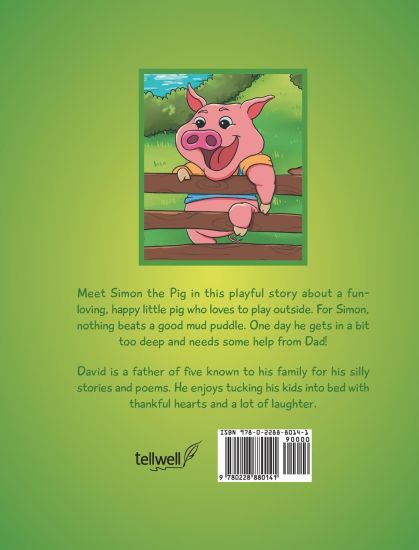
Meet Simon the Pig in this playful story about a fun-loving, happy little pig who loves to play outside. For Simon, nothing beats a good mud puddle. One day he gets in a bit too deep and needs some help from Dad
Meet Simon the Pig in this playful story about a fun-loving, happy little pig who loves to play outside. For Simon, nothing beats a good mud puddle. One day he gets in a bit too deep and needs some help from Dad
The Fourth Amendment is facing a crisis. New and emerging surveillance technologies allow government agents to track us wherever we go, to monitor our activities online and offline, and to gather massive amounts of information relating to our financial transactions, communications, and social contacts. In addition, traditional police methods like stop-and-frisk have grown out of control, subjecting hundreds of thousands of innocent citizens to routine searches and seizures. In this work, David Gray uncovers the original meaning of the Fourth Amendment to reveal how its historical guarantees of collective security against threats of 'unreasonable searches and seizures' can provide concrete solutions to the current crisis. This important work should be read by anyone concerned with the ongoing viability of one of the most important constitutional rights in an age of increasing government surveillance.
The Fourth Amendment is facing a crisis. New and emerging surveillance technologies allow government agents to track us wherever we go, to monitor our activities online and offline, and to gather massive amounts of information relating to our financial transactions, communications, and social contacts. In addition, traditional police methods like stop-and-frisk have grown out of control, subjecting hundreds of thousands of innocent citizens to routine searches and seizures. In this work, David Gray uncovers the original meaning of the Fourth Amendment to reveal how its historical guarantees of collective security against threats of 'unreasonable searches and seizures' can provide concrete solutions to the current crisis. This important work should be read by anyone concerned with the ongoing viability of one of the most important constitutional rights in an age of increasing government surveillance.