This first volume in a two-volume biography of William Dean Howells is the story of a series of intermingling lines of growth: the growth of admirable personality, the growth of a great career in letters, the growth of a penetrating mind, of a major command of literary art, of an influence of predominant importance to an age and to its legacy to the present. Because the importance of Howells' life lies in his novels, close attention is paid to his principal writings.
Hannibal Hamlin Garland (September 14, 1860 - March 4, 1940) was a Pulitzer prizewinning American novelist, poet, essayist, and short story writer, Georgist, and parapsychology skeptic/researcher. He is best known for his fiction involving hard-working Midwestern farmers.Hannibal Hamlin Garland was born on a farm near West Salem, Wisconsin, on September 14, 1860, the second of four children of Richard Garland of Maine and Charlotte Isabelle McClintock.The boy was named after Hannibal Hamlin, the candidate for vice-president under Abraham Lincoln.He lived on various Midwestern farms throughout his young life, but settled in Boston, Massachusetts, in 1884 to pursue a career in writing. He read diligently in the Boston Public Library.There he became enamored with the ideas of Henry George, and his Single Tax Movement.George's ideas came to influence a number of his works, such as Main-Travelled Roads (1891), Prairie Folks (1892), and his novel Jason Edwards (1892). Main-Travelled Roads was his first major success. It was a collection of short stories inspired by his days on the farm. He serialized a biography of Ulysses S. Grant in McClure's Magazine before publishing it as a book in 1898. The same year, Garland traveled to the Yukon to witness the Klondike Gold Rush, which inspired The Trail of the Gold Seekers (1899). He lived on a farm between Osage, and St. Ansgar, Iowa for quite some time. Many of his writings are based on this era of his life. In Illinois, Garland married Zulime Taft, the sister of sculptor Lorado Taft, and began working as a teacher and a lecturer. A prolific writer, Garland continued to publish novels, short fiction, and essays. In 1917, he published his autobiography, A Son of the Middle Border. The book's success prompted a sequel, A Daughter of the Middle Border, for which Garland won the 1922 Pulitzer Prize for Biography. After two more volumes, Garland began a second series of memoirs based on his diary. Garland naturally became quite well known during his lifetime and had many friends in literary circles. He was made a member of the American Academy of Arts and Letters in 1918.... William Dean Howells ( March 1, 1837 - May 11, 1920) was an American realist novelist, literary critic, and playwright. Nicknamed "The Dean of American Letters", he was particularly known for his tenure as editor of The Atlantic Monthly as well as his own prolific writings, including the Christmas story "Christmas Every Day", and the novels The Rise of Silas Lapham and A Traveler from Altruria.
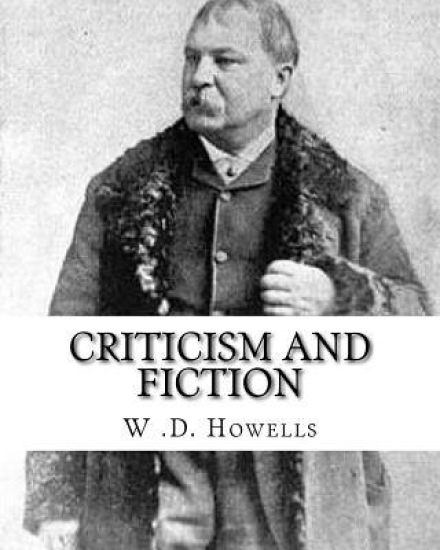
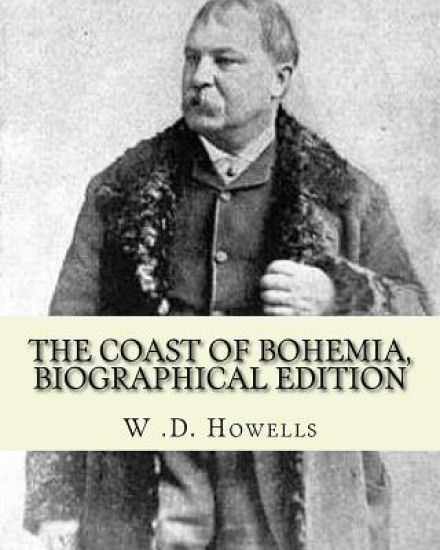
William Dean Howells ( March 1, 1837 - May 11, 1920) was an American realist novelist, literary critic, and playwright, nicknamed "The Dean of American Letters". He was particularly known for his tenure as editor of The Atlantic Monthly, as well as for his own prolific writings, including the Christmas story "Christmas Every Day" and the novels The Rise of Silas Lapham and A Traveler from Altruria. Early life and family: William Dean Howells was born on March 1, 1837 in Martinsville, Ohio (now known as Martins Ferry, Ohio) to William Cooper Howells and Mary Dean Howells, the second of eight children. His father was a newspaper editor and printer who moved frequently around Ohio. In 1840, the family settled in Hamilton, Ohio, where his father oversaw a Whig newspaper and followed Swedenborgianism.Their nine years there were the longest period that they stayed in one place. The family had to live frugally, although the young Howells was encouraged by his parents in his literary interests. He began at an early age to help his father with typesetting and printing work, a job known at the time as a printer's devil. In 1852, his father arranged to have one of his poems published in the Ohio State Journal without telling him. Early career: In 1856, Howells was elected as a clerk in the State House of Representatives. In 1858, he began to work at the Ohio State Journal where he wrote poetry and short stories, and also translated pieces from French, Spanish, and German. He avidly studied German and other languages and was greatly interested in Heinrich Heine. In 1860, he visited Boston and met with writers James Thomas Fields, James Russell Lowell, Oliver Wendell Holmes, Sr., Nathaniel Hawthorne, Henry David Thoreau, and Ralph Waldo Emerson. He became a personal friend to many of them, including Henry Adams, William James, Henry James, and Oliver Wendell Holmes, Jr. In 1860 Howells wrote Abraham Lincoln's campaign biography Life Of Abraham Lincoln and subsequently gained a consulship in Venice. He married Elinor Mead on Christmas Eve 1862 at the American embassy in Paris. She was a sister of sculptor Larkin Goldsmith Mead and architect William Rutherford Mead of the firm McKim, Mead, and White. Among their children was architect John Mead Howells. Editorship and other literary pursuits: The Howells returned to America in 1865 and settled in Cambridge, Massachusetts. He wrote for various magazines, including the Atlantic Monthly and Harper's Magazine. In January 1866, James Fields offered him a position as assistant editor at the Atlantic Monthly; he accepted after successfully negotiating for a higher salary, though he was frustrated by Fields' close supervision. Howells was made editor in 1871, after five years as assistant editor, and he remained in this position until 1881. In 1869, he met Mark Twain with whom he formed a longtime friendship. But his relationship with journalist Jonathan Baxter Harrison was more important for the development of his literary style and his advocacy of Realism. Harrison wrote a series of articles for the Atlantic Monthly during the 1870s on the lives of ordinary Americans.Howells gave a series of twelve lectures on "Italian Poets of Our Century" for the Lowell Institute during its 1870-71 season..............
The 18th century was a wealth of knowledge, exploration and rapidly growing technology and expanding record-keeping made possible by advances in the printing press. In its determination to preserve the century of revolution, Gale initiated a revolution of its own: digitization of epic proportions to preserve these invaluable works in the largest archive of its kind. Now for the first time these high-quality digital copies of original 18th century manuscripts are available in print, making them highly accessible to libraries, undergraduate students, and independent scholars.The Age of Enlightenment profoundly enriched religious and philosophical understanding and continues to influence present-day thinking. Works collected here include masterpieces by David Hume, Immanuel Kant, and Jean-Jacques Rousseau, as well as religious sermons and moral debates on the issues of the day, such as the slave trade. The Age of Reason saw conflict between Protestantism and Catholicism transformed into one between faith and logic -- a debate that continues in the twenty-first century.++++The below data was compiled from various identification fields in the bibliographic record of this title. This data is provided as an additional tool in helping to insure edition identification: ++++British LibraryT163114With a list of subscribers. Richard Dean's 'Essay on the future life of brute creatures' was first published in 1767 as 'An essay on the future life of brutes'. London?]: Printed in the year, 1769. 118, 10]p.; 8
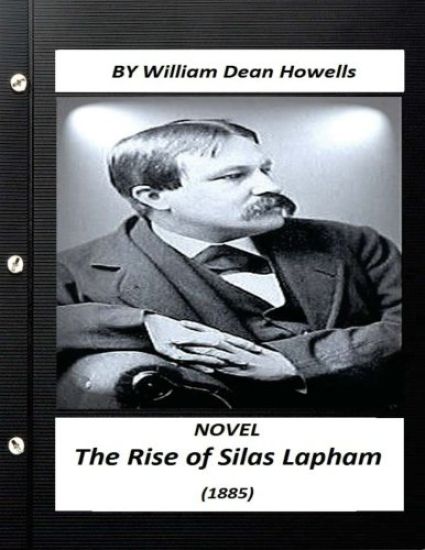
William Dean Howells ( March 1, 1837 - May 11, 1920) was an American realist novelist, literary critic, and playwright, nicknamed "The Dean of American Letters". He was particularly known for his tenure as editor of The Atlantic Monthly, as well as for his own prolific writings, including the Christmas story "Christmas Every Day" and the novels The Rise of Silas Lapham and A Traveler from Altruria. Early life and family: William Dean Howells was born on March 1, 1837 in Martinsville, Ohio (now known as Martins Ferry, Ohio) to William Cooper Howells and Mary Dean Howells, the second of eight children. His father was a newspaper editor and printer who moved frequently around Ohio. In 1840, the family settled in Hamilton, Ohio, where his father oversaw a Whig newspaper and followed Swedenborgianism.Their nine years there were the longest period that they stayed in one place. The family had to live frugally, although the young Howells was encouraged by his parents in his literary interests. He began at an early age to help his father with typesetting and printing work, a job known at the time as a printer's devil. In 1852, his father arranged to have one of his poems published in the Ohio State Journal without telling him. Early career: In 1856, Howells was elected as a clerk in the State House of Representatives. In 1858, he began to work at the Ohio State Journal where he wrote poetry and short stories, and also translated pieces from French, Spanish, and German. He avidly studied German and other languages and was greatly interested in Heinrich Heine. In 1860, he visited Boston and met with writers James Thomas Fields, James Russell Lowell, Oliver Wendell Holmes, Sr., Nathaniel Hawthorne, Henry David Thoreau, and Ralph Waldo Emerson. He became a personal friend to many of them, including Henry Adams, William James, Henry James, and Oliver Wendell Holmes, Jr. In 1860 Howells wrote Abraham Lincoln's campaign biography Life Of Abraham Lincoln and subsequently gained a consulship in Venice. He married Elinor Mead on Christmas Eve 1862 at the American embassy in Paris. She was a sister of sculptor Larkin Goldsmith Mead and architect William Rutherford Mead of the firm McKim, Mead, and White. Among their children was architect John Mead Howells. Editorship and other literary pursuits: The Howells returned to America in 1865 and settled in Cambridge, Massachusetts. He wrote for various magazines, including the Atlantic Monthly and Harper's Magazine. In January 1866, James Fields offered him a position as assistant editor at the Atlantic Monthly; he accepted after successfully negotiating for a higher salary, though he was frustrated by Fields' close supervision. Howells was made editor in 1871, after five years as assistant editor, and he remained in this position until 1881. In 1869, he met Mark Twain with whom he formed a longtime friendship. But his relationship with journalist Jonathan Baxter Harrison was more important for the development of his literary style and his advocacy of Realism. Harrison wrote a series of articles for the Atlantic Monthly during the 1870s on the lives of ordinary Americans.Howells gave a series of twelve lectures on "Italian Poets of Our Century" for the Lowell Institute during its 1870-71 season. He published his first novel Their Wedding Journey in 1872, but his literary reputation soared with the realist novel A Modern Instance (1882), which described the decay of a marriage. His 1885 novel The Rise of Silas Lapham became his best known work, describing the rise and fall of an American entrepreneur of the paint business. His social views were also strongly represented in the novels Annie Kilburn (1888), A Hazard of New Fortunes (1890), and An Imperative Duty (1891).....
After the death of Judge Kilburn his daughter came back to America. They had been eleven winters in Rome, always meaning to return, but staying on from year to year, as people do who have nothing definite to call them home. Toward the last Miss Kilburn tacitly gave up the expectation of getting her father away, though they both continued to say that they were going to take passage as soon as the weather was settled in the spring. At the date they had talked of for sailing he was lying in the Protestant cemetery, and she was trying to gather herself together, and adjust her life to his loss. This would have been easier with a younger person, for she had been her father's pet so long, and then had taken care of his helplessness with a devotion which was finally so motherly, that it was like losing at once a parent and a child when he died, and she remained with the habit of giving herself when there was no longer any one to receive the sacrifice............ William Dean Howells ( March 1, 1837 - May 11, 1920) was an American realist novelist, literary critic, and playwright, nicknamed "The Dean of American Letters". He was particularly known for his tenure as editor of The Atlantic Monthly, as well as for his own prolific writings, including the Christmas story "Christmas Every Day" and the novels The Rise of Silas Lapham and A Traveler from Altruria. Early life and family: William Dean Howells was born on March 1, 1837 in Martinsville, Ohio (now known as Martins Ferry, Ohio) to William Cooper Howells and Mary Dean Howells, the second of eight children. His father was a newspaper editor and printer who moved frequently around Ohio. In 1840, the family settled in Hamilton, Ohio, where his father oversaw a Whig newspaper and followed Swedenborgianism.Their nine years there were the longest period that they stayed in one place. The family had to live frugally, although the young Howells was encouraged by his parents in his literary interests. He began at an early age to help his father with typesetting and printing work, a job known at the time as a printer's devil. In 1852, his father arranged to have one of his poems published in the Ohio State Journal without telling him. Early career: In 1856, Howells was elected as a clerk in the State House of Representatives. In 1858, he began to work at the Ohio State Journal where he wrote poetry and short stories, and also translated pieces from French, Spanish, and German. He avidly studied German and other languages and was greatly interested in Heinrich Heine. In 1860, he visited Boston and met with writers James Thomas Fields, James Russell Lowell, Oliver Wendell Holmes, Sr., Nathaniel Hawthorne, Henry David Thoreau, and Ralph Waldo Emerson. He became a personal friend to many of them, including Henry Adams, William James, Henry James, and Oliver Wendell Holmes, Jr. In 1860 Howells wrote Abraham Lincoln's campaign biography Life Of Abraham Lincoln and subsequently gained a consulship in Venice. He married Elinor Mead on Christmas Eve 1862 at the American embassy in Paris. She was a sister of sculptor Larkin Goldsmith Mead and architect William Rutherford Mead of the firm McKim, Mead, and White. Among their children was architect John Mead Howells. Editorship and other literary pursuits: The Howells returned to America in 1865 and settled in Cambridge, Massachusetts. He wrote for various magazines, including the Atlantic Monthly and Harper's Magazine. In January 1866, James Fields offered him a position as assistant editor at the Atlantic Monthly; he accepted after successfully negotiating for a higher salary, though he was frustrated by Fields' close supervision....
From his place on the floor of the Hemenway Gymnasium Mr. Elbridge G. Mavering looked on at the Class Day gaiety with the advantage which his stature, gave him over most people there. Hundreds of these were pretty girls, in a great variety of charming costumes, such as the eclecticism of modern fashion permits, and all sorts of ingenious compro-mises between walking dress and ball dress. It struck him that the young men on whose arms they hung, in promenading around the long oval within the crowd of stationary spectators, were very much younger than students used to be, whether they wore the dress-coats of the Seniors or the cut-away of the Juniors and Sophomores; and the young girls themselves did not look so old as he remembered them in his day. There was a band playing somewhere, and the galleries were well filled with spectators seated at their ease, and intent on the party-coloured turmoil of the floor, where from time to time the younger promenaders broke away from the ranks into a waltz, and after some turns drifted back, smiling and controlling their quick breath, and resumed their promenade. The place was intensely light, in the candour of a summer day which had no reserves; and the brilliancy was not broken by the simple decorations. Ropes of wild laurel twisted up the pine posts of the aisles, and swung in festoons overhead; masses of tropical plants in pots were set along between the posts on one side of the room; and on the other were the lunch tables, where a great many people were standing about, eating chicken and salmon salads, or strawberries and ice-cream, and drinking claret-cup.................. William Dean Howells ( March 1, 1837 - May 11, 1920) was an American realist novelist, literary critic, and playwright, nicknamed "The Dean of American Letters". He was particularly known for his tenure as editor of The Atlantic Monthly, as well as for his own prolific writings, including the Christmas story "Christmas Every Day" and the novels The Rise of Silas Lapham and A Traveler from Altruria. Early life and family: William Dean Howells was born on March 1, 1837 in Martinsville, Ohio (now known as Martins Ferry, Ohio) to William Cooper Howells and Mary Dean Howells, the second of eight children. His father was a newspaper editor and printer who moved frequently around Ohio. In 1840, the family settled in Hamilton, Ohio, where his father oversaw a Whig newspaper and followed Swedenborgianism.Their nine years there were the longest period that they stayed in one place. The family had to live frugally, although the young Howells was encouraged by his parents in his literary interests. He began at an early age to help his father with typesetting and printing work, a job known at the time as a printer's devil. In 1852, his father arranged to have one of his poems published in the Ohio State Journal without telling him..........................
William Dean Howells ( March 1, 1837 - May 11, 1920) was an American realist novelist, literary critic, and playwright, nicknamed "The Dean of American Letters". He was particularly known for his tenure as editor of The Atlantic Monthly, as well as for his own prolific writings, including the Christmas story "Christmas Every Day" and the novels The Rise of Silas Lapham and A Traveler from Altruria. Early life and family: William Dean Howells was born on March 1, 1837 in Martinsville, Ohio (now known as Martins Ferry, Ohio) to William Cooper Howells and Mary Dean Howells, the second of eight children. His father was a newspaper editor and printer who moved frequently around Ohio. In 1840, the family settled in Hamilton, Ohio, where his father oversaw a Whig newspaper and followed Swedenborgianism.Their nine years there were the longest period that they stayed in one place. The family had to live frugally, although the young Howells was encouraged by his parents in his literary interests. He began at an early age to help his father with typesetting and printing work, a job known at the time as a printer's devil. In 1852, his father arranged to have one of his poems published in the Ohio State Journal without telling him. Early career: In 1856, Howells was elected as a clerk in the State House of Representatives. In 1858, he began to work at the Ohio State Journal where he wrote poetry and short stories, and also translated pieces from French, Spanish, and German. He avidly studied German and other languages and was greatly interested in Heinrich Heine. In 1860, he visited Boston and met with writers James Thomas Fields, James Russell Lowell, Oliver Wendell Holmes, Sr., Nathaniel Hawthorne, Henry David Thoreau, and Ralph Waldo Emerson. He became a personal friend to many of them, including Henry Adams, William James, Henry James, and Oliver Wendell Holmes, Jr. In 1860 Howells wrote Abraham Lincoln's campaign biography Life Of Abraham Lincoln and subsequently gained a consulship in Venice. He married Elinor Mead on Christmas Eve 1862 at the American embassy in Paris. She was a sister of sculptor Larkin Goldsmith Mead and architect William Rutherford Mead of the firm McKim, Mead, and White. Among their children was architect John Mead Howells. Editorship and other literary pursuits: The Howells returned to America in 1865 and settled in Cambridge, Massachusetts. He wrote for various magazines, including the Atlantic Monthly and Harper's Magazine. In January 1866, James Fields offered him a position as assistant editor at the Atlantic Monthly; he accepted after successfully negotiating for a higher salary, though he was frustrated by Fields' close supervision...........
William Dean Howells ( March 1, 1837 - May 11, 1920) was an American realist novelist, literary critic, and playwright, nicknamed "The Dean of American Letters". He was particularly known for his tenure as editor of The Atlantic Monthly, as well as for his own prolific writings, including the Christmas story "Christmas Every Day" and the novels The Rise of Silas Lapham and A Traveler from Altruria. Early life and family: William Dean Howells was born on March 1, 1837 in Martinsville, Ohio (now known as Martins Ferry, Ohio) to William Cooper Howells and Mary Dean Howells, the second of eight children. His father was a newspaper editor and printer who moved frequently around Ohio. In 1840, the family settled in Hamilton, Ohio, where his father oversaw a Whig newspaper and followed Swedenborgianism.Their nine years there were the longest period that they stayed in one place. The family had to live frugally, although the young Howells was encouraged by his parents in his literary interests. He began at an early age to help his father with typesetting and printing work, a job known at the time as a printer's devil. In 1852, his father arranged to have one of his poems published in the Ohio State Journal without telling him. Early career: In 1856, Howells was elected as a clerk in the State House of Representatives. In 1858, he began to work at the Ohio State Journal where he wrote poetry and short stories, and also translated pieces from French, Spanish, and German. He avidly studied German and other languages and was greatly interested in Heinrich Heine. In 1860, he visited Boston and met with writers James Thomas Fields, James Russell Lowell, Oliver Wendell Holmes, Sr., Nathaniel Hawthorne, Henry David Thoreau, and Ralph Waldo Emerson. He became a personal friend to many of them, including Henry Adams, William James, Henry James, and Oliver Wendell Holmes, Jr. In 1860 Howells wrote Abraham Lincoln's campaign biography Life Of Abraham Lincoln and subsequently gained a consulship in Venice. He married Elinor Mead on Christmas Eve 1862 at the American embassy in Paris. She was a sister of sculptor Larkin Goldsmith Mead and architect William Rutherford Mead of the firm McKim, Mead, and White. Among their children was architect John Mead Howells. Editorship and other literary pursuits: The Howells returned to America in 1865 and settled in Cambridge, Massachusetts. He wrote for various magazines, including the Atlantic Monthly and Harper's Magazine. In January 1866, James Fields offered him a position as assistant editor at the Atlantic Monthly; he accepted after successfully negotiating for a higher salary, though he was frustrated by Fields' close supervision. Howells was made editor in 1871, after five years as assistant editor, and he remained in this position until 1881. In 1869, he met Mark Twain with whom he formed a longtime friendship. But his relationship with journalist Jonathan Baxter Harrison was more important for the development of his literary style and his advocacy of Realism. Harrison wrote a series of articles for the Atlantic Monthly during the 1870s on the lives of ordinary Americans.Howells gave a series of twelve lectures on "Italian Poets of Our Century" for the Lowell Institute during its 1870-71 season. He published his first novel Their Wedding Journey in 1872, but his literary reputation soared with the realist novel A Modern Instance (1882), which described the decay of a marriage. His 1885 novel The Rise of Silas Lapham became his best known work, describing the rise and fall of an American entrepreneur of the paint business. His social views were also strongly represented in the novels Annie Kilburn (1888), A Hazard of New Fortunes (1890), and An Imperative Duty (1891).............
The Sleeping Car is a farce play in three parts by William Dean Howells, first published in the United States in 1883. This play takes place entirely within a 24-hour period on a railway sleeping car, and revolves around a woman's late night confusion regarding the premature appearance of her husband and brother. This work is one of Howells' minor works, but reflects the same tendencies towards literary realism as many of Howells' more famous works, including The Rise of Silas Lapham and A Modern Instance. This play is not well-read amongst modern readers, and is often overlooked in literary discussion due to its relative contemporary obscurity Currently, this work is not being published by any publishing houses, but is available free through Project Gutenberg or other websites. *Plot* This story begins with Mrs. Roberts, her baby son, and her Aunt Mary headed Westbound on the Boston and Albany Railroad. They are on their way to meet Mrs. Roberts' husband and brother in Boston. Mrs. Roberts has not seen her brother in twelve years, and is nervous about how he will react to seeing her. In the time since they last saw each other, she has married and birthed a child, and has heard little from her brother except for infrequent telegraphs. The porter informs Mrs. Roberts and her aunt that the berths are now ready for them to sleep in, but the conversation continues. Mrs. Roberts worries that her husband Edward will not receive Willis well, or vice versa, because Willis is a Californian and Edward has never encountered one before. Mrs. Roberts laments that her life would be a wreck if her husband and brother do not get along nicely, and states "I do hope they're sitting down to a hot supper." A voice from an adjacent berth interjects and sarcastically tells Mrs. Roberts to be quiet. She acquiesces for a moment, but then reverts to conversation, stating how they must go to bed. Aunt Mary insists that Mrs. Roberts and the child take the bottom bunk, because she is afraid that the child will roll off of the top bunk and injure himself. She calls the porter over to help her into the upper berth, and after successfully entering the berth, exchanges "good-night" with Mrs. Roberts. After a few minutes, Mrs. Roberts rekindles the conversation, and expresses her concern regarding the safety of the train on which they're riding. Her aunt reassures her that the road is safe, and that the train has implemented safety measures to prevent accidents. Mrs. Roberts then goes on to discuss where her Aunt left the drinking glass in their luggage, until she is interrupted by a man from the next berth. This man politely requests silence from Mrs. Roberts, citing that he has come straight through from San Francisco and would very much like some rest. Mrs. Roberts responds apologetically, but starts conversing with this man, inquiring about California, her brother Willis, and if he has ever met his acquaintance. Midway through their conversation, a man in the upper berth sarcastically interjects and asks for quiet. The Californian takes offense to the man's tone towards Mrs. Roberts, and the two get into a verbal argument over it. Eventually, the Californian gets the man in the upper berth to back down ("You beg that lady's pardon, or I'll have you out of there before you know yourself "). Part I ends with the Californian and Mrs. Roberts finally going to bed, with only the sounds of Aunt Mary's snoring audible.... William Dean Howells (March 1, 1837 - May 11, 1920) was an American realist novelist, literary critic, and playwright. Nicknamed "The Dean of American Letters", he was particularly known for his tenure as editor of The Atlantic Monthly as well as his own prolific writings, including the Christmas story "Christmas Every Day", and the novels The Rise of Silas Lapham and A Traveler from Altruria.
William Dean Howells ( March 1, 1837 - May 11, 1920) was an American realist novelist, literary critic, and playwright, nicknamed "The Dean of American Letters". He was particularly known for his tenure as editor of The Atlantic Monthly, as well as for his own prolific writings, including the Christmas story "Christmas Every Day" and the novels The Rise of Silas Lapham and A Traveler from Altruria. Early life and family: William Dean Howells was born on March 1, 1837 in Martinsville, Ohio (now known as Martins Ferry, Ohio) to William Cooper Howells and Mary Dean Howells, the second of eight children. His father was a newspaper editor and printer who moved frequently around Ohio. In 1840, the family settled in Hamilton, Ohio, where his father oversaw a Whig newspaper and followed Swedenborgianism.Their nine years there were the longest period that they stayed in one place. The family had to live frugally, although the young Howells was encouraged by his parents in his literary interests. He began at an early age to help his father with typesetting and printing work, a job known at the time as a printer's devil. In 1852, his father arranged to have one of his poems published in the Ohio State Journal without telling him. Early career: In 1856, Howells was elected as a clerk in the State House of Representatives. In 1858, he began to work at the Ohio State Journal where he wrote poetry and short stories, and also translated pieces from French, Spanish, and German. He avidly studied German and other languages and was greatly interested in Heinrich Heine. In 1860, he visited Boston and met with writers James Thomas Fields, James Russell Lowell, Oliver Wendell Holmes, Sr., Nathaniel Hawthorne, Henry David Thoreau, and Ralph Waldo Emerson. He became a personal friend to many of them, including Henry Adams, William James, Henry James, and Oliver Wendell Holmes, Jr. In 1860 Howells wrote Abraham Lincoln's campaign biography Life Of Abraham Lincoln and subsequently gained a consulship in Venice. He married Elinor Mead on Christmas Eve 1862 at the American embassy in Paris. She was a sister of sculptor Larkin Goldsmith Mead and architect William Rutherford Mead of the firm McKim, Mead, and White. Among their children was architect John Mead Howells. Editorship and other literary pursuits: The Howells returned to America in 1865 and settled in Cambridge, Massachusetts. He wrote for various magazines, including the Atlantic Monthly and Harper's Magazine. In January 1866, James Fields offered him a position as assistant editor at the Atlantic Monthly; he accepted after successfully negotiating for a higher salary, though he was frustrated by Fields' close supervision. Howells was made editor in 1871, after five years as assistant editor, and he remained in this position until 1881. In 1869, he met Mark Twain with whom he formed a longtime friendship. But his relationship with journalist Jonathan Baxter Harrison was more important for the development of his literary style and his advocacy of Realism. Harrison wrote a series of articles for the Atlantic Monthly during the 1870s on the lives of ordinary Americans.Howells gave a series of twelve lectures on "Italian Poets of Our Century" for the Lowell Institute during its 1870-71 season. He published his first novel Their Wedding Journey in 1872, but his literary reputation soared with the realist novel A Modern Instance (1882), which described the decay of a marriage. His 1885 novel The Rise of Silas Lapham became his best known work, describing the rise and fall of an American entrepreneur of the paint business. His social views were also strongly represented in the novels Annie Kilburn (1888), A Hazard of New Fortunes (1890), and An Imperative Duty (1891).....