Kirjahaku
Etsi kirjoja tekijän nimen, kirjan nimen tai ISBN:n perusteella.
1000 tulosta hakusanalla Deborah Cameron
This lively and accessible textbook looks at how we talk about sex and why we talk about it the way we do. Drawing on a wide range of examples, from personal ads to phone sex, from sado-masochistic scenes to sexual assault trials, the book provides a clear introduction to the relationship between language and sexuality. Using a broad definition of ‘sexuality’, the book encompasses not only issues surrounding sexual orientation and identity but also questions about the discursive construction of sexuality and the verbal expression of erotic desire. Cameron and Kulick contextualize their findings within current research in linguistics, anthropology and psychology, and bring together relevant theoretical debates on sexuality, gender, identity, desire, meaning and power. Topical and entertaining, this much-needed textbook will be welcomed by students and researchers in sociolinguistics, linguistic anthropology and gender/sexuality studies, as well as anyone interested in the relationship between language and sex.
Gender, Power and Political Speech explores the influence of gender on political speech by analyzing the performances of three female party leaders who took part in televised debates during the 2015 UK General Election campaign. The analysis considers similarities and differences between the women and their male colleagues, as well as between the women themselves; it also discusses the way gender - and its relationship to language - was taken up as an issue in media coverage of the campaign.
Researching Language
Deborah Cameron; Elizabeth Frazer; Penelope Harvey; M. B. H. Rampton; Kay Richardson
Routledge
2018
sidottu
Originally published in 1992. This book discusses the possibilities of developing the research process in social science so that it benefits the subjects as well as the researcher. The authors distinguish between ‘ethical’, ‘advocate’ and ‘empowering’ approaches to the relationship between researcher and researched, linking these to different ideas about the nature of knowledge, action, language, and social relations. They then use a series of empirical case studies to explore the possibilities for ‘empowering research’. The book is the product of dialogue between researchers from a range of disciplines (anthropology, cultural studies, sociology and linguistics) and is for those working across the social sciences. Through combination of philosophical discussion, methodological recommendation and case-study illustration, it provides guidance that is practical without being simplistic.
Researching Language
Deborah Cameron; Elizabeth Frazer; Penelope Harvey; M. B. H. Rampton; Kay Richardson
Routledge
2020
nidottu
Originally published in 1992. This book discusses the possibilities of developing the research process in social science so that it benefits the subjects as well as the researcher. The authors distinguish between ‘ethical’, ‘advocate’ and ‘empowering’ approaches to the relationship between researcher and researched, linking these to different ideas about the nature of knowledge, action, language, and social relations. They then use a series of empirical case studies to explore the possibilities for ‘empowering research’. The book is the product of dialogue between researchers from a range of disciplines (anthropology, cultural studies, sociology and linguistics) and is for those working across the social sciences. Through combination of philosophical discussion, methodological recommendation and case-study illustration, it provides guidance that is practical without being simplistic.
An outstanding introduction to discourse analysis of written language in an age that is more and more characterized by multilingual, digital, and generically hybrid texts. In an accessible style, Working with Written Discourse illustrates how these texts can be analyzed employing a wide variety of approaches that are critical, multidisciplinary, and productive. - Professor Jaffer Sheyholislami, Carleton University "Comprehensive and up-to-the-minute in its discussion of areas like multimodality and the new media, without overlooking ‘older’ media and more conventional writing. I will recommend it highly to students at all levels." - Dr Mark Sebba, Lancaster University Addressing the practicalities of research, and embracing the complexity and variety of written forms of language, this book: grounds readers in a broad range of concepts, debates and relevant methodsfocuses on both theoretical questions and the ‘how to’ of analysisis loaded with practical activities and advice on the design and execution of researchhighlights computer-mediated communication and new media discourse, from text messages and tweets to mobile phone novels and online encyclopedias draws on data from international and multilingual communities. The perfect companion to Deborah Cameron's best-selling Working with Spoken Discourse, this book equips readers with practical and conceptual tools to ask questions about written discourse, and to analyse the huge variety of texts that make up our linguistic landscape. It is the essential guide for students of discourse analysis in linguistics, media and communication studies, and for social researchers across the social sciences.
This collection of essays presents a picture of research on women and language in Britain. The contributors cover a range of British speech communities, linguistic events and settings using approaches from sociolinguistics and discourse analysis.
Cameron Manor: The Meeting and the Magic
Deborah Robillard
Createspace Independent Publishing Platform
2014
nidottu
Talking About God in Practice
Helen Cameron; Deborah Bhatti; Catherine Duce; James Sweeney; Clare Watkins
SCM Press
2010
nidottu
Talking about God in Practice details the challenges and complexities of real theological conversations with practitioners, whilst providing an example of appropriate process, and a model of theological understanding by which to negotiate these complexities fruitfully. Drawing on, and adapting, action research methods, this process enables researchers with practitioners to access ‘implicit’ theologies, embedded within practices. The disclosure of the theology borne by practice enables a fresh and often exciting insight for all concerned, which leads to renewal of both practice and theology. The “Theological Action Research” process offers effective and mutually constructive ways of engaging practitioners and ‘academics’ in authentic research partnerships, contributing to the proper rootedness of theological scholarship, and to capacity building among practitioners for further, self-led research, reflection, and theologizing.
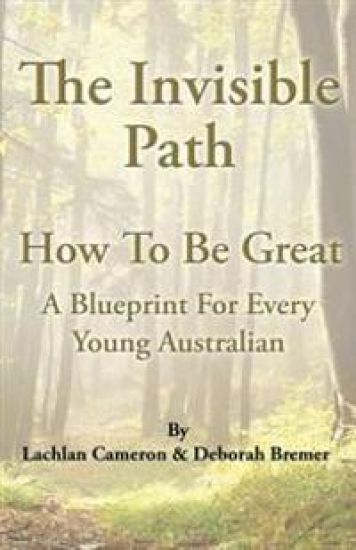
The Invisible Path: - How To Be Great - A guide for every young Australian
Deborah Bremer; Lachlan Cameron
Createspace Independent Publishing Platform
2013
nidottu
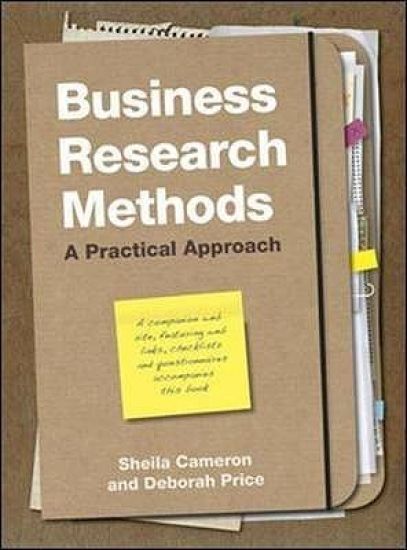
Business Research Methods : A Practical Approach
Sheila Cameron; Deborah Price
Chartered Institute of Personnel Development
2009
nidottu
Despite the existence of very strong research methods textbooks, students still struggle with undertaking a research project. The quality of their research is often poor, research questions are badly thought out and their final work can be poorly written. Cameron and Price believe that this is because students struggle to relate the content in research methods textbooks to their own situations. Texts are written from an academic perspective which can be difficult to relate to a practical research project. Business Research Methods takes a real-world, practical approach, making the research process more relevant, meaningful and effective for students.
Violet the Band: : How Three Everyday Women Rocked Everything
Deborah Grace; Kristin Rizzieri; Rain Cameron
Goldi Press
2013
nidottu