Kirjojen hintavertailu. Mukana 12 363 183 kirjaa ja 12 kauppaa.

Kirjahaku

Etsi kirjoja tekijän nimen, kirjan nimen tai ISBN:n perusteella.

36 tulosta hakusanalla Dilmans-A

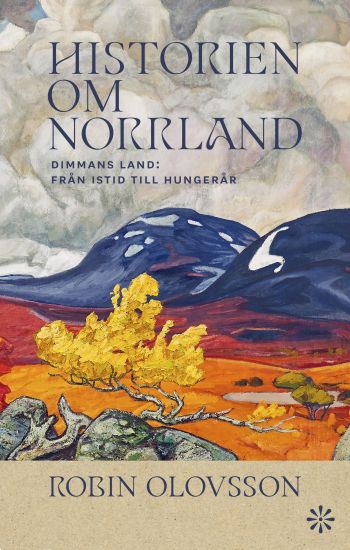
Historien om Norrland. Del 1, Dimmans land
"Ett pionjärverk som ger en samlad helhetsbild av den norrländska historien." - Bibliotekstjänst, som ger boken 5 av 5 i betyg."Lättläst och fängslande gestaltar och reflekterar han, och sätter in i sammanhang" - Susanne Holmlund, Sundsvalls Tidning"Olovsson lyfter spännande och mindre kända aspekter av Norrlands historia." - Lovisa Broström, Göteborgs-PostenHistorien om Norrland är ett storverk i två delar av historieläraren och Historiepoddens Robin Olovsson, själv uppväxt i Arvidsjaur och Umeå. I dessa böcker berättar han medryckande, pedagogiskt och personligt - samtidigt som han bidrar med en ny berättelse om Sverige. "Områden som Jämtland eller Tornedalen är lika mycket sina egna centrum som någon annans periferi." I Dimmans land får vi möta personer som är okända för de flesta men alla viktiga för den stora berättelsen om Norrland. Från de allra första människorna som befolkade Norrland till färgstarka karaktärer som trumslagarpojken Hendrich Walter, Magnus Vildhussen Huss och sameflickan Milla Maria Andersson-Clementsdotter. Vi möter också den svenska historiens portalfigurer som Gustav Vasa och Carl von Linné - men sedda från ett nytt, norrländskt perspektiv. Det är ett stort arbete som ligger till grund: "Den norrländska historien är en given del av den svenska, men arbetet med att sammanfoga dem stöter vi på flera fula skarvar som måste sandpappras för att skapa en sammanhängande helhet." Robin Olovsson (född 1985) är specialiserad på norrländsk historia och genom Historiepodden har han blivit en av landets mest folkkära folkbildare. Historien om Norrland är Robin Olovssons debutverk. Dimmans land : från istid till hungerår, är den första av två delar. Den andra delen, Framtidens land, utkommer i september 2025.
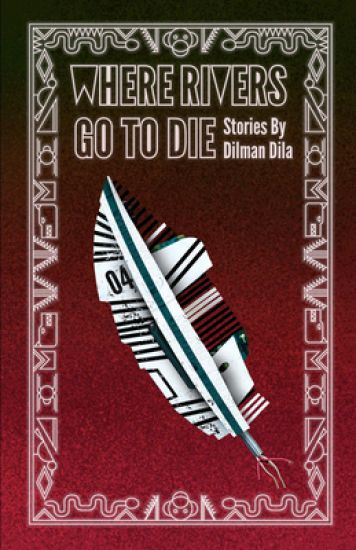
Where Rivers Go to Die

Where Rivers Go to Die

Dilman Dila

Bookbaby
2023
pokkari
The stunning, new collection from the Ugandan master of Africanfuturism.A young teen, haunted by the ghost of his father, takes it upon himself to save his brother and his people from a warlord's marauding army. A frustrated detective is driven to the brink, confronting the vengeful spirit killing grooms on their wedding night. What happens when British colonials find Martians in Africa, a brash warrior battles his elders and ancient horrors in order to secure paradise for his people, or an exiled abiba is stolen away to find his true destiny? Emerging Africanfuturist writer/director, Dilman Dila, brings us Where Rivers Go to Die, a startling collection of eight wonderful tales full of imagination, wonder, sorrow, power, and hope that weave Uganda's wonderful myth and reality with its past, present, and possible future as only he can.
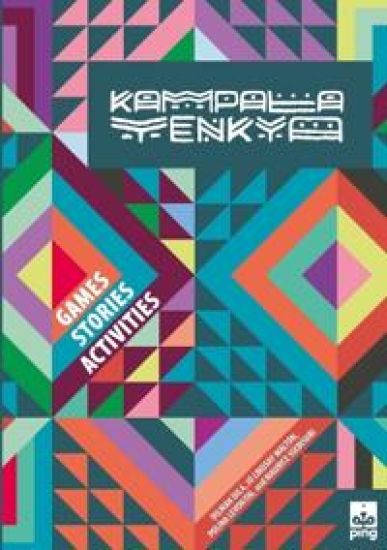
Kampala Yénkya

Kampala Yénkya

Dilman Dila; Jo Lindsay Walton; Polina Levontin

Ping Press
2022
pokkari
Kampala Yénkya is a game of mapmaking and worldbuilding. About collaborating to create the future of a city - Kampala, Uganda. But it's more than just a game. It's a powerful tool.
Existentialist Critiques of Cartesianism

Existentialist Critiques of Cartesianism

Ilham Dilman

Barnes Noble Books-Imports, Div of Rowman Littlefield Pubs., Inc
1993
sidottu
This book is a discussion of Heidegger's, Sartre's and Marcel's rejection of Cartesian epistemology, the scepticism to which it leads and its objectivist conception of human existence. It compares this rejection with Wittgenstein's rejection of these conceptions of man, his relation to the knowledge of what belongs to the world in which he lives. It concentrates on the existentialist critiques of consciousness as a substance and of the self as such a substance, of each person's body as something external to which he is causally related, and of others as at best indirectly accessible to us. It discusses Sartre's positive views on these questions and the way he falls into a form of solipsism himself. It then considers Sartre's rejection of determinism and his conception of freedom as our capacity for choice. In a concluding chapter the book sketches a non-objectivist account of the self, its development, its 'bad faith', its capacity to emerge from it, and its knowledge of itself, free from the objections considered earlier. It then considers some new objections directed at its own account. Contents: Man in the World; Man's Way of Being: Existential Dualism; The Personal Dimension: Emotions and Value Judgements; Sartre and our Identity as Individuals; Mind and Body: Rejection of Cartesian Dualism; Sartre on the Self and the Other: Rejection of Cartesian Solipsism; Human Separateness and the Possibility of Communion: Marcel's Rejection of Sartrean Solipsism; Sartre: Freedom as Something to which Man is Condemned; Self, Self-Knowledge and Self-Change: A Non-Objectivist View and its Defense.
Free Will

Free Will

Ilham Dilman

Routledge
1999
sidottu
What is the place of human free will in our lives if all our actions are the result of some other cause? Does our processing unconscious beliefs or desires make us less free? Is our free will necessarily restricted if we do not choose our own beliefs? The debate between free will and its opposing doctrine, determinism, is one of the key issues in philosophy. Free Will: An historical and philosophical introduction provides a comprehensive introduction to this highly important question and examines the contributions made by sixteen of the most outstanding thinkers from the time of early Greece to the twentieth century:*Homer *Sophocles *Platto *Aristotle *St Augustine *St Thomas Aquinas *Descaartes *Spinoza *Hume *Kant *Schopehauer *Freud *Sartre *Weil *Wittgenstein *Moore Ilham Dilman brings together all the dimensions of the problem of free will with examples from literature, ethics and psychoanalysis. Drawing out valuable insights from both sides of the free will-determinism divide, and he provides an accessible and highly readable introduction to this perennial problem.
Free Will

Free Will

Ilham Dilman

Routledge
1999
nidottu
What is the place of human free will in our lives if all our actions are the result of some other cause? Does our processing unconscious beliefs or desires make us less free? Is our free will necessarily restricted if we do not choose our own beliefs? The debate between free will and its opposing doctrine, determinism, is one of the key issues in philosophy. Free Will: An historical and philosophical introduction provides a comprehensive introduction to this highly important question and examines the contributions made by sixteen of the most outstanding thinkers from the time of early Greece to the twentieth century:*Homer *Sophocles *Platto *Aristotle *St Augustine *St Thomas Aquinas *Descaartes *Spinoza *Hume *Kant *Schopehauer *Freud *Sartre *Weil *Wittgenstein *Moore Ilham Dilman brings together all the dimensions of the problem of free will with examples from literature, ethics and psychoanalysis. Drawing out valuable insights from both sides of the free will-determinism divide, and he provides an accessible and highly readable introduction to this perennial problem.
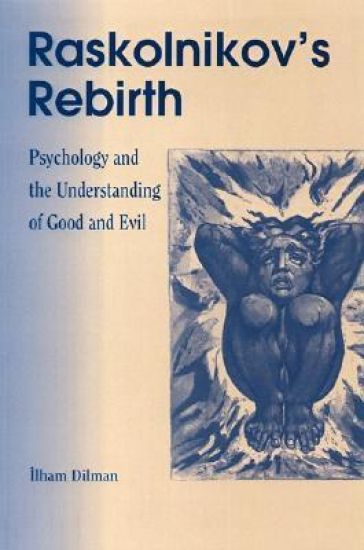
Raskolnikov's Rebirth

Raskolnikov's Rebirth

Ilham Dilman

Open Court Publishing Co ,U.S.
2000
pokkari
Author Ilham Dilman explains why a "thoughtful psychology," encompassing the varied modes of being experienced by humans, is the best tool for investigating the nature of good and evil. To illustrate, he employs Raskolnikov, Dostoyevsky's axe-murdering protagonist in Crime and Punishment, following his alienation from goodness, his return to it, and finally, his ethical rebirth.
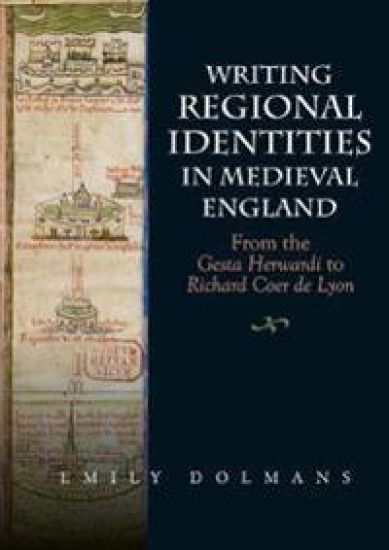
Writing Regional Identities in Medieval England
An examination of how regional identities are reflected in texts from medieval England. The period after the Norman Conquest saw a dramatic reassessment of what it meant to be English, owing to both the advent of Anglo-Norman rule and increased interaction with other cultures through trade, travel, migration, and war. While cultural contact is often thought to consolidate national identity, this book proposes that these encounters prompted the formation of intercultural regional identities. Because of these different cultural influences, the meaning of English identity varied from region to region, and became rooted in the land, its history, and its stories. Using romances and histories from England's multilingual literary milieu, including the Gesta Herewardi, Fouke le Fitz Waryn, and Richard Coer de Lyon, this study examines some of England's contact zones and how they influence understandings of English identities during the twelfth to fourteenth centuries. Moving from local identity in Ely, to the transcultural regions of Lincolnshire and the Welsh Marches, and finally investigating England as a border region from a global perspective, this book examines the diversity of Englishness, the effects of cultural contact on identity, and how English writers imagined their place in the world.
SOA Made Simple

SOA Made Simple

Lonneke Dikmans; Ronald van Luttikhuizen

Packt Publishing Limited
2012
nidottu
“SOA Made Simple” is a concise and indispensable handbook for finally understanding exactly what Service Oriented Architecture is. Split into three clear sections, in this book you'll learn from both theory as well as step-by-step implementation examples to aid in your understanding of this often poorly- articulated industry term. If you are an architect who wants to be completely clear in your understanding of what SOA is, then this book is essential. In fact, anyone (designer, developer, administrator or team lead) who is implementing or about to implement an architecture in an IT environment should not miss out on “SOA Made Simple”. Some previous experience with general software architecture is required, but this guide will tell you everything you need to know about SOA in a clear and easy fashion.
Love

Love

I. Dilman

Palgrave Macmillan
1999
sidottu
The book is concerned with questions about love: questions about its many forms, strands and aspects, and the relation in which they stand to each other. It is concerned with the way different aspects of sexual love conflict with each other, with the way self-regard and self-interest can corrupt love, and with spiritual love and its difficulties. It seeks the views of some writers who have suggested some distinctive solutions to the existential problems that love poses in the face of its obstacles: Plato, Proust, Sartre, Freud, D.H. Lawrence, Erich Fromm, C.S. Lewis, Kierkegaard, Simone Weil and Kahlil Gibran.
Love

Love

I. Dilman

Palgrave Macmillan
1998
sidottu
The book is concerned with questions about love: questions about its many forms, strands and aspects, and the relation in which they stand to each other. It is concerned with the way different aspects of sexual love conflict with each other, with the way self-regard and self-interest can corrupt love, and with spiritual love and its difficulties. It seeks the views of some writers who have suggested some distinctive solutions to the existential problems that love poses in the face of its obstacles: Plato, Proust, Sartre, Freud, D.H. Lawrence, Erich Fromm, C.S. Lewis, Kierkegaard, Simone Weil and Kahlil Gibran.
Wittgenstein's Copernican Revolution

Wittgenstein's Copernican Revolution

I. Dilman

Palgrave Macmillan
2001
sidottu
Wittgenstein's Copernican Revolution is concerned with how one is to conceive of the relation between language and reality without embracing Linguistic Realism and without courting any form of Linguistic Idealism either. It argues that this is precisely what Wittgenstein does and also examines some well known contemporary philosophers who have been concerned with this same question.
Love

Love

I. Dilman

Palgrave Macmillan
1998
nidottu
The book is concerned with questions about love: questions about its many forms, strands and aspects, and the relation in which they stand to each other. It is concerned with the way different aspects of sexual love conflict with each other, with the way self-regard and self-interest can corrupt love, and with spiritual love and its difficulties. It seeks the views of some writers who have suggested some distinctive solutions to the existential problems that love poses in the face of its obstacles: Plato, Proust, Sartre, Freud, D.H. Lawrence, Erich Fromm, C.S. Lewis, Kierkegaard, Simone Weil and Kahlil Gibran.