Domenico Belli, who died in 1627 in Florence, published in 1616 two works in the new monodic style, an operatic scene (Orfeo dolente) and this collection of songs and duets. His tyle is fairly radical and difficult both in execution and harmony.
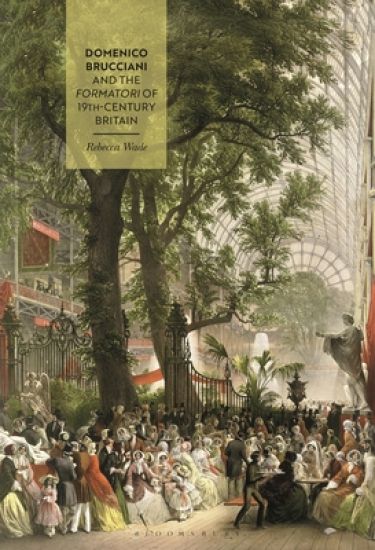
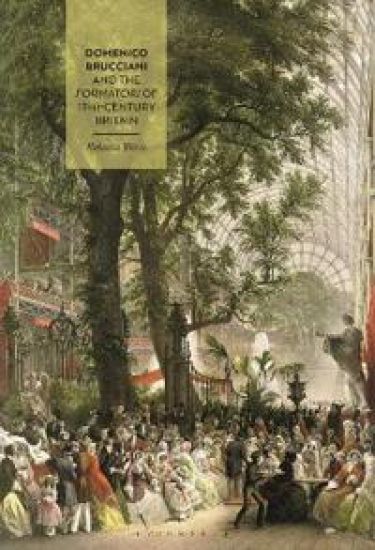
Born near the Tuscan province of Lucca in 1815, Domenico Brucciani became the most important and prolific maker of plaster casts in nineteenth-century Britain. This first substantive study shows how he and his business used public exhibitions, emerging museum culture and the nationalisation of art education to monopolise the market for reproductions of classical and contemporary sculpture. Based in Covent Garden in London, Brucciani built a network of fellow Italian émigré formatori and collaborated with other makers of facsimiles—including Elkington the electrotype manufacturers, Copeland the makers of Parian ware and Benjamin Cheverton with his sculpture reducing machine—to bring sculpture into the spaces of learning and leisure for as broad a public as possible.Brucciani’s plaster casts survive in collections from North America to New Zealand, but the extraordinary breadth of his practice—making death masks of the famous and infamous, producing pioneering casts of anatomical, botanical and fossil specimens and decorating dance halls and theatres across Britain—is revealed here for the first time. By making unprecedented use of the nineteenth-century periodical press and dispersed archival sources, Domenico Brucciani and the Formatori of Nineteenth-Century Britain establishes the significance of Brucciani’s sculptural practice to the visual and material cultures of Victorian Britain and beyond.
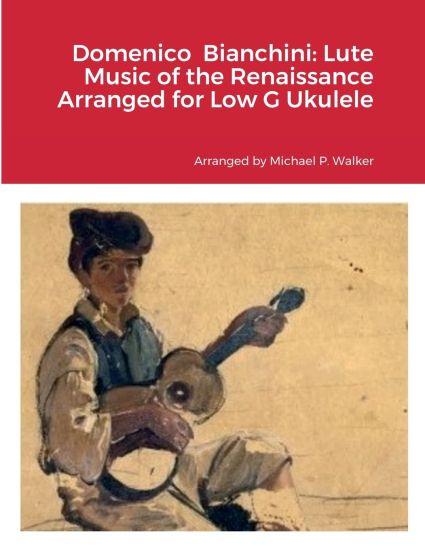
Who would have thought you could play classical music on a ukulele? But you can Here are 27 Renaissance Lute pieces by Domenico Bianchini from the 16th Century transcribed for tablature and modern notation. These pieces have been transcribed for low G ukulele and are recommended for Intermediate to Advanced Performers. Have fun
Born near the Tuscan province of Lucca in 1815, Domenico Brucciani became the most important and prolific maker of plaster casts in nineteenth-century Britain. This first substantive study shows how he and his business used public exhibitions, emerging museum culture and the nationalisation of art education to monopolise the market for reproductions of classical and contemporary sculpture. Based in Covent Garden in London, Brucciani built a network of fellow Italian émigré formatori and collaborated with other makers of facsimiles—including Elkington the electrotype manufacturers, Copeland the makers of Parian ware and Benjamin Cheverton with his sculpture reducing machine—to bring sculpture into the spaces of learning and leisure for as broad a public as possible.Brucciani’s plaster casts survive in collections from North America to New Zealand, but the extraordinary breadth of his practice—making death masks of the famous and infamous, producing pioneering casts of anatomical, botanical and fossil specimens and decorating dance halls and theatres across Britain—is revealed here for the first time. By making unprecedented use of the nineteenth-century periodical press and dispersed archival sources, Domenico Brucciani and the Formatori of Nineteenth-Century Britain establishes the significance of Brucciani’s sculptural practice to the visual and material cultures of Victorian Britain and beyond.
Nato dai risultati ottenuti in seguito a delle ricerche sulla tradizione a stampa e manoscritta dei componimenti di Domenico Tempio (1750-1821), il volume presenta le Favole del poeta catanese in edizione critica. In esso si trovano i componimenti e i documenti inediti rinvenuti a seguito dello studio sulle carte tempiane. Il volume altres dotato del regesto dei manoscritti, del formario delle Favole e di altri strumenti utili alla ricerca su Tempio e sulla letteratura siciliana dei secoli XVIII-XIX. SOMMARIO: Prefazione di Filippo Arriva, Avvertenza, Introduzione, Nota al testo, Abbreviazioni bibliografiche, Cenni biografici, Cronologia della vita, delle opere e dei fatti storici, Bibliografia degli studi, Le Favole, L'edizione filologica delle Favuli, Fenomeni linguistici delle Favuli, Apparato delle varianti, Formario delle Favuli, I componimenti inediti, I documenti inediti, I manoscritti di Domenico Tempio, Le edizioni delle opere di Domenico Tempio.
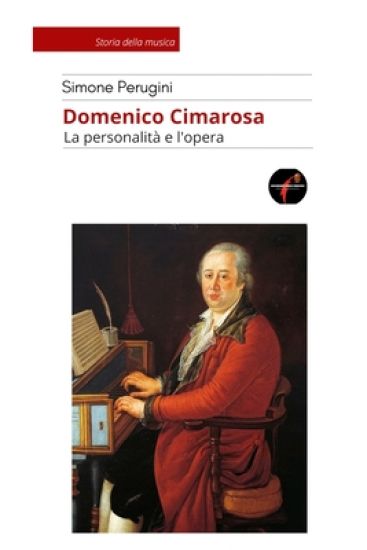
Il presente testo intende mettere a fuoco, attraverso un raccolta di saggi, la singolare posizione storica e creativa di Domenico Cimarosa, uno tra i pi celebri operisti della cosiddetta Scuola Napoletana, partendo dalla disamina del contesto storico-culturale in cui il musicista aversano oper in circa trent'anni di attivit .
A contemporary of Handel and Bach, Scarlatti is best remembered now for his 555 keyboard sonatas. Distinctive and playful, the sonatas are testament to Scarlatti’s great skill and show the influence of his time spent as a composer in Spain, Italy and Portugal. Featuring over twenty pieces by the Baroque composer, Domenico Scarlatti: Sheet Music for Piano gathers some of his best works and are suitable for a range of abilities. With difficulty levels indicated and fingerings clearly marked, these books are designed for easy reading and are the ideal resource of any piano or keyboard player.
Domenico Ghirlandaio (1448–1494) was a master of Renaissance art, celebrated for his vivid frescoes and detailed portraits. Admired by Lorenzo de’ Medici and teacher to Michelangelo, his work reflects the vibrant artistic culture of fifteenth-century Florence.This book examines Ghirlandaio’s career in the context of the craft traditions, guilds and workshops that shaped his art. It also analyses his famous works, such as the Santa Maria Novella frescoes and the portrait of Giovanna Tornabuoni, revealing the creative and technical processes behind them. By uncovering the social and cultural influences on Ghirlandaio’s art – including family ties and religious affiliations – the book offers a rich portrait of an artist whose work continues to inspire today.
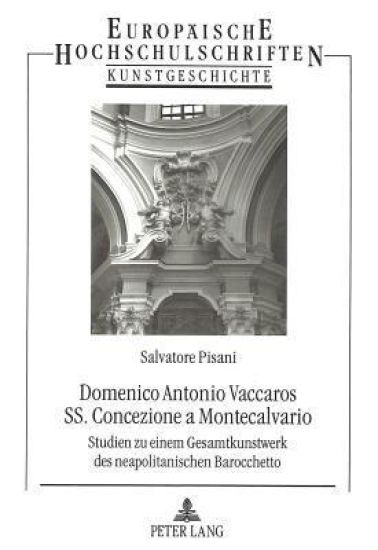
Domenico Antonio Vaccaros SS. Concezione a Montecalvario ist ein wenig bekanntes Chef d'Oeuvre des parthenopaischen Barocchetto. Ungewohnlich sind sowohl die bauliche Gestalt als auch das Dekorationssystem. Vaccaro experimentierte mit einem im 17. und 18. Jahrhundert sehr beliebten Raumschema: dem oktogonalen Zentralbau. Die mit ausgefallenen Kunstgriffen erzeugte Spannung zwischen Langsdehnung und Zentralitat schafft ein vollig neues Raumerlebnis. Ein grosses Thema ist auch die enge Verflechtung von Architektur und Dekoration. Der Raumschmuck nimmt dabei programmatischen Charakter an. Architektur, Skulptur und Malerei bilden ein koharentes Gefuge, das eine gemeinsame Uberwelt bezeichnet. Archivalische Funde aus dem Archivio Storico del Banco di Napoli machen die vorliegende Studie zu einer wichtigen Quellenpublikation zum neapolitanischen Settecento."