

Kirjahaku
Etsi kirjoja tekijän nimen, kirjan nimen tai ISBN:n perusteella.
1000 tulosta hakusanalla Fernando Aramburu

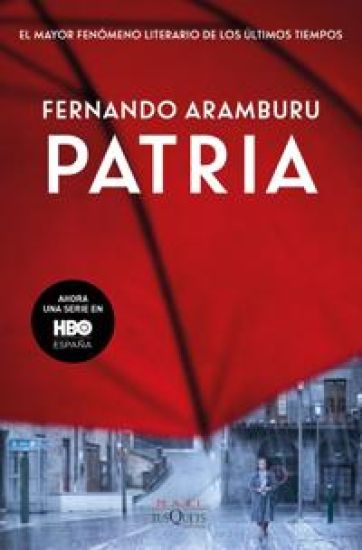

Spansk succesroman om venskab og forsoning. Miren and Bittori har været bedste venner hele livet, de er vokset op i den samme lille by i det nordlige Spanien. Med begrænset interesse for politik, har terrortruslen fra ETA ikke påvirket deres liv synderligt. Da Bittoris mand begynder at modtage trusselsbreve fra ETA - de kræver penge, beskylder ham for at være stikker og forræder - vender hun sig mod veninden for at søge hjælp. Men Mirens loyalitet er splittet: hendes søn Joxe Mari er netop blevet rekrutteret af terrorgruppen og at tage afstand fra dem som skadelige og onde, vil være det samme som at undsige sit eget kød og blod. Spændinger eskalerer, venskaber knuses. Fernando Aramburu er en af Spaniens største nulevende forfattere. Han er født i San Sebastian, men er i dag bosat i Tyskland. Patria er den første roman af Aramburu, der oversættes til dansk. ”Uforglemmelig, storslået og tankevækkende … Det Tolstoj magtede i Krig og fred, magter Aramburu her.” – El Pais ”Romaner på seks hundrede sider er sjældent lette at fordøje, men Patria – inddelt i mere end 100 korte kapitler – kan binge-læses.” – the Guardian
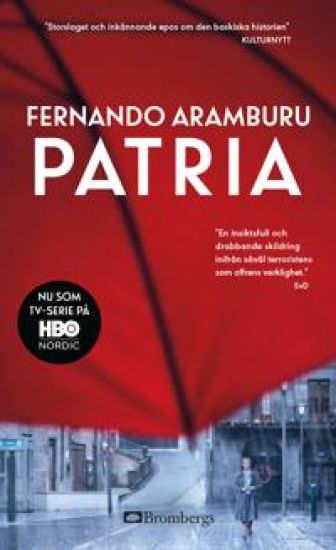
Spansk succéroman om vänskap och försoning.Två kvinnor som en gång var bästa väninnor är nu bittra fiender. Två familjer som varit nära sammanflätade befinner sig nu på varsin sida av en avgrund. En liten by där grannsämja och gemenskap rådit har slitits itu av våld. Är det möjligt att försonas och kan man någonsin glömma?Samma dag som separatistorganisationen ETA meddelar att de lägger ner sina vapen bestämmer sig änkan Bittori för att återvända till byn där hon och hennes man bodde innan han mördades av separatisterna. Men kommer hon att kunna leva sida vid sida med dem som trakasserade och förstörde hennes familj? Och kommer hon någonsin att få svar på frågan om vem personen var som mördade hennes man?Med den mörka baskiska nationalismen som fond skildrar Fernando Aramburu en plats där terror i åratal har påverkat livet och där såren efter våldet fortfarande är vidöppna.
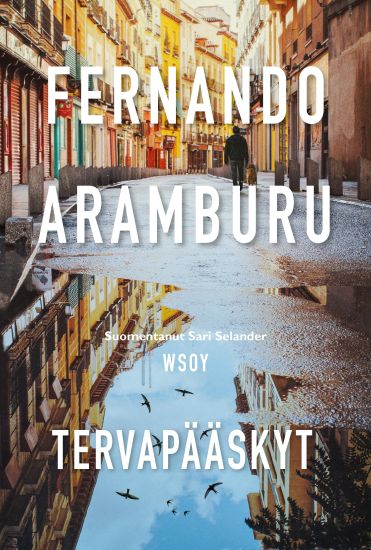
Mies kriisissä patriarkaalisen vallan raunioilla.”Aramburu luo briljantin kerronnallisen kudelman madridilaiskorttelin asukkaiden elämästä.”- El PaísElämään väsynyt filosofian opettaja Toni päättää kuolla. Mutta vasta vuoden kuluttua, tervapääskyjen aikaan. Siihen saakka hän vuodattaa muistioonsa vihaisen miehen intiimiä tilitystä ja vimmaa. Itsemurhaprojektiin liittyy Atochan terrori-iskussa jalkansa menettänyt Siistikoipi, Tonin ainoa ystävä koiran lisäksi. Mutta pian eloisa naapurusto kiskoo katkeraa miestä poterostaan, ja kuvaukseen hiipii inhimillisiä sävyjä, hellyyttä ja huumoria. Määräpäivänä Toni astuu ulos myrkkyannos mukanaan. Löytääkö eksyksissä ollut mies perille?Fernando Aramburu (s. 1959) on aikamme merkittävimpiä espanjalaiskirjailijoita. Hän syntyi Baskimaassa mutta asuu nykyään Saksassa. Aramburulle on myönnetty lukuisia merkittäviä kirjallisuuspalkintoja, mutta vasta Äidinmaa (Patria, 2016) nousi kansainväliseksi menestykseksi. HBO sovitti teoksen tv-sarjaksi. Aramburun teoksissa ihmistä peilataan aina suhteessa kollektiiviseen historiaan: yksilö on sosiaalisen kontekstinsa muokkaama. Erityisesti Tervapääskyt tarjoaa tarkkaa, kriittistä ajankuvaa nyky-Espanjasta.
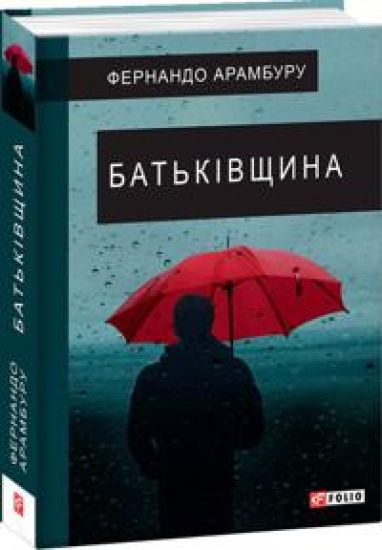
Fernando Aramburu - ispanskij pismennik, poet, esejist. Z 1985 roku prozhivaje v Nimechchini.Vvazhajetsja odnim z providnikh nini zhivikh ispanskikh pismennikiv. Roman "Batkivschina" buv duzhe dobre prijnjatij chitachami ta kritikami. Za ostanni desjatilittja zhodna kniga v Ispaniji ne bula udostojena stilkokh nagorod: krascha kniga 2017 roku, Natsionalna premija z literaturi, Premija kritiki, premija Mizhnarodnogo klubu zhurnalistiv, italijski premiji Strega i Lampeduzi. Tilki ispanskoju roman narakhovuje ponad 30 vidan, prodano prava na pereklad 32 movami. Ukrajinskoju drukujetsja vpershe.

Patria (Edición de la Serie de Tv) / Homeland (TV Tie-In)
Fernando Aramburu
Planeta Publishing
2021
pokkari
El d a en que ETA anuncia el abandono de las armas, Bittori se dirige al cementerio para contarle a la tumba de su marido el Txato, asesinado por los terroristas, que ha decidido volver a la casa donde vivieron. Podr convivir con quienes la acosaron antes y despu s del atentado que trastoc su vida y la de su familia? Podr saber qui n fue el encapuchado que un d a lluvioso mat a su marido, cuando volv a de su empresa de transportes? Por m s que llegue a escondidas, la presencia de Bittori alterar la falsa tranquilidad del pueblo, sobre todo de su vecina Miren, amiga ntima en otro tiempo, y madre de Joxe Mari, un terrorista encarcelado y sospechoso de los peores temores de Bittori. Qu pas entre esas dos mujeres? Qu ha envenenado la vida de sus hijos y sus maridos tan unidos en el pasado? Con sus desgarros disimulados y sus convicciones inquebrantables, con sus heridas y sus valent as, la historia incandescente de sus vidas antes y despu s del cr ter que fue la muerte del Txato, nos habla de la imposibilidad de olvidar y de la necesidad de perd n en una comunidad rota por el fanatismo pol tico. El mayor fen meno literario de los ltimos tiempos, ahora en edici n bolsillo.
Dos j venes exaltados se marchan al sur de Francia para convertirse en militantes de ETA. Esperan instrucciones en una granja de pollos, acogidos por una pareja francesa con la que apenas se entienden. All se enteran de que la banda ha anunciado el cese de la actividad armada. Abandonados a su suerte, sin dinero, sin experiencia ni armas, deciden continuar la lucha por su cuenta y fundan una organizaci n propia en la que uno asumir el papel de jefe y disciplinado ide logo, y el otro, el de subalterno m s relajado. El contraste entre el af n de gestas y las peripecias m s rid culas, bajo una lluvia pertinaz, va llevando la historia hacia una especie de drama c mico. Hasta que conocen a una joven que les propone un plan.Patria, esta nueva novela de Aramburu nos arrastra, de una manera agil sima y sorprendente, por una peripecia inesperada y un desenlace magistral. Contada con un humor c ustico y veloz, escrita con frases cuya brevedad son un aut ntico virtuosismo, Hijos de la f bula nos demuestra que Fernando Aramburu pertenece a la estirpe de los grandes escritores, los que nos cuentan historias como nadie es capaz de hacerlo.
Hombre Caído (Relatos Cortos) / Fallen Man (Short Stories)
Fernando Aramburu
Planeta Publishing
2025
nidottu
El nuevo libro de un narrador imprescindible. Una inolvidable colecci n de relatos de Fernando Aramburu. Un gran libro que nos muestra a un Aramburu distinto: entre la atrocidad y la delicadeza. I aki Ezkerra, El Correo Qu bien escribe Aramburu y qu gusto da dejarse ir por su elegancia y su sobriedad. Eva Cosculluela, Heraldo de Arag n Relatos llenos de humor sin negar la tragedia... No decepcionar al lector m s exigente. J.A. Masoliver R denas, Cultura/s (La Vanguardia) Incisivo humor e intencionada cr tica social y un profundo conocimiento de la condici n humana conforman lo mejor de estos interesantes relatos. Jes s Ferrer, La Raz n Te mete el dedo en el ojo, en la llaga y en ambos a la vez. Ana Trasobares, Esquire Relatos que tratan sobre lo que nos inquieta... aderezados con un humor a menudo desternillante. Ascensi n Rivas, El Cultural Amuebla cada trama con una aparente sencillez que te hace disfrutarla antes del desasosiego final. Jos Mar a Pozuelo Yvancos, Abc Cultural Una mujer que deja de cuidar a sus padres enfermos para fotografiar ardillas en el parque, un joven que asegura a su hermano que le ha vengado de la paliza que le dieron, un padre que sale a comprar un gran peluche de segunda mano y se encuentra con una historia inesperada, un hombre ca do al que no pueden ayudar los transe ntes... Los cuentos del nuevo libro de Aramburu van de la emoci n al terror, del absurdo a la sorpresa y el humor, de la angustia a la m s inquietante normalidad, y todas son inolvidables. El nuevo libro de Fernando Aramburu es una l cida inmersi n en la naturaleza humana: desde la soledad de quienes no son comprendidos hasta el comportamiento con nuestros vecinos ca dos en desgracia, desde las interioridades de las parejas a rivalidades de por vida, las envidias o los sentimientos m s inconfesables. ENGLISH DESCRIPTION The latest book from a master storyteller. An unforgettable collection of short stories by Fernando Aramburu. A woman stops caring for her sick parents to photograph squirrels in the park, a young man tells his brother he's avenged the beating he received, a father goes out to buy a secondhand stuffed animal and stumbles into an unexpected story, a fallen man lies helpless as passersby fail to assist... The stories in Aramburu's new book range from emotion to terror, absurdity to surprise and humor, anguish to unsettling normality--and each one leaves a lasting impression. Hombre ca do is a lucid exploration of human nature: from the loneliness of the misunderstood to how we treat neighbors in disgrace, from the inner workings of couples to lifelong rivalries, envy, and the most unspoken feelings.
La nueva novela del autor de Patria sobre gentes vascas: una obra irónica, demoledora, divertidísima. «Me rindo ante Aramburu. Acaba de sacar una novela divertidísima. C on un dúo de personajes cómicos que son, a la vez, Don Quijote y Sancho, el Gordo y el Flaco y Vladímir y Estragón. El humor devuelve una imagen patética a quienes se ven como héroes. »Sergio del Molino,El País «Una historia irónica, divertidísima y demoledora, sobre todo demoledora.»Karina Sainz de Borgo,Abc «Aramburu se ríe de los fanáticos que trataron de imponer sus ideas..., por eso las carcajadas que se nos escapan al leerla son reparadoras.»Eva Cosculluela,Heraldo de Aragón «Va a entusiasmar a sus lectores, les va a sorprender.»Carlos Alsina,Más de uno (Onda Cero) «Una obra felizmente lograda en el registro de la comedia…Nadie estaba en mejores condiciones que Aramburu para hacerlo. Y lo ha hecho no sólo literariamente muy bien, sino conectando moralmente con la inolvidablePatria.»Domingo Ródenas,Babelia (El País) «Aramburu, otra vez valiente, hacer reír con humoradas escritas desde el serio respeto a una juventud vasca que ama.»J.M. Pozuelo Yvancos,Abc Cultural «¿Es posible acercarse a aquella pesadilla con sarcasmo? Sí. Aramburu se ha atrevido y lo ha conseguido…La novela se devora.»Manuel Llorente,La Lectura (El Mundo) «Un sentido del humor brillante, sarcasmo en cantidades industriales y sorpresas que me han hecho disfrutar mucho.» Juan Calzada,Diario Montañés Dos jóvenes exaltados, Asier y Joseba, se marchan en 2011 al sur de Francia con la intención de convertirse en militantes de ETA. Esperan instrucciones en una granja de pollos, acogidos por una pareja francesa con la que apenas se entienden. Allí se enteran de que la banda ha anunciado el cese de la actividad armada. Abandonados a su suerte, sin dinero, sin experiencia ni armas, deciden continuar la lucha por su cuenta, fundando una organización propia, en la que uno asumirá el papel de jefe y disciplinado ideólogo, y el otro el de subalterno más relajado. El contraste entre el afán de gestas y las peripecias más ridículas, bajo una lluvia pertinaz, va llevando la historia hacia una especie de drama cómico. Hasta que conocen a una joven que les propone un plan. Tras el éxito dePatria, esta nueva novela de Fernando Aramburu nos arrastra, de una manera agilísima y sorprendente, por una peripecia inesperada y un desenlace magistral. Contada con un humor permanente, cáustica, veloz, escrita con frases cuya brevedad son un auténtico virtuosismo,Hijos de la fábula vuelve a demostrarnos que Fernando Aramburu pertenece a la estirpe de los grandes escritores, los que nos cuentan
Traagisiin tositapahtumiin perustuva baskiperheen tarina Äidinmaan tekijältä. ”Aramburu on saanut aikaan yhden eheimmistä, kauneimmista ja vakuuttavimmista romaaneistaan - Poika on hämmästyttävä sukellus yhteiskuntaan, perheeseen ja siten myös yleisinhimilliseen empatiaan.” - El Mundo Kahdeksankymppinen Nicasio käy joka torstai Ortuellan hautausmaalla tyttärenpoikansa haudalla. Poika oli yksi niistä viidestäkymmenestä lapsesta, jotka kuolivat Ortuellan koulun kaasuräjähdyksessä lokakuussa 1980. Onnettomuus järkytti koko Espanjaa ja repi hajalle niin Nicasion kuin monen muunkin kyläläisen perheen. Monta vuotta tapahtumien jälkeen murhenäytelmään palataan käytännönläheisen Mariaje-äidin ja todellisuutta pakenevan Nicasio-ukin tarinoiden kautta. Kun Mariaje yrittää päästä elämässään eteenpäin menetyksestä huolimatta, Nicasio pakenee fantasiamaailmaansa, jossa poika elää edelleen. Elämänmakuiset henkilöt ja eri näkemysten yhteentörmäykset tuovat tarinaan inhimillistä lämpöä, hienoviritteistä huumoria unohtamatta. Fernando Aramburu (s. 1959) on aikamme merkittävimpiä espanjalaiskirjailijoita. Hän syntyi Baskimaassa mutta asuu nykyään Saksassa. Aramburun teoksille on myönnetty lukuisia merkittäviä kirjallisuuspalkintoja, mutta vasta Äidinmaa (Patria, 2016) nousi kansainväliseksi menestykseksi. HBO sovitti teoksen TV-sarjaksi. Aramburun teoksissa ihmistä peilataan aina suhteessa kollektiiviseen historiaan: yksilö on sosiaalisen kontekstinsa muokkaama.


After a year in county jail, a new life on the outside awaits Nineteen-year-old Amari Davis is a rebellious transgender teen from Georgia with a desperate desire for a fresh start-but being packed off to Brazil to work with her father, a military vet now in the Peace Corps, isn't exactly what she has in mind. Amari struggles to adjust to the new culture and fit in with the locals until she meets Gabriel, a handsome and endearing young man who works with her father. The two are drawn to each other, and as their friendship deepens, Amari's newfound romance tests her resolution to live authentically. If she tells Gabriel the truth about herself, will it push him away forever? From award-winning author Chanel Hardy, 'Fernando' is a modern, unconventional love story set in the 90's that explores what it means to live as your authentic self, giving love a chance when all seems lost, and to be young and resilient in the face of adversity.

Fernando Pessoa (1888-1935) is the quintessential philosophical outsider. Affiliated to no institution, and associated with no traditional school, in his prose fiction and poetry, Pessoa invented a new philosophy of the human subject, arguing that imagination is key to human flourishing and human self-enrichment. Each of us, he claimed, can use our powers of imagination to “pluralise ourselves;” that is to say, to live, simultaneously and in sequence, as a plurality of distinct subjects. Calling these artefact minds “heteronyms”, Pessoan synthetic selves are new ways poetically to experience the world. In this study of the philosophical thought of Pessoa, philosopher Jonardon Ganeri highlights connections between Pessoa with earlier philosophical poets, from Keats to Shakespeare and from Coleridge to Whitman. Ganeri emphasises Pessoa's originality in his theory of the human subject as a radical departure from the history of Christian or Islamic thought, highlighting affinities with ideas from works of philosophical fiction in classical India through an examination of Pessoa's own engagement with Indian poetry and philosophy. Ganeri convincingly argues for the need to consider Pessoa's writings as a philosopher, both on their own terms and as in deep conversation with the tradition of Indian thought.

Fernando de Rojas and the Renaissance Vision
Castells Ricardo
Pennsylvania State University Press
2000
sidottu
The late medieval masterpiece Celestina has long been the focus of controversy, over both its authorship and the apparent contradictions and inconsistencies within its plot. Scholars trace the publication of Celestina to 1499, when Fernando de Rojas supposedly discovered the first act and completed the remainder of the drama within a two-week period. The plot centers on the ill-fated love of Calisto and Melibea and the fascinating character of the old bawd, Celestina. Scholars disagree about how to interpret the meeting of the two lovers in the first scene, when they share an unusual conversation that is incongruous with their comportment in the remainder of the work. Ricardo Castells seeks to resolve this and other seeming contradictions by tracing the oneiric, phantasmal, and melancholic traditions of the Renaissance and their effect on the composition of Celestina. Castells explores the European cultural and literary tradition—works of both fiction and nonfiction that would have been available to Rojas—to discover theoretical approaches to the physiology of lovesickness and its accompanying dreams and visions. He employs the themes of love, medicine, and dreams in these works to explain the seemingly illogical progression of the play’s action and the ultimately detrimental effects of melancholy, lovesickness, and sensual contamination on the protagonist, Calisto. In so doing, Castells places Celestina within its appropriate cultural and historical context, enriching our perception not only of the text itself but also of the traditions that helped to produce it.

Fernando de Rojas and the Renaissance Vision
Ricardo Castells
Pennsylvania State University Press
2001
pokkari
The late medieval masterpiece Celestina has long been the focus of controversy, over both its authorship and the apparent contradictions and inconsistencies within its plot. Scholars trace the publication of Celestina to 1499, when Fernando de Rojas supposedly discovered the first act and completed the remainder of the drama within a two-week period. The plot centers on the ill-fated love of Calisto and Melibea and the fascinating character of the old bawd, Celestina. Scholars disagree about how to interpret the meeting of the two lovers in the first scene, when they share an unusual conversation that is incongruous with their comportment in the remainder of the work. Ricardo Castells seeks to resolve this and other seeming contradictions by tracing the oneiric, phantasmal, and melancholic traditions of the Renaissance and their effect on the composition of Celestina. Castells explores the European cultural and literary tradition—works of both fiction and nonfiction that would have been available to Rojas—to discover theoretical approaches to the physiology of lovesickness and its accompanying dreams and visions. He employs the themes of love, medicine, and dreams in these works to explain the seemingly illogical progression of the play’s action and the ultimately detrimental effects of melancholy, lovesickness, and sensual contamination on the protagonist, Calisto. In so doing, Castells places Celestina within its appropriate cultural and historical context, enriching our perception not only of the text itself but also of the traditions that helped to produce it.

This book brings together a collection of paintings depicting male nudes, by artist Fernando Carpaneda. "My sculptures and paintings are experimental works on material and feelings. I think I can explore new possibilities sculpting the human body and new forms. I worked for 15 years with assemblages before starting sculpting and through the assemblages I became a sculptor. It was a kind of a natural process. Most of my sculptures are portraits of friends, ex-lovers, porn stars and random guys. I transform my sculptures into a kind of reliquary, where you can identify several references to the models; Phrases, poetry, human hair. I followed this path because I wanted to create works that have a consequential meaning to me and a strong connection with my models, and so, my past experiences are always present. I wish my works can reach an audience that appreciates art regardless of being gay or straight. I like to do works that do not fit into the circuit of contemporary art. I like to go against the standard imposed by art institutions. I try to escape the contemporary visual aesthetics and I prefer follow lines of works that escape this contemporary aesthetic. My goal with my art is also to show other sides within the GLBTQ culture and society in general. By that, to open the minds of the audience to other possibilities within gay and punk art. My works speak of freedom, of being what you are, without fear of assuming your ideas and ideals.

Fernando Carpaneda "New Portraits" is a series of paintings and drawings depicting the beauty and the sensuality of men and women. The work seeks to provoke debates and questions about equality, in the sense of valuing the human being. Carpaneda takes inspiration from the urban element, and uses the language of the street along with his own experiences. Beggars, pop stars, punks and outcasts of all kinds are the object of his attention and look. In June 2012, some of his works were exhibited on 23 foot LED screens as part of "Art Takes Times Square" and were seen by over 1 million people. Carpaneda was also named as a Juror's Choice for Visual Art at the 2016 Seattle Erotic Art Festival.