

Kirjahaku
Etsi kirjoja tekijän nimen, kirjan nimen tai ISBN:n perusteella.
1000 tulosta hakusanalla Fred L. Pattee

--Spokes and braids in the rings of Saturn --Eddying currents around Jupiter's Great Red Spot --Volcanic eruptions on the satellite Io These are the images from Voyager that have made headlines and captured the public imagination. Now, a giant of twentieth century astronomy guides us on a literary voyage of discovery that retraces the steps of this and other recent space probes--Viking, Mariner, Pioneer, as well as Russian efforts--that have revolutionized our understanding of Earth's nearest neighbors. Every step of the way, Fred Whipple provides the basic foundation in astronomy that enables the reader to be not merely awed and entranced but thoroughly informed, with a solid and satisfying understanding of the workings of our solar system. In a dazzling combination of text and illustrations, "Orbiting the Sun" offers vistas that rival science fiction: --mountains on Mars twice the height of Everest --thunderstorms and sulfuric acid clouds on Venus --the possibility of liquid nitrogen oceans on Titan But the author also explores in precise detail the tests carried out by the Viking Lander that with virtual certainty have ruled out the hope of finding life on Mars. This completely revised and updated edition of Whipple's classic "Earth, Moon, and Planets" once again presents Earth within its planetary context. This view allows us to speculate on such provocative concepts as the connection between an asteroid collision and the extinction of the dinosaurs. But the most obvious enhancement of this new edition is the stunning photographs, that include the eerie panorama of the Martian landscape taken from the Viking Landers, the dramatic sweep of Saturn's thousand rings, and full color port raits of the Jovian moons--the battered face of Callisto, Europa with its web of thin scratches, the "superhighways" of Ganymede, and Io with its volcanic plumes. Fred Whipple has introduced two generations of student and amateur astronomers to the wonders of the solar system. In "Orbiting the Sun" he will charm and inform an entirely new audience.

This is the first and only comprehensive history of all decorations and medals that may be awarded to men and women serving in the United States Army and Air Force. The background and design of each medal are examined, as well as award criteria governing each decoration. The book first looks at the Army and Air Force Medals of Honor before continuing with other awards, including the Distinguished Service Cross, Distinguished Service Medal, Air Force Cross, Silver Star, Legion of Merit, Bronze Star Medal and Purple Heart. The histories of more common medals like the Air Medal, Meritorious Service Medal, Army and Air Force Commendation Medals and Army and Air Force Achievement Medals are also included. Photographs of each medal (obverse and reverse) accompany the text, along with selected photographs of recipients and the citations for their awards.

Provides an overview of the past, present, and future of Italian American culture.Leaving Little Italy explores the various forces that have shaped and continue to mold Italian American culture. Early chapters offer a historical survey of major developments in Italian American culture, from the early mass immigration period to the present day, situating these developments within the larger framework of American culture as a whole. Subsequent chapters examine particular works of Italian American literature and film from a variety of perspectives, including literary history, gender, social class, autobiography, and race. Paying particular attention to how the individual artist's personality has intersected with community in the shaping of Italian American culture, the book reveals how and why Italian America was invented and why Little Italys must ultimately disappear.
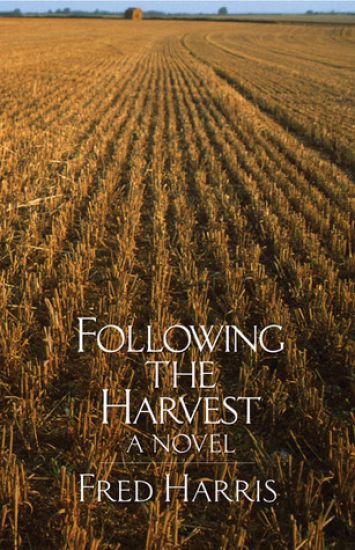
Following the Harvest tells the story of sixteen-year-old Will Haley, who journeys north in the summer of 1943 as a member of a wheat-harvesting crew.Traveling with his father, along with a hump-backed hired hand, a whiny truck driver and his pretty wife, two cousins from Mississippi, and his father's best friend, Will makes his way from Vernon, Oklahoma, to Rhame, North Dakota. Not everyone will make the return trip to Oklahoma, and when an accident claims a crew member's life, Will is forced to take charge and become mature beyond his years.""A well written, fun read that will make you understand why Harris is being included with the likes of Willa Cather and Larry McMurtry. He is truly that good."" - Tulsa WorldFred Harris, author of Coyote Revenge, Easy Pickin's, and sixteen books of nonfiction, has also had a distinguished career in politics and higher education. Twice elected to the U.S. Senate from Oklahoma, he is now Professor of Political Science at the University of New Mexico.
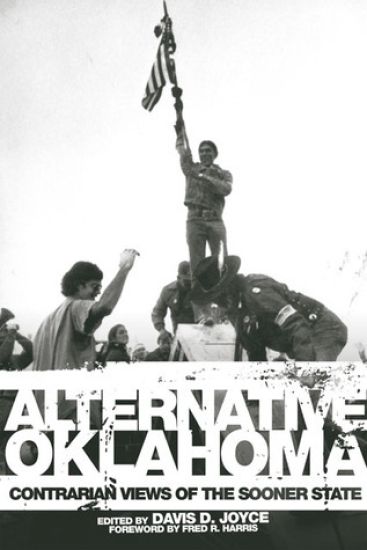
How many of us really know every side to Oklahoma's past and present?In this companion to his previous volume, ""An Oklahoma I Had Never Seen Before,"" Davis D. Joyce presents fourteen essays that interpret Oklahoma's unique populist past and address current political and social issues. Joyce invited scholars and political activists to speak their minds on subjects ranging from gender, race, and religion to popular music, the energy industry, and economics.These decidedly contrarian Sooner voices reflect the progressive, libertarian, and even radical viewpoints that influenced the state's creation. Contributors talk of growing up ""Okie and radical,"" of the legacy of Woody Guthrie in the Red Dirt music scene, and of the Sunbelt Alliance that helped to stop the building of the Black Fox nuclear power plant. They look back at Oklahoma City's role in the early civil rights sit-in movement and at an Oklahoman's experience with Vietnam Veterans Against the War. They consider religion outside the mainstream - and everyday women squarely within these unique expressions of faith.In assembling these engaging essays about Oklahoma and its past, Joyce calls on the alternative approach to history championed by Howard Zinn and also invokes Oklahoman Paul Harvey in offering us ""the rest of the story.""Alternative Oklahoma urges an honest alternative exploration of the state's diverse past. It's an Oklahoma history that takes into account the overlooked and the left behind and contributes to a more open political dialogue in a state too often dismissed as unquestionably ""red.""

The well-known ""people's politician"" recalls his life and careerOne of Oklahoma's most famous native sons, Fred Harris faced life's challenges with the same resolve as a favorite uncle: ""Does people do it? If people does it, I can do it."" In this engaging memoir, he describes how he met those challenges head-on.A child of the Great Depression, Harris grew up in the small town of Walters, Oklahoma, where he was born in a two-room house. He describes that upbringing and his initiation into state politics, and tells how he was elected to the U.S. Senate at the age of thirty-three. As he recounts his experiences in national politics, he yields an insightful look at the turbulent 1960s and 1970s.Earning a reputation as a ""new populist,"" Harris chaired the national Democratic Party and was a serious presidential candidate. Along the way, he encountered such giants as Lyndon B. Johnson, Hubert Humphrey, and Robert F. Kennedy. Enlivening his account with firsthand conversations, Harris contributes to our understanding of the motivations and personalities of these figures - including the infamous tensions between Johnson and Kennedy. Despite rubbing elbows with such power brokers, Harris maintained his own reputation as a down-to-earth man of the people whose advocacy included American Indian causes.Harris accomplished much in his distinguished career, championing human rights at home and around the world. His masterfully written memoir attests to a philosophical consistency and humane liberalism that today are all too rare.
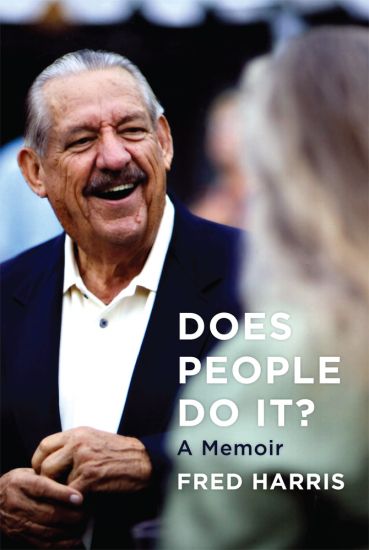
One of Oklahoma’s most famous native sons, Fred Harris faced life’s challenges with the same resolve as a favorite uncle: “Does people do it? If people does it, I can do it.” In this engaging memoir, he describes how he met those challenges head-on.A child of the Great Depression, Harris grew up in the small town of Walters, Oklahoma, where he was born in a two-room house. He describes that upbringing and his initiation into state politics, and tells how he was elected to the U.S. Senate at the age of thirty-three. As he recounts his experiences in national politics, he yields an insightful look at the turbulent 1960s and 1970s.Earning a reputation as a “new populist,” Harris chaired the national Democratic Party and was a serious presidential candidate. Along the way, he encountered such giants as Lyndon B. Johnson, Hubert Humphrey, and Robert F. Kennedy. Enlivening his account with firsthand conversations, Harris contributes to our understanding of the motivations and personalities of these figures—including the infamous tensions between Johnson and Kennedy. Despite rubbing elbows with such power brokers, Harris maintained his own reputation as a down-to-earth man of the people whose advocacy included American Indian causes.Harris accomplished much in his distinguished career, championing human rights at home and around the world. His masterfully written memoir attests to a philosophical consistency and humane liberalism that today are all too rare.
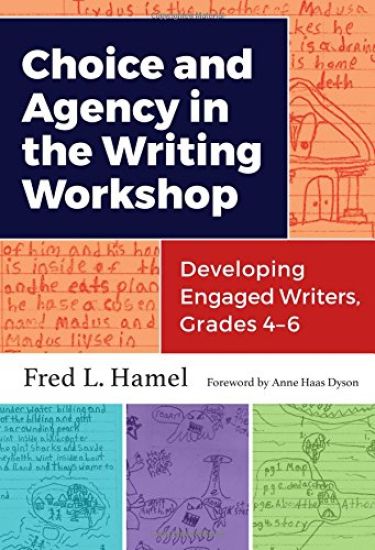
Step into a classroom and “listen in” on the writing initiatives and motivations of students who are given significant choice and agency in the development of their writing. Discover why upper elementary children need ways to “become literate as kids,” not merely as prototypes of adults or teenagers. Filled with rich portraits of in-class writing interactions and challenges, this book highlights various themes that help teachers become better observers and more responsive to the complexity of writing in children’s lives. Key themes include: drawing and popular media in children’s learning; the challenges of listening to students during conferences; the intersections of writing and relationships; the roles of sharing and publishing writing; and the importance of shaping a writing curriculum through dialogue.

In the revised and updated second edition of this comprehensive book, the first anthology to integrate social-psychological literature on prejudice with sociological and historical investigations, contributors introduce readers to the key debates and principal writings on racial and ethnic conflict, representing conservative, liberal, and radical positions. Presented in debate format, each section offers a provocative discussion of contemporary problems and issues, allowing students to take part in the controversies from an informed perspective. The editors' introductions provide current data and describe cutting-edge arguments that are reshaping the study of race and ethnicity today. The second edition boasts new readings which serve to further enhance the dialogue on America's continuing struggle with racial issues. Contributors tackle a wide array of issues which plague the country today?from discrimination and immigration to education and politics?and ask how we can affect change as we move into the twenty-first century.
In the first major critical reading of Italian American narrative literature in two decades, Fred L. GardaphÉ presents an interpretive overview of Italian American literary history. Examining works from the turn of the twentieth century to the present, he develops a new perspective-variously historical, philosophical, and cultural-by which American writers of Italian descent can be read, increasing the discursive power of an ethnic literature that has received too little serious critical attention. GardaphÉ draws on Vico’s concept of history, as well as the work of Gramsci, to establish a culture-specific approach to reading Italian American literature. He begins his historical reading with narratives informed by oral traditions, primarily autobiography and autobiographical fiction written by immigrants. From these earliest social–realist narratives, GardaphÉ traces the evolution of this literature through tales of “the godfather” and the mafia; the “reinvention of ethnicity” in works by Helen Barolini, Tina DeRosa, and Carole Maso; the move beyond ethnicity in fiction by Don DeLillo and Gilbert Sorrentino; to the short fiction of Mary Caponegro, which points to a new direction in Italian American writing.The result is both an ethnography of Italian American narrative and a model for reading the signs that mark the “self-fashioning” inherent in literary and cultural production. Italian Signs, American Streets promises to become a landmark in the understanding of literature and culture produced by Italian Americans. It will be of interest not only to students, critics, and scholars of this ethnic experience, but also to those concerned with American literature in general and the place of immigrant and ethnic literatures within that wide framework.
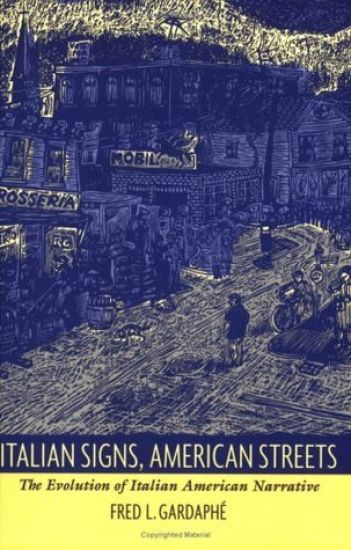
In the first major critical reading of Italian American narrative literature in two decades, Fred L. GardaphÉ presents an interpretive overview of Italian American literary history. Examining works from the turn of the twentieth century to the present, he develops a new perspective-variously historical, philosophical, and cultural-by which American writers of Italian descent can be read, increasing the discursive power of an ethnic literature that has received too little serious critical attention. GardaphÉ draws on Vico’s concept of history, as well as the work of Gramsci, to establish a culture-specific approach to reading Italian American literature. He begins his historical reading with narratives informed by oral traditions, primarily autobiography and autobiographical fiction written by immigrants. From these earliest social–realist narratives, GardaphÉ traces the evolution of this literature through tales of “the godfather” and the mafia; the “reinvention of ethnicity” in works by Helen Barolini, Tina DeRosa, and Carole Maso; the move beyond ethnicity in fiction by Don DeLillo and Gilbert Sorrentino; to the short fiction of Mary Caponegro, which points to a new direction in Italian American writing.The result is both an ethnography of Italian American narrative and a model for reading the signs that mark the “self-fashioning” inherent in literary and cultural production. Italian Signs, American Streets promises to become a landmark in the understanding of literature and culture produced by Italian Americans. It will be of interest not only to students, critics, and scholars of this ethnic experience, but also to those concerned with American literature in general and the place of immigrant and ethnic literatures within that wide framework.

Until the past decade, development experts shared a conception of how to facilitate development in the Third World countries of Latin America, Africa, and Asia. One essential factor in this paradigm was the role of mass media communication. The media were expected to convey useful information from government development programs to their intended audiences. This dominant paradigm of mainly one-way communication flows did not lead to widespread development in the Third World. Instead, scholars and development planners began to search for alternative models of development and for other conceptions of development communication.


This is the second edition of the first book in a series on the life of a Seer and the gracious gift of God's pictorial language to His bride, the Church. In this volume we will explore the language of visions and dreams and dive into the depths of the Seer's Gift and the prophetic. It's a timely work. We live in exciting times Everywhere you turn God is pouring out the Spirit of prophecy and revelation upon his people, often through the language of dreams and visions. Dreams and visions are one of those mysterious things that always seem to intrigue people. Everyone, at one level or another, is interested in dreams and visions. We all have dreamt. This Seer's Series is for the everyday Christian, the average Joe, the layperson, people like you and me. I have written this book to release the folks that are sitting quietly in the back of the church and are not sure of how they fit in or what they can do to contribute to the Kingdom of God. With this series, I want to stir their hearts to go deeper, and dream and understand that, in Christ, they can do all things. I want to ignite their destiny with vision. The Lord does speak to His people. He speaks to them through His Word. He speaks to them with that small still voice. He speaks to them through circumstance, and He speaks through the language of visions and dreams. This series will help you listen in a new way as you operate to fulfill God's will in your life. You will learn to understand how visions and dreams operate through gifting... wither it's a word of knowledge, prophecy, healing, or discerning of spirits. I pray this series will meet my intended goal. The Seer Series includes the following books: The Seer's Gift - a look at the Language of Visions and Dreams (this volume). The Seer and Healing - How visions and dreams operate in the ministry of healing. The Seer's Guide to Symbolism - a reference work on similes, metaphors, and symbolism commonly seen in the life of the believer.

This is the second book in a series on the life of a Seer and the gracious gift of God's pictorial language to His bride, the Church. This volume explores the Seer and Healing - How visions and dreams operate in the healing ministry. It's timely work. We live in exciting times Everywhere you turn, God is pouring out the Spirit of prophecy and revelation upon his people, often through the language of dreams and visions. Dreams and visions are one of many methods God uses in communication with His children while they do the works of the kingdom and pray for the sick. This series is for the everyday Christian, the average Joe, the layperson, and people like you and me. I have written this book to release the folks sitting quietly in the back of the church and unsure how they fit in or what they can do to contribute to the Kingdom of God. With this series, I want to stir their hearts to go deeper and pursue the healing ministry. The Lord does speak to His people. He speaks to them through His Word. He speaks to them with that small, still voice. He speaks to them through circumstance, and He speaks through the language of visions and dreams. This series will help you listen and see in a new way as you operate to fulfill God's will in your life. You will learn to understand how visions and dreams operate through gifting... whether it's a word of knowledge, prophecy, healing, or discerning of spirits. I pray this series will meet my intended goal. The Seer Series includes the following books: The Seer's Gift - A Look at the Language of Visions and Dreams. The Seer & Healing (this volume) - How visions and dreams operate in the healing ministry. The Seer & Prophecy - The Gift and Office of the Seer Prophet. Pectoral Language of a Seer - a reference work on similes, metaphors, and symbolism commonly seen in the believer's life.

The Seer & Prophecy: The Gift and Office of the Seer Prophet
Fred L. Raynaud
Fred Raynaud
2014
nidottu
This is the third book in a series on the life of a Seer and the gracious gift of God's pictorial language to His bride, the Church. In this volume we will explore the Gift and Office of the Seer Prophet.It's a timely work. We live in exciting times Everywhere you turn God is pouring out the Spirit of prophecy and revelation upon his people, often through the language of dreams and visions. Dreams and visions are one of many methods God uses in communication to His children while they do the works of the kingdom and pray for the sick.This series is for the everyday Christian, the layperson, people like you and me. I have written this book to release folks that may be sitting quietly in the back of the church and are not sure of how they fit in or what they can do to contribute to the Kingdom of God. With this series, I want to stir their hearts to go deeper, and pursue the ministry of the prophetic. The Lord does speak to His people. He speaks to them through His Word. He speaks to them with that small still voice. He speaks to them through circumstance, and He speaks through the language of visions and dreams. This series will help you listen in a new way as you operate to fulfill God's will in your life. You will learn to understand how visions and dreams operate through gifting... wither it's a word of knowledge, prophecy, healing, or discerning of spirits. I pray this series will meet my intended goal.The Seer Series includes the following books: The Seer's Gift - a look at the Language of Visions and Dreams. The Seer and Healing - How visions and dreams operate in the ministry of healing. The Seer and Prophecy - The Gift and Office of the Seer Prophet (this volume). Pectoral Language of a Seer - a reference work on similes, metaphors, and symbolism commonly seen in the life of the believer.
This book is the fourth book in the Seer Series. In volume one we explored the concept of the Seer gift and briefly looked at the language of visions and dreams. Book two examined how the seer gift operates while ministering to the sick and hurting. Book three we looked at the seer gift and its relationship to prophecy and the office of the Seer Prophet. In this volume we will look at symbolism and its relationship to the language of visions and dreams.The ministry of the prophetic to the body of Christ has always been a passion of mine, partially due to my own personal gifting from God, but more so to the impact it can have in the life of the believer. Visions and dreams are a big part of that gifting. This book is simple a guide for you to ponder as you pray about the symbols and metaphors God uses when speaking to you.

The Black Crop: Slavery and Slave Trading in Nineteenth Century Texas
Fred L. McGhee Ph. D.
Fidelitas Publishing
2016
nidottu