The so-called energy crisis that burst upon the world in 1973 was not easily understood by many people. It was neither 'the beginning of the end' nor the first encounter by modern man with the natural result of his prodigality. These papers, collected in two volumes, from energy economists in the United States, Canada, and Britain all indicate that the 'crisis' was and is a short-run problem caused by government action or inaction. The problem may be complex, but it was mishandled, particularly by the United States, in terms of government policy. The rise in the price of, and the embargo on, oil came into being because of a successful producers' cartel outside North America; oil buyers -- nations and companies -- did not respond in kind but scurried around the world in separate planes in order to ensure supplies for themselves at any price. That price became many times the cost-of-production price, despite the fact that cool analysis reveals an increase in both production and reserves in most areas of the world. The shortage of refined oil products for consumers are attributable partly to the embargo, but also to a shortage of refineries and bottlenecks in transportation -- some of which have been induced by government uncertainties over recent years. Proper government policies are now required. The thirty-six papers in the two books treat a multitude of topics related to the question of energy as seen from the stance of the economist. All sources of energy are considered, as are the markets in major areas of the world; past policies are analysed, and future policies recommended.It is hoped that the volumes, giving the background to the energy problems of the immediate future and a menu of prescriptions for their solution, will interest businessmen, market analysts, and policy-makers as well as economists, teaching or learning, in many parts of the world.
The so-called energy crisis that burst upon the world in 1973 was not easily understood by many people. It was neither 'the beginning of the end' nor the first encounter by modern man with the natural result of his prodigality. These papers, collected in two volumes, from energy economists in the United States, Canada, and Britain all indicate that the 'crisis' was and is a short-run problem caused by government action or inaction. The problem may be complex, but it was mishandled, particularly by the United States, in terms of government policy. The rise in the price of, and the embargo on, oil came into being because of a successful producers' cartel outside North America; oil buyers - nations and companies - did not respond in kind but scurried around the world in separate planes in order to ensure supplies for themselves at any price. That price became many times the cost-of-production price, despite the fact that cool analysis reveals an increase in both production and reserves in most areas of the world. The shortage of refined oil products for consumers are attributable partly to the embargo, but also to a shortage of refineries and bottlenecks in transportation - some of which have been induced by government uncertainties over recent years. Proper government policies are now required. The thirty-six papers in the two books treat a multitude of topics related to the question of energy as seen from the stance of the economist. All sources of energy are considered, as are the markets in major areas of the world; past policies are analysed, and future policies recommended. It is hoped that the volumes, giving the background to the energy problems of the immediate future and a menu of prescriptions for their solution, will interest businessmen, market analysts, and policy-makers as well as economists, teaching or learning, in many parts of the world.
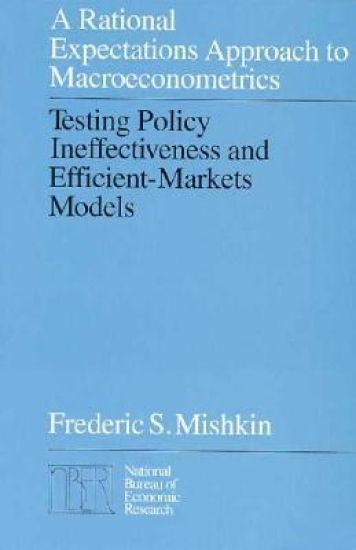
A Rational Expectations Approach to Macroeconometrics pursues a rational expectations approach to the estimation of a class of models widely discussed in the macroeconomics and finance literature: those which emphasize the effects from unanticipated, rather than anticipated, movements in variables. In this volume, Fredrick S. Mishkin first theoretically develops and discusses a unified econometric treatment of these models and then shows how to estimate them with an annotated computer program.
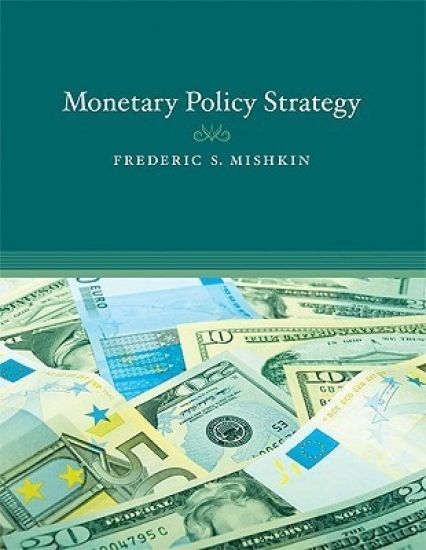
A leading academic authority and policymaker discusses monetary policy strategy from the perspectives of both scholar and practitioner, offering theory, econometric evidence, and extensive case studies.This book by a leading authority on monetary policy offers a unique view of the subject from the perspectives of both scholar and practitioner. Frederic Mishkin is not only an academic expert in the field but also a high-level policymaker. He is especially well positioned to discuss the changes in the conduct of monetary policy in recent years, in particular the turn to inflation targeting. Monetary Policy Strategy describes his work over the last ten years, offering published papers, new introductory material, and a summing up, "Everything You Wanted to Know about Monetary Policy Strategy, But Were Afraid to Ask," which reflects on what we have learned about monetary policy over the last thirty years. Mishkin blends theory, econometric evidence, and extensive case studies of monetary policy in advanced and emerging market and transition economies. Throughout, his focus is on these key areas: the importance of price stability and a nominal anchor; fiscal and financial preconditions for achieving price stability; central bank independence as an additional precondition; central bank accountability; the rationale for inflation targeting; the optimal inflation target; central bank transparency and communication; and the role of asset prices in monetary policy.
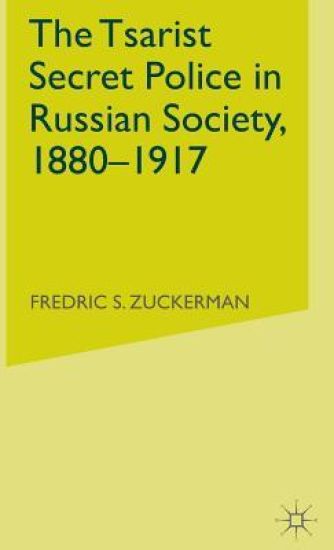
This text portrays the history of the Russian secret police - the so-called "Okhrana" - its personnel, world view and interaction with both government and people during the reigns of Alexander III and Nicholas II.
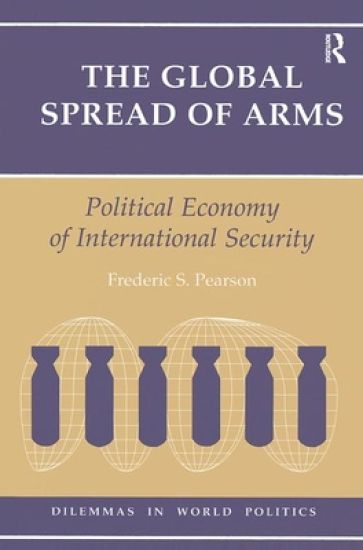
Today, despite the end of the cold war, more countries have more sophisticated weapons from more numerous suppliers than ever before. This is partly a product of continuing and growing conflicts?especially regional and interethnic ones?but it also reflects the political and economic difficulties of weaning public and private enterprise away from po
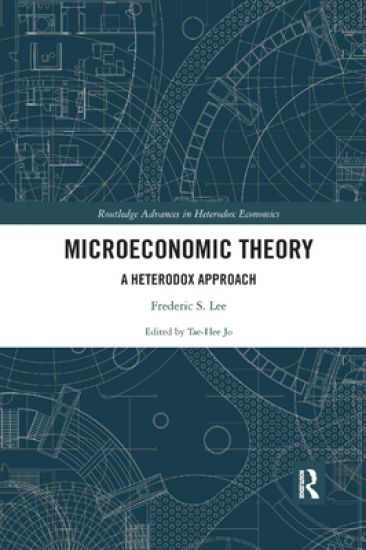
Microeconomic Theory: A Heterodox Approach develops a heterodox economic theory that explains the economy as the social provisioning process at the micro level. Heterodox microeconomics explores the economy with a focus on its constituent parts and their reproduction and recurrence, their integration qua interdependency by non-market and market arrangements and institutions, and how the system works as a whole.This book deals with three theoretical concerns. Due to the significance of the price mechanism to mainstream economics, a theoretical concern of the book is the business enterprise, markets, demand, and pricing. Also, since heterodox economists see private investment, consumption and government expenditures as the principal directors and drivers of economic activity, a second theoretical concern is business decision-making processes regarding investment and production, government expenditure decisions, the financing of investment, the profit mark-up and the wage rate, and taxes. Finally, the third theoretical concern of the book is the delineation of a non-equilibrium disaggregated price-output model of the social provisioning process. This book explores the integration of these various theories with a theoretical model of the economy and how this forms a theory that can be identified as heterodox microeconomics. It will be of interest to both postgraduates and researchers.