

Kirjahaku
Etsi kirjoja tekijän nimen, kirjan nimen tai ISBN:n perusteella.
1000 tulosta hakusanalla G. W. Ross
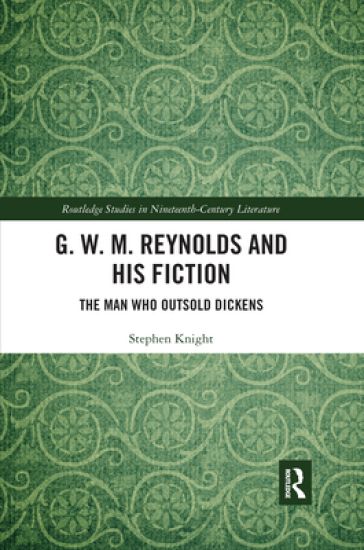
George Reynolds is arguably the most prolific of all nineteenth-century English novelists, reaching an enormous audience through his thirty-six novels. Often selling in very large numbers in weekly one-penny installments, his works were known as by the most popular English novelist ever. Yet today, he remains almost unknown in the canon of English Literature.A serious radical, strongly pro-woman, and a leading Chartist seeking the vote for all men, Reynolds’ vigorous heroines differ notably from the Victorian novelists’ timid norm. He was strongly pro-Jewish and pro-Gypsy, very interested in French and Italian society, but wrote for ordinary English working people. Dickens thought him a dangerous leftist: for all these reasons, he was excluded from the elite literary world.G. W. M. Reynolds: The Man Who Outsold Dickens reestablishes Reynolds as a major figure of mid-nineteenth-century fiction and an author of European range and status. This book examines his massive popularity and notable concern with the problems of ordinary people, especially women, in the complex and often dangerous new world of the modern city. With the support of his wife Susannah, Reynolds’ enormous influence would also make a contribution to the cause of mass political education through his role in the development of popular fiction and journalism. This book is a major innovation in the field of Victorian literary studies, with relevance to popular cultural studies, the politics of literature, and publishing history, presenting properly a much overlooked major English novelist.
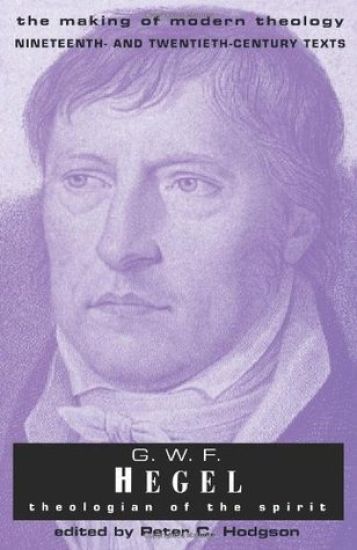
G. W. F. Hegel
Augsburg Fortress
1997
pokkari
Offering the only anthology of Hegel's religious thought, Vanderbilt University's Professor Peter C. Hodgson provides sympathetic and clear entree to the German philosopher's religious achievement through his major relevant texts starting with early theological writings and culminating with Hegel's1824 lectures on the philosophy of religion.
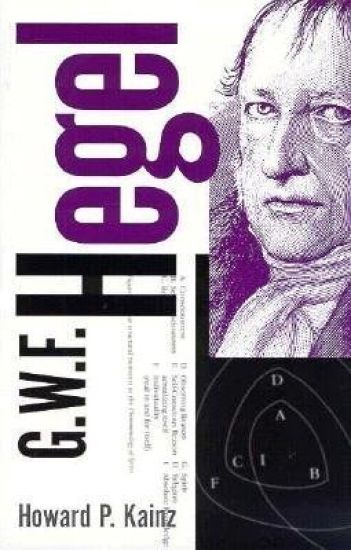
Georg Wilhelm Friedrich Hegel, perhaps the most influential of all German philosophers, made one of the last great attempts to develop philosophy as an all-embracing scientific system. This system places Hegel among the "classical" philosophers—Aristotle, Aquinas, Spinoza—who also attempted to build grand conceptual edifices. In this study, available for the first time in paperback, Howard P. Kainz emphasizes the uniqueness of Hegel's system by focusing on his methodology, terminology, metaphorical and paradoxical language, and his special contributions to metaphysics, the philosophy of nature, philosophical anthropology, and other areas. Kainz focuses on Hegel's system as a whole and its seminal ideas, making generous use of representative texts. He gives special attention to the interrelationship between dialectical methodology and paradoxical propositions; the prevalence of metaphor in the philosophy of nature; and the close interrelationship between Christian doctrine and Hegelian speculation. A rich array of diagrams and tables further elucidates Kainz's analyses. An ideal text for the student of philosophy coming to Hegel for the first time, G. W. F. Hegel provides the reader with useful insights into Hegel's work and illuminates Hegel's enduring significance in the late twentieth century.

George Reynolds is arguably the most prolific of all nineteenth-century English novelists, reaching an enormous audience through his thirty-six novels. Often selling in very large numbers in weekly one-penny installments, his works were known as by the most popular English novelist ever. Yet today, he remains almost unknown in the canon of English Literature.A serious radical, strongly pro-woman, and a leading Chartist seeking the vote for all men, Reynolds’ vigorous heroines differ notably from the Victorian novelists’ timid norm. He was strongly pro-Jewish and pro-Gypsy, very interested in French and Italian society, but wrote for ordinary English working people. Dickens thought him a dangerous leftist: for all these reasons, he was excluded from the elite literary world.G. W. M. Reynolds: The Man Who Outsold Dickens reestablishes Reynolds as a major figure of mid-nineteenth-century fiction and an author of European range and status. This book examines his massive popularity and notable concern with the problems of ordinary people, especially women, in the complex and often dangerous new world of the modern city. With the support of his wife Susannah, Reynolds’ enormous influence would also make a contribution to the cause of mass political education through his role in the development of popular fiction and journalism. This book is a major innovation in the field of Victorian literary studies, with relevance to popular cultural studies, the politics of literature, and publishing history, presenting properly a much overlooked major English novelist.

G. W. Jones's Plan Of Universal Penny Railways
George William Jones
KESSINGER PUBLISHING, LLC
2010
sidottu
G. W. Moore's Ethiopian Anecdotes And Goaks (1869)
George Washington Moore
KESSINGER PUBLISHING, LLC
2010
sidottu
G. W.'s Metrical Life of G. Gascoigne, the Poet. (a Remembraunce of the Wel Imployed Life, and Godly End of George Gaskoigne, Etc.).
George Whetstone
British Library, Historical Print Editions
2011
pokkari

G. W. Chronique Flamande 1571-1584. Avec Introduction Et Notes Par E . Varenbergh, Etc.
Guillaume Weydts; E Mile Varenbergh
British Library, Historical Print Editions
2012
pokkari

G. W. F. Hegel's Theory Of Right, Duties And Religion
KESSINGER PUBLISHING, LLC
2008
pokkari

G. W. Jones's Plan Of Universal Penny Railways: By The Application Of Turnpikes To Railways (1869)
George William Jones
KESSINGER PUBLISHING, LLC
2008
nidottu
G. W. Moore's Ethiopian Anecdotes And Goaks (1869)
George Washington Moore
KESSINGER PUBLISHING, LLC
2008
nidottu
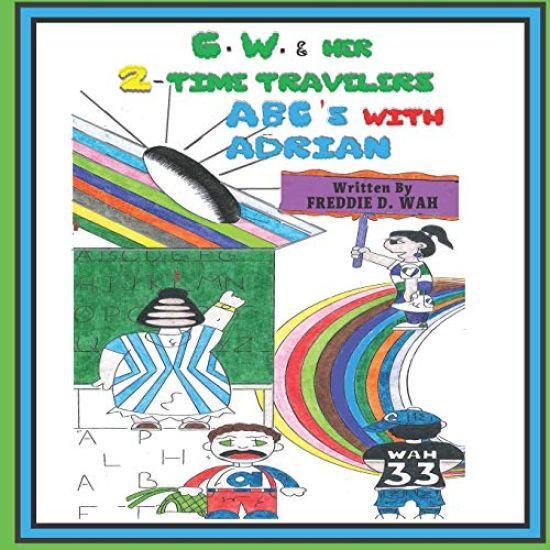
G. W. & Her Two Time Travelers: ABC's With Adrian
Freddie D. Wah
Independently Published
2019
nidottu
This book is about G. W. & her two time travelers and friends teaching children about the alphabet.
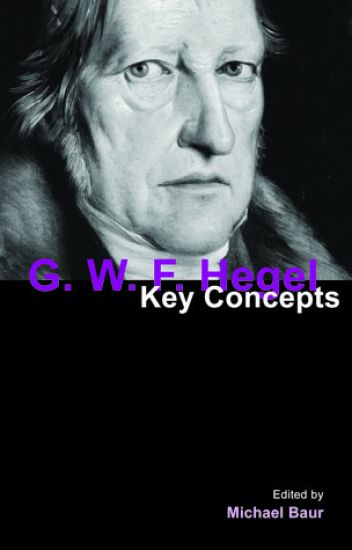
G. W. F. Hegel
Acumen Publishing Ltd
2014
sidottu
The thought of G. W. F. Hegel (1770 -1831) has had a deep and lasting influence on a wide range of philosophical, political, religious, aesthetic, cultural and scientific movements. But, despite the far-reaching importance of Hegel's thought, there is often a great deal of confusion about what he actually said or believed.G. W. F. Hegel: Key Concepts provides an accessible introduction to both Hegel's thought and Hegel-inspired philosophy in general, demonstrating how his concepts were understood, adopted and critically transformed by later thinkers. The first section of the book covers the principal philosophical themes in Hegel's system: epistemology, metaphysics, philosophy of mind, ethical theory, political philosophy, philosophy of nature, philosophy of art, philosophy of religion, philosophy of history and theory of the history of philosophy. The second section covers the main post-Hegelian movements in philosophy: Marxism, existentialism, pragmatism, analytic philosophy, hermeneutics and French poststructuralism.The breadth and depth of G. W. F. Hegel: Key Concepts makes it an invaluable introduction for philosophical beginners and a useful reference source for more advanced scholars and researchers.
G. W. F. Hegel
Acumen Publishing Ltd
2014
nidottu
The thought of G. W. F. Hegel (1770 -1831) has had a deep and lasting influence on a wide range of philosophical, political, religious, aesthetic, cultural and scientific movements. But, despite the far-reaching importance of Hegel's thought, there is often a great deal of confusion about what he actually said or believed.G. W. F. Hegel: Key Concepts provides an accessible introduction to both Hegel's thought and Hegel-inspired philosophy in general, demonstrating how his concepts were understood, adopted and critically transformed by later thinkers. The first section of the book covers the principal philosophical themes in Hegel's system: epistemology, metaphysics, philosophy of mind, ethical theory, political philosophy, philosophy of nature, philosophy of art, philosophy of religion, philosophy of history and theory of the history of philosophy. The second section covers the main post-Hegelian movements in philosophy: Marxism, existentialism, pragmatism, analytic philosophy, hermeneutics and French poststructuralism.The breadth and depth of G. W. F. Hegel: Key Concepts makes it an invaluable introduction for philosophical beginners and a useful reference source for more advanced scholars and researchers.

G. W. F. Hegel: Wissenschaft Der Logik
de Gruyter Akademie Forschung
2002
nidottu
Hegels "Wissenschaft der Logik" will nicht weniger sein als die wissenschaftliche Darstellung des Systems der reinen Vernunft. In ihren drei Teilen - "Das Sein" (1812/1832), "Die Lehre vom Wesen" (1813) und "Die subjektive Logik oder die Lehre vom Begriff" (1816) - verfolgt sie den Weg, auf dem Denken sich zum begreifenden und sich selbst begreifenden Denken bestimmt. Von Anfang an steht sie damit unter dem Vorzeichen, da die Etappen dieses Weges, das hei t die Formen des Denkens, ihre Beurteilung nicht nach Ma gabe ihrer Anpassung an oder Funktionalit t f r anderes, sondern durch immanente Kritik erfahren. Mit diesem Konzept einer sich selbst kritisierenden und sich selbst bestimmenden Vernunft hat die "Wissenschaft der Logik" es ihren Lesern nicht eben leicht gemacht und, von ihrem Erscheinen bis in die Gegenwart, tiefgreifende Kontroversen sowohl hinsichtlich ihrer Interpretation als auch hinsichtlich ihrer Einsch tzung nach sich gezogen. Der vorliegende Kommentarband dient vor allem dem Ziel, Einblick in den Gedankengang der "Wissenschaft der Logik" zu geben. In dreizehn Originalbeitr gen wird, der Gliederung des Werks folgend, die Argumentation in teils freierer, teils nah am Text orientierter Weise rekonstruiert. Dar ber hinaus dokumentiert der Band unterschiedliche Perspektiven der gegenw rtigen Hegel-Forschung.

G. W. F. Hegel: Phänomenologie Des Geistes
Walter de Gruyter
2006
pokkari
Hegels im Jahr 1807 erschienene "Phanomenologie des Geistes" kann ohne Zweifel zu den meistdiskutierten Werken der abendlandischen Philosophiegeschichte gezahlt werden. In ihr gelangt Hegels Philosophieren dazu, die Fulle alles Wissbaren zu einem einheitlichen, systematischen Ganzen zu organisieren. Dabei musste sowohl das Phanomen des Lebens mit dem erkennenden Bewusstsein, beide zusammen aber mit den geschichtlichen Entfaltungen des Geistes vermittelt werden, so dass sich die "Wissenschaft der Erfahrung des Bewusstseins" zu einer "Phanomenologie des Geistes" ausgestalten konnte. Zentral fur Hegels Idee einer dialektischen Vermittlung ist das Prinzip der Anerkennung; dieses kann aus moderner Perspektive fur die Ordnung unterschiedlicher Wissensspharen wie auch fur aktuelle Konzeptionen praktischer Philosophie als wegweisend gelten. In den letzten Jahrzehnten sind durch die editorische und entwicklungsgeschichtliche Aufarbeitung des Jenaer Hegel Konzeption und systematischer Aufbau der Phanomenologie erstmals deutlich geworden."

G. W. F. Hegel: Vorlesungen über die Ästhetik
De Gruyter
2018
nidottu
In seinen Vorlesungen ber die sthetik hat Hegel einen der wichtigsten und wirkm chtigsten Beitr ge zur sthetik und Philosophie der Kunst entwickelt. Von der systematischen Kl rung der Idee des Sch nen ber die geschichtliche Unterscheidung der symbolischen, klassischen und romantischen Kunstform bis hin zur Darstellung der einzelnen K nste (Architektur, Skulptur, Malerei, Musik, Poesie) werden alle relevanten Aspekte entfaltet und miteinander vernetzt. Eindrucksvoll ist nicht nur Hegels plastischer Zugriff auf die F lle konkreten Materials. Bedeutsam ist vor allem sein kulturphilosophischer Ansatz, der die Kunst auf dem Rang des "absoluten Geistes" als zentrales Medium menschlicher Selbstverst ndigung begreift. Die vieldiskutierte These vom "Ende der Kunst" in der Moderne h ngt damit direkt zusammen. Hegel hat seine vier Berliner sthetik-Kollegien nicht selbst publiziert. Dieser Kommentarband orientiert sich an der Edition des Hegel-Sch lers H.G. Hotho und zieht erg nzend die Nachschriften, insbes. des letzten Kollegs von 1828/29 hinzu. In dieser Form wird Hegels sthetik auf dem aktuellen Forschungsstand f r ein breites philosophisches und kulturwissenschaftliches Interessenfeld erschlossen.

G. W. F. Hegel - Grundlinien der Philosophie des Rechts
Walter de Gruyter
2014
sidottu
Hegels Grundlinien der Philosophie des Rechts von 1820 sind seit ihrem Erscheinen Gegenstand heftiger Kontroversen. Geh rt das Werk der Restauration oder dem Fr hkonstitutionalismus an? Muss man Hegels liberale Tendenzen zwischen den Zeilen eines f r die Zensur getarnten Werkes herauslesen? Oder sind seine Erben die linken und rechten Totalitarismen des vergangenen Jahrhunderts? Die systematischen Beitr gezu Person und Handlung, Freiheit und Kausalit t, Recht und Ethik, zum Strafrecht und zum V lkerrecht oder zum Verh ltnis von Markt, Sozialstaat und politischer Kultur (Kommunitarismusdebatte)sind von gro em Interesse f r die aktuellen Debatten zu diesen Themen. Die Beitr ge dieses bereits in der3., berarbeiteten Auflage vorliegendenBandes bieten den ersten vollst ndigen Kommentar zu Hegels Rechtsphilosophie. Sie verbinden die Auslegung aller wichtigen Textabschnitte mit einer Auswahl unterschiedlicher Deutungsperspektiven der internationalen Hegelforschung.
G. W. F. Hegel: Grundlinien der Philosophie des Rechts
De Gruyter
2016
isokokoinen pokkari
Hegels Grundlinien der Philosophie des Rechts von 1820 sind seit ihrem Erscheinen Gegenstand heftiger Kontroversen. Gehört das Werk der Restauration oder dem Frühkonstitutionalismus an? Muss man Hegels liberale Tendenzen zwischen den Zeilen eines für die Zensur getarnten Werkes herauslesen? Oder sind seine Erben die linken und rechten Totalitarismen des vergangenen Jahrhunderts? Die systematischen Beiträge zu Person und Handlung, Freiheit und Kausalität, Recht und Ethik, zum Strafrecht und zum Völkerrecht oder zum Verhältnis von Markt, Sozialstaat und politischer Kultur (Kommunitarismusdebatte) sind von großem Interesse für die aktuellen Debatten zu diesen Themen. Die Beiträge dieses bereits in der 4., überarbeiteten Auflage vorliegenden Bandes bieten den ersten vollständigen Kommentar zu Hegels Rechtsphilosophie. Sie verbinden die Auslegung aller wichtigen Textabschnitte mit einer Auswahl unterschiedlicher Deutungsperspektiven der internationalen Hegelforschung.