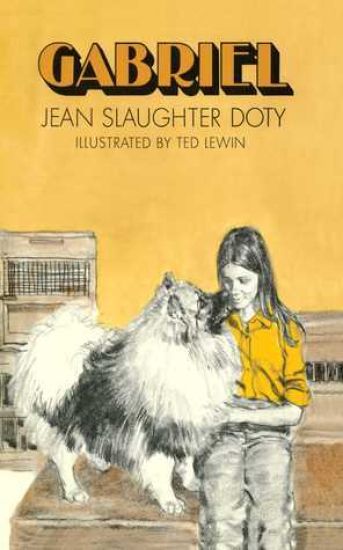
Gabriel is Jean Slaughter Doty's story of a young girl's experience of love, lose, and admiration.When the starving orphan puppy she saves turns out to be a valuable Keeshond, Linda experiences the grief of giving him up to his rightful owner and the joy of watching him trained as a champion show dog.
Gabriel doesn't like his life. It's better than the one he would have if the Gillham pack hadn't rescued him from the streets, but he's working himself to the bone to make sure Alice, the woman he considers his sister, gets better opportunities than him. He realized something was eventually going to break a while ago, but he never expected that the reason for it would be his mate.Cyn is leaving behind the life he's known until now- including his parents' money, the job they'd been planning for him, and the arranged marriage they want him to enter. He doesn't know what he'll encounter when he goes to Gillham to find his cousin Noah, but it's not a cute shifter telling him they're mates. He never expected to have one, since demons don't have mates, but it's a perfect way to turn his life around.If only his mate's sister didn't hate him.
The first in a trilogy of children's books telling heartwarming, age-appropriate, stories with captivating illustrations, about a young girl Claire, a veal calf Gabriel she rescues, and their journey to change the world we live in. Gabriel is a beautifully illustrated and engaging story of a young girl named Claire and her rescued veal calf named Gabriel. Claire grew up in a time when people turned off their feelings toward animals and ignored the damage being done to our planet. Mother Nature sent a warning to the adults as the climate changed and a deadly virus engulfed humankind. Our young protagonist Claire takes matters into her own hands rescuing a veal calf from certain death. Through Claire's journey to save her beloved Gabriel and the planet, our young readers learn about love, compassion, and making good choices. Claire's brave and bold decision teaches and inspires her parents and humanity--captivating young readers and everyone that reads Gabriel.
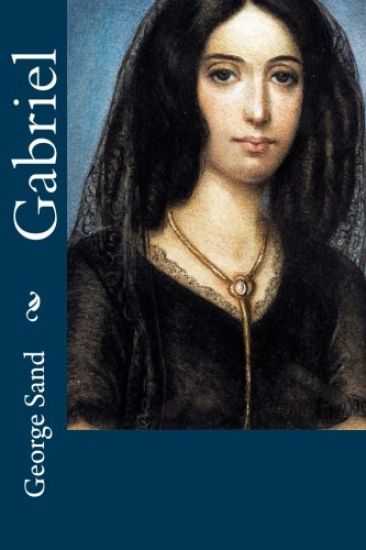
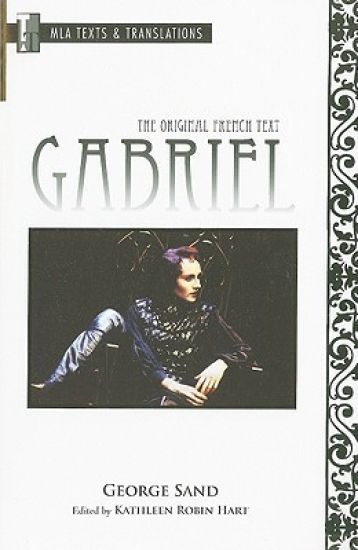
“An admirable ruse, indeed! To inspire in me the horror of females, only to throw it in my face and say: but this is what you are.”The handsome, heroic heir to a vast estate, raised as a man to follow a man’s pursuits and to despise women, is devastated to learn at the age of seventeen that he is in fact a she. Gabriel courageously refuses to give up her male privileges, and her tragic struggle to work and fight and love in all the ways she knows how offers a window into the obstacles faced by George Sand, the prolific intellectual woman whom the popular press portrayed as a promiscuous, cigar-smoking oddity in trousers. “Strange that the most virile talent of our time should be a woman’s!” exclaimed a reviewer in 1838.Kathleen Robin Hart’s introduction contextualizes the drama, discussing its relation to the theater of Sand’s day, the sentimental tradition, the subversive workings of carnival and masquerade, and the vein of literary androgyny in Romantic works.
“An admirable ruse, indeed! To inspire in me the horror of females, only to throw it in my face and say: but this is what you are.”The handsome, heroic heir to a vast estate, raised as a man to follow a man’s pursuits and to despise women, is devastated to learn at the age of seventeen that he is in fact a she. Gabriel courageously refuses to give up her male privileges, and her tragic struggle to work and fight and love in all the ways she knows how offers a window into the obstacles faced by George Sand, the prolific intellectual woman whom the popular press portrayed as a promiscuous, cigar-smoking oddity in trousers. “Strange that the most virile talent of our time should be a woman’s!” exclaimed a reviewer in 1838.Kathleen Robin Hart’s introduction contextualizes the drama, discussing its relation to the theater of Sand’s day, the sentimental tradition, the subversive workings of carnival and masquerade, and the vein of literary androgyny in Romantic works.