In this commentary, Graham Hamborg offers a timely and up to date assessment of the books of Hosea, Joel and Amos. Recognising that each had a compositional history leading to the final forms by which we know them, he brings a literary approach to the texts and connects them to other parts of the Hebrew Bible/Old Testament. Hamborg also draws attention to topics where there are a range of scholarly views. 'Closer Look' sections explore significant themes and terms in greater depth, and 'Bridging the Horizons' sections indicate how the texts are of continuing significance in today's world. Conveying the meaning and importance of Hosea, Joel, and Amos in non-technical language and in an accessible style, this volume will be a valuable commentary for biblical scholars, students, and non-specialists for years to come.
In this commentary, Graham Hamborg offers a timely and up to date assessment of the books of Hosea, Joel and Amos. Recognising that each had a compositional history leading to the final forms by which we know them, he brings a literary approach to the texts and connects them to other parts of the Hebrew Bible/Old Testament. Hamborg also draws attention to topics where there are a range of scholarly views. 'Closer Look' sections explore significant themes and terms in greater depth, and 'Bridging the Horizons' sections indicate how the texts are of continuing significance in today's world. Conveying the meaning and importance of Hosea, Joel, and Amos in non-technical language and in an accessible style, this volume will be a valuable commentary for biblical scholars, students, and non-specialists for years to come.
Australia has an enviable record for airline safety - No one has ever died in an accident involving a commercial jet aircraft in Australia. The reasons behind this have been the source of much speculation and theories tend to focus on issues related to the natural environment and even luck. However, with human error being present in arguably 100% of aircraft accidents, it seems reasonable that a good safety record is at least partly the consequence of human intervention. This text uses Australian aviation as a case study of a safe system to explore the interactions between the natural, operational and human environments. Based on doctoral research including a major survey of pilot and air traffic controller perceptions, the book is unusual in that it looks at positive examples in safety rather than taking the traditional reactive approach to safety deficiencies.
This book tackles the challenges of how to make sense of qualitative data. It offers students and researchers a hands-on guide to the practicalities of coding, comparing data, and using computer-assisted qualitative data analysis. Lastly, Gibbs shows you how to bring it all together, so you can see the steps of qualitative analysis, understand the central place of coding, ensure analytic quality and write effectively to present your results.
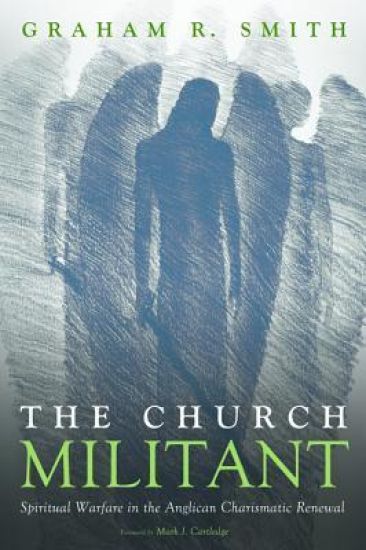
A worldview of ""spiritual warfare"" is widely held among charismatics and Pentecostals, but it has been criticized for producing paranoia and denying personal responsibility. It is less well known that the term was first used in print around 1970 by Anglican charismatics. What did it mean to them then, and what are the practical effects of their worldview? Should we now be adopting a more sophisticated ontology of evil, such as Nigel Wright's ""non-ontological realist"" view or Amos Yong's ""apophatic theology"" of the demonic, rather than the traditional one that Satan and demons are real ontological entities? This practical theological study begins with a study of Anglican charismatic pioneers, and an in-depth case study of a charismatic Anglican congregation, before grappling with the ontological question in dialogue with Wright (together with Barth and Walter Wink), Yong, and Gregory Boyd. A fresh engagement with the biblical texts then argues for a positive, realist ontology for rebellious demonic powers and presents a Trinitarian model of spiritual warfare praxis that emphasizes personal responsibility and promotes freedom from fear. ""Smith has produced a study on spiritual warfare unusual in its depth, rigor, and theological insight. By engaging with lived experience, biblical material, and contemporary authors of different perspectives, he has opened a new way of understanding spiritual warfare. This book deserves to be taken seriously "" --Gavin Wakefield, Director of Training for Missional Ministry, York Diocese; Author of Alexander Boddy: Pentecostal Anglican Pioneer ""This book is a gold mine. Where else will I find a scholarly but readable tour de force about the experiential, philosophical, biblical, and theological aspects of the battle withevil as understood in thecharismatic churches of the UK since the 1970s? The writer recordsinterviews with well-known practitioners. He considers with an open mind the critical views of established scholars. Ultimately, he emerges with carefully nuancedsupport for the traditional and orthodox understanding of Satan and the demonic realm. Excellent "" --Graham Dow, formerly Bishop of Carlisle, England; Author of Explaining Deliverance REV'D DR GRAHAM SMITH is Team Vicar in Bushbury parish, Wolverhampton, UK.
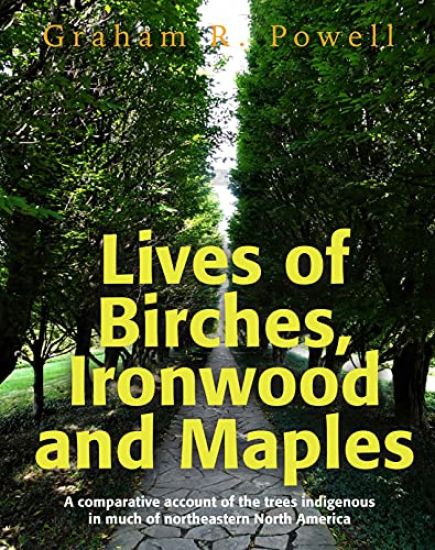
Dr. Graham Powell's new work builds on his earlier publication, Lives of Conifers: A Comparative Account of the Coniferous Trees. As in the previous book, Dr. Powell provides his readers with a detailed view of the morphological and physiological features of the Canadian broadleaved species birch, maple, and ironwood. These species occur naturally in one or more of the four Atlantic Provinces, in Qu bec, east of Qu bec City in Canada, and in the states of Maine, New Hampshire and Vermont in the United States. Powell's approach offers readers unique overviews of the complex and dynamic features of tree growth, reproduction and physical development. His text is profusely illustrated and researched and amply supported by full citations for all scholarly work quoted.
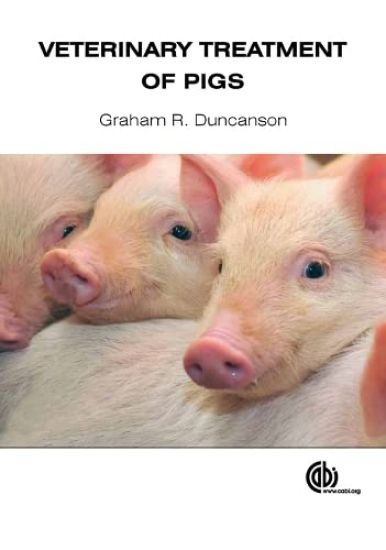
* Practical focus covering everyday care and treatment of pigs * Describes diseases by body system to create an easy-to-use guide to pig treatment * Takes a worldwide approach – so covers poisons and diseases beyond the UK
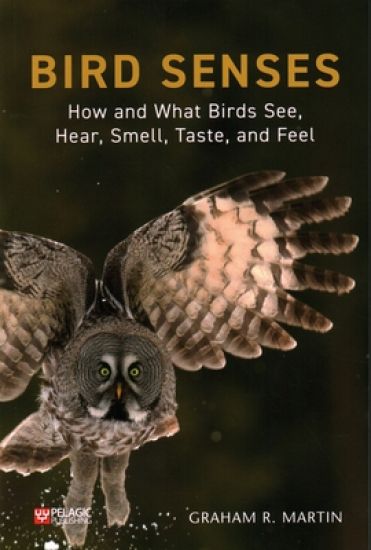
Graham Martin takes the reader deep into the world of birds from a new perspective, with a ‘through birds’ eyes’ approach to ornithology that goes beyond the traditional habitat or ecological point of view. There is a lot more to a bird’s world than what it receives through its eyes. This book shows how all of the senses complement one another to provide each species with a unique suite of information that guides their daily activities. The senses of each bird have been fine-tuned by natural selection to meet the challenges of its environment and optimise its behaviour: from spotting a carcase on a hillside, to pecking at minute insects, from catching fish in murky waters, to navigating around the globe. The reader is also introduced to the challenges posed to birds by the obstacles with which humans have cluttered their worlds, from power lines to windowpanes. All of these challenges need explaining from the birds’ sensory perspectives so that effective mitigations can be put in place. The book leads the reader through a wealth of diverse information presented in accessible text, with over 100 colour illustrations and photographs. The result is a highly readable and authoritative account, which will appeal to birdwatchers and other naturalists, as well as researchers in avian biology. The author has researched the senses of birds throughout a 50-year career in ornithology and sensory science. He has always attempted to understand birds from the perspective of how sensory information helps them to carry out different tasks in different environments. He has published papers on more than 60 bird species, from Albatrosses and Penguins, to Spoonbills and Kiwi. His first fascination was with owls and night time, and owls have remained special to him throughout his career. He has collaborated and travelled widely and pondered diverse sensory challenges that birds face in the conduct of different tasks in different habitats, from mudflats and murky waters, to forests, deserts and caves. In recent years he has focused on how understanding bird senses can help to reduce the very high levels of bird deaths that are caused by human artefacts; particularly, wind turbines, power lines, and gill nets.
Llamas and alpacas are a globally expanding area of interest in the farming world, and in the UK alone now number over 50,000. As such, there is an urgent need to provide up-to-date, specific information on these animals. Kept as pets, stud animals, livestock guardians, and farmed for fibre and meat, national herds continue to grow and are an increasingly frequent presentation for large animal vets. This book provides practical, everyday veterinary advice on common conditions and surgical procedures. This new edition: - Covers basic husbandry, nutrition, examination, vaccines, analgesia, anaesthesia, dermatology, and poisons; - Expands on previous zoonotic disease coverage, as well as other key issues such as biosecurity, handling, and management of these animals; - Updates advice throughout, including changes to legislation and advances in new treatments, surgical techniques, and medicines. With medical and surgical options arranged by body system for easy reference, this book is an important tool for any veterinarian to have at their disposal. It also provides an approachable and practical resource for students of veterinary medicine and animal production.
There are an estimated 116 million equines working throughout the world, providing vital power and transport for many communities, especially in developing countries. Focusing on equines used to carry out working tasks such as pulling or carrying, as opposed to those used for riding or racing, this book takes a practical approach by detailing specific treatment requirements to improve the welfare of working horses, ponies, mules and donkeys. It discusses diagnostic tests, equipment and medicines, anaesthesia, vaccines, nutrition, dentistry and ophthalmology, and all common conditions including those of heart, hoof and limb. Fully updated throughout, this new edition: - Covers medical, dental and surgical advancements since the previous edition, such as new treatments and techniques for managing skin conditions, eye issues, parasites and more; - Includes expanded content for tropical areas; - Continues to provide a welfare-centric approach to treatment and husbandry; - Includes added information on imaging kindly prepared by Laura Quiney. A crucial and practical guide to working equid veterinary care, worldwide, this book is a complete resource for veterinarians, veterinary students, and anyone working with these important animals.
Small animal veterinarians are increasingly taking on caseloads that include farm animals, with cases being presented by local hobby farmers, smallholders, and 'novelty pet' owners. With the increase in veterinary telemedicine, they now also receive requests for advice electronically from owners further afield. Recognising this trend, this book provides a quick reference for small-animal orientated veterinarians in the basics of surgery and treatment of farm animals. Popular animals such as cattle, sheep, goats, pigs, camelids and backyard poultry are covered, and basic techniques such as anaesthesia, clinical examination techniques, breeding, surgery and euthanasia are discussed. This new edition: - Expands on recent developments in all areas of medicine and surgery, covering advances such as the increased use of ultrasound across species and adding a new section on anthelmintics. - Provides updates on current major disease threats, as well as providing a One Health perspective. - Includes full colour images to help bring the subject to life. Ideal for looking up information during a consult, or for use as a refresher guide and continuing professional development resource, this book is an important tool for veterinarians in small and mixed practices.
Sheep and goats are farmed worldwide for meat, milk, skins and wool. This diverse range of uses means that many people rely on these animals as a source of income, food and warm clothing, though they can also be kept as pets. With an accessible structure designed for use in the field, this book provides a general veterinary guide to treating common conditions in these animals. Fully updated in this new edition, it addresses veterinary medicines and their uses, on-site surgery, equipment, normal values and vital signs, vaccination, nutrition, dental treatment, poisoning and dermatology. Worldwide disease conditions are also covered in detail, with a particular focus on the welfare of the animal and economic reality.
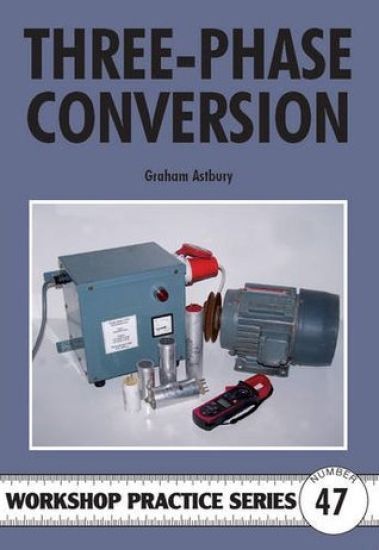
A practical guide to running three-phase equipment on single-phase electricity supplies. Often, model engineers buy industrial workshop equipment which usually require a three-phase electricity supply. Although ready-built phase converters are available, they can often cost as much or even more than the equipment purchased.
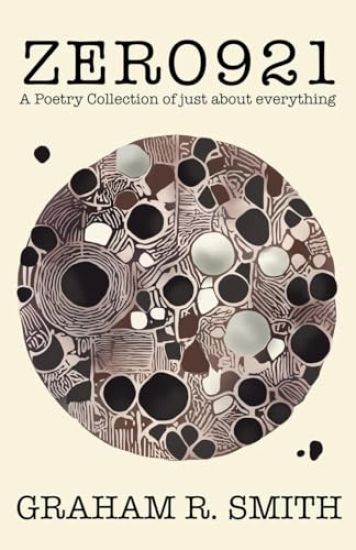
'Zero 921: A Collection of Poetry of Just About Everything' is a heartfelt journey through the ups and downs of life, told through the eyes of someone who has seen the world and lived its stories. From the quiet moments of reflection to the chaos of adventure, each poem captures the raw emotions of a life spent exploring new places and old memories. This collection dives into love, loss, discovery, and growth themes, blending the personal with the universal. Whether you've travelled far or stayed close to home, 'Zero 921'invites you to pause and find pieces of your story within its pages.
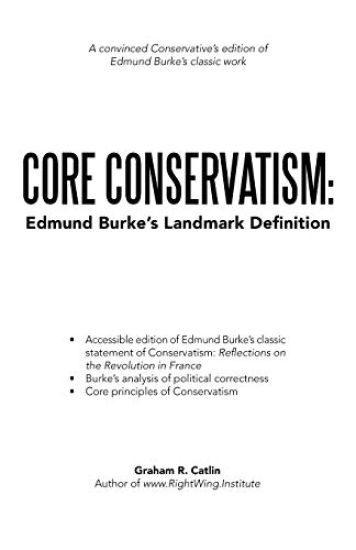
CORE CONSERVATISM: Edmund Burke's Landmark Definition asserts the classic view that Edmund Burke defined the foundations of modern conservative thought. It does so by citing extensively the historic evidence provided by Burke himself in his Reflections on the Revolution in France. CORE CONSERVATISM defies the revisionist doubts of academic historians like Dr Emily Jones in her 2019 paperback, "Edmund Burke and the invention of Modern Conservatism 1830-1914". CORE CONSERVATISM makes the full text of Edmund Burke's classic statement of Conservative thinking accessible and more comprehensible by providing - A Structure and Contents index to the 96,000 word text written originally as a continuous letter without any chapters or headings - A universal number referencing system for the 400 paragraphs of the original text - An Introduction for those with no previous knowledge of Edmund Burke or his Reflections - A 10,000 word summary of Edmund Burke's political philosophy, citing extensively from Edmund Burke's own Reflections - The author's personal distillation of Edmund Burke's thinking in his Reflections to 3 Primary Principles and 10 key tenets of modern Conservative doctrine CORE CONSERVATISM is essential reading for both convinced Conservatives and for students of politics and history. It highlights the critical role of Christianity in the formation of Conservative thinking in the English speaking nations and challenges the Materialistic worldview of today's western intelligentsia.