In this landmark volume, Greg J. Duncan and Richard J. Murnane lay out a meticulously researched case showing how - in a time of spiraling inequality - strategically targeted interventions and supports can help schools significantly improve the life chances of low-income children.The authors offer a brilliant synthesis of recent research on inequality and its effects on families, children, and schools. They describe the interplay of social and economic factors that has made it increasingly hard for schools to counteract the effects of inequality and that has created a widening wedge between low- and high-income students.Restoring Opportunity provides detailed portraits of proven initiatives that are transforming the lives of low-income children from prekindergarten through high school. All of these programmes are research-tested and have demonstrated sustained effectiveness over time and at significant scale. Together, they offer a powerful vision of what good instruction in effective schools can look like. The authors conclude by outlining the elements of a new agenda for education reform.Restoring Opportunity is a crowning contribution from these two leading economists in the field of education and a passionate call to action on behalf of the young people on whom our nation’s future depends.
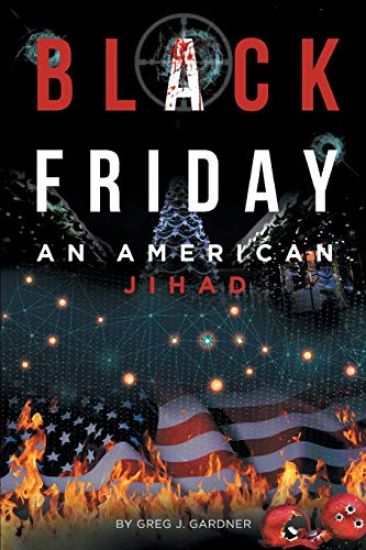
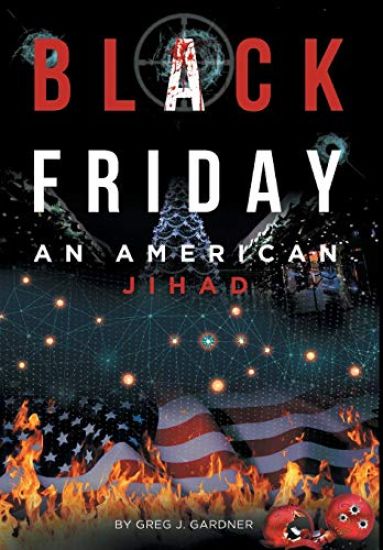
Greg J. Gardner brings to life the darkest terror attack America has every faced, when a small enclave of Islamic extremists works to bring about the collapse of the American ideal. Gripping, engrossing, and graphic without being grotesque, the story follows a small but well-trained group of terrorists who attack busy shopping centers and grocery stores during the height of holiday shopping and the busiest day of the year, Black Friday. From the bloody front line to the CNN news desk and from California to the Oval Office, Black Friday details the attack from the moment it begins in the small town of Boone, North Carolina. Simultaneously, in several states, jihadist teams open fire on shoppers with semiautomatic weapons, killing thousands in minutes. As America reels from this attack, another begins. Hell-bent on the destruction of America and willing to give their lives, the terrorists will stop at nothing to kill as many innocent people as possible, dividing America in the process and turning neighbor against neighbor. As race and religious differences threaten to push the country apart, the American people must fight to overcome differences and band together to conquer a common enemy. While it augurs an effect on the United States more eerie than a prolonged nightmare, Black Friday sets forth in convincing detail what a small enclave of Islamic extremists could do to bring about the collapse of the American ideal. Indeed, in this breakout novel by Greg Gardner, a cadre of terrorists brings about a transformation in this country that no one now anticipates. And yet, Gardner's narrative of unfolding horrors is neither a condemnation of Islam nor anthem to America's virtues. It is a play-by-play through a harrowing month in the tribulation of ordinary people who comprise the bedrock of America during the course of a continuing nationwide atrocity. Gripping, engrossing, and graphic without being grotesque, I can argue that Black Friday is precisely what would happen, from the White House to the newsrooms across the continent to the back roads around every town, when a few dozen well-trained, well-coordinated, and determined fanatics do what, in their perverse minds, God demands of them. (David A. Woodbury, author of Tales to Warm Your Mind: Ten Whimsically Morbid Short Stories, The Clover Street News, Fire, Wind & Yesterday: A Tale of Ukraine and Khazaria, and Babie Nayms: Baby Names])
'BROADENING' is a Poetic and Spiritual exploration into self discovery, boundaries and self perceptions. It's a journey into the acceptance of others with the goal being, to embrace mutual clarity and understanding of Self Resolve, Introspective Truth, and Emotional Release. Together, perhaps we could gain a greater clarity... Perhaps we can further feel a part of us that may be missing, or is simply already found, and Broaden out in just the smallest ways we send a ripple through the peering in and then beyond.
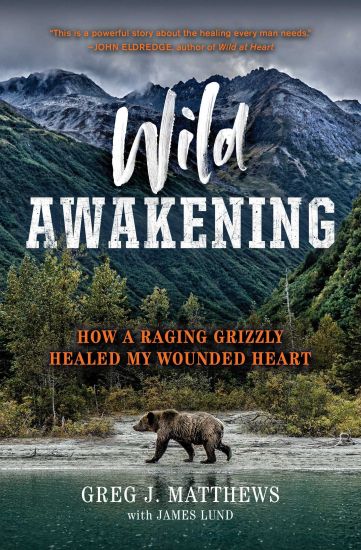
A near-fatal attack by an enraged grizzly leads to an unexpected encounter with God for alpha male Greg Matthews in this gripping and engaging story of survival and faith. Greg Matthews was the ultimate poster-boy for masculinity. Avid hunter and outdoorsman, Air Force and civilian firefighter, EMT, rescue helicopter pilot, fugitive recovery agent, Ground Zero volunteer and more, Greg had spent his whole life striving to serve others but for all the wrong reasons. After his parents' divorce when he was young, Greg believed deep down that the only way he could be loved and valued--by his father, by his family, and by God--was if he earned it through daring, high-stakes, high-risk--what society commonly refers to as "manly"--achievements. But everything changed when an idyllic hunting trip through the backwoods of Alaska turned into a harrowing fight for his life. Greg was attacked by a grizzly bear--but the gruesome, nearly fatal conflict offered an unexpected encounter with God. Greg's eyes, and more importantly, his heart, were finally opened to the lie that he'd internalized as a child: that his dangerously high-risk achievements were the sole signifiers of his worth. The road to recovery was long and painful, but it forced Greg to come face-to-face with the long-held view of manhood he had absorbed as his own identity. The relentless grizzly uncovered something in Greg's heart: that he was being pursued by an equally persistent God, who loved him unconditionally. A gripping tale of survival and a rebuttal to outmoded notions about masculinity, Wild Awakening offers an alternative way of living in the world, allowing them to finally see their value in God's eyes.
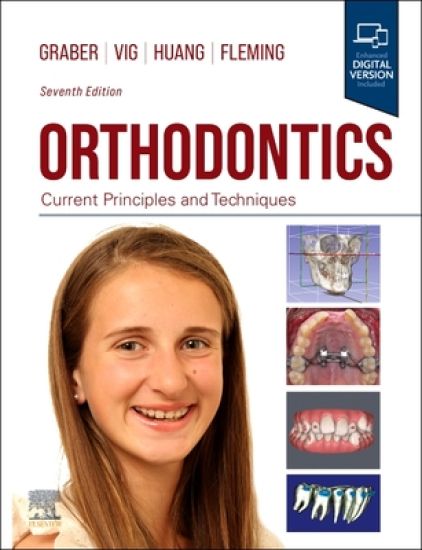
**Selected for Doody’s Core Titles® 2024 in Dentistry** Comprehensive, cutting-edge content addresses contemporary orthodontic practice! Orthodontics: Current Principles and Techniques, 7th Edition provides an evidence-based approach to orthodontic diagnosis, treatment planning, and clinical techniques, including esthetics, genetics, temporary anchorage devices, aligners, technology-assisted biomechanics, and much more. New to this edition are seven chapters, covering topics like AI, maxillary expansion in adults, Class II correctors, and autotransplantation. Newly authored chapters on orthognathic surgery and the craniofacial team, the periodontal-orthodontic interface, interdisciplinary treatment, and accelerated tooth movement, among others, address current perspectives. The 7th edition comes with access to an enhanced eBook version, which includes videos and additional visuals to show concepts difficult to explain with words alone. Readers can also find additional, online-only chapters and a fully searchable version of the text. Respected editors Lee Graber, Katherine Vig, and Greg Huang are joined by new editor Pádhraig Fleming, along with expert contributors from around the world. This text provides the most current and comprehensive collection of orthodontic knowledge, making it the go-to book for orthodontic residents and practitioners! Comprehensive coverage provides a one-stop resource for the field of orthodontics, including foundational theory and the latest on the materials and techniques used in today’s practice. Experienced, renowned editors lead a team of expert, international contributors to provide the most authoritative clinical practice and supporting science from the best and brightest in the industry. More than 3,400 images include a mixture of radiographs, full-color clinical photos, and anatomic or schematic line drawings, showing examples of treatment, techniques, and outcomes. Detailed, illustrated case studies show the decision-making process, highlighting the consequences of various treatment techniques over time. Extensive references make it easy to look up the latest in orthodontic research and evidence-based information, and all references also appear online. Enhanced ebook, included with every print purchase, features a fully searchable version of the text and bonus online-only chapters, instructional videos, and more. NEW! Seven chapters cover topics such as AI, maxillary expansion in adults, Class II correctors, and autotransplantation. Newly authored chapters on aligners, orthognathic surgery, the periodontal-orthodontic interface, interdisciplinary and computer-assisted treatment, temporary anchorage devices, and accelerated tooth movement, among others, address current perspectives. UPDATED! Relevant literature and evidence-based practices are featured throughout the text. NEW! Additional photos and illustrations visually reinforce key concepts and procedures.
Phage-display technology has begun to make critical contributions to the study of molecular recognition. DNA sequences are cloned into phage, which then present on their surface the proteins encoded by the DNA. Individual phage are rescued through interaction of the displayed protein with a ligand, and the specific phage is amplified by infection of bacteria. Phage-display technology is powerful but challenging and the aim of this manual is to provide comprehensive instruction in its theoretical and applied so that any scientist with even modest molecular biology experience can effectively employ it. The manual reflects nearly a decade of experience with students of greatly varying technical expertise andexperience who attended a course on the technology at Cold Spring Harbor Laboratory. Phage-display technology is growing in importance and power. This manual is an unrivalled source of expertise in its execution and application.
David G. Anderson; Derek T. Anderson; Katherine McMillan Barry; Kara Bridgman Sweeney; Samuel O. Brookes; Adam M. Burke; Stephen B. Carmody; Philip J. Carr; William A. Childress; I. Randolph Daniel; Ryan Duggins; Grayal E. Farr; Michael K. Faught; Brendan Fenerty; Jay D. Franklin; Lauren M. Franklin; J. Christopher Gillam; Joseph A. M. Gingerich; Jessi J. Halligan; Kandace D. Hollenbach; Vance T. Holliday; Thomas A. Jennings; K. C. Jones; Shawn A. Joy; Jerald Ledbetter; Greg J. Maggard; Steven M. Meredith; D. Shane Miller
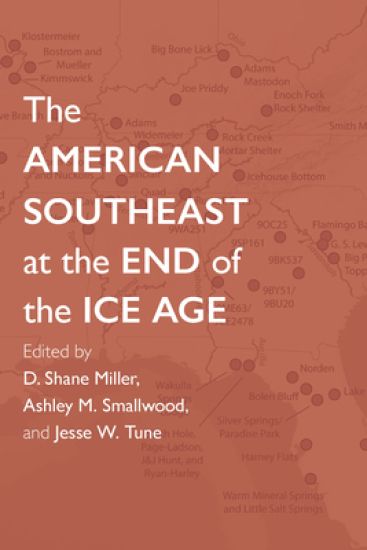
The definitive book on what is known about the Late Pleistocene and Early Holocene archaeological record in the Southeast The 1996 benchmark volume The Paleoindian and Early Archaic Southeast, edited by David G. Anderson and Kenneth E. Sassaman, was the first study to summarize what was known of the peoples who lived in the Southeast when ice sheets covered the northern part of the continent and mammals such as mammoths, saber-toothed cats, and ground sloths roamed the landscape.The American Southeast at the End of the Ice Age provides an updated, definitive synthesis of current archaeological research gleaned from an array of experts in the region. It is organized in three parts: state records, the regional perspective, and reflections and future directions. Chapters survey a diversity of topics including the distribution of the earliest archaeological sites in the region, chipped-stone tool technology, the expanding role of submerged archaeology, hunter-gatherer lifeways, past climate changes and the extinction of megafauna on the transitional landscape, and evidence of demographic changes at the end of the Ice Age. Discussion of the ethical responsibilities regarding the use of private collections and the relationship of archaeologists and the avocational community, insight from outside the Southeast, and considerations for future research round out the volume.
Michael Lewk es un joven de 25 a os que, tras sufrir varias desgracias en su vida, acaba en el pueblo de Rivertown, rehaciendo como puede su vida, pero la sombras del pasado le persiguen. Tras conocer a Donabal, un agente secreto que es el alcalde del pueblo, que persegu a un caso de suicidios en masa en el pueblo sin explicaci n, deciden ayudarse mutuamente para solucionar sus problemas. Deseando infundir al lector en esta trama, vivir junto con los personajes del libro, todo lo que sucede hasta el final.
This book questions the predominance of “media abundance” as a guiding concept for contemporary mediated politics. The authors argue that media abundance is not a universal condition, and that certain individuals, communities, and even nations can more accurately be referred to as media scarce – where access to media technologies and content is limited, highly controlled, or surveilled.Through case studies that focus on guerilla militants, incarcerated Indigenous people, and cold war-era infrastructure, including Soviet “closed” or “secret” cities and Canadian nuclear bunkers, the book’s chapters interrogate how the once media scarce later “speak” to – and can be heard by – the predominant, abundant media culture. Drawing from several art projects and diverse cultural sites, the book highlights how media scarce communities negotiate and otherwise narrate their place in the world, their past experiences and lives, and escape from subjugation. To better understand media scarce politics, the book asks how and when communities become – by accident or force, by choice or necessity – media scarce.This innovative and insightful text will appeal to students and scholars around the world working in the areas of media and politics, art and politics, visual studies, surveillance studies, and communication studies.