
Kirjahaku
Etsi kirjoja tekijän nimen, kirjan nimen tai ISBN:n perusteella.
1000 tulosta hakusanalla Hugo
Frieda ist eine ca. 30-j hrige Frau, die eine verschollene Liebe gesucht und sich dabei in Schleswig-Holstein, in Angeln, ein neues Leben aufgebaut hat. Zu ihrer Haust r kommt eines Abends Hugo hereingest rmt, in Wikingerkleidung, dreckstarrend und blutverkrustet, der eigentlich Andri hei t und ein Jarlssohn aus Haithabu ist. Er kommt aus dem nahegelegenen H nengrab, in welchem er vor ca. 1000 Jahren nach einem verlorenen Kampf schnell bestattet wurde. Hugo wei nicht, warum er in der jetzigen Zeit ins Leben zur ckgekehrt ist. Frieda k mmert sich um ihn. Recht schnell werden sie ein Paar, das Hugos Herkunft geschickt verheimlicht. Der Pastor, der Hugos und Friedas Geschichte erz hlt, entwickelt sich w hrenddessen zu einem kritischen, aber auch begeisterungsf higen Menschen.

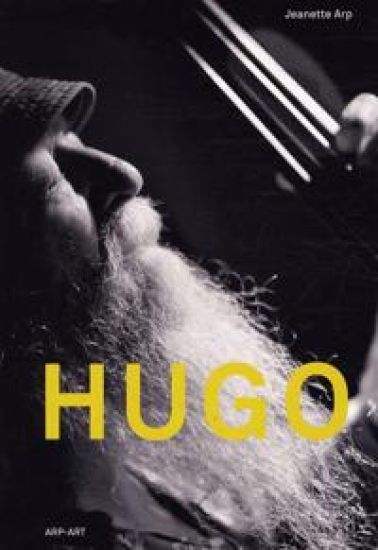
Bogen ’HUGO’ Om Hugo Rasmussen - en musiker og et menneske, der vil blive husket! Han var en folkekær musiker, der tiltrak et stort hjemligt publikum, også folk, der som udgangspunkt ikke kendte så meget til jazz. Hans basspil er legendarisk, og selv blev Hugo en legende. Bogen er baseret på mange dejlige og ærlige samtaler med Hugo samt interview med de mennesker, der har været tæt på ham, ikke mindst 15 af hans musikalske venner som f.eks. Carsten Dahl, Alex Riel, Niels Hausgaard, Paul Banks, m.fl., samt hans familie og ekskærester. Bogen fortæller jazz-historie gennem mere end 50 år og den belyser omkostninger og glæder ved at vie sit liv til musik og kunst. Vi kommer tæt på mennesket Hugo Rasmussen, en stor musiker, en spillemand, et varmt og generøst menneske, som fortryllede med sit nærvær og sin indlevelse musikalsk og menneskeligt, og den fortæller om arbejderdrengen, der trodsede alle odds og blev én af Danmarks mest folkekære musikere. Bogen er netop kommet i en ny udgave og indeholder også efterskrift af Paul Banks og Jakob Dinesen. Kvaliteten er en lækker hardback på 232 sider med mange dejlige fotos og smudsomslag! Årets julegave!! Mere info på mail: [email protected] mobil: 20662230 se mere på: www.arp-art.dk
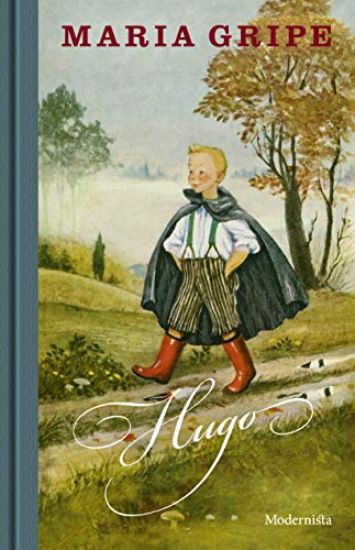
Hugo och Josefin är två av Maria Gripes och den svenska barnlitteraturens mest älskade karaktärer, och de tre böckerna om dem Josefin [1961], Hugo & Josefin [1962] samt Hugo [1966] några av de mest omistliga svenska barnboksklassikerna. I Hugo har Josefin under en tid trivts riktigt bra i skolan. Men så är Hugo plötsligt inte där på länge. Josefin känner sig ensam och övergiven, nästan sjuk. Hugo kommer tillbaka, men en ny flicka, Miriam, har också börjat i klassen. Hon har gott om pengar, vackra saker och tjusiga kläder och verkar vilja umgås med Hugo. Josefin blir avundsjuk, både på Miriams vänskap med Hugo och på alla hennes fina saker. Men kanske är det så att Miriam samtidigt önskar att hon var Josefin? Maria Gripes klassiker om Josefin, som känner sig ensam och annorlunda, och Hugo, pojken som går sina egna vägar och den djupa vänskap som växer fram mellan dem kom första gången ut på sextiotalet. Nu blir de äntligen tillgängliga på nytt som en del av Modernistas omfattande återutgivning av Maria Gripes författarskap. Böckerna har en påkostad formgivning och är illustrerade med Harald Gripes klassiska originalteckningar.MARIA GRIPE [1923-2007] är en av Sveriges bästa och mest älskade barnboksförfattare genom tiderna. Hon debuterade 1954 med I vår lilla stad och skrev sammanlagt 38 böcker, däribland Hugo & Josefin, Tordyveln flyger i skymningen och Agnes Cecilia. Hennes böcker är översatta till 29 språk, och flera har blivit filmer och TV-serier. 1946 gifte hon sig med konstnären Harald Gripe [1921 1992] som illustrerade de flesta av hennes böcker. Maria Gripe fick ta emot en rad utmärkelser, bland annat H.C. Andersenmedaljen, Litteraturfrämjandets stora pris, Astrid Lindgrenpriset, Herald Tribunes Honor Award och spanska kulturministeriets Premio Nacional.
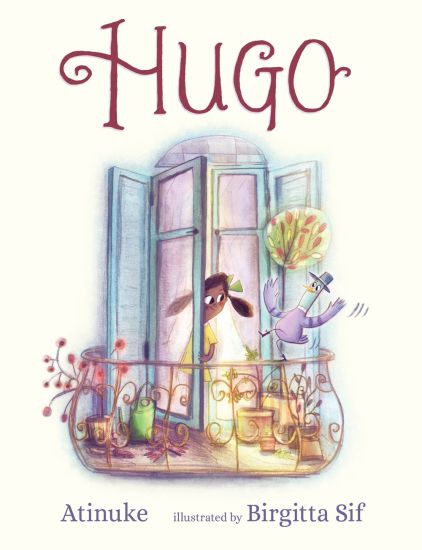
What happens when a pigeon who looks after all the visitors in the park finds himself in need? Help comes from a surprising source in a touching story of unexpected connection. Hugo the pigeon has a very important job. He is a park warden: he tends to his small Parisian park and all the people who live around it. Hugo helps the park neighbors all year long: keeping Madame Grande company as she sits in the sun, discussing the news with Monsieur Occup , entertaining little B b and Coquine so their mothers can take a rest, and flying from one apartment to the next during the winter to remind everyone that spring is coming. But one set of windows never opens for Hugo's visits. Hugo knows that Somebody is there behind the curtains, but whoever they are, they hide whenever he knocks. What will it take for the mysterious Somebody to be coaxed out to enjoy the park--and perhaps make a few friends? Award-winning author Atinuke teams up with acclaimed illustrator Birgitta Sif for a charming, joyful story of friendship, bravery, and community.

Collins Big Cat Phonics for Letters and Sounds features exciting fiction and non-fiction decodable readers to enthuse and inspire children. They are fully aligned to Letters and Sounds Phases 1–6 and contain notes in the back. The Handbooks provide support in demonstration and modelling, monitoring comprehension and expanding vocabulary. Hugo the meerkat summons his crew to prepare to fly to the moon. Discover what they find there when they land! Green/Band 5 offers early readers patterned language and varied characters. The focus sounds in this book are: /ai/ ey, a-e /ee/ ea /igh/ i, i-e /oa/ o, oe, ow, o-e /oo/ ue, ui, ew, ou, u, u-e /oo/ oul Pages 22 and 23 allow children to re-visit the content of the book, supporting comprehension skills, vocabulary development and recall. Reading notes within the book provide practical support for reading Big Cat Phonics for Letters and Sounds with children, including a list of all the sounds and words that the book will cover.
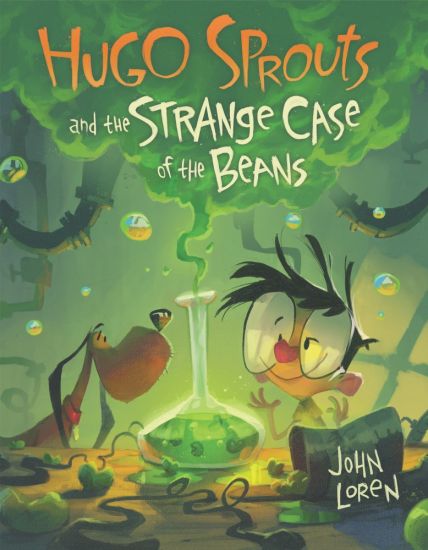
Hugo Sprouts is a fantastic tale about a boy frustrated with being small. Luckily, Hugo P. Sprouts is a mad scientist and determined to find a solution...In his lab, Hugo develops a potion and finally becomes the biggest kid in town—but also the biggest jerk around. Hugo has great power, but will he learn responsibility before it’s too late? John Loren's rhyming, invention-gone-wrong picture book is a silly, fun read-aloud full of heart. This madcap tale of a whiz-kid was partly inspired by the struggle of good and evil in Stevenson’s classic Jekyll and Hyde, with a little scoop of Godzilla for good measure.Hugo Sprouts and the Strange Case of the Beans is a celebration of curiosity and ingenuity that fans of Andrea Beaty’s Rosie Revere, Engineer and Chris Van Dusen’s If I Built a Car will love.


Hugo Young was one of Britain's most influential, respected and trusted political journalists. For decades, until his death in 2003, he talked off the record to politicians from every party, meticulously writing down everything that had been said. This selection of the best of those confidential notes offers an unparalleled insight into British political life, and is a testament to one of journalism's towering figures.
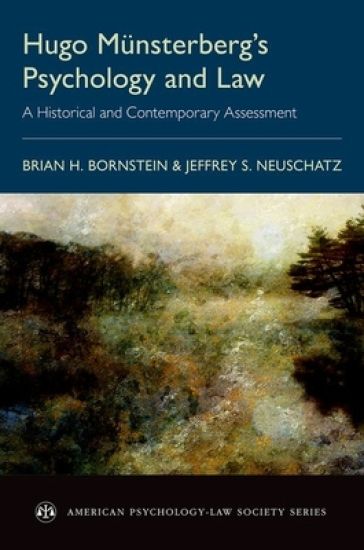
Hugo Münsterberg's Psychology and Law
Brian H. Bornstein; Jeffrey Neuschatz
Oxford University Press Inc
2019
nidottu
Though widely regarded as a founder of the modern field of psychology and law, German-American psychologist Hugo Münsterberg now century-old ideas and research approaches continue to thrive. In fact, the discipline still grapples with many of the issues raised by Münsterberg in his seminal 1908 book, On the Witness Stand. Hugo Münsterberg's Psychology and Law: A Historical and Contemporary Assessment makes Münsterberg's enduring insights available to a new generation of scholars and students and presents the "state of the science" on the very concepts that Münsterberg was one of the first to investigate. These include eyewitness memory, deception detection, false confessions, suggestibility, hypnotism, and the causes of criminal behavior. Opening with a brief biography of Münsterberg and a historical overview of the field, the book's organization closely follows that of On the Witness Stand, with each chapter providing a summary of Münsterberg's work followed by a contemporary perspective on the topic. Each chapter asks the reader to consider what we have learned since Münsterberg's time and whether subsequent research has shown him to be right or wrong. The final chapter asks what Münsterberg may have missed, and what we may be missing today. Hugo Münsterberg's Psychology and Law will be of interest to a broad range of scholars, practitioners, and professionals in the legal and mental health fields.

Hugo L. Black: Cold Steel Warrior
Oxford University Press Inc
1996
sidottu
Howard Ball explores Hugo Black's development from his childhood days growing up in Alabama to his 34 years on the United States Supreme Court. Ball illustrates who and what shaped this controversial judge to become known as one of the "ten greatest" US Supreme Court justices of American history.
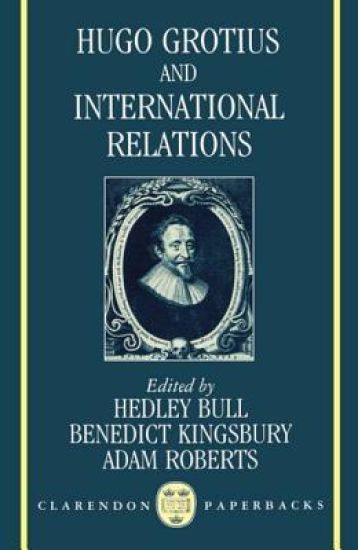
Hugo Grotius and International Relations
Clarendon Press
1992
nidottu
While the works of Hugo Grotius (1583-1645) have long been held in high esteem by international lawyers, this book addresses the broader, and neglected, theme of his contribution to the theoretical and practical aspects of international relations. It critically reappraises Grotius' thought, examining it in relation to his predecessors and in the context of the wars and controversies of his time, and assesses the strengths and weaknesses of the `Grotian' tradition of thought - one which accepts the sovereignty of states but at the same time stresses the existence of shared values and the necessity of rules.
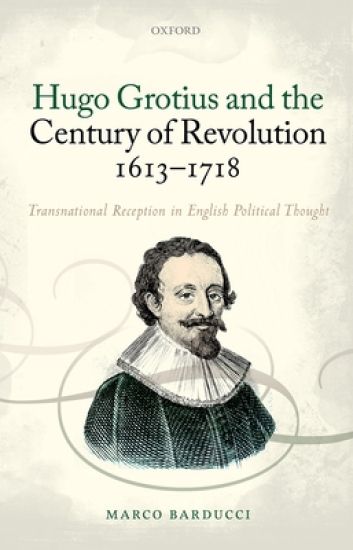
Hugo Grotius and the Century of Revolution, 1613-1718
Marco Barducci
Oxford University Press
2017
sidottu
Hugo Grotius and the Century of Revolution, 1613-1718 is a reconstruction of the way Hugo Grotius (1583-1645) was read and used by English political and religious writers in the seventeenth and early eighteenth centuries. Engaging with the reception of all of Grotius's key works and a wide range of topics, the volume has much to say about the search for peace in an age of religious conflict and about the cultural roots of the Enlightenment. Most of all, Marco Barducci aims to deepen our understanding of the connections that made English political thought part of the history of European thought. To this end, it brings together a succinct account of Grotius's own thinking on key topics, mapping these accounts within English debates, to show why his ideas were seen to be relevant at key moments; shows awareness of the possibilities for the misappropriation inherent in reception; and adds something new to our understanding of why seventeenth-century Englishmen argued in the ways that they did.
Hermann Broch (1886-1951) is remembered among English-speaking readers for his novels The Sleepwalkers and The Death of Virgil, and among German-speaking readers for his novels as well as his works on moral and political philosophy, his aesthetic theory, and his varied criticism. This study reveals Broch as a major historian as well, one who believes that true historical understanding requires the faculties of both poet and philosopher. Through an analysis of the changing thought and career of the Austrian poet, librettist, and essaist Hugo von Hofmannsthal (1874-1929), Broch attempts to define and analyze the major intellectual issues of the European fin de siecle, a period that he characterizes according to the Nietzschean concepts of the breakdown of rationality and the loss of a central value system. The result is a major examination of European thought as well as a comparative study of political systems and artistic styles.
Proben Eines Wörterbuches Der Österreichischen Volkssprache Von Hugo Mareta.
Hugo Mareta
Creative Media Partners, LLC
2018
pokkari
Hugo Münsterberg's The Photoplay (1916) is one of the first and most important early works of film theory. Münsterberg's work on the emerging art of cinema remains a key document for film scholars, but it has long been out of print. In this new edition, Allan Langdale provides a critical introduction to the seminal text and collects numerous hard-to-find writings on film by Münsterberg.

Hugo Münsterberg's The Photoplay (1916) is one of the first and most important early works of film theory. Münsterberg's work on the emerging art of cinema remains a key document for film scholars, but it has long been out of print. In this new edition, Allan Langdale provides a critical introduction to the seminal text and collects numerous hard-to-find writings on film by Münsterberg.
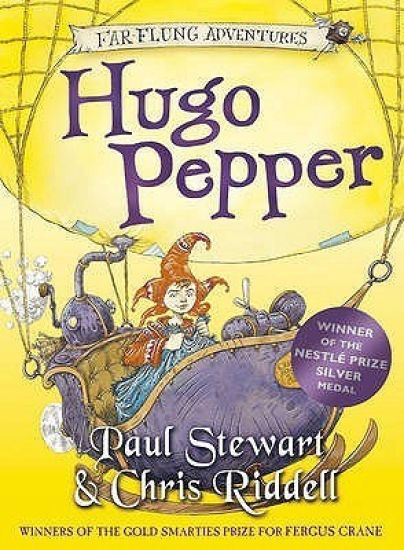
Raised in the Frozen North by reindeer herders, his parents eaten by polar bears when he was just a baby, Hugo discovers that the sled they arrived in has a very special compass - one that can be set to 'Home'.