W hrend einer Reise nach Mexiko ger t die junge, spanische Professorin f r Geschichte, Isabel M ndez, durch einen mysteri sen Steinkreis unfreiwillig in das Dunkel des Azteken-Reichs des 16. Jahrhunderts zur Zeit der spanischen Konquistadoren und grausamen Inquisition. Dort wird sie zur Gefangenen des gro en Herrschers Aztek n - und zum Spielball geheimnisvoller M chte. ber drei Jahre lang ist sie gezwungen, lebensgef hrliche Abenteuer auf sich zu nehmen, bevor sie - vielleicht - wieder in die Arme ihres geliebten Pedro Gonz les zur ckkehren darf. Die fiktionale Geschichte einer spannenden und aufregenden Zeitreise - eine fantasievolle Erz hlung, die sich an wahre Begebenheiten anlehnt.
During her search for clues into the past of her late mother, Avery James finds herself and her true talents in a Southwestern sanctuary as she becomes involved with her mother's work, friends, foes, and lovers, ultimately discovering a surprising love in the process. By the author of Bread Alone. Reader's Guide available. Reprint.
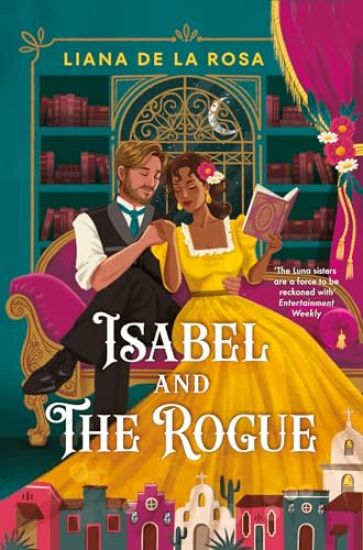
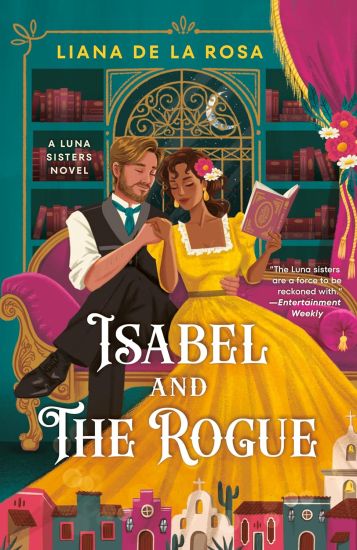
'Sisterhood, espionage, and an unstoppable romance between two passionate leads - Isabel and the Rogue is utterly delightful and charming and not to be missed!' EVIE DUNMOREA wallflower and a spy collide during the London season in this exciting new historical romance novel . . . Isabel Luna Valdés has long since resigned herself to being the 'forgotten' Luna sister. But thanks to familial connections to the Mexican ambassador in London, wallflower Isabel is poised to unearth any British intelligence hidden by the ton that might aid Mexico during the French Occupation. Though she slips easily from crowded ballrooms into libraries and private studies, Isabel's search is hampered by trysting couples and prowling rogues - including the rakish Captain Sirius Dawson. As a covert agent for the British Home Office, Sirius makes a game of earning the aristocracy's confidence. He spends his days befriending foolish politicians and seducing well-born ladies in order to learn their secrets. But after he spies a certain sharp-tongued Luna sister lurking in the shadows where no proper debutante should venture, it's clear Sirius is outmatched, outwitted, and soon to be outmanoeuvred by the one woman he can't resist. Their mutual attraction is undeniable, but when Isabel discovers private correspondence that could turn the tide of political turmoil in Mexico, she's willing to do whatever it takes to protect her country - even if this means ignoring her heart and courting danger . . .'A clever and resourceful Isabel Luna heats up the pages with a dangerously charming captain . . . an exciting and equally steamy romp!' AMALIE HOWARD'A shining star of historical romance' EVA LEIGH'Filled with history, wit, intrigue, and above all, chemistry' FELICIA GROSSMAN
Eleven-year-old Isabel is a "plain old" girl living in Provincetown, Massachusetts, who believes that she is destined to accomplish something special. When her fifth-grade class goes on a whale-watch field trip, something amazing happens: Dozens of different species of whales surround the boat, bumping the deck and sending Isabel flying into the ocean. Isabel is shocked to hear the whales speaking to her--she is a mermaid, they tell her, a "Chosen One" who has the ability to turn from a human into a whale and back again. She is destined to live among the whales long enough to learn their ways, and teach them about the human world. Living among her pod is fun, at first, but Isabel has an important mission. She will change the whales' future forever, and learn a lot about herself in the process. From the Hardcover edition.
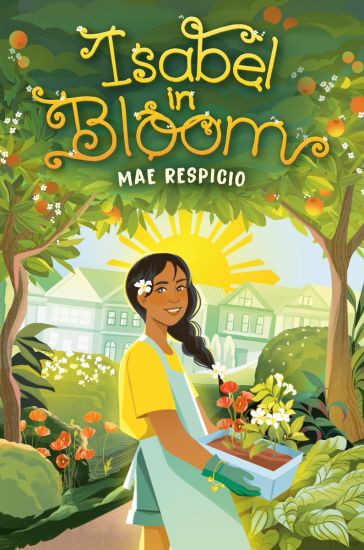
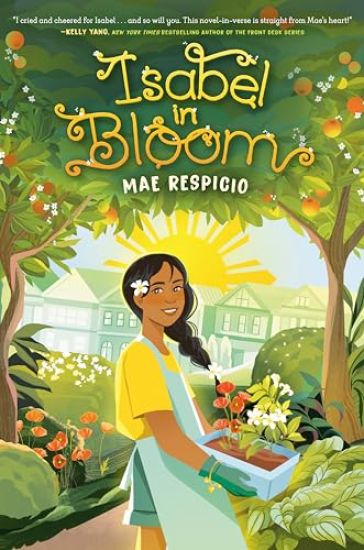
A girl discovers a connection between her home in the Philippines and her new home in the U.S. through a special garden in this middle grade novel that celebrates nourishment and growth. Twelve-year-old Isabel is the new kid in her San Francisco middle school. It's the first time in many years that she'll be living with her mother again. Mama's job in the US allowed Isabel and her grandparents to live more comfortably in the Philippines, but now Isabel doesn't really know her own mother anymore. Making new friends in a new city, a new country, is hard, but joining the gardening and cooking club at school means Isabel will begin to find her way, and maybe she too, will begin to bloom. In this beautifully rendered novel-in-verse, Mae Respicio explores how growth can take many forms, offering both the challenges and joy of new beginnings.
A middle-school girl discovers a connection between her home in the Philippines and her new home in the U.S. through a special garden in "this sweet and heartfelt novel that] explores how bumpy beginnings can offer chances for new growth" (The New York Times) A National Council of Teachers of English Recommended Book Twelve-year-old Isabel is the new kid in her San Francisco middle school. It's the first time in many years that she'll be living with her mother again. Mama's job in the US allowed Isabel and her grandparents to live more comfortably in the Philippines, but now Isabel doesn't really know her own mother anymore. Making new friends in a new city, a new country, is hard, but joining the gardening and cooking club at school means Isabel will begin to find her way, and maybe she too, will begin to bloom. In this beautifully rendered novel-in-verse, Mae Respicio explores how growth can take many forms, offering both the challenges and joy of new beginnings.
A girl discovers a connection between her home in the Philippines and her new home in the U.S. through a special garden in this middle grade novel that celebrates nourishment and growth. Twelve-year-old Isabel is the new kid in her San Francisco middle school. It's the first time in many years that she'll be living with her mother again. Mama's job in the US allowed Isabel and her grandparents to live more comfortably in the Philippines, but now Isabel doesn't really know her own mother anymore. Making new friends in a new city, a new country, is hard, but joining the gardening and cooking club at school means Isabel will begin to find her way, and maybe she too, will begin to bloom. In this beautifully rendered novel-in-verse, Mae Respicio explores how growth can take many forms, offering both the challenges and joy of new beginnings.
When a Mexican heiress defies Victorian society to protect her country a British war hero makes it his new mission to protect her... Isabel Luna Vald s has long since resigned herself to being the "forgotten" Luna sister. But thanks to familial connections to the Mexican ambassador in London, wallflower Isabel is poised to unearth any British intelligence hidden by the ton that might aid Mexico during the French Occupation. Though she slips easily from crowded ballrooms into libraries and private studies, Isabel's search is hampered by trysting couples and prowling rogues--including the rakish Captain Sirius Dawson. As a covert agent for the British Home Office, Sirius makes a game of earning the aristocracy's confidence. He spends his days befriending foolish politicians and seducing well-born ladies in order to learn their secrets. But after he spies a certain sharp-tongued Luna sister lurking in the shadows where no proper debutante should venture, it's clear Sirius is outmatched, outwitted, and soon to be outmaneuvered by the one woman he can't resist. Their mutual attraction is undeniable, but when Isabel discovers private correspondence that could turn the tide of political turmoil in Mexico, she's willing to do whatever it takes to protect her country--even if this means ignoring her heart and courting danger...
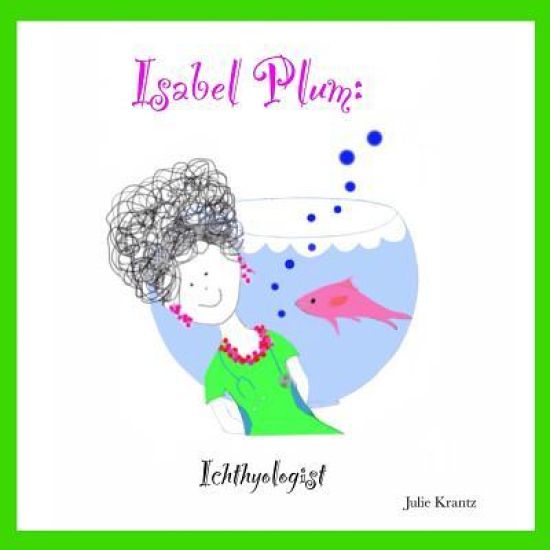
Isabel Plum likes getting way. And-right here, right now-that means getting a cute and cuddly puppy. There's only one problem: Isabel is allergic. See what happens when Isabel's disappointment leads to an important discovery-one this single-minded heroine least expects Fans of classics like Eloise and Madeline, as well as contemporary favorites like Fancy Nancy and Olivia, will find much to admire in Ms. Krantz's lively children's books.The award-winning author of four outstanding children's picture books as well as the acclaimed middle grade novel, Stella Bellarosa: Tales of an Aspiring Teenage Superhero, Ms. Krantz often describes herself as "one of those geeky kids who headed to the library for a good time." A budding author at age thirteen, she published an article in the Riverton, NJ newspaper about her school's first vending machine.Ms. Krantz is active in various print and online forums, where her work can be found in places as diverse as Spider Magazine, the SCBWI National Bulletin and on Amazon. Her first picture book, ISABEL PLUM: ICHTHYOLOGIST, was published in January of 2014, followed by Tip & Oliver: BFFs and BLUEBERRY MOON, both released in January 2015. YOGABETS, her newest picture book, will be released in April of 2015.Visit her at http: //www.amazon.com/Julie-Krantz/e/B00996YNZ4/ and http: //www.juliekrantz.wordpress.com to learn more about her poetry, picture books and novels.
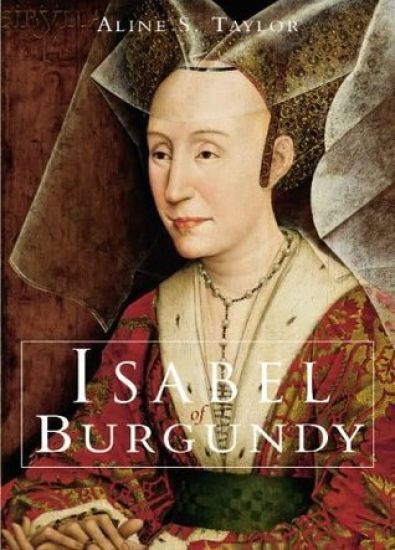
Isabel (1397-1471), third wife of Philip the Good Duke of Burgundy, played a powerful role in the court politics and foreign affairs of this small duchy until her machinations led to her banishment. Taylor's accessible narrative history sets Isabel's life and her struggles for personal and financial independence against the fascinating backdrop of civil war, family feuds and warfare, notably Burgundy's betrayal of Joan of Arc.
Isabel is a glamorous blonde with a sensational past; Harriet is a bookish single would-be writer who never takes risks - except once. That risk is to answer an advert; Isabel wants to tell her story and only a ghostwriter, constantly on-hand in her luxurious Cape Cod hideaway, will be able to do it for her. The job goes to Harriet, who quickly discovers that living with Isabel is a lesson - in sex-appeal, in secrets and in seizing the moment - she's needed all her life.
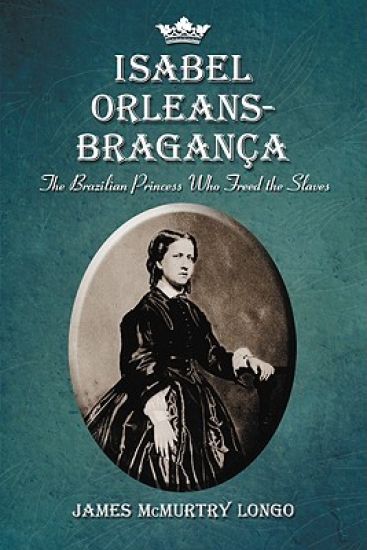
This is a biography of Isabel Orleans-Braganca, daughter of the last emperor of Brazil. At a time when the voices of women went mostly unheard, Orleans-Braganca was a skilled and vocal politician. She was also a determined abolitionist, committed to peacefully ending slavery in the country that first introduced slavery to America. Thrust into the political spotlight after the death of her two brothers and illness of her father, Orleans-Braganca became acting head of state just as revolution was sweeping the country. She soon found herself in a race to save the constitutional government and free the nation's slaves before a coup d'etat ended her time in power.
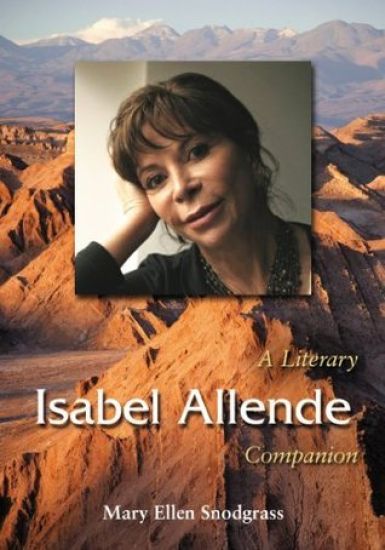
Isabel Allende--"la Famosa" to her fellow Chileans--is the world's most widely read Spanish language author. Her career coincides with the emergence of multiculturalism and global feminism, and her powerfully honest, revelatory works touch the pulse points of humankind. Her bravura study of the interwoven roles of women in family history opens the minds of outsiders to the sufferings of women and their children during years of social and political nightmare. This reference work provides an introduction to Allende's life as well as a guided overview of her body of work. Designed for the fan and scholar alike, this text features an alphabetized, fully-annotated listing of major terms in the Allende canon, including fictional characters, motifs, historical events and themes. A comprehensive index is included.
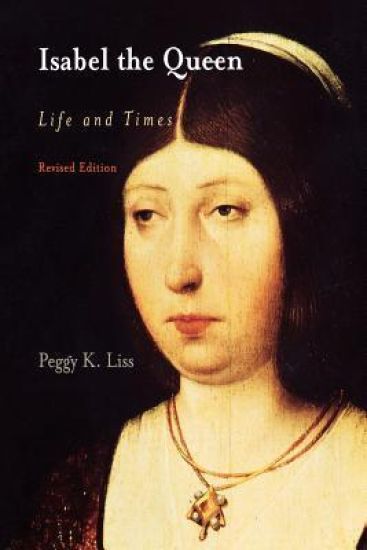
Queen Isabel of Castile is perhaps best known for her patronage of Christopher Columbus and for the religious zeal that led to the Spanish Inquisition, the waging of holy war, and the expulsion of Jews and Muslims across the Iberian peninsula. In this sweeping biography, newly revised and annotated to coincide with the five-hundredth anniversary of Isabel's death, Peggy K. Liss draws upon a rich array of sources to untangle the facts, legends, and fiercely held opinions about this influential queen and her decisive role in the tumultuous politics of early modern Spain. Isabel the Queen reveals a monarch who was a woman of ruthless determination and strong religious beliefs, a devoted wife and mother, and a formidable leader. As Liss shows, Isabel's piety and political ambition motivated her throughout her life, from her earliest struggles to claim her crown to her secret marriage to King Fernando of Aragón, a union that brought success in civil war, consolidated Christian hegemony over the Iberian peninsula, and set the stage for Spain to become a world empire.
The movement to canonise the Catholic Queen Isabel has recently been revived and, therefore, this detailed and original scrutiny of both Isabel and the power she wielded is timely. Of special interest to Weissberger is the relationship between sexuality and power in 15th-century Spain, in particular the anxiety felt at the time about the nature of male and female sexuality. This created a conflict in the minds of Isabel's subjects in their perception of their queen as both spiritual and political leader and as a weak and corrupt woman. Drawing on documentary and literary accounts, Weissberger discusses male anxiety about Isabel, Isabel's type of sovereignty, effeminacy in historiography, Isabel's patronage of the arts and Juan de Flores' treatment of the mad queen. An innovative and interesting approach to a remarkable woman.
A deconstruction of the strategies used to shape the image of a powerful woman rulerAs queen of Spain, Isabel I of Castile (known to history as Isabella the Catholic, 1474–1504) oversaw the creation of Europe’s first nation-state and laid the foundations for its emergence as the largest empire the West has ever known-nearly a century before the better-known and more widely studied Elizabeth I of England. What we know of this remarkable ruler is typically gleaned from hagiographic texts that negate her power and accept her own propagandistic self-fashioning as legitimate heir, pious princess, devoted wife, and heaven-sent healer of the wounds inflicted on Spain’s body politic by impotent kings, seditious nobles, and such undesirable others as Jews, Muslims, and sodomites. Isabel Rules is the first book to examine the formation of the queen’s public image, focusing on strategies designed to cope with the ideological and cultural dissonance created by the combination of her gender and her profoundly patriarchal political program for unifying and purifying Spain.Barbara Weissberger identifies two primary and interrelated strategies among the supporters of the queen-often writing in her employ-and her critics. Her loyalists use Marian imagery to portray Isabel as a pious, chaste, and submissive queen consort to her husband Ferdinand, while her opponents imagine the queen as a voracious and lascivious whore whose illicit power threatens the virility of her male subjects and inverts the traditional gender hierarchy. Weissberger applies a materialist feminist perspective to a wide array of texts of the second half of the fifteenth century in order to uncover and study the masculine psychosexual anxiety created by Isabel’s anomalous power. She then demonstrates the persistence of the two sides of the propagandistic construction of the Catholic queen, reviewing modern treatments in Francoist schoolbooks and in the fiction of Juan Goytisolo, Alejo Carpentier, and Salman Rushdie.