When it was originally published in 1986, this book was the first full-length study of Farrell’s fiction. Ronald Binns provides a comprehensive account of the development of this idiosyncratic Anglo-Irish novelist’s career. Farrell’s Empire trilogy was one of the most ambitious literary projects of the 20th Century and Binns examines in detail its component parts – Troubles, The Siege of Krishnapur and The Singapore Grip – showing their structural links and discussing Farrell’s use both of historical materials and of parody, pastiche and symbol in his ironic vision of the end of the empire.
When it was originally published in 1986, this book was the first full-length study of Farrell’s fiction. Ronald Binns provides a comprehensive account of the development of this idiosyncratic Anglo-Irish novelist’s career. Farrell’s Empire trilogy was one of the most ambitious literary projects of the 20th Century and Binns examines in detail its component parts – Troubles, The Siege of Krishnapur and The Singapore Grip – showing their structural links and discussing Farrell’s use both of historical materials and of parody, pastiche and symbol in his ironic vision of the end of the empire.
Providing an extensive reassessment of dominant and recurring themes in Ballard's writing, including historical violence, pornography, post 9/11 politics, and urban space, this book also engages with Ballard's 'late' modernism; his experimentation with style and form; and his sustained interests in psychology and psychopathology.
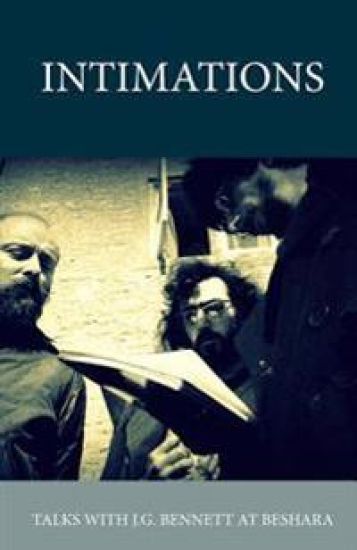
In the few months before his death in Paris on October 29th, 1949, Gurdjieff's flat in the Rue des Colonels R nard became the centre of his teaching. Followers of his ideas came to be with him at his table. They came to work - but in a way they could not expect. At the centre of what happened were the meals with their extraordinary rituals. Of these rituals, perhaps the most significant was the one known as the 'toast of the idiots'. The 'science of idiotism' that Gurdjieff taught portrayed the whole human situation and the hazards of attaining liberation. Day after day, Elizabeth Bennett sat with Gurdjieff, often as 'Director', having the task of declaring the right toast at the correct moment and proposing the health of corresponding individuals. Her observations are meticulously recorded in these diaries and woven together with J.G. Bennett's own commentary. The record of Mr. Bennett's struggles are a teaching in itself. There are few explanations, because this is how it really was. We are afforded a unique glimpse into the methods of a Master and much that can shatter our illusions about the nature of the spiritual life. Gurdjieff subtly revealed his mission to those who could know it. To each he gave according to capacity, never failing to strike at the very roots of self-deception in his followers. Elizabeth Bennett was born in 1918, and died 1991. The present work is a direct transcript of a diary she kept during the last 3 months of Gurdjieff's life in 1949. A fuller account of her own life is provided in her memoirs, entitled "My Life: J.G. Bennett and G.I. Gurdjieff" written in the years before her own death. Although she taught many people in her later years, she refused the title of teacher and taught by the example of humility, courage and common sense in the hard and demanding path she chose for herself.
J.G. Ballard's Crash (1973) remains a byword for transgression in literature: declared 'too disgusting for words' upon publication. The basis for David Cronenberg's equally provocative film, Crash has been regarded variously as the apotheosis of New Wave science fiction, the ur-source for postmodernism, a transhumanist manifesto, and a pornographic masterpiece in the tradition of Sade and Bataille. This revisionist account, based on previously unexplored archive material, shatters the myths that have accrued around this tantalising work whilst also revealing why it continues to inspire writers, artists, musicians and filmmakers in the 21st century. The book vividly reconstructs how Ballard came to write Crash, the cultural landscape in which it was written, the effect of its reception, and the toll it took on its author. New perspectives reveal how Crash reworks surrealist anthropology, evolutionary theory, and pornographic imagery in order to expose a society addicted to the abuse of power, the silencing of others, and its own environmental destruction. As Ballard later admitted, he 'must have been mad' to write Crash.