Kirjojen hintavertailu. Mukana 11 244 527 kirjaa ja 12 kauppaa.

Kirjahaku

Etsi kirjoja tekijän nimen, kirjan nimen tai ISBN:n perusteella.

1000 tulosta hakusanalla Jack Edwards

Blood in the Wilderness

Blood in the Wilderness

Jack Edward Shay

Xlibris Us
1998
sidottu
Early August, 1799. A wilderness clearing along the Mud River...a few miles northeast of Russellville, a small town in the vast, nearly unbroken frontier of western Kentucky. A pioneer family has stopped to rest. Two men. Three women. Three babies. A string of pack horses. It has been an exhausting journey, a dangerous one at times. The men are about thirty, the women some five to ten years younger. Each woman has a baby, her own child. The children, two girls and a boy, range from four to six months in age. The day is hot. The shallow river is cool. Shade trees provide a measure of relief from the sticky humidity, the baking heat. The men stretch out along the banks of the river. The women tend to their children's needs, then place them down and stretch out themselves. Everyone drinks from the stream. They have been traveling forever. Or, at least, it seems that way. They're tired. They just want to rest before they must move out again, always pushing on, always in search of their destination in an unforgivingly harsh wilderness, battling tremendous odds against their very survival. They carry all their worldly possessions with them. True pioneers, they live off the land, taking from it what they need to eke out another day of life in the new American world of democracy and free enterprise. Suddenly, one of the babies cries. It is one of the girls, this one only four months old. One of the men rouses himself from his rest. He makes his way to the crying infant. The man is both a husband and a father, and he is with his family. A touching scene seems about to ensue. A father lovingly tending his irritable child all alone in the wilderness. A loving man doting on his daughter's needs. He picks the child up. But this is no ordinary family. And this is no ordinary man. The man is Micajah Harp, and he is wanted by the law. Even at this moment, there is a price on his head, and posses are after him. They might hear the wail of the infant and swoop down on the family and arrest them. Micajah must do something. He must silence the baby. He picks the child up by her feet and swings her against the side of the tree. Her head smashes against the unrelenting wood. The breath of life leaves her instantly. He then tosses the lifeless body into the woods. He signals the rest of the family to rise to their feet. They do so, and the family moves deeper into the wilderness. They are the Harps. America's first and most brutal serial killers. God help anyone who gets in their way.*********************************************************** They were "the most brutal monsters of the human race" to those who knew them...ruthless and indiscriminate barbarians terrorizing an innocent America...unconscionable brutes inflicting savagery upon anyone they encountered. They sought little in life save the very survival necessary to maintain their bloodlust. It mattered little where or with whom they lived. They cheated and tormented at will and killed for the sake of killing. Their adult lives became a continual exercise in abject, unrepentant evil. During a reign of horror engulfing Kentucky, Tennessee, and Illinois, they became the scourge of the late 18th-century American frontier. They killed anywhere from two dozen to four dozen men, women, and children before justice caught up with them. They were the historical prototypes of later killers - Billy the Kid, Bonnie and Clyde, and Jeffrey Dahmer - but they far exceeded them in brutality and criminal enormity. They were the Harps...Micajah, the older and bigger; Wiley, the younger and smaller...Big Harp and Little Harp, as they were commonly called. And they were America's first serial killers. This is their story. "Blood in the Wilderness: The Story of the Harps, America's First Serial Killers" includes a bibliography of seventy-five sources. It results from years of research and visits to all the sites associated with t
Blood in the Wilderness

Blood in the Wilderness

Jack Edward Shay

Xlibris Us
1998
pokkari
Early August, 1799. A wilderness clearing along the Mud River...a few miles northeast of Russellville, a small town in the vast, nearly unbroken frontier of western Kentucky. A pioneer family has stopped to rest. Two men. Three women. Three babies. A string of pack horses. It has been an exhausting journey, a dangerous one at times. The men are about thirty, the women some five to ten years younger. Each woman has a baby, her own child. The children, two girls and a boy, range from four to six months in age. The day is hot. The shallow river is cool. Shade trees provide a measure of relief from the sticky humidity, the baking heat. The men stretch out along the banks of the river. The women tend to their children's needs, then place them down and stretch out themselves. Everyone drinks from the stream. They have been traveling forever. Or, at least, it seems that way. They're tired. They just want to rest before they must move out again, always pushing on, always in search of their destination in an unforgivingly harsh wilderness, battling tremendous odds against their very survival. They carry all their worldly possessions with them. True pioneers, they live off the land, taking from it what they need to eke out another day of life in the new American world of democracy and free enterprise. Suddenly, one of the babies cries. It is one of the girls, this one only four months old. One of the men rouses himself from his rest. He makes his way to the crying infant. The man is both a husband and a father, and he is with his family. A touching scene seems about to ensue. A father lovingly tending his irritable child all alone in the wilderness. A loving man doting on his daughter's needs. He picks the child up. But this is no ordinary family. And this is no ordinary man. The man is Micajah Harp, and he is wanted by the law. Even at this moment, there is a price on his head, and posses are after him. They might hear the wail of the infant and swoop down on the family and arrest them. Micajah must do something. He must silence the baby. He picks the child up by her feet and swings her against the side of the tree. Her head smashes against the unrelenting wood. The breath of life leaves her instantly. He then tosses the lifeless body into the woods. He signals the rest of the family to rise to their feet. They do so, and the family moves deeper into the wilderness. They are the Harps. America's first and most brutal serial killers. God help anyone who gets in their way.*********************************************************** They were "the most brutal monsters of the human race" to those who knew them...ruthless and indiscriminate barbarians terrorizing an innocent America...unconscionable brutes inflicting savagery upon anyone they encountered. They sought little in life save the very survival necessary to maintain their bloodlust. It mattered little where or with whom they lived. They cheated and tormented at will and killed for the sake of killing. Their adult lives became a continual exercise in abject, unrepentant evil. During a reign of horror engulfing Kentucky, Tennessee, and Illinois, they became the scourge of the late 18th-century American frontier. They killed anywhere from two dozen to four dozen men, women, and children before justice caught up with them. They were the historical prototypes of later killers - Billy the Kid, Bonnie and Clyde, and Jeffrey Dahmer - but they far exceeded them in brutality and criminal enormity. They were the Harps...Micajah, the older and bigger; Wiley, the younger and smaller...Big Harp and Little Harp, as they were commonly called. And they were America's first serial killers. This is their story. "Blood in the Wilderness: The Story of the Harps, America's First Serial Killers" includes a bibliography of seventy-five sources. It results from years of research and visits to all the sites associated with t
Bluegrass Gospel

Bluegrass Gospel

Jack Edward Bernhardt; Bill C. Malone; Marty Stuart

UNIVERSITY PRESS OF MISSISSIPPI
2025
sidottu
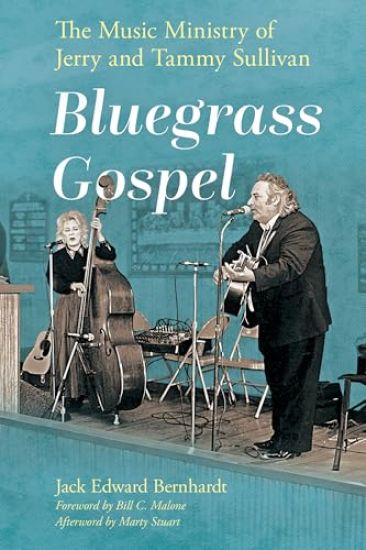
Heavily influenced by Bill Monroe, the "Father of Bluegrass" in the 1940s and ’50s, gospel music in the South began to shift into bluegrass gospel, a style that combines both genres. In Bluegrass Gospel: The Music Ministry of Jerry and Tammy Sullivan, anthropologist and journalist Jack Edward Bernhardt explores the lives, music, and ministry of acclaimed father-daughter bluegrass gospel performers and recording artists Jerry (1933–2014) and Tammy Sullivan (1964–2017) of southwest Alabama. Beginning in 1993, Bernhardt lived and traveled with the Sullivans as they took their music and testimony along bumpy back roads to backwoods sanctuaries from the Florida Panhandle to Mississippi, Louisiana’s bayous, Texas, Arkansas, and beyond. The author’s compelling narrative combines long-term fieldwork with extensive oral histories, archival research, photography, and tape recordings of the Sullivans’ music and testimonies in secular and sacred contexts. Bernhardt describes in vivid detail the challenges of life on the road through unforeseen circumstances and the financial uncertainty of performing for pass-the-collection-basket "love offerings," while remaining committed to doing the work they felt called to do. In an afterword by Marty Stuart, Jerry’s friend and cowriter of the 1995 Grammy-nominated "At the Feet of God," Stuart recounts his experiences playing mandolin with the Sullivan Family on the "Brush Arbor Trail" as a talented, wide-eyed twelve-year-old. In the penultimate chapter, Bernhardt accompanies Tammy’s widower, Jonathan Causey, and their son, Jon Gideon, to churches along the same gospel trail blazed by Jerry and Tammy. With their own music ministry, the Causeys continue the legacy of song and testimony the Sullivans pursued for thirty-five years. Ultimately, Bernhardt reflects on how his relationship with the Sullivans led to friendship and mutual respect for cultural differences that endure through time. The result is an intimate portrayal of life, faith, and family-based music ministry in the South today as in the past.
Bluegrass Gospel

Bluegrass Gospel

Jack Edward Bernhardt; Bill C. Malone; Marty Stuart

UNIVERSITY PRESS OF MISSISSIPPI
2025
pokkari
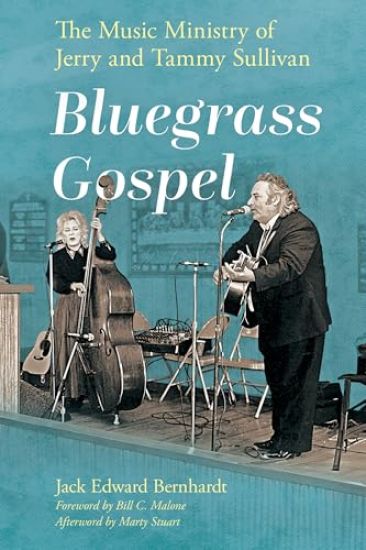
Heavily influenced by Bill Monroe, the "Father of Bluegrass" in the 1940s and ’50s, gospel music in the South began to shift into bluegrass gospel, a style that combines both genres. In Bluegrass Gospel: The Music Ministry of Jerry and Tammy Sullivan, anthropologist and journalist Jack Edward Bernhardt explores the lives, music, and ministry of acclaimed father-daughter bluegrass gospel performers and recording artists Jerry (1933–2014) and Tammy Sullivan (1964–2017) of southwest Alabama. Beginning in 1993, Bernhardt lived and traveled with the Sullivans as they took their music and testimony along bumpy back roads to backwoods sanctuaries from the Florida Panhandle to Mississippi, Louisiana’s bayous, Texas, Arkansas, and beyond. The author’s compelling narrative combines long-term fieldwork with extensive oral histories, archival research, photography, and tape recordings of the Sullivans’ music and testimonies in secular and sacred contexts. Bernhardt describes in vivid detail the challenges of life on the road through unforeseen circumstances and the financial uncertainty of performing for pass-the-collection-basket "love offerings," while remaining committed to doing the work they felt called to do. In an afterword by Marty Stuart, Jerry’s friend and cowriter of the 1995 Grammy-nominated "At the Feet of God," Stuart recounts his experiences playing mandolin with the Sullivan Family on the "Brush Arbor Trail" as a talented, wide-eyed twelve-year-old. In the penultimate chapter, Bernhardt accompanies Tammy’s widower, Jonathan Causey, and their son, Jon Gideon, to churches along the same gospel trail blazed by Jerry and Tammy. With their own music ministry, the Causeys continue the legacy of song and testimony the Sullivans pursued for thirty-five years. Ultimately, Bernhardt reflects on how his relationship with the Sullivans led to friendship and mutual respect for cultural differences that endure through time. The result is an intimate portrayal of life, faith, and family-based music ministry in the South today as in the past.
Code Name

Code Name

Jack Edward Barrett

iUniverse
2018
pokkari
Jonathan St. Honore is a federal narcotics agent living a nightmare within the dark walls of a Saigon prison. He has been convicted of murdering a crewman after he intercepted a fishing boat he suspected was smuggling opium into the country that instead turned out to be pure gold. Even as he is ruthlessly tortured, Jonathan refuses to reveal where he has hidden what everyone believes to be narcotics worth millions of dollars. As a result, he is left behind to rot in prison at wars end. As time passes, the CIA and an influential senator on track to become the next president of the United States finally step in to help. As a spectacular rescue mission unfolds that leaves five grisly murders in its wake and instigates an attack that threatens to ignite World War III, now only time will tell if both Jonathan and the vast fortune will finally be liberated or if he will die in prison. Code Name: C.I.N.D.E.R. shares a thrilling tale of the intrigue, murder, and greed that unfolds after an American holding an enormous secret is left in Vietnam at the close of the war.
Code Name

Code Name

Jack Edward Barrett

iUniverse
2018
sidottu
Jonathan St. Honore is a federal narcotics agent living a nightmare within the dark walls of a Saigon prison. He has been convicted of murdering a crewman after he intercepted a fishing boat he suspected was smuggling opium into the country that instead turned out to be pure gold. Even as he is ruthlessly tortured, Jonathan refuses to reveal where he has hidden what everyone believes to be narcotics worth millions of dollars. As a result, he is left behind to rot in prison at wars end. As time passes, the CIA and an influential senator on track to become the next president of the United States finally step in to help. As a spectacular rescue mission unfolds that leaves five grisly murders in its wake and instigates an attack that threatens to ignite World War III, now only time will tell if both Jonathan and the vast fortune will finally be liberated or if he will die in prison. Code Name: C.I.N.D.E.R. shares a thrilling tale of the intrigue, murder, and greed that unfolds after an American holding an enormous secret is left in Vietnam at the close of the war.