

Kirjahaku
Etsi kirjoja tekijän nimen, kirjan nimen tai ISBN:n perusteella.
1000 tulosta hakusanalla Jon Lewis
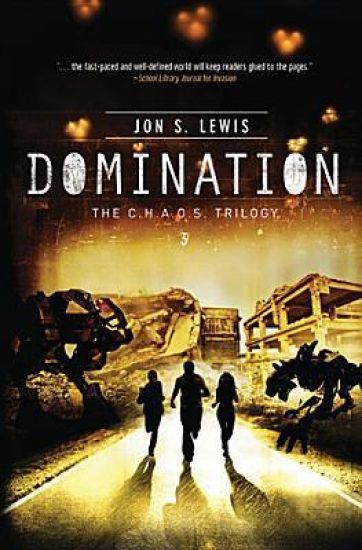
THEIR GOAL IS SIMPLE: TOTAL DOMINATION. With six arms and jaws that can snap a man in two, the warmongering race of aliens known as the Thule has conquered every planet they’ve attacked. And now their invasion of Earth has begun.Humanity’s only hope springs from a mysterious Thule legend about a Betrayer, who they believe will rise up and destroy their people. The American government tried to manufacture their own Betrayer by injecting children with Thule blood but time after time the experiment failed . . . until Colt McAlister.A decade later, Colt is a 16-year-old cadet at the CHAOS Military Academy where he’s training to defend mankind. But he’s afraid that the alien blood may be turning him into a Thule—and he’s beginning to suspect that fulfilling his role as the Betrayer may cost him everything.Experience a cosmic battle filled with high-tech gear, gateways to other planets, and ultimate stakes. Not everyone will survive. But heroes will rise up and step into their destiny in this earth-shaking conclusion to the C.H.A.O.S trilogy.

Yours Very Sincerely C. L. Dodgson – (Alias "Lewis Carroll")
Jon A. Lindseth; Carol Zeman Rothkopf
GROLIER CLUB OF NEW YORK
1998
nidottu
This catalogue accompanied a 1998 Grolier Club exhibition commemorating the hundredth anniversary of Lewis Carroll’s death. In addition to describing 70 books, photographs, letters, and ephemera from the Jon A. Lindseth collection of C. L. Dodgson and Lewis Carroll, the catalogue has articles by Lewis Carroll scholars: Edward Guiliano, Selwyn H. Goodacre, Edward Wakeling, Morton N. Cohen, and Charles C. Lovett.

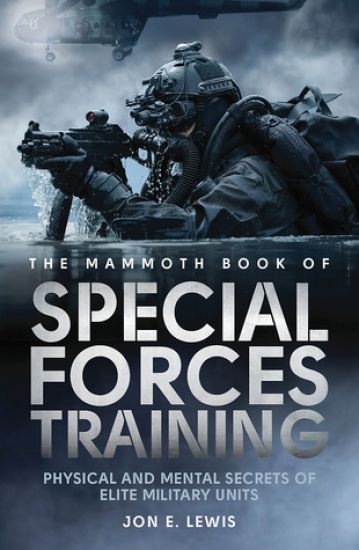
What does it take, both physically and mentally, to join the world's most respected -- and feared -- military units? Lewis looks at the origins, training, tactics, weapons, and achievements of regiments such as Britain's SAS and Paratroopers, the US Navy SEALS, Delta Force, Army Rangers and Green Berets, Russia's Spetsnaz, and the Israeli Special Forces, as well as the codes that bind their members together. He looks at training in everything from wilderness survival to hand-to-hand combat.
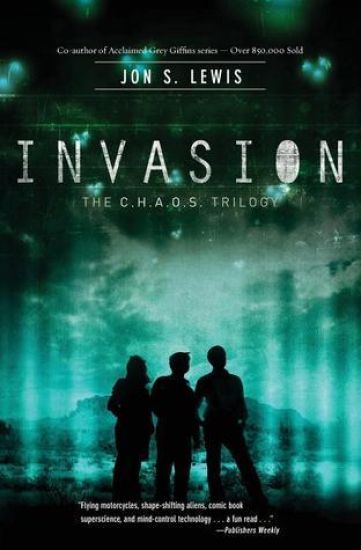
He didn't ask to be a hero, but now all that stands between us and chaos . . . is Colt.Colt McAlister was having the summer of his life. He spent his days surfing and his nights playing guitar on the beach with friends. He even met a girl and got his first car. But everything changes when his parents are killed in a freak accident.He's forced to leave his old life behind and move to Arizona with his grandfather. The only person he knows at the new high school is a childhood friend named Dani. And Oz, a guy he's sure he's never met but who is strangely familiar. But what if his parents' death wasn't an accident? His mother, an investigative reporter, was going to expose a secret mind-control program run by one of the world's largest companies. Before she could release the story, what if agents from Trident Biotech made sure she couldn't go public?Vowing to uncover truth, Colt is drawn into a secret world of aliens, shapeshifters, flying motorcycles, and invisible getaways. The invasion has begun.

Earth’s last line of defense against the coming alien invasion is 16-year-old surfer Colt McAlister.But before he can save the world, he has to survive the day.All Colt wants to do is return to his old life . . . where aliens don’t exist . . . where mankind hasn’t been targeted for destruction . . . and where his parents are still alive. Unfortunately life doesn’t work that way.The United States government believes Colt holds the key to our survival, so they’re sending him to the CHAOS Military Academy along with his best friends Oz and Danielle. There they’ll be trained to defend Earth against a swarm of alien shape shifters known as the Thule. But someone is trying to eliminate Colt before he can lead that charge. Shocked to learn about key events in his past and unsure who he can trust, he is alienated and on the run.In a world of high-tech gear, shape-shifting aliens, simulated reality, and hover boards, Colt must step into his true destiny before our world falls into chaos.“Non-stop, action-packed thrills and excitement made it impossible to put down . . . [a] cliffhanger that left me wanting more.” —SciFiChick.com
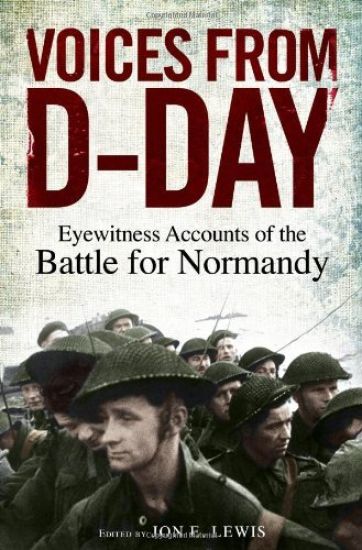
Eyewitness accounts of the Battle for Normandy
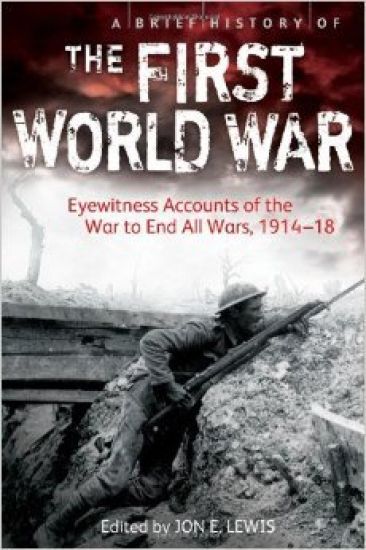
The First World War in vivid, personal detail, in the voices of those who lived it
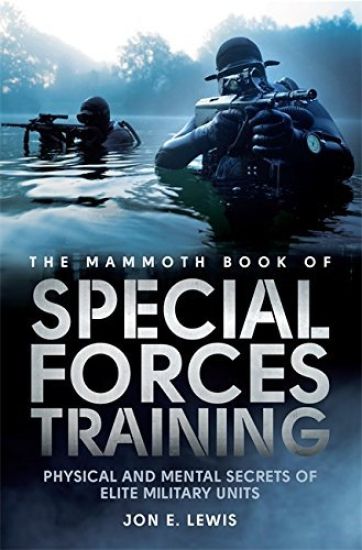
What does it take, both physically and mentally, to join the worldâ??s most respected â?? and feared â?? military units?
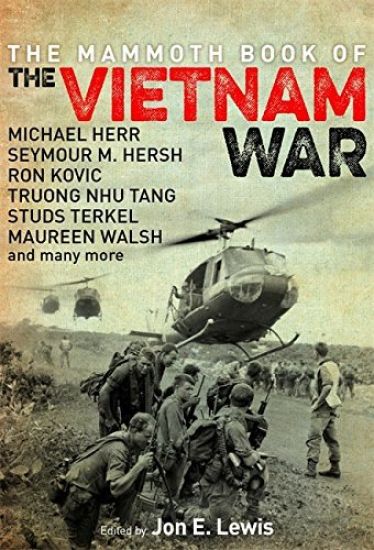
By 1969, following the French defeat at Dien Bien Phu, over 500,000 US troops were ‘in country’ in Vietnam. Before America’s longest war had ended with the fall of Saigon in 1975, 450,000 Vietnamese had died, along with 36,000 Americans. The Vietnam War was the first rock ’n’ roll war, the first helicopter war with its doctrine of ‘airmobility’, and the first television war; it made napalm and the defoliant Agent Orange infamous, and gave us the New Journalism of Michael Herr and others. It also saw the establishment of the Navy SEALs and Delta Force. At home, America fractured, with the peace movement protesting against the war; at Kent State University, Ohio National Guardsmen fired on unarmed students, killing four and injuring nine. Lewis’s compelling selection of the best writing to come out of a war covered by some truly outstanding writers, both journalists and combatants, includes an eyewitness account of the first major battle between the US Army and the People’s Army of Vietnam at Ia Drang; a selection of letters home; Nicholas Tomalin’s famous ‘The General Goes Zapping Charlie Cong’; Robert Mason’s ‘R&R’, Studs Terkel’s account of the police breaking up an anti-war protest; John Kifner on the shootings at Kent State; Ron Kovic’s ‘Born on the Fourth of July’; John T. Wheeler’s ‘Khe Sanh: Live in the V Ring’; Pulitzer Prize-winner Seymour Hersh on the massacre at My Lai; Michael Herr’s ‘It Made You Feel Omni’; Viet Cong Truong Nhu Tang’s memoir; naval nurse Maureen Walsh’s memoir, ‘Burning Flesh’; John Pilger on the fall of Saigon; and Tim O’Brien’s ‘If I Die in a Combat Zone’.
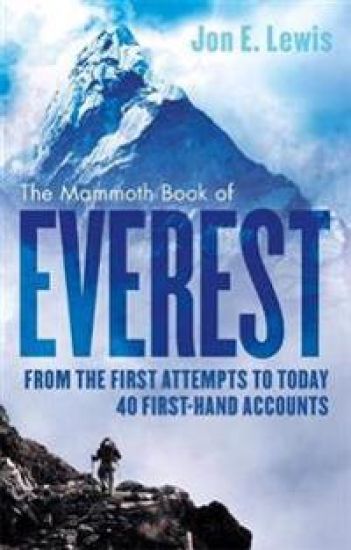
40 eyewitness accounts from the first attempts on the summit in the 1920s to the disasters of 2014
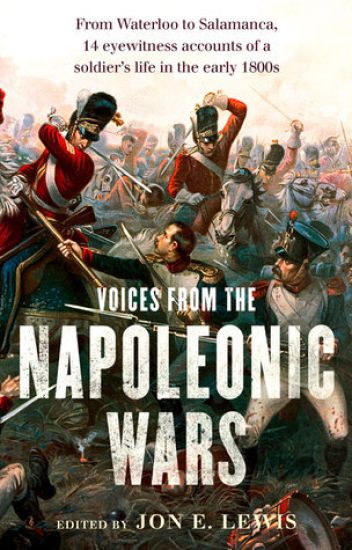
Voices from the Napoleonic Wars reveals in telling detail the harsh lives of soldiers at the turn of the eighteenth century and in the early years of the nineteenth - the poor food and brutal discipline they endured, along with the forced marches and bloody, hand-to-hand combat. Contemporaries were mesmerised by Napoleon, and with good reason: in 1812, he had an unprecedented million men and more under arms. His new model army of volunteers and conscripts at epic battles such as Austerlitz, Salamanca, Borodino, Jena and, of course, Waterloo marked the beginning of modern warfare, the road to the Sommes and Stalingrad. The citizen-in-arms of Napoleon's Grande Armée and other armies of the time gave rise to a distinct body of soldiers' personal memoirs. The personal accounts that Jon E. Lewis has selected from these memoirs, as well as from letters and diaries, include those of Rifleman Harris fighting in the Peninsular Wars, and Captain Alexander Cavalie Mercer of the Royal Horse Artillery at Waterloo. They cover the land campaigns of the French Revolutionary Wars (1739-1802), the Napoleonic Wars (1803-1815) and the War of 1812 (1812-1815), in North America. This was the age of cavalry charges, of horse-drawn artillery, of muskets and hand-to-hand combat with sabres and bayonets. It was an era in which inspirational leadership and patriotic common cause counted for much at close quarters on chaotic and bloody battlefields. The men who wrote these accounts were directly involved in the sweeping campaigns and climactic battles that set Europe and America alight at the turn of the eighteenth century and in the years that followed. Alongside recollections of the ferocity of hard-fought battles are the equally telling details of the common soldier's daily life - short rations, forced marches in the searing heat of the Iberian summer and the bitter cold of the Russian winter, debilitating illnesses and crippling wounds, looting and the lash, but also the compensations of hard-won comradeship in the face of ever-present death. Collectively, these personal accounts give us the most vivid picture of warfare 200 and more years ago, in the evocative language of those who knew it at first hand - the men and officers of the British, French and American armies. They let us know exactly what it was like to be an infantryman, a cavalryman, an artilleryman of the time.
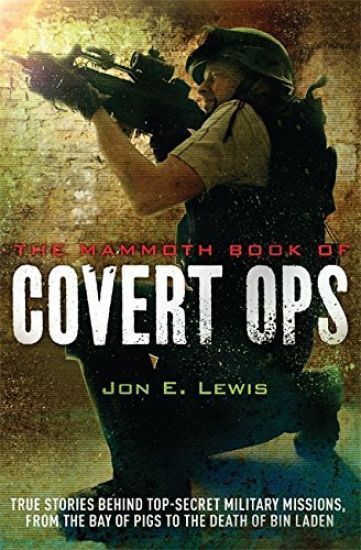
Twenty true stories of covert military operations, from raids into Laos by elite unit MAC-V-SOG to cut the Ho Chi Minh trail during the Vietnam War to the US Navy SEAL 6 operation Neptune's Spear in Abbottabad which resulted in the death of Osama bin Laden.
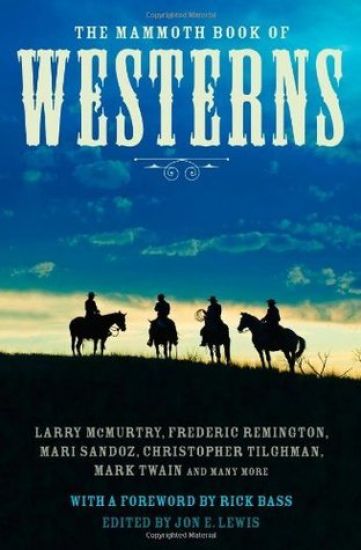
An outstanding collection Westerns from across the genre, which includes stories by Rick Bass, Walter Van Tilburg Clark, Larry McMurtry, Mari Sandoz, Christopher Tilghman, and Mark Twain, among many others.
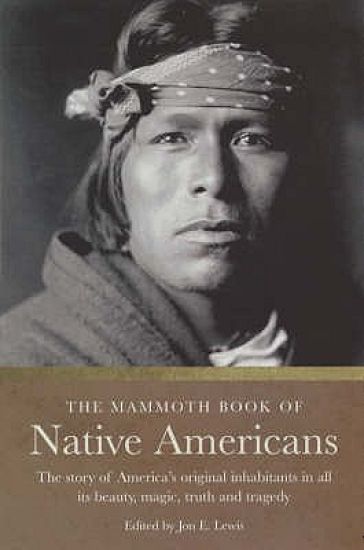
Native Americans make up less than one per cent of the total US population but represent half the nation's languages and cultures. Here, in one grand sweep, is the full story of Native American society, culture and religion. Here is everything from the land-based spirituality of their early creation myths and the late rise of Indian Pride, to the 88 uses to which the Sioux put the flesh and bones of the buffalo and the practice of berdache (men adopted as women). The book offers a chronological history of America's indigenous peoples. It covers their dramatic early entry into North America, out of the now submerged continent of Beringia, then in more recent times the 'forgotten wars' of the 16th and 17th centuries, which wiped many tribes from the face of the East Coast, and finally describes to the last struggles of the Cheyenne and the Comanche. Celebrating these peoples' way of life rather than focusing narrowly on the manner of their genocide, it does not ignore uncomfortable facts of the Amerindian past - including the cannibalism believed to have been practised by some tribes and the Native Americans' part in the decimation of North America's buffalo herds.
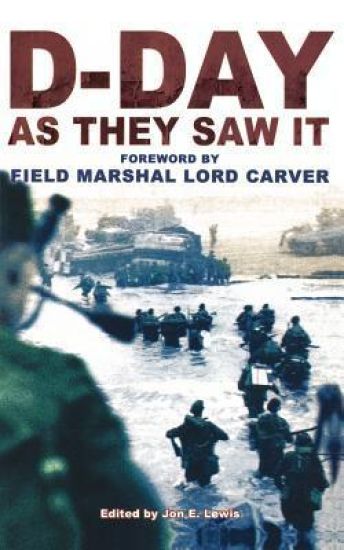
It was going to be the greatest amphibious operation of all time claimed Admiral Sir Bertram Ramsay, the naval commander of the Allied invasion of Normandy. He did not exaggerate, for the Allied fleet consisted of over 5,000 craft and had by the end of 'the longest day' landed 156,000 men and breached Hitler's much vaunted defensive wall. Yet dramatic and historic though the events of D-Day were, they were just the opening round of a much bigger and equally remarkable battle for the whole of Normandy that followed for the next ten weeks. Sixty years on, this collection of rare, first-hand accounts tells the story of D-Day and the subsequent battle, in the words of soldiers and civilians on both sides of the war. There are classic soldiers' accounts from the likes of Rommel and Bradley, together with front line reports by the best war correspondents such as Hemingway and Alan Melville.
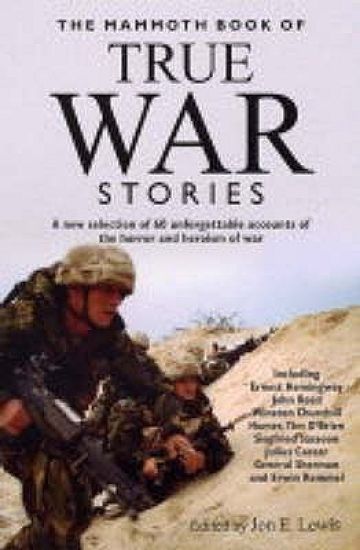
War, as the general said, is hell. But in a few it also brings out the best. Heroism and horror are the keynotes of this gripping new collection of war writing. From the Siege of Troy to the present day, The Mammoth Book of True War Stories includes battle analyses by celebrated historians, letters home by ordinary Gis, high-adrenaline memoirs by frontline combatants and memorable reportage by master chroniclers such as Ernest Hemingway and John Reed.
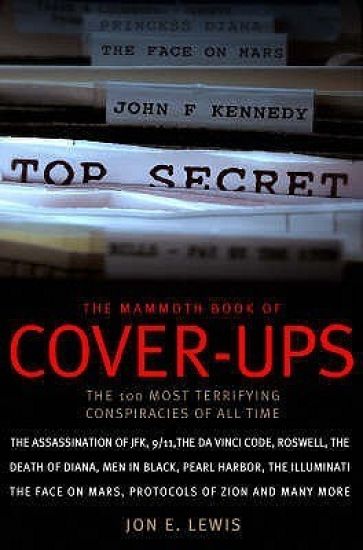
Everything your rulers never wanted you to know and you were afraid to ask.
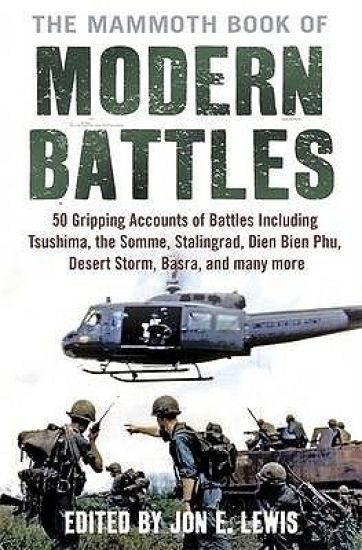
From the start of the 20th century to the most recent major offensives, here are fifty accounts of the battles that made the modern world, described in superb detail by historians and writers including John Keegan, Alan Clark, John Strawson, Charles Mey, John Pimlott, and John Laffin.All the major conflicts are covered, from two world wars, through Korea, Vietnam, Bosnia, Chechnya, to Iraq and Afghanistan. Among the battles featured are: the Somme, Passchendaele, Battle of Britain, Stalingrad, El Alamein, Monte Cassino, Omaha Beach, Iwa Jima, Dien Bien Phu, Ia Drang, Hamburger Hill, Desert Storm, Kabul, Baghdad, and Basra.