Kirjahaku
Etsi kirjoja tekijän nimen, kirjan nimen tai ISBN:n perusteella.
751 tulosta hakusanalla Jury Dimitrin
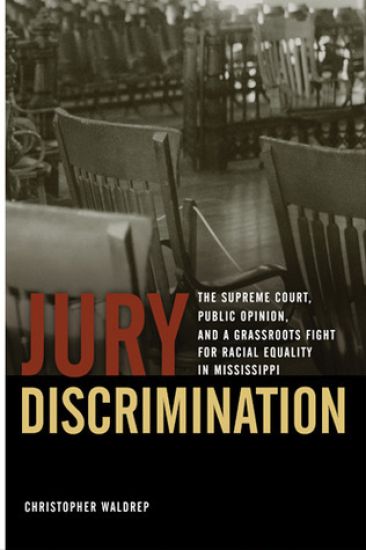
In 1906 a white lawyer named Dabney Marshall argued a case before the Mississippi Supreme Court demanding the racial integration of juries. He carried out a plan devised by Mississippi’s foremost black lawyer of the time: Willis Mollison. Against staggering odds, and with the help of a friendly newspaper editor, he won. How Marshall and his allies were able to force the court to overturn state law and precedent, if only for a brief period, at the behest of the U.S. Supreme Court is the subject of Jury Discrimination, a book that explores the impact of the Civil War and Reconstruction on America’s civil rights history.Christopher Waldrep traces the origins of Americans’ ideas about trial by jury and provides the first detailed analysis of jury discrimination. Southerners’ determination to keep their juries entirely white played a crucial role in segregation, emboldening lynchers and vigilantes like the Ku Klux Klan. As the postbellum Congress articulated ideals of national citizenship in civil rights legislation, most importantly the Fourteenth Amendment, factions within the U.S. Supreme Court battled over how to read the amendment: expansively, protecting a variety of rights against a host of enemies, or narrowly, guarding only against rare violations by state governments. The latter view prevailed, entombing the amendment in a narrow interpretation that persists to this day.Although the high court clearly denounced the overt discrimination enacted by state legislatures, it set evidentiary rules that made discrimination by state officers and agents extremely difficult to prove. Had these rules been less onerous, Waldrep argues, countless black jurors could have been seated throughout the nation at precisely the moment when white legislators and jurists were making and enforcing segregation laws. Marshall and Mollison’s success in breaking through Mississippi law to get blacks admitted to juries suggests that legal reasoning plausibly founded on constitutional principle, as articulated by the Supreme Court, could trump even the most stubbornly prejudiced public opinion.
This story is a tale of retribution taken on behalf of a loved one, to a quantum measure. Eddie Veins does the unimaginable, as he systematically hunts down and executes an entire jury over a six-year period. When a journalist for a Chicago newspaper discovers the audacity and gruesome realities associated with Eddie's murderous exploits and notifies the chief of detectives for the Chicago Police Department, he sets off a thunderstorm of activity in the Justice Department and the executives sworn to uphold American jurisprudence, as they move to covertly cover up the enormity of Eddie's deeds, realising that the implications of the extermination of an entire jury would send chilling emotions and fears of serving as a juror as part of their civic duty. When the reader believes they have the story figured out, they are shocked to find that they were misled or mistaken in their hypothesis.
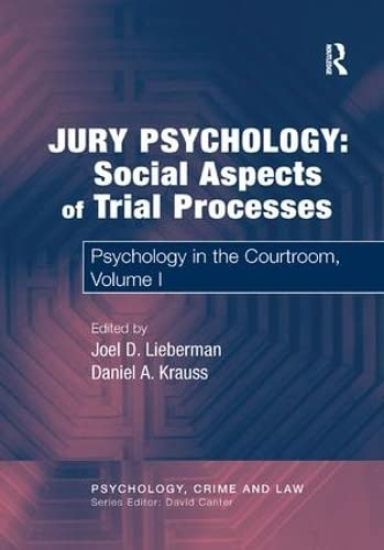
The first of a two-volume set on the Psychology of the Courtroom, Jury Psychology: Social Aspects of Trial Processes offers a definitive account of the influence of trial procedures on juror decision-making. A wide range of topics are covered including pre-trial publicity and inadmissible evidence, jury selection, jury instruction, and death penalty cases, as well as decision-making in civil trials. In addition, a number of global issues are discussed, including procedural justice issues and theoretical models of juror decision-making. Throughout the volume the authors make recommendations for improving trial procedures where jurors are involved, and they discuss how the problems and potential solutions are relevant to courts around the world.
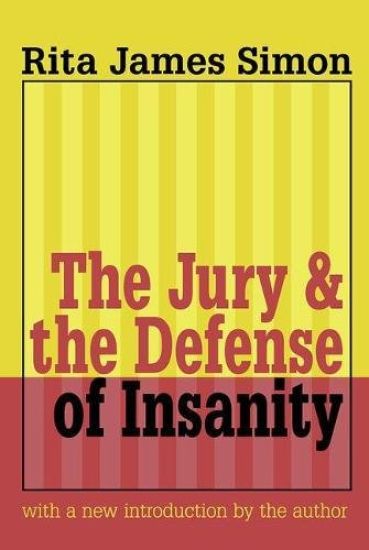
Thirty years after it was first published, the issues raised in The Jury and the Defense of Insanity remain pertinent. Rita James Simon examines how motivated and competent juries are, how well jurors understand and follow judges' instructions, their understand-ing of expert testimony, and the extent to which their own backgrounds and experiences influence their decisions. Simon provides a rare opportunity to observe how jurors go about the process of deliberating and reaching a verdict by following them into the jury room and recording their deliberations. This pathbreaking study of jury room behavior provides compelling evidence of the effectiveness of our trial by jury system.The Jury and the Defense of Insanity was the product of an experimental study con-ducted as part of the University of Chicago Jury Project. Over 1,000 jurors were chosen to participate, not as volunteers, but as part of their regular jury duty, in two experimental trials, one on a charge of housebreaking, the other of incest. In each the insanity de-fense was raised. Court judges instructed the jurors to consider the recorded trials they were about to hear with all the care and seriousness they would give to a real criminal prosecution, and the taped recordings of their deliberations make it clear that they did just that. These recordings, along with responses to detailed questionnaires, yielded significant data, equally applicable to civil as to criminal cases. We learn their reactions to their fellow jurors; personal evaluations of the quality and effectiveness of delibera-tions; the degree to which religion, sex, social status, education, and like factors affect participation in and influence on the course of the deliberation; and the recounting of and reliance upon personal experience in seeking to reach a verdict, among other in-sights furnished by this study.This is an exact record not a description or recollected account of the struggle of a jury to weigh evidence and achieve a just verdict. For lawyers whose job it is to win civil and criminal cases, for behavioral scientists who study male and female reactions in their cultural environment to the circumstances that confront them, and to all who are interested in how people behave and why, in a dramatic, socially significant situation, this is a fascinating and revealing book.
This book portrays the great variety of work that medieval English juries carried out while highlighting the dramatic increase in demands for jury service that occurred during this period.
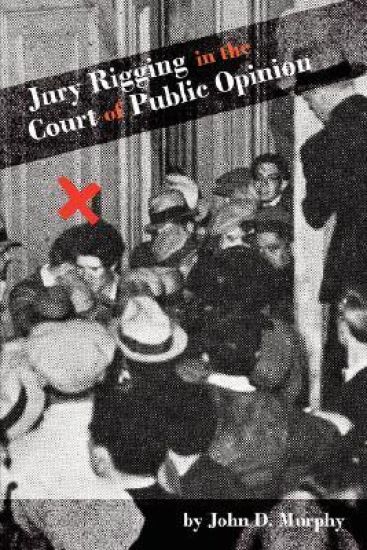
An Analysis of Swift Justice: Murder and Vengeance in a California Town by Harry Farrell, and the Brooke L. Hart Kidnapping, Murder and Lynching Case in San Jose, California in 1933
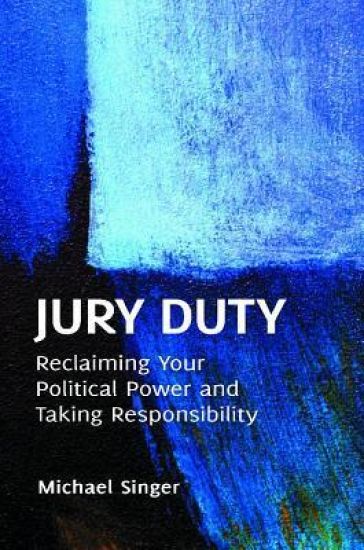
Written by a legal scholar for the general reader, this book demystifies the institution of the jury and validates its political power, providing valuable insights for the more than 30 million Americans who receive a jury summons each year.Jury Duty: Reclaiming Your Political Power and Taking Responsibility presents an accessible account of the origins and development of the jury system as well as a comprehensive, stage-by-stage description of a jury trial and of the sentencing procedure in a criminal trial. The work also provides a unique estimate of the cost of the jury system, which is particularly relevant in this continuing era of budget constraints.Rejecting the justifications usually given for the jury system, the work explains how the political roles of the jury constitute the chief value of the jury system. The basis of these political roles is the unquestionable power of the jury to acquit even a guilty criminal defendant, which allows juries to prevent the enforcement of unjust laws and the imposition of unjust punishments. Accordingly, the book challenges a range of practices that the judiciary has developed to obstruct the jury's exercise of this power. Most people—even including many lawyers—remain unaware of these practices, but they undermine the value of the jury system to our society. Finally, the book offers an original, thought-provoking analysis of the responsibilities imposed on criminal trial jurors in cases of compelling injustice.
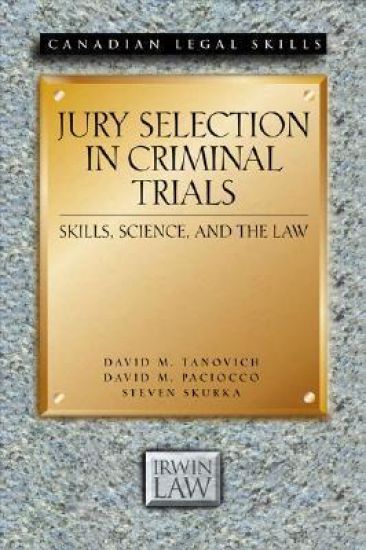
Jury Selection in Criminal Trials
David M. Tanovich; David Paciocco; Steven Skurka; David Doherty
Irwin Law Inc
1997
pokkari
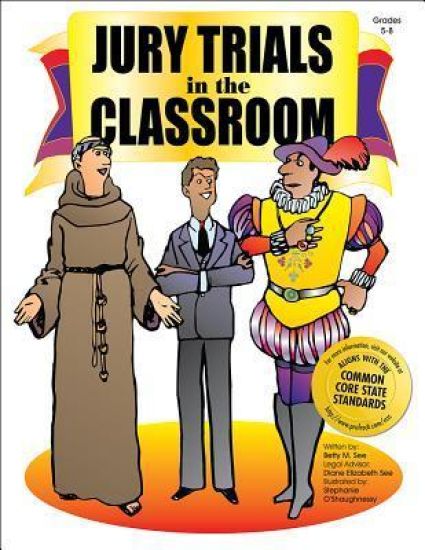
Transform your classroom into a courtroom and get ready for students to take part in a great learning adventure. The six trial simulations in this book let students delve into criminal and civil law with motivating cases that mirror situations in fairy tales, nursery rhymes, literature, and history. In the roles of attorneys, members of the jury, defendants, witnesses, and courtroom personnel, students prepare and conduct cases. They will learn to use statements of fact and witness affidavits to determine guilt or innocence.The book is divided into three sections that:define the types of courts in the U.S. court system; explain how to carry out a mock trial; and give six ready-to-use court cases, including all necessary documents. The court cases allow students to understand both criminal and civil trials, with three types of each case. The cases allow you to stage trials involving Hansel and Gretel, John Wilkes Booth, Little Miss Muffet, Romeo and Juliet, Jack and Jill, and Little Red Riding Hood. Don't miss this opportunity to teach critical thinking and teach students how to weigh opposing points of view. The exciting results will motivate students to exercise their reasoning skills, polish their communication skills, and apply knowledge of the legal system. This will become one of your favorite classroom adventures.For more judicial activities, see Blind Justice and On Trial.Grades 5-8
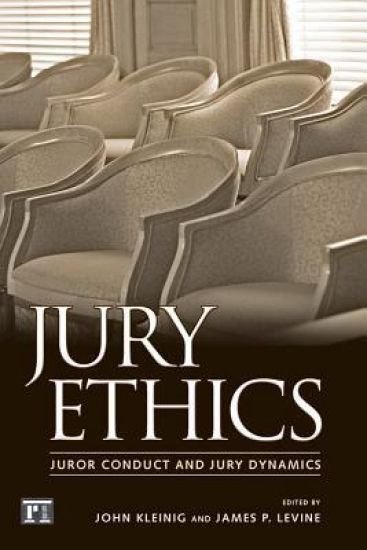
Jury Ethics
John Kleinig; James P. Levine; Jeffrey B. Abramson; B. Michael Dann; Shari Seidman Diamond; Norman J. Finkel; Paula Hannaford-Agor; Valerie P. Hans; Julie E. Howe; Nancy J. King
Paradigm
2005
sidottu
Trial by jury is one of the most important aspects of the U.S. legal system. A reflective look at how juries actually function brings out a number of ethical questions surrounding juror conduct and jury dynamics: Do citizens have a duty to serve as jurors? Might they seek exemptions? Is it acceptable for jurors to engage in after-hours research? Might a juror legitimately seek to "nullify" the outcome to express disapproval of the law? Under what conditions might jurors make a valid choice to hold out against or capitulate to their fellow jurors? Is it acceptable to form alliances? After trial, are there problems with entering into publishing contracts? Unfortunately, questions such as these have received scant attention from scholars. This book revives attention to these and other issues of jury ethics by collecting new and insightful essays along with responses from leading scholars in the field of jury studies. Is it acceptable for jurors to engage in after-hours research? Might a juror legitimately seek to "nullify" the outcome to express disapproval of the law? After trial, are there problems with entering into publishing contracts? Unfortunately, questions such as these have received scant attention from scholars. This book revives attention to these and other issues of jury ethics by collecting new and insightful essays along with responses from leading scholars in the field of jury studies. Contributors: Jeffrey Abramson, B. Michael Dann, Shari Seidman Diamond, Norman J. Finkel, Paula Hannaford-Agor, Valerie P. Hans, Julie E. Howe, Nancy J. King, John Kleinig, James P. Levine, Candace McCoy, G. Thomas Munsterman, Maureen O'Connor, Steven Penrod, Alan W. Scheflin, Neil Vidmar
Jury Ethics
John Kleinig; James P. Levine; Jeffrey B. Abramson; B. Michael Dann; Shari Seidman Diamond; Norman J. Finkel; Paula Hannaford-Agor; Valerie P. Hans; Julie E. Howe; Nancy J. King
Paradigm
2007
nidottu
Trial by jury is one of the most important aspects of the U.S. legal system. A reflective look at how juries actually function brings out a number of ethical questions surrounding juror conduct and jury dynamics: Do citizens have a duty to serve as jurors? Might they seek exemptions? Is it acceptable for jurors to engage in after-hours research? Might a juror legitimately seek to "nullify" the outcome to express disapproval of the law? Under what conditions might jurors make a valid choice to hold out against or capitulate to their fellow jurors? Is it acceptable to form alliances? After trial, are there problems with entering into publishing contracts? Unfortunately, questions such as these have received scant attention from scholars. This book revives attention to these and other issues of jury ethics by collecting new and insightful essays along with responses from leading scholars in the field of jury studies. Is it acceptable for jurors to engage in after-hours research? Might a juror legitimately seek to "nullify" the outcome to express disapproval of the law? After trial, are there problems with entering into publishing contracts? Unfortunately, questions such as these have received scant attention from scholars. This book revives attention to these and other issues of jury ethics by collecting new and insightful essays along with responses from leading scholars in the field of jury studies. Contributors: Jeffrey Abramson, B. Michael Dann, Shari Seidman Diamond, Norman J. Finkel, Paula Hannaford-Agor, Valerie P. Hans, Julie E. Howe, Nancy J. King, John Kleinig, James P. Levine, Candace McCoy, G. Thomas Munsterman, Maureen O'Connor, Steven Penrod, Alan W. Scheflin, Neil Vidmar
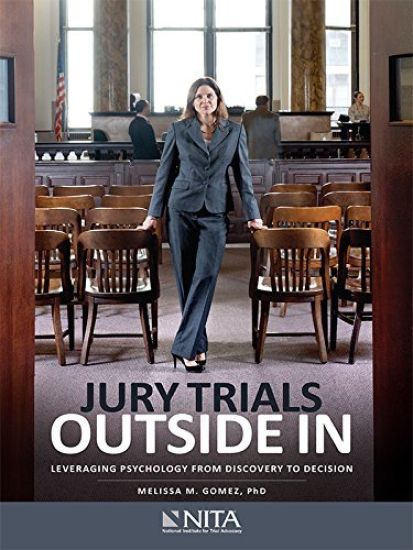
Jury Trials Outside In: Leveraging Psychology From Discovery to Decision
Melissa M. Gomez
Aspen Publishing
2016
nidottu
This guide goes beyond the topic of jury psychology. Instead, it speaks to the psychology of all of the people involved in a case and how that psychology affects the manner in which we make decisions and communicate at trial. Specifically, Dr. Gomez examines key aspects of the psychology of jurors, attorneys, judges, and witnesses and analyzes how each person influences the way a case is presented to and received by jurors. Dr. Gomez takes real-life stories from the road and ties them to theory and research from disciplines such as psychology, advertising, marketing, politics, homeland security, and sociology. The goal is to understand human nature as it applies across multiple contexts so you can learn a practical lesson as it applies to the courtroom. This guide helps attorneys take a step back to address the big picture of a case, to step outside of their own viewpoint, and to turn their perspective of their case outside-in. It is a conduit that connects psychological principles applicable to civil and criminal cases, to plaintiffs and defendants, to medical malpractice, product liability, intellectual property, contract, aviation, trucking, and all other cases that involve human beings.
Jury duty is an important part of being a responsible citizen. It helps ensure that trials are fair and just. In this low-level text, beginning readers will learn about the importance of juries and how they work. Special features teach readers about the qualifications of jury members and show the difference between a world with and without jury duty.
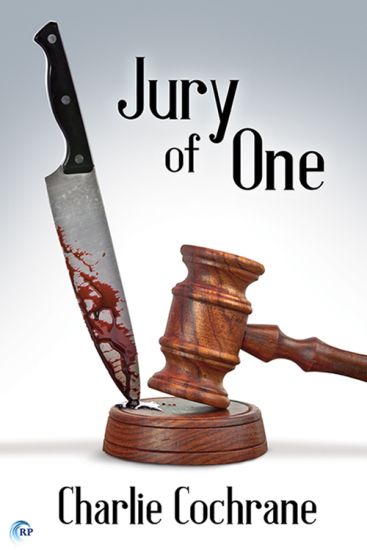
In this legal thriller, South Carolina Circuit Court judge Dan Borders appears poised for selection to the state Supreme Court thanks to his controversial proposal for dealing with death penalty cases. But a divorce he entered years earlier for Alana Morgan, a bright, ambitious school teacher, leads to a relationship that puts both of their futures in jeopardy. On the night Alana's ex, Toby, is killed, Dan finds himself in the wrong place at the wrong time. He and Alana strike a deal that may save them both.Can Dan trust Alana to keep her vow of silence? Can she rely on him to protect her when an aggressive young Indian prosecutor realizes her account of the confrontation raises suspicions? Alana and Dan depend on each other to avoid the cliff that awaits both if the pact is broken as A Jury of One pushes the limits of human trust and moral reckoning to an unforgettable climax.
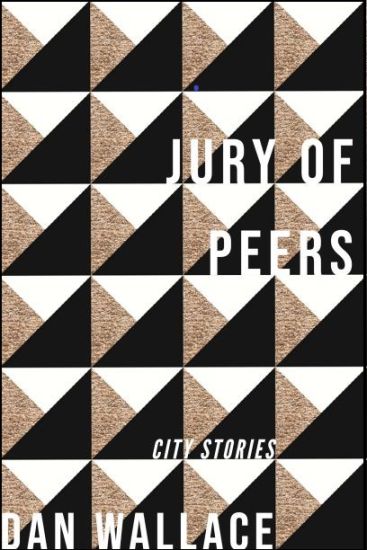
By the author of Tribune of the People: A Novel of Ancient Rome; Run West: A Novel of the Civil War; Blossom Gold and Other Stories; and Garbage in Space: Speculative Stories.Summoned to jury duty, a divorced carpenter finds himself neck-deep in a Philly mob case. In the high-stakes urban real estate trade, a young agent makes his move to join the heavy hitters. A housecleaner seeks a unique form of justice for her upscale clients only to run into unlikely speed bumps. Tired of his mundane work buying tech, a computer road warrior stops in Las Vegas for twenty-four memorable hours. These stories and their companions cast stark light on various characters striving to succeed in circumstances singular to life in urban settings. Far removed from the natural world, people are the game and currency is the currency. For many of those shaped by society's strictures, survival defines success. This collection reveals in striking fashion the means an assortment of individuals use to work out their own formulas for success in the city. Dan Wallace worked in book publishing for 37 years before turning to writing full time. He lives in the Washington, DC, area with his wife.Summoned to jury duty, a divorced carpenter finds himself neck-deep in a Philly mob case. In the high-stakes urban real estate trade, a young agent makes his move to join the heavy hitters. A housecleaner seeks a unique form of justice for her upscale clients only to run into unlikely speed bumps. Tired of his mundane work buying tech, a computer road warrior stops in Las Vegas for twenty-four memorable hours. These stories and their companions cast stark light on various characters striving to succeed in circumstances singular to life in urban settings. Far removed from the natural world, people are the game and currency is the currency. For many of those shaped by society's strictures, survival defines success. This collection reveals in striking fashion the means an assortment of individuals use to work out their own formulas for success in the city. Dan Wallace worked in book publishing for 37 years before turning to writing full time. He lives in the Washington, DC, area with his wife.