Kirjojen hintavertailu. Mukana 11 453 215 kirjaa ja 12 kauppaa.

Kirjahaku

Etsi kirjoja tekijän nimen, kirjan nimen tai ISBN:n perusteella.

1000 tulosta hakusanalla Karl Russ

Der Graupapagei

Der Graupapagei

Karl Russ; Charles Wallace Richmond

Hansebooks
2016
pokkari
Der Graupapagei ist ein unver nderter, hochwertiger Nachdruck der Originalausgabe aus dem Jahr 1896. Hansebooks ist Herausgeber von Literatur zu unterschiedlichen Themengebieten wie Forschung und Wissenschaft, Reisen und Expeditionen, Kochen und Ern hrung, Medizin und weiteren Genres.Der Schwerpunkt des Verlages liegt auf dem Erhalt historischer Literatur.Viele Werke historischer Schriftsteller und Wissenschaftler sind heute nur noch als Antiquit ten erh ltlich. Hansebooks verlegt diese B cher neu und tr gt damit zum Erhalt selten gewordener Literatur und historischem Wissen auch f r die Zukunft bei.
Handbuch für Vogelliebhaber, -züchter und -händler
Handbuch f r Vogelliebhaber, -z chter und -h ndler - II. Einheimische Stubenv gel ist ein unver nderter, hochwertiger Nachdruck der Originalausgabe aus dem Jahr 1892. Hansebooks ist Herausgeber von Literatur zu unterschiedlichen Themengebieten wie Forschung und Wissenschaft, Reisen und Expeditionen, Kochen und Ern hrung, Medizin und weiteren Genres. Der Schwerpunkt des Verlages liegt auf dem Erhalt historischer Literatur. Viele Werke historischer Schriftsteller und Wissenschaftler sind heute nur noch als Antiquit ten erh ltlich. Hansebooks verlegt diese B cher neu und tr gt damit zum Erhalt selten gewordener Literatur und historischem Wissen auch f r die Zukunft bei.
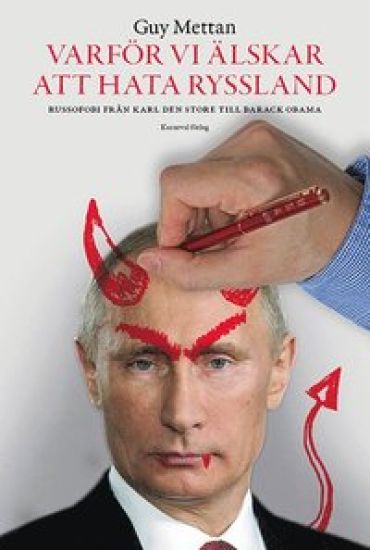
Varför vi älskar att hata Ryssland : russofobi från Karl den Store till Barack Obama
Russofobi har en lång historia. I århundraden har västvärlden av religiösa och politiska skäl betraktat det stora landet i öster som ett farligt hot och en rival att bekämpa. När kalla kriget tog slut trodde emellertid många att en avspänningsperiod stod för dörren. Så blev inte fallet. Istället återkom Ryssland efter en kort paus som västs fiende nummer ett. Idag är russofobin starkare än kanske någonsin. Att svartmåla och hata Ryssland och dess president Vladimir Putin har blivit en tankemodell som präglar litteraturen, medierna, den akademiska världen och regeringarna i väst. Med trots russofobins centrala roll är den sällan diskuterad. Den schweiziske journalisten Guy Mettans bok, Varför vi älskar att hata Ryssland, är därför något av ett pionjärverk. Författaren berättar här den fascinerande historien om hur västs fientlighet mot Ryssland uppstod och hur den har tagit sig uttryck i olika historiska epoker och i olika länder. Han visar hur mekanismerna bakom den nutida russofobin ser ut och gör fallstudier över viktiga händelser som gisslanstagandet i Beslan 2004, Georgienkriget 2008 och Ukrainakrisen 2014. Boken är en passionerad plädering för att den riskfyllda och kostsamma väst-östliga konflikten måste överbryggas och att Ryssland på jämlika villkor bör återinkluderas i ett Europa som sträcker sig från Atlanten till Stilla havet. OM BOKEN: "Ett exceptionellt viktigt bidrag till avmysti­fieringen av inter­nationella relationer." Arrêt sur info "Guy Mettans anklagelser mot västliga mediers dubbla måttstockar är invändningsfria." Le Temps "När jag hade läst klart boken insåg jag att ingen­ting annat än en stående ovation skulle kunna göra detta i sanning ­utomordentliga verk rättvisa. Guy Mettan har skrivit ett ­mästerverk som bör finnas på 'måstelistan' för varje person som är intresserad av Ryssland." The Saker OM FÖRFATTAREN: Guy Mettan är journalist, författare och politiker, verksam i Genève, Schweiz. Under åren 1992-1998 var han verkställande direktör och chefredaktör för stadens största dagstidning, Tribune de Genève. Sedan 1998 är han ordförande för Geneva Press Club vars grundare han också är. Guy Mettan har publicerat många böcker om Schweiz och det internationella Genève. Sedan 2001 är Guy Mettan ledamot för PDC, Schweiz kristdemokratiska parti, i Genèves rådsförsamling där han var talman åren 2009-2010. Han har också varit ordförande för Röda korset i Genève och vice ordförande för den schweizisk-ryska handelskammaren. Guy Mettan har både schweiziskt och ryskt medborgarskap. Varför vi älskar att hata Ryssland har utkommit eller är under utgivning i Italien, Kina, Ryssland, Serbien och USA. UTDRAG UR BOKEN: Hur kan det komma sig att Ryssland, som vid tre tillfällen har räddat västvärlden och som inte - i vart fall inte nu - utgör något hot, än idag väcker så mycket hat och fientlighet? Det var i förhoppningen om att i någon mån kunna riva den mur av antirysk hysteri, som gripit västliga medier efter Ukrainakrisen, som jag började skriva den här essän, och fördjupade mig i den långa historien om hur västerlänningar i sekler har skapat sig förvrängda bilder om Ryssland. För tydlighetens skull vill jag understryka att boken inte på minsta vis är riktad mot väst. Att belysa källorna till hatet mot Ryssland innebär inte alls att förneka värden som demokrati, frihet och mänskliga rättigheter eller att dåna av beundran för Putin. Att kritisera västs tvivelaktiga beteenden innebär inte att frikänna Ryssland från dess brister. En sådan hållning har ingenting gemensamt med en antieuropeisk eller antiamerikansk propaganda, som bara byter förtecken på russofobin och framställer ett uteslutande gott Ryssland förföljt av ett ondskefullt väst. Istället vill jag ge en sann bild av västs förhållande till Ryssland i hela dess komplexitet och göra rättvisa åt de tiotals miljoner ryssar, som sedan 25 år tillbaka bygger en valdemokrati som inte importerats, återuppbygger en ekonomi som ödelagts av privatiseringar och skapar sig en framtid som inte påtvingats dem utifrån.
Vokalnye bilingvy. Mirovye vokalnye shedevry - russkojazychnomu slushatelju. Vypusk 2. Karl Orf. Carmina Burana
Izdatelstvo "Kompozitor * Sankt-Peterburg" prodolzhaet seriju broshjur "Vokalnye bilingvy". Avtor-sostavitel serii Vladimir Anatolevich Petrenko adresuet uchebnuju seriju ljubiteljam vokalnoj muzyki, kotorye, ne vladeja svobodno latinskim, nemetskim, frantsuzskim i drugimi inostrannymi jazykami, khotjat tem ne menee po-nastojaschemu ponimat, o chem i kak poetsja v ljubimykh imi muzykalnykh proizvedenijakh. Spetsialnyj metod izlozhenija na bumage dvujazychnogo teksta, kotoryj avtor nazval "vokalnoj bilingvoj", pozvoljaet slushatelju vo vremja proslushivanija muzyki ulovit njuansy zvuchaschego slova, po-novomu vosprinjat kazalos by davno znakomye mirovye vokalnye shedevry.
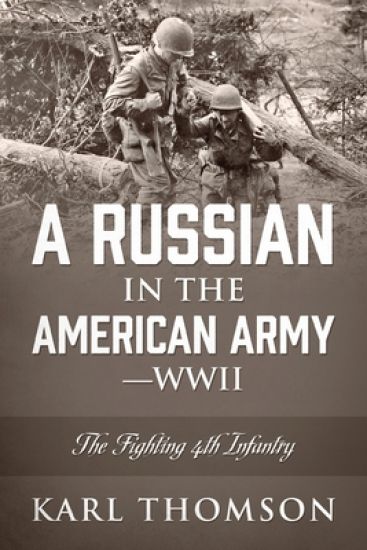
A Russian in the American Army - WWII

A Russian in the American Army - WWII

Karl Thomson

Outskirts Press
2020
pokkari
This is the story of a young Russian boy brought to the United states in the early 1930's. He grew up in New York City, joined the U.S. Army upon graduation from high school. In the army he showed great promise and by the time he went ashore at Utah beach on D-day he was a sergeant in the 4th Infantry Division. His service was noted, and he received recommendations for his bravery and leadership qualities and receiving the Bronze star for them. As the war continued, he was given a battlefield Commission and a platoon to lead. Before D-day in England he had fallen madly in love with a beautiful young British girl, but both knew the risk of war so they waited until the war was over to get married. Alexander Vetov progressed from Second Lieutenant through First Lieutenant to Captain and his own Company. As the fall of 1944 arrived many thought the war was ending and would be over soon. They did not realize that a losing Germany was going to fight much harder than ever. At this point Alexander Vetov's leadership was now over a much larger group of men. This was making him study the German army much harder to give his men the edge in their battles. After fighting two of the hardest battles of WWII. The battle of Hurtgen Forest and straight into the Battle of the Bulge. His Commanders noticed his planning and intelligence work and put him into army intelligence. This was when Alex got a dear John letter from the love of his life and he thought it was going to kill him. Instead he went to work harder than ever. As the war came to a close, entire army Divisions were being closed down. The 4th was on the chopping block and General Patton asked for Alexander Vetov to be transferred to him as Patton was to remain in Europe. After Patton's death even though all Intelligence is was having it's funding cut off. Alex went through several Departments until the Counterintelligence became the CIA. Here Alex stuck through the hot and cold times with many exploits in his life and a new love in his life that stuck with him for the rest of his life. Korea, Vietnam, and hundreds of small operations keep Alex hopping from one thing to another until finally his age slowed him down just a little. However now he was the Director of a Division of the CIA and worked from Langley and no longer traveled the world. This put him directly involved with getting information to the President until he retired under President Ronald Reagan.
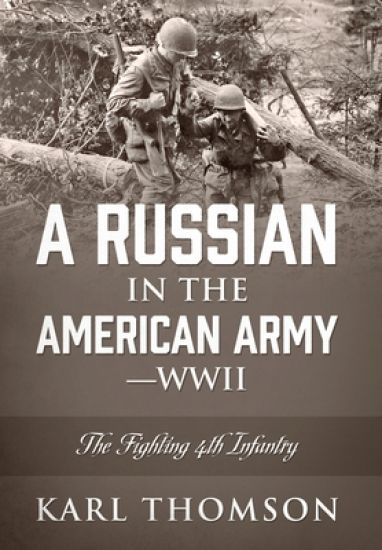
A Russian in the American Army - WWII

A Russian in the American Army - WWII

Karl Thomson

Outskirts Press
2020
sidottu
This is the story of a young Russian boy brought to the United states in the early 1930's. He grew up in New York City, joined the U.S. Army upon graduation from high school. In the army he showed great promise and by the time he went ashore at Utah beach on D-day he was a sergeant in the 4th Infantry Division. His service was noted, and he received recommendations for his bravery and leadership qualities and receiving the Bronze star for them. As the war continued, he was given a battlefield Commission and a platoon to lead. Before D-day in England he had fallen madly in love with a beautiful young British girl, but both knew the risk of war so they waited until the war was over to get married. Alexander Vetov progressed from Second Lieutenant through First Lieutenant to Captain and his own Company. As the fall of 1944 arrived many thought the war was ending and would be over soon. They did not realize that a losing Germany was going to fight much harder than ever. At this point Alexander Vetov's leadership was now over a much larger group of men. This was making him study the German army much harder to give his men the edge in their battles. After fighting two of the hardest battles of WWII. The battle of Hurtgen Forest and straight into the Battle of the Bulge. His Commanders noticed his planning and intelligence work and put him into army intelligence. This was when Alex got a dear John letter from the love of his life and he thought it was going to kill him. Instead he went to work harder than ever. As the war came to a close, entire army Divisions were being closed down. The 4th was on the chopping block and General Patton asked for Alexander Vetov to be transferred to him as Patton was to remain in Europe. After Patton's death even though all Intelligence is was having it's funding cut off. Alex went through several Departments until the Counterintelligence became the CIA. Here Alex stuck through the hot and cold times with many exploits in his life and a new love in his life that stuck with him for the rest of his life. Korea, Vietnam, and hundreds of small operations keep Alex hopping from one thing to another until finally his age slowed him down just a little. However now he was the Director of a Division of the CIA and worked from Langley and no longer traveled the world. This put him directly involved with getting information to the President until he retired under President Ronald Reagan.