Kirjojen hintavertailu. Mukana 11 244 527 kirjaa ja 12 kauppaa.

Kirjahaku

Etsi kirjoja tekijän nimen, kirjan nimen tai ISBN:n perusteella.

1000 tulosta hakusanalla Levin Boris

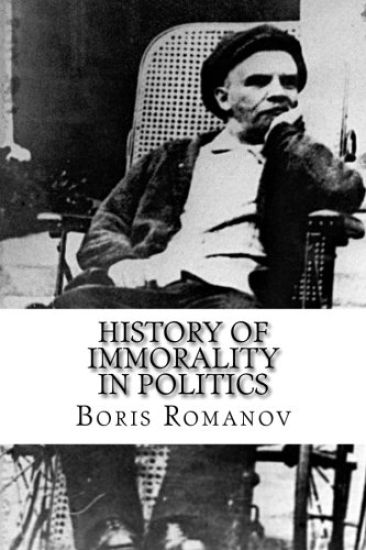
History of immorality in politics: In Russia: Nechayev ? Lenin ? Stalin ? and others later
History of immorality in politics (In Russia: Nechayev - Lenin - Stalin - and others later) "Politics and morality are incompatible", "Politics is a dirty business ... it has always been and so it will" - such opinions are very often you can hear from a variety of people. More educated people can add that it was at least from the time of Machiavelli. However, in the early XX century, the word "Machiavellianism" was considered a dirty word synonymous with immorality in politics. When and who made politics as a dirty business? The author believes that in Russia the theoretical and practical bases of amorality in the policy were laid down in the 1870s by Russian revolutionary Sergey Nechayev (prototype of the protagonist in the novel "Demons" ("The Possessed") by Dostoevsky). Later Vladimir Lenin after 1917 fully embodied the "revolutionary catechism" (by Nechayev) in life and in real politics. Later amoral principles also captured global policies too. It is still going on. Of course, it would be wrong to say that modern Russia is the same "evil empire" (in the words of Ronald Reagan), what was the Soviet Union during the Lenin and Stalin. The author does not say it, but only considers the history of immorality in the political struggle in Russia in the late XIX - early XX century. Another thing is that the "birthmarks" of the Bolshevik ideology (in the form of nostalgia for empire and some sympathy for Stalinism) exist in some part of the Kremlin's power elites till now.
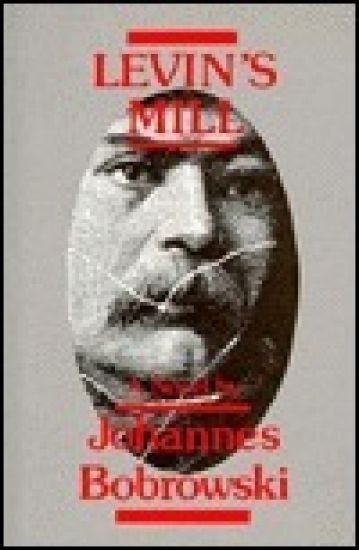
Levin's Mill

Levin's Mill

Johannes Bobrowski; Janet Cropper

NEW DIRECTIONS PUBLISHING CORPORATION
1996
nidottu
Johannes Bobrowski (1917-1965) is known as one of Germany's greatest writers. His first novel, set in a West Prussian village in 1874, tells the story of the narrator's grandfather, who plots and schemes to ruin the Jewish newcomer who has built a mill downstream from him. With splendid irony, Bobrowski describes the diverse characters of the Jews, Poles, Gypsies, and Germans who inhabit the village, and whose affairs mirror the larger history of Poland. As The Irish Times says, "Bobrowski has a marvelous ability to evoke the countryside and a vanished way of life... throughout the entire book there is a keen though understated element of humour, as well as a compelling, dream-like sense of fantasy."
Briefe von Annette von Droste-Hülshoff und Levin Schücking

Briefe von Annette von Droste-Hülshoff und Levin Schücking

Levin Schücking; Annette Von Droste-Hülshoff

Hansebooks
2017
pokkari
Briefe von Annette von Droste-H lshoff und Levin Sch cking ist ein unver nderter, hochwertiger Nachdruck der Originalausgabe aus dem Jahr 1880. Hansebooks ist Herausgeber von Literatur zu unterschiedlichen Themengebieten wie Forschung und Wissenschaft, Reisen und Expeditionen, Kochen und Ern hrung, Medizin und weiteren Genres. Der Schwerpunkt des Verlages liegt auf dem Erhalt historischer Literatur. Viele Werke historischer Schriftsteller und Wissenschaftler sind heute nur noch als Antiquit ten erh ltlich. Hansebooks verlegt diese B cher neu und tr gt damit zum Erhalt selten gewordener Literatur und historischem Wissen auch f r die Zukunft bei.
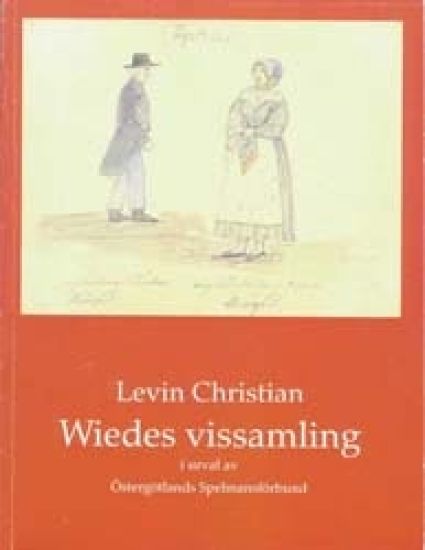
Levin Christian Wiedes vissamling
De 72 visor som presenteras i denna bok är ett litet urval av de som insamlades och upptecknades av pastorsadjunkten Levin Christian Wiede i Östergötland på 1800-talet. Melodierna har tidigare gjorts tillgängliga i en avhandling av professor Jan Ling. I detta urval presenteras för första gången visorna med de upptecknade texterna i sin helhet.
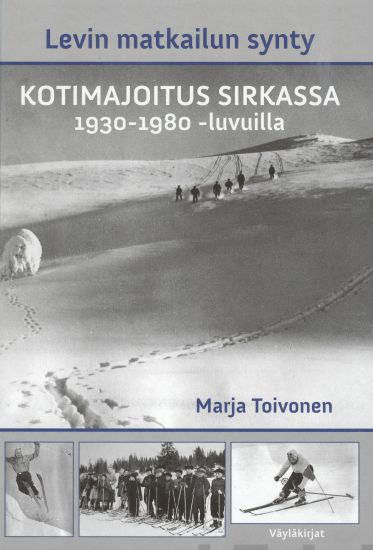
Levin matkailun synty

Levin matkailun synty

Marja Toivonen

Sata-Väylä Oy
2021
sidottu
Levi on Suomen suurin ja kansainvälisin hiihtokeskus. Maailman noin 2000 hiihtokeskuksen joukossa se on yksi niistä, joissa järjestetään vuosittain alppihiihdon maailmancup. Kuitenkin vain harva tietää, että Levillä oli alppihiihdon harrastajia jo 1930-luvulla. Professori, filosofian tohtori Marja Toivosen kirja valottaa hänen synnyinkylänsä Levin matkailun varhaisvaiheita. Se kertoo kotimajoituksen aikakaudesta 1930-luvulta 1980-luvulle tuoden esille Sirkankylän emäntien ja isäntien rohkeuden ja aktiivisuuden uuden elinkeinon aloittamisessa. Kotimajoituksen taustaksi kerrotaan myös kylän yleisestä kehityksestä: siitä millaiseen kylään turistit tulivat ensin 1930-luvulla, sittemmin jälleenrakennusaikana, ja viimein aikana, jolloin kotimajoituksen rinnalla oli jo ensimmäisiä majataloja ja mökkikyliä. Kotimajoituksesta selvitetään myös majoitusta organisoiden tahojen - erityisesti Svenska Finlands Skidförbundin ja Suomen Ladun - toimintaa kylässä.Mukana on kymmenen laajempaa tarinaa erityisen pitkäaikaista tai laajaa turistitoimintaa harjoittaneista taloista ja 20 suppeampaa tarinaa pienimuotoisempaa majoitusta tarjonneista taloista. Lähteenä ovat olleet majoittajien ja heidän jälkeläistensä kertomukset sekä turistien muistelukset.Levin hiihtokeskuksen kehitystä on tarkasteltu sen alkumetreiltä nykypäivään asti. Muutoin kirjassa läpikäyty historia päättyy 1980-luvulle, jolloin kotimajoitus vähitellen loppui.Marja Toivonen on toiminut Teknologian tutkimuskeskus VTT:n tutkimusprofessorina sekä professorina Helsingin yliopistossa ja Aalto-yliopistossa. Eläkkeelle jäätyään hän asuu pääosan vuotta Kittilän Sirkassa.
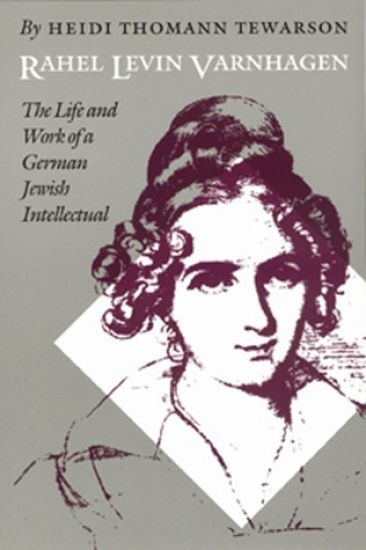
Rahel Levin Varnhagen

Rahel Levin Varnhagen

Heidi Thomann Tewarson

University of Nebraska Press
1998
sidottu
Rahel Levin Varnhagen (1771–1833) occupied a unique place in German intellectual history. She is known for the salon she initiated in Berlin, which became a center for intellectuals and artists of various social classes—especially for writers of the Romantic and the Young Germany schools. Based on research at the rediscovered Varnhagen Collection, Heidi Thomann Tewarson provides a new and comprehensive portrait of this remarkable woman. No longer primarily the sparkling salonnière, Varhagen is recognized as the author of a unique epistolary oeuvre. Tewarson gives a rich account of Varnhagen's intellectual community, made up of such figures as Friedrich and Dorothea Schlegel, Clemens Brentano, Goethe, Hegel, Leopold Ranke, Heine, and the assimilated Jewish community in Berlin. Tewarson also discusses Varnhagen's writings on women, philosophy, literature, Jews, and a host of other topics. In particular, she highlights Varnhagen's insights into—and vehement protests against —discrimination against women and Jews. These writings led to Varnhagen's reputation as a leading intellectual of her era—a champion of literary figures and movements, of human rights, and of Enlightenment values.