
Kirjahaku
Etsi kirjoja tekijän nimen, kirjan nimen tai ISBN:n perusteella.
1000 tulosta hakusanalla Marina Bohlmann-Modersohn


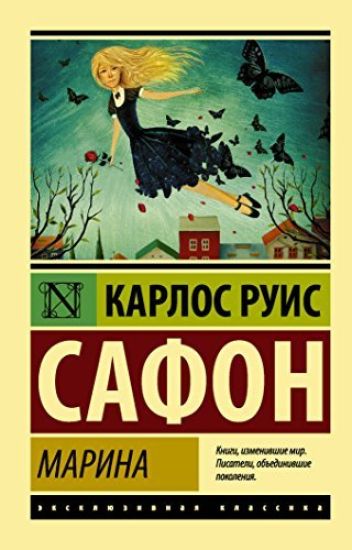
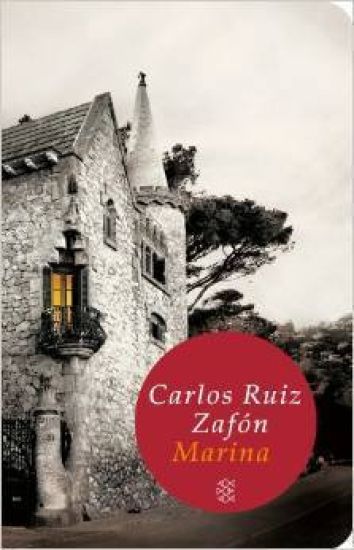
Marina
Ast
2018
nidottu
"Marina" - samyj ljubimyj, po sobstvennomu priznaniju Safona, ego roman. Ispanija. Barselona. Vesna. Odin iz dezhurnykh na Frantsuzskom vokzale uznaet v tolpe junoshu, objavlennogo v rozysk. Tseluju nedelju ego iskali znakomye, druzja, prepodavateli shkoly-internata. Politsija sbilas s nog. Gde on byl vse eto vremja? Kak provel eti dni? "U kazhdogo iz nas est sekret, tschatelno zapertyj na vse zamki v samom tjomnom uglu na cherdake dushi", - tak Oskar nachinaet svoj rasskaz o toj strannoj volshebnoj nochi, kogda sudba podarila emu vstrechu s Marinoj.
Marina
NEW HORIZON MEDIA PRIVATE LIMITED
2010
nidottu
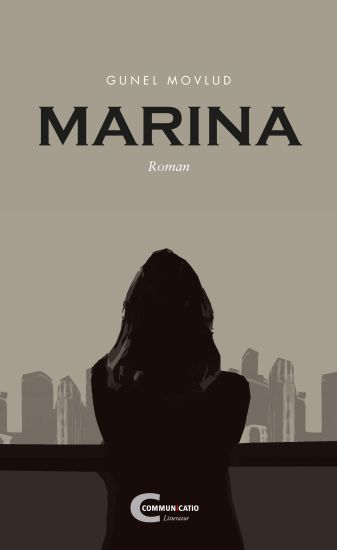
Marina er en knapt tredve år gammel journalist, forfatter og blogger i det patriarkalske landet X, der et despotisk regime overvåker selv de mest intime øyeblikk blant opposisjonelle. En dag blir en video, filmet med skjult kamera, som viser en regimekritisk kvinnelig radiojournalist mens hun har sex med en mann, offentliggjort i ulike mediekanaler. Lederen av landets LHBT-organisasjon henger seg på kontoret i regnbueflagget, og den etterlatte dagboken hans, med avslørende informasjon fra maktens korridorer, blir jaktet på av politiet. Marina kjenner seg truet, for hun har også ytret seg kritisk mot regimet, så kanskje finnes en intim video med henne? I så fall vil hun være i livsfare, med en far og brødre som vil måtte gjenopprette familiens ære ved å ta livet av henne. Dette er rammen om Gunel Movluds første roman på norsk. Hun fører oss inn i et realistisk skrekkscenario anno 2020 i den kaukasiske regionen som tidligere besto av sovjetrepublikker, der menneskeverd og humanitet fortsatt blir trampet på, fattigdom, kriminalitet og korrupsjon florerer, og oligarker og politiske potentater styrer samfunnet etter eget forgodtbefinnende. Gunel Movlud (f. 1981) er en aserbajdsjansk journalist og forfatter. Hun kom til Norge som fribyforfatter i Levanger i perioden 2016- 2018, og bor fortsatt der med sin familie. Romanen er oversatt fra et russisk manuskript av Hege Susanne Bergan, og er en norsk originalutgivelse.

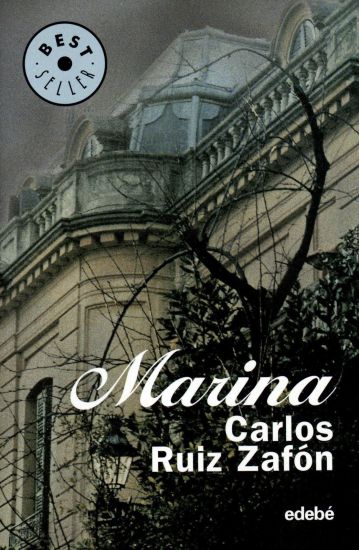
A love story as narrated by it's protagonist as he returns to Barcelona after 15 years.
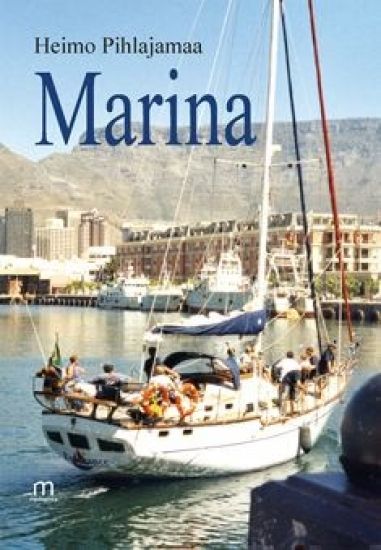
Marina on viimeinen osa sarjassa, joka alkoi Esmeraldasta (2009). Kymmenen vuoden aikana tekijä on käynyt läpi omaa maailmaansa, jossa kirjat, elokuva, musiikki, kuvataide, luonto ja urheilu ovat olleet tärkeitä. Teksti on aina minäkeskeistä; tarkoituksena ei ole olla asiantuntija millään alalla. Mosaiikkimainen rakenne sallii sen, että lukemisen voi aloittaa vaikka keskeltä. Marinassa vanhenemisen vaivat ovat selvästi näkyvillä. Näkö heikkenee, kuulo heikkenee, tasapaino horjuu. Aivan alussa tuodaan esiin nuori opiskelijatyttö, ”Tuulispää”, lopussa väsynyt ihminen, tekijän äiti.
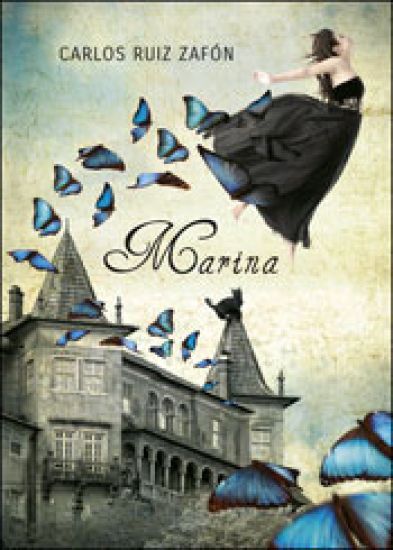
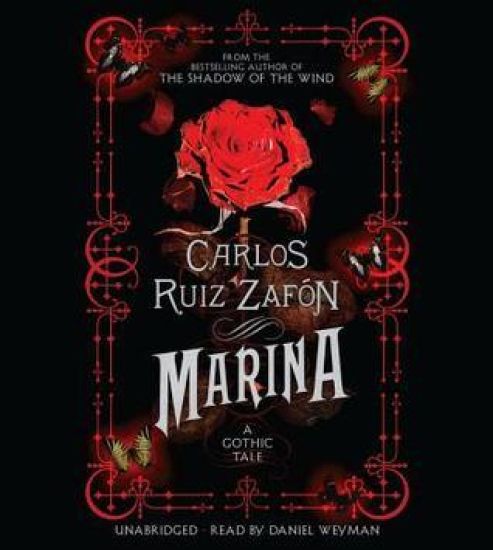
Carlos Ruiz Zafon's haunting gothic mystery, which has long been a cult classic in Spain and is now an international bestseller. We all have a secret buried under lock and key in the attic of our soul. This is mine. Fifteen-year-old Oscar Drai meets the strange Marina while he's exploring an old quarter of Barcelona. She leads Oscar to a cemetery, where they watch a macabre ritual that occurs on the last Sunday of each month. At exactly ten o'clock in the morning, a woman shrouded in a black velvet cloak descends from her carriage to place a single rose on an unmarked grave. When Oscar and Marina decide to follow her, they begin a journey that transports them to a forgotten postwar Barcelona-a world of aristocrats and actresses, inventors and tycoons--and reveals a dark secret that lies waiting in the mysterious labyrinth beneath the city streets.
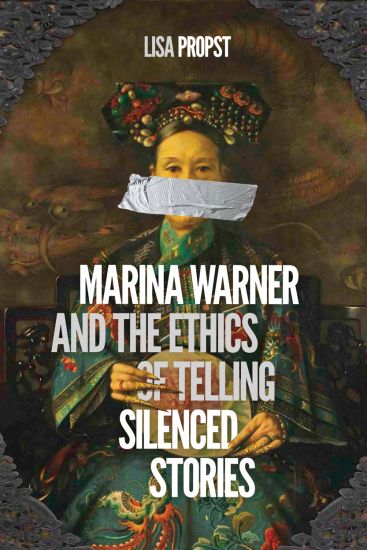
Marina Warner and the Ethics of Telling Silenced Stories
Lisa Propst
McGill-Queen's University Press
2020
sidottu
Efforts to fight back against silencing are central to social justice movements and scholarly fields such as feminist and postcolonial studies. But claiming to give voice to people who have been silenced always risks appropriating those people's stories. Lisa Propst argues that the British novelist and public intellectual Marina Warner offers some of the most provocative contemporary interventions into this dilemma. Tracing her writing from her early journalism to her novels, short stories, and studies of myths and fairy tales, Propst shows that in Warner's work, features such as stylized voices and narrative silences - tales that Warner's books hint at but never tell - question the authority of the writer to tell other people's stories. At the same time they demonstrate the power of literature to make new ethical connections between people, inviting readers to reflect on whom they are responsible to and how they are implicated in social systems that perpetuate silencing. By exploring how to combat silencing through narrative without reproducing it, Marina Warner and the Ethics of Telling Silenced Stories takes up an issue crucial not just to literature and art but to journalists, policy makers, human rights activists, and all people striving to formulate their own responses to injustice.
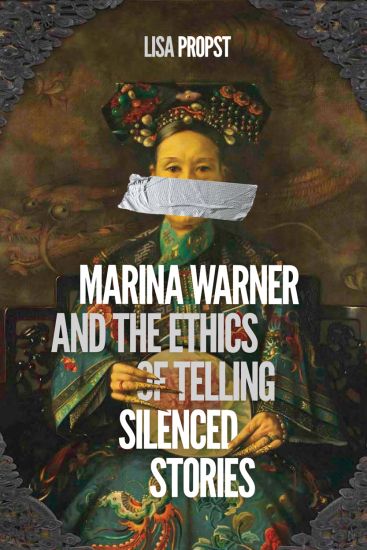
Marina Warner and the Ethics of Telling Silenced Stories
Lisa Propst
McGill-Queen's University Press
2020
nidottu
Efforts to fight back against silencing are central to social justice movements and scholarly fields such as feminist and postcolonial studies. But claiming to give voice to people who have been silenced always risks appropriating those people's stories. Lisa Propst argues that the British novelist and public intellectual Marina Warner offers some of the most provocative contemporary interventions into this dilemma. Tracing her writing from her early journalism to her novels, short stories, and studies of myths and fairy tales, Propst shows that in Warner's work, features such as stylized voices and narrative silences - tales that Warner's books hint at but never tell - question the authority of the writer to tell other people's stories. At the same time they demonstrate the power of literature to make new ethical connections between people, inviting readers to reflect on whom they are responsible to and how they are implicated in social systems that perpetuate silencing. By exploring how to combat silencing through narrative without reproducing it, Marina Warner and the Ethics of Telling Silenced Stories takes up an issue crucial not just to literature and art but to journalists, policy makers, human rights activists, and all people striving to formulate their own responses to injustice.

This book is a major critical biography of the poet Maria Tsvetaeva by one of the foremost authorities on her work. It draws on a profusion of recent documentation and research, some of it hitherto unpublished, and encompasses the whole course of her life. Professor Karlinsky is careful to supply the reader with the necessary context for understanding the work by setting out the historical, political and literary background against which Tsvetaeva's life and literary development evolved. A particular feature of the book is a discussion of Tsvetaeva's relationships with her literary contemporaries, especially Mandelstam, Rilke, Akhmatova, Pasternak, and Mayakovsky, and of her emotional involvement with various men and women that are reflected in her poetry, plays and prose. Interest in Tsvetaeva's work has grown considerably and this important book will be essential reading both to scholars of twentieth-century Russian literature and cultural studies and to all serious students of modern literature.
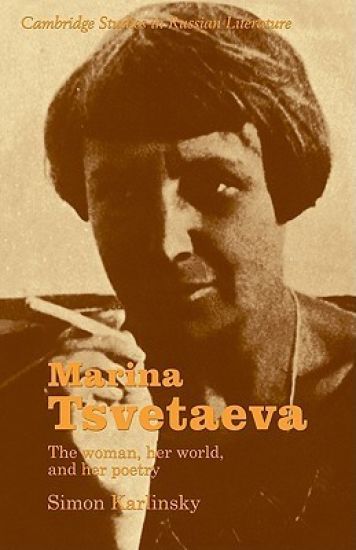
This book is a major critical biography of the poet Maria Tsvetaeva by one of the foremost authorities on her work. It draws on a profusion of recent documentation and research, some of it hitherto unpublished, and encompasses the whole course of her life. Professor Karlinsky is careful to supply the reader with the necessary context for understanding the work by setting out the historical, political and literary background against which Tsvetaeva's life and literary development evolved. A particular feature of the book is a discussion of Tsvetaeva's relationships with her literary contemporaries, especially Mandelstam, Rilke, Akhmatova, Pasternak, and Mayakovsky, and of her emotional involvement with various men and women that are reflected in her poetry, plays and prose. Interest in Tsvetaeva's work has grown considerably and this important book will be essential reading both to scholars of twentieth-century Russian literature and cultural studies and to all serious students of modern literature.
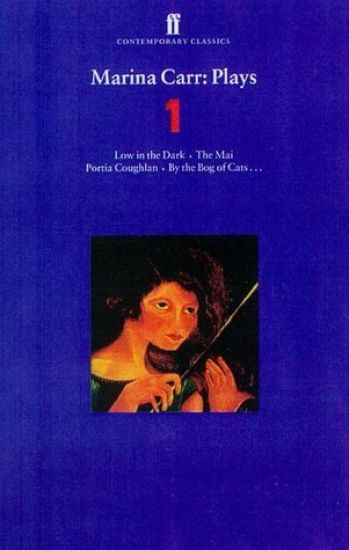
The first collection of plays by Marina Carr introduces the work of a major new voice in playwriting. Low in the Dark'One of the most exciting, new and absolutely original aspects of Carr's writing is the manner in which the sexism of the language and religious imagery is exposed... Marina Carr is a playwright to be watched.' Sunday TribuneThe Mai'The writing is at once gentle and raucous... capable of articulating deep-seated woes and resentments in a manner you rarely find outside Eugene O'Neill.' ObserverPortia Coughlan'A play of precocious maturity and accomplishment.' Irish Times'Portia Coughlan packs a hell of a punch. It hurts to look at it. But it has to be seen.' Irish IndependentBy the Bog of Cats...'A poetic realism steeped in the past... Carr has an extraordinary ability to move between the mythic and the real.' Guardian'A great play... a great work of poetry... the word should soon carry across both sides of the Atlantic.' Independent
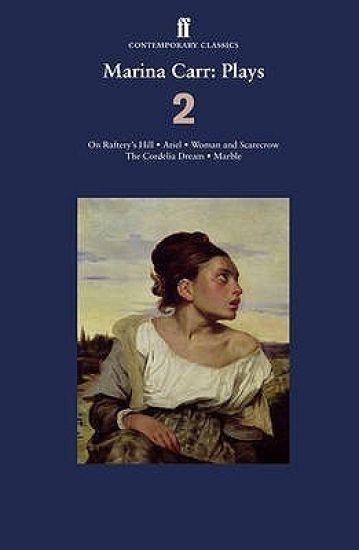
On Raftery's Hill'This is a play that howls to be seen; its courage is matched only by its dramatic power.' Sunday IndependentAriel'An astonishing piece of theatre. Interweaving themes drawn from Irish, Greek and biblical myth, she spins a tale of power that is honest, emotional, dark and true . . . Die to see it.' Irish ExaminerWoman and Scarecrow'Drama doesn't come much richer or stranger than this death-bed lament. Ravishing in its dense, literary language, it is as visceral as it is intellectual. It lingers not only in the ear and brain, but in the imagination and the gut. An extraordinary brew, bittersweet and totally intoxicating.' The TimesThe Cordelia Dream'A brave piece and clearly charged with deep feeling. . . This is certainly unsettling territory and Carr boldly goes for it.' Financial TimesMarble'An extraordinary play that lures us in with a promise of the recognisable only to drag us screaming into the soaring, magnificent possibilities of love and the destruction that it wreaks.' Irish Independent
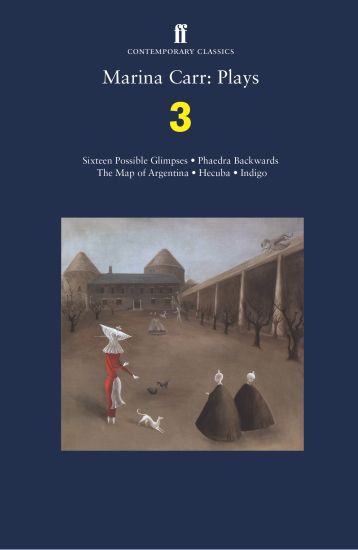
This third richly varied collection of plays by Marina Carr was published to coincide with the Royal Shakespeare Company's premiere of Hecuba at the Swan Theatre, Stratford-upon-Avon, in September 2015.Sixteen Possible Glimpses imagines sixteen fleeting moments in Anton Chekhov's short life and work. Phaedra Backwards retells the Phaedra myth to discover what shaped her. The Map of Argentina offers a meditation on love and what happens when it is denied, or pursued and hunted down. Hecuba was written in reaction to the bad press this Trojan queen receives, and reimagines how she may have suffered and reacted. Indigo is a dark and passionate romance amongst fairies, demons, ghouls and every sort of fantastic creature out of folklore and myth.
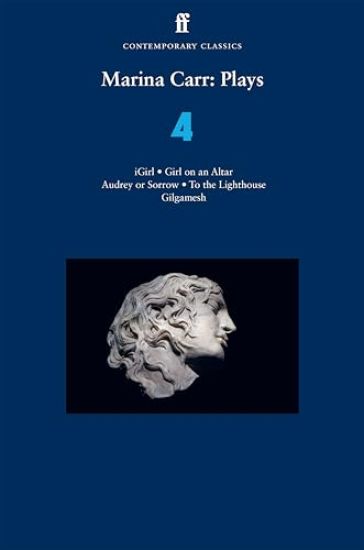
iGirl'Stylishly, mysteriously, and with a soaring imagination, Marina Carr has upended the definition of feminism.' Independent on SundayGirl on an Altar'Mesmerisingly compelling .