Kirjojen hintavertailu. Mukana 11 342 296 kirjaa ja 12 kauppaa.

Kirjahaku

Etsi kirjoja tekijän nimen, kirjan nimen tai ISBN:n perusteella.

1000 tulosta hakusanalla Martin Beck

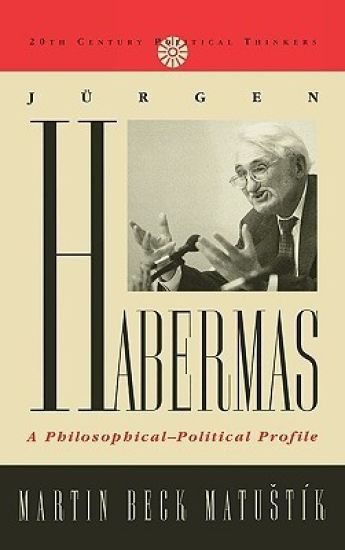
Jurgen Habermas

Jurgen Habermas

Martin Beck Matustik

Rowman Littlefield Publishers
2001
nidottu
This philosophical-political profile offers the first of its kind intellectual reconstruction of HabermasOs defining existential and historical situations, his generational profile and interventions, his impact on as well as the discontents that his life work generates in others. Written as a lively dramatic engagement with major themes of HabermasOs adult life in postwar Germany, the entire study occupies a unique place between the standard genres of a biography and a theoretical commentary on the oeuvre. In this work the reader is taken on a journey with Habermas through the 20th-century intellectual and political history from the defeat of Nazism, to the Cold War restoration of the '50s, the student movement of the '60s, the historical revisions of the '70s and '80s, the hope of the post-Wall era after 1989, all the way to the controversies surrounding the allied wars of intervention against Iraq and Serbia in the 1990s. Both beginning and advanced readers of 20th century socio-political thought gain greater insight into the existential, political, and philosophical influences that proved to be formative of HabermasOs writing and activism in the public sphere. The first part of the study emphasizes the unfolding, linear view of HabermasOs postwar history, punctuated by the major existential and political situations of his young adult life from 1945 to 2000. The second part returns to the same time-span in order to reconstruct HabermasOs mature post-Wall intellectual profile in contrast to the profiles of the preceding generation of 1945 and the later protesting generation of 1968. The third part examines the tremendous Habermas-effect exercised on 20th-century thought and public policy. The concluding chapters discuss critically the lasting place as well as the limits of HabermasOs achievement in contribution to a development of new critical theory. The book is enhanced by an introduction that provides a historical and conceptual background to the major themes discussed, twelve helpful thematic tables and figures, and a glossary of foreign terms.
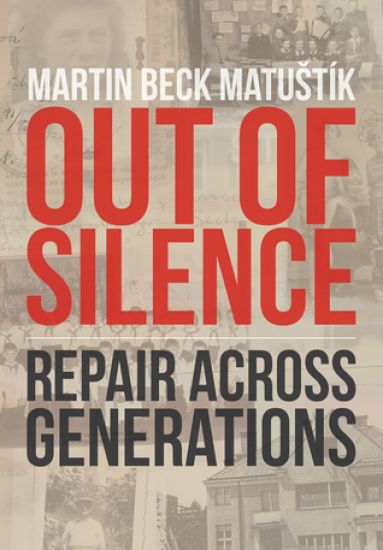
Out of Silence: Repair Across Generations

Out of Silence: Repair Across Generations

Martin Beck Matustik

New Critical Theory
2015
nidottu
Out of Silence: Repair across Generations is the story of one man's journey through three generations and five continents to find-and heal-a past he didn't know existed. Award-Winning "Finalist" - International Book Awards 2015 Autobiography/Memoirs" http: //www.internationalbookawards.com/2015awardannouncement.html In 1997, Martin Beck Matust k made a dramatic discovery at the age of forty: he was the child of a Holocaust survivor. His mother's shocking seocret came from the most unlikely of places-shoeboxes full of her literary and personal archives. These dramatic revelations changed his life forever and set him on a path to discover his true identity. His research unveiled his mother's remarkable life-and the truth behind her painful decision to reject her Jewish heritage and keep it hidden from her family. Akin to Madeleine Albright's Prague Winter: A Personal Story of Remembrance and War, 1937-1948, Matust k's Out of Silence is an intensely personal Czech-Slovak-American Jewish journey into the past to understand the present and find hope for the future. Dealing with self-transformation, loss, memory, recovery, and the unsettling reality of living with multiple identities, Matust k's exhaustive research and selfless prose offer other children of survivors-and the world at large-a remarkable look inside one man's endeavor to repair the shattered map of his identity. Early praise for OUT OF SILENCE From Shoa to Communist Czechoslovakia to post-Communist Eastern Europe to the very human and often overlooked dimensions of how individuals and communities part and reconcile, Out of Silence: Repair across Generations is a powerfully naked, movingly poignant, and courageously liberating portrait. --Lewis R. Gordon, Professor of Philosophy, Africana Studies, and Judaic Studies, UCONN-Storrs; Nelson Mandela Visiting Professor, Rhodes University, South Africa; and EuroPhilosophy Chair, Universit Toulouse Jean Jaur s, France Who will stop the resentments of the era of the two twentieth-century beastly regimes? The stories of our fathers and grandfathers? Matust k's multigenerational drama leaves visible traces. We should not store them in institutional file cabinets. --Fedor G l, author, journalist, and film documentarist, and a cofounder and chair of the Public against Violence, the movement that in 1989 brought down Communism in Slovakia, was born at the end of World War II in the Czech concentration camp Terezin Matust k's book is a testimony to all of us who live in the wake of disaster, who struggle with its posthumous or Lazarean dimensions, which is to say, to all of us. --Sandor Goodhart, Professor of English and Jewish Studies, Purdue University After more than twenty-five years bringing works related to the history of the Holocaust and to Jewish culture to the light of print, I can honestly assert we have not read a book which so edifies the theological issues bound up in the history of a family rent apart by war and politics, anti-Semitism and the subsequent clashes of Communist and capitalist cultures. The author's expertise in philosophical and religious studies and his truly advanced perspective in the philosophical and public aspects of his family's journey provide an unusual opportunity for readers follow a memoiristic literary nonfiction narrative while engaging the theoretical and historical issues as well. --Alan Adelson, Executive Director of Jewish Heritage Project, the International Initiative in the Literature of the Holocaust, New York PUBLICITY, BOOK EVENTS http: //newcriticaltheory.com/out-of-silence-repair-across-generations/publicity/
Postnational Identity: Critical Theory and Existential Philosophy in Habermas, Kierkegaard, and Havel
The Second Edition Contradictory interpretations have been applied to history-making events that led to the end of the Cold War: V clav Havel, using Kierkegaardian terms, called the demise of totalitarianism in East-Central Europe an "existential revolution" (i.e. an awakening of human responsibility, spirit, and reason), while others hailed it as a victory for the "New World Order." Regardless of one's point of view, however, it is clear that the global landscape has been dramatically altered. Where once the competition between capitalism and communism provided a basis for establishing political- and self-identity, today the destructive forces of nationalist identity and religious and secular fundamentalism are filling the void. Offering the most extensive examination of Habermas's and Kierkegaard's critiques of nationalist identity available, Postnational Identity dramatically confronts the traditional view of existential philosophy as antisocial and uncritical. This book shows how Kierkegaardian theory and practice of radically honest communication allows us to rethink the existential in terms of Habermas's communicative action, and vice versa. As the author explains, the foundations of his work in the critical theory and existential philosophy, brought together in this book, engender two forms of suspicion of the present age. The critical theorist, such as J rgen Habermas, unmasks the forms in which social and cultural life become systema-tically distorted by the imperatives of political power and economic gain. The existential critic, like S ren Kierkegaard and V clav Havel, is suspicious of the various ways in which individuals deceive themselves or other people. This study aims to integrate Kierkegaard's and Havel's existential critique of motives informing human identity formation with Habermas's critique of the colonialization of fragmented, anomic modern life by systems of power and money... The author's argument is that existential critique and social critique complement each other and overcome their respective limitations. One of the first works to treat seriously the existential thought of Havel, the book will hold enormous appeal for students and professionals involved in existential philosophy, critical theory, philosophy, and, more generally, political science, literary theory, communications, and cultural studies.
Englisch Lernen für den Urlaub

Englisch Lernen für den Urlaub

Martin Beck; Stella Braun; Dominic Schmidt

Independently Published
2019
pokkari
AKTION: Nur noch f r kurze Zeit ►►►Mit diesem Buch k nnen Sie in nur 8 Tagen Englisch lernen Lesen Sie, warum dieses Buch das richtige Lehrmittel f r Sie ist. ◄◄◄Sie m chten schnell und einfach Ihren Wortschatz erweitern?Sie m chten nicht viel Zeit mit Lernen verbringen, aber trotzdem Fortschritte machen? Sie brauchen einen detaillierten Lernplan damit das Lernen effizient l uft? Sie lernen gerne spielerisch? Sie h tten gerne ein paar Lerntipps und Lerntechniken damit das gelernte ins Langzeitged chtnis eingegliedert wird? ...und das OHNE teuren Kurs und OHNE schwierige Pr fungen? Dann ist dieses Buch ein absolutes MUSS f r Sie Dieses Buch ist insbesondere f r Einsteiger im Bereich Englisch Lernen geeignet, enth lt aber auch f r Fortgeschrittene wichtige Lerntechniken und Repetitionsm glichkeiten, f r einen schnellen und nachhaltigen Lern-Erfolg. Dieses Buch wird Sie an die Hand nehmen und Ihre Englischkompetenz Schritt f r Schritt erh hen, bis Sie gerne und gut Englisch sprechen. In diesem Buch werden Sie...mit Kurzgeschichten in die englische Sprache eintauchenpraktische bungen zu Vokabular und Textverst ndnis l senApps kennenlernen, die Sie beim Englischlernen unterst tzendie wichtigsten englischen S tze und Worte lernen, die jeder kennen sollteneinen Bonus erhalten, der Ihnen in Ihrem n chsten Urlaub eine Hilfe sein wird.Englisch lernen ohne Kopfschmerzen Wer hat gesagt, dass man Stunden lang pauken muss, bis einem der Kopf raucht? Es kommt auf die richtige Technik an In diesem Buch finden Sie die top Methoden aus unserer jahrelangen Unterrichtserfahrung. Sie glauben nicht an so einfache Tipps? Probieren Sie es selbst aus Wer sind die Autoren von diesem Lehrmittel? English Language Portfolio ist ein Team aus Englischlehrpersonen, die sehr gerne reisen und die Welt erkunden. Wir finden es wichtig, dass Leute die Freude am Englisch entdecken und Englisch lernen k nnen, auch wenn es in der Schule nicht geklappt hat oder es damals noch gar nicht in der Schule unterrichtet wurde. Sie erhalten von uns die besten Lerntipps aus Jahrelanger Erfahrung, einfach erkl rte Grammatik und praktische bungen, die Spa machen. So sind Sie in nur 8 Tagen f r den Urlaub in einer englischsprechenden Region gewappnet. ►►Au erdem gibt es im Buche noch einen sehr praktischen BONUS ◄◄ Entscheiden Sie sich JETZT dieses Buch zu kaufen und bereits in einer Woche werden Sie sich einen Wortschatz aufgebaut haben, mit welchem Sie sich gut unterhalten k nnen. Klicken Sie auf den Button "Jetzt kaufen mit 1-Click" und schon kann ihre pers nliche Weiterbildung beginnen
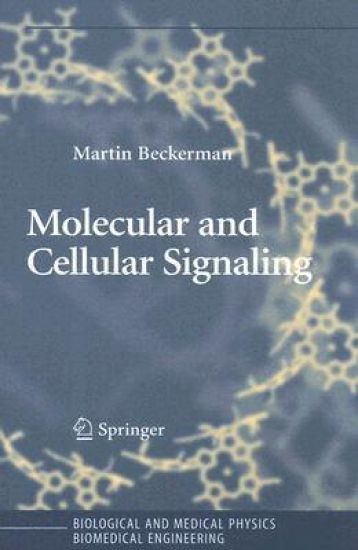
Molecular and Cellular Signaling

Molecular and Cellular Signaling

Martin Beckerman

Springer-Verlag New York Inc.
2005
sidottu
Makes connections between diseases, drugs and signaling in those chapters not specifically devoted to pathogens. Reviews background in first 5 chapters then offers chapters on cancers and apoptosis and on bacteria and viruses. Signaling in the immune, endocrine (hormonal) and nervous systems covered along with cancer, apoptosis and gene regulation. Each chapter ends with a problem section to facilitate discussion.
Cellular Signaling in Health and Disease

Cellular Signaling in Health and Disease

Martin Beckerman

Springer-Verlag New York Inc.
2009
sidottu
In today’s world, three great classes of non-infectious diseases – the metabolic syndromes (such as type 2 diabetes and atherosclerosis), the cancers, and the neurodegenerative disorders – have risen to the fore. These diseases, all associated with increasing age of an individual, have proven to be remarkably complex and difficult to treat. This is because, in large measure, when the cellular signaling pathways responsible for maintaining homeostasis and health of the body become dysregulated, they generate equally stable disease states. As a result the body may respond positively to a drug, but only for a while and then revert back to the disease state. Cellular Signaling in Health and Disease summarizes our current understanding of these regulatory networks in the healthy and diseased states, showing which molecular components might be prime targets for drug interventions. This is accomplished by presenting models that explain in mechanistic, molecular detail how a particular part of the cellular signaling web operates properly in health and improperly in disease. The stability of the health- and disease-associated states is dynamic and supported by multiple feedback loops acting positively and negatively along with linkages between pathways. During the past few years an ongoing series of important discoveries have been made that advance our understanding of how the body works and may guide us on how to better deal with these diseases. These include the discovery of chronic inflammation as a causal factor in all of these disease classes, the appearance of reactive oxygen species as a messenger molecule that can act both positively and negatively, the propensity of proteins to misfold into aggregation- and disease-prone forms, and the rise of epigenetics including the emergence of small non-coding RNA with important regulatory functions out of the so-called junk RNA. Chapters are devoted to each of these classes of findings with additional detailsintegrated into the chapters dealing directly with the diseases. The connections responsible for maintaining stability are explored in depth.
Adaptive Cooperative Systems

Adaptive Cooperative Systems

Martin Beckerman

Wiley-Blackwell (an imprint of John Wiley Sons Ltd)
2013
sidottu
This volume presents a unified treatment of self-organising processes, drawing upon examples from physics, spatial statistics, image processing, and brain science. It offers a rigorous theory of cooperative computation as applied to problems in perceptual inferencing.
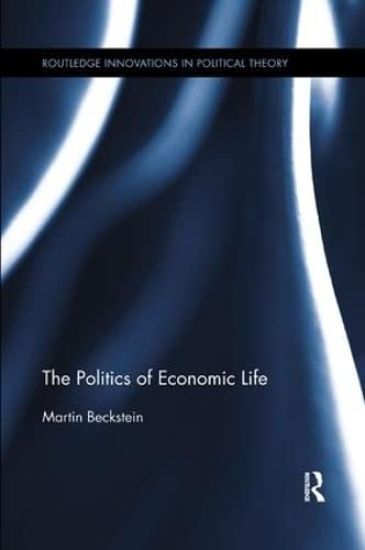
The Politics of Economic Life

The Politics of Economic Life

Martin Beckstein

CRC Press Inc
2017
nidottu
In recent years, economic life has become increasingly politicized: now, every company has a ‘philosophy’, promising its customers some ethical surplus in return for buying their products; consumers shop for change; workers engage in individualized forms of employee activism such as whistleblowing; and governments contribute to the re-configuration of the economic sphere as a site of political contestation by reminding corporate and private economic actors of their duty to ‘do their bit’. The Politics of Economic Life addresses this trend by exploring the ways in which practices of consumption, work, production, and entrepreneurship are imbued with political strategy and ideology, and assesses the potentials and perils of the politicization of economic activity for democracy in the 21st century.
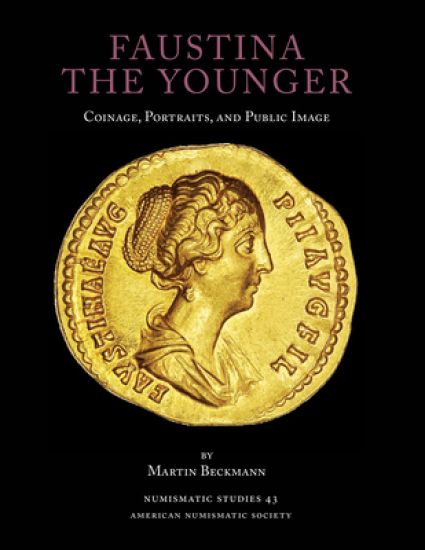
Faustina the Younger

Faustina the Younger

Martin Beckmann

American Numismatic Society,U.S.
2022
sidottu
The Roman empress Faustina the Younger, wife of the emperor Marcus Aurelius and mother to at least eleven imperial children, including the future emperor Commodus, not only played a key role in Roman history of the 2nd century AD but also was the subject of almost unparalleled commemoration in visual media, especially sculpture and coinage, during her lifetime. This book examines the single largest surviving ancient source for the portraiture and public image of Faustina the Younger: the coinage struck in her name under Antoninus Pius and Marcus Aurelius.The coinage of Faustina the Younger is rich in original iconography and long in duration but its chronology and the relationships between its various types are unclear at best, unknown at worst. This study seeks to remedy this situation by employing the methodology of die analysis to create a new and firm chronology for Faustina's coinage. The results make it possible to establish an authoritative typology for Faustina’s portraiture and to show the precise relationship between the diverse obverse and reverse types. The die analysis also clarifies Faustina’s complicated iconographic programme, making it possible to compare it directly with the iconography of the better-dated coinage of her male contemporaries. Taken together, these results permit a complete re-evaluation of the coinage, portraits and public image of Faustina the Younger.
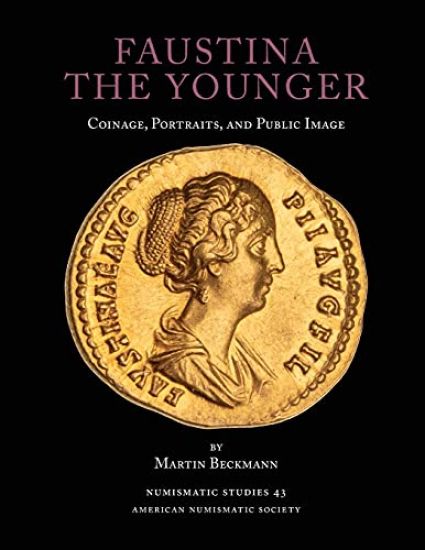
Faustina the Younger

Faustina the Younger

Martin Beckmann

American Numismatic Society
2021
pokkari
The Roman empress Faustina the Younger, wife of the emperor Marcus Aurelius and mother to at least eleven imperial children, including the future emperor Commodus, not only played a key role in Roman history of the 2nd century AD but also was the subject of almost unparalleled commemoration in visual media, especially sculpture and coinage, during her lifetime. This book examines the single largest surviving ancient source for the portraiture and public image of Faustina the Younger: the coinage struck in her name under Antoninus Pius and Marcus Aurelius. The coinage of Faustina the Younger is rich in original iconography and long in duration but its chronology and the relationships between its various types are unclear at best, unknown at worst. This study seeks to remedy this situation by employing the methodology of die analysis to create a new and firm chronology for Faustina's coinage. The results make it possible to establish an authoritative typology for Faustina's portraiture and to show the precise relationship between the diverse obverse and reverse types. The die analysis also clarifies Faustina's complicated iconographic program, making it possible to compare it directly with the iconography of the better-dated coinage of her male contemporaries. Taken together, these results permit a complete re-evaluation of the coinage, portraits and public image of Faustina the Younger.
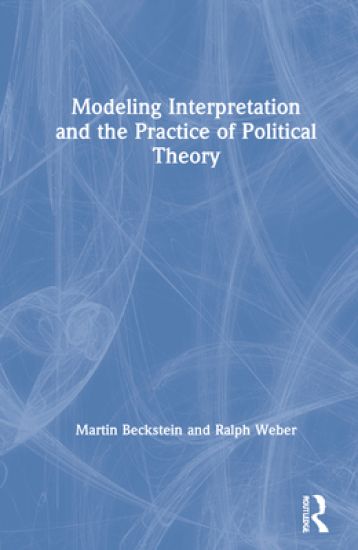
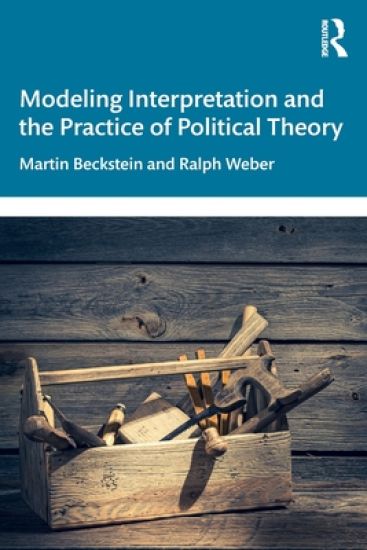
Modeling Interpretation and the Practice of Political Theory
Political theory offers a great variety of interpretive traditions and models. Today, pluralism is the paradigm. But are all approaches equally useful? What are their limits and possibilities? Can we practice them in isolation, or can we combine them? Modeling Interpretation and the Practice of Political Theory addresses these questions in a refreshing and hands- on manner. It not only models in the abstract, but also tests in practice eight basic schemes of interpretation with which any ambitious reader of political texts should already be familiar. Comprehensive and engaging, the book includes: A straightforward typology of interpretation in political theory. Chapters on the analytical Oxford model, biographical and oeuvre- based interpretation, Skinner’s Cambridge School, the esoteric model, reflexive hermeneutics, reception analysis and conceptual history. Original readings of Federalist Paper No. 10 , Plato’s Statesman, de Gouges’s The Three Urns, Rivera’s wall painting The History of Mexico and Strauss’s Persecution and the Art of Writing; with further chapters on Machiavelli, Huang Zongxi and a Hittite loyalty oath. An Epilogue proposing pragmatist eclecticism as the way forward in interpretation. An inspiring, hands- on textbook suitable for undergraduate and graduate students, as well as experienced scholars of political theory, intellectual history and philosophy interested in learning more about types and models of interpretation, and the challenge of combining them in interpretive practice.
Modeling Interpretation and the Practice of Political Theory
Political theory offers a great variety of interpretive traditions and models. Today, pluralism is the paradigm. But are all approaches equally useful? What are their limits and possibilities? Can we practice them in isolation, or can we combine them? Modeling Interpretation and the Practice of Political Theory addresses these questions in a refreshing and hands- on manner. It not only models in the abstract, but also tests in practice eight basic schemes of interpretation with which any ambitious reader of political texts should already be familiar. Comprehensive and engaging, the book includes: A straightforward typology of interpretation in political theory. Chapters on the analytical Oxford model, biographical and oeuvre- based interpretation, Skinner’s Cambridge School, the esoteric model, reflexive hermeneutics, reception analysis and conceptual history. Original readings of Federalist Paper No. 10 , Plato’s Statesman, de Gouges’s The Three Urns, Rivera’s wall painting The History of Mexico and Strauss’s Persecution and the Art of Writing; with further chapters on Machiavelli, Huang Zongxi and a Hittite loyalty oath. An Epilogue proposing pragmatist eclecticism as the way forward in interpretation. An inspiring, hands- on textbook suitable for undergraduate and graduate students, as well as experienced scholars of political theory, intellectual history and philosophy interested in learning more about types and models of interpretation, and the challenge of combining them in interpretive practice.
The Politics of Economic Life

The Politics of Economic Life

Martin Beckstein

Routledge
2015
sidottu
In recent years, economic life has become increasingly politicized: now, every company has a ‘philosophy’, promising its customers some ethical surplus in return for buying their products; consumers shop for change; workers engage in individualized forms of employee activism such as whistleblowing; and governments contribute to the re-configuration of the economic sphere as a site of political contestation by reminding corporate and private economic actors of their duty to ‘do their bit’. The Politics of Economic Life addresses this trend by exploring the ways in which practices of consumption, work, production, and entrepreneurship are imbued with political strategy and ideology, and assesses the potentials and perils of the politicization of economic activity for democracy in the 21st century.
Molecular and Cellular Signaling

Molecular and Cellular Signaling

Martin Beckerman

Springer-Verlag New York Inc.
2010
nidottu
Makes connections between diseases, drugs and signaling in those chapters not specifically devoted to pathogens. Reviews background in first 5 chapters then offers chapters on cancers and apoptosis and on bacteria and viruses. Signaling in the immune, endocrine (hormonal) and nervous systems covered along with cancer, apoptosis and gene regulation. Each chapter ends with a problem section to facilitate discussion.
Cellular Signaling in Health and Disease

Cellular Signaling in Health and Disease

Martin Beckerman

Springer-Verlag New York Inc.
2010
nidottu
In today’s world, three great classes of non-infectious diseases – the metabolic syndromes (such as type 2 diabetes and atherosclerosis), the cancers, and the neurodegenerative disorders – have risen to the fore. These diseases, all associated with increasing age of an individual, have proven to be remarkably complex and difficult to treat. This is because, in large measure, when the cellular signaling pathways responsible for maintaining homeostasis and health of the body become dysregulated, they generate equally stable disease states. As a result the body may respond positively to a drug, but only for a while and then revert back to the disease state. Cellular Signaling in Health and Disease summarizes our current understanding of these regulatory networks in the healthy and diseased states, showing which molecular components might be prime targets for drug interventions. This is accomplished by presenting models that explain in mechanistic, molecular detail how a particular part of the cellular signaling web operates properly in health and improperly in disease. The stability of the health- and disease-associated states is dynamic and supported by multiple feedback loops acting positively and negatively along with linkages between pathways. During the past few years an ongoing series of important discoveries have been made that advance our understanding of how the body works and may guide us on how to better deal with these diseases. These include the discovery of chronic inflammation as a causal factor in all of these disease classes, the appearance of reactive oxygen species as a messenger molecule that can act both positively and negatively, the propensity of proteins to misfold into aggregation- and disease-prone forms, and the rise of epigenetics including the emergence of small non-coding RNA with important regulatory functions out of the so-called junk RNA. Chapters are devoted to each of these classes of findings with additional detailsintegrated into the chapters dealing directly with the diseases. The connections responsible for maintaining stability are explored in depth.
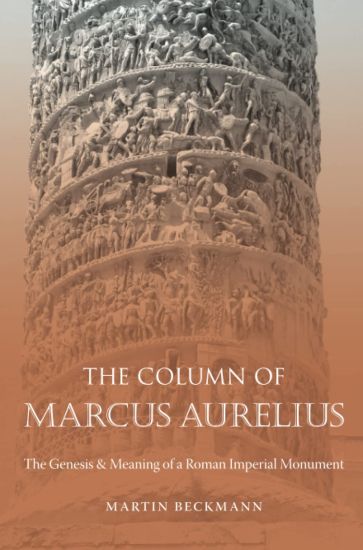
The Column of Marcus Aurelius

The Column of Marcus Aurelius

Martin Beckmann

THE UNIVERSITY OF NORTH CAROLINA PRESS
2021
pokkari
One of the most important monuments of Imperial Rome and at the same time one of the most poorly understood, the Column of Marcus Aurelius has long stood in the shadow of the Column of Trajan. In The Column of Marcus Aurelius, Martin Beckmann makes a thorough study of the form, content, and meaning of this infrequently studied monument. Beckmann employs a new approach to the column, one that focuses on the process of its creation and construction, to uncover the cultural significance of the column to the Romans of the late second century A.D. Using clues from ancient sources and from the monument itself, this book traces the creative process step by step from the first decision to build the monument through the processes of planning and construction to the final carving of the column's relief decoration. The conclusions challenge many of the widely held assumptions about the value of the column's 700-foot-long frieze as a historical source. By reconstructing the creative process of the column's sculpture, Beckmann opens up numerous new paths of analysis not only to the Column of Marcus Aurelius but also to Roman imperial art and architecture in general.
Hungry Little Rabbit

Hungry Little Rabbit

Martin Beckett

Puppy Dogs Ice Cream Inc
2021
sidottu
Few can teach about perseverance as well as the Hungry Little Rabbit One day, Little Rabbit was cheerfully hopping around when his stomach made the strangest sound, and he couldn't think of anything else but food.Learn how to be persistent and resourceful as you follow Hungry Little Rabbit in his search for healthy, tasty treats to eat, and as he tries to dig up the biggest carrot he's ever seen. It may even be enough to fill up his grumbling belly Repetitive rhymes and easy-to-follow illustrations make this book perfect for snack-time reading, a bedtime story, or even an Easter present for your little ones Here, at Puppy Dogs & Ice Cream, we believe that children's books are more than just stories - they're vessels of inspiration, education, and imagination. Every book we publish is carefully selected to teach kids valuable lessons that will last a lifetime.From the publisher who brought to you "Fiona Flamingo", "Right Now, I Am Fine", "Zen Pig", "The Snowman's Song", "Bug Soup", and "The Super Tiny Ghost", "Hungry Little Rabbit" is a welcome addition to our incredible collection of best-selling children's books 
Fundamentals of Neurodegeneration and Protein Misfolding Disorders

Fundamentals of Neurodegeneration and Protein Misfolding Disorders

Martin Beckerman

Springer International Publishing AG
2015
sidottu
This unique text introduces students and researchers to the world of misfolded proteins, toxic oligomers, and amyloid assemblages, and the diseases of the brain that result. During the past few years the connections between failures in protein quality control and neurological disorders have been reinforced and strengthened by discoveries on multiple fronts. These findings provide novel insights on how amyloidogenic oligomers and fibrils form, interconvert from one state to another, and propagate from cell to cell and region to region. Starting with protein folding and protein quality control basics, the reader will learn how misfolded proteins can cause diseases ranging from prion diseases to Alzheimer’s disease and Parkinson’s disease to Huntington’s disease, amyotrophic lateral sclerosis and frontotemporal lobar degeneration. Authoritative but written in a clear and engaging style, Fundamentals of Neurodegeneration and Protein Misfolding Disorders addresses one of today’s forefront areas of science and medicine. The text emphasizes the new groundbreaking biophysical and biochemical methods that enable molecular-level explorations and the conceptual breakthroughs that result. It contains separate chapters on each of the major disease classes. Special emphasis is placed on those factors and themes that are common to the diseases, especially failures in synaptic transmission, mitochondrial control, and axonal transport; breakdowns in RNA processing; the potential role of environmental factors; and the confounding effects of neuroinflammation. The book is ideal for use in teaching at the advanced undergraduate and graduate levels, and serves as a comprehensive reference for a broad audience of students and researchers in neuroscience, molecular biology, biological physics and biomedical engineering.
Fundamentals of Neurodegeneration and Protein Misfolding Disorders

Fundamentals of Neurodegeneration and Protein Misfolding Disorders

Martin Beckerman

Springer International Publishing AG
2016
nidottu
This unique text introduces students and researchers to the world of misfolded proteins, toxic oligomers, and amyloid assemblages, and the diseases of the brain that result. During the past few years the connections between failures in protein quality control and neurological disorders have been reinforced and strengthened by discoveries on multiple fronts. These findings provide novel insights on how amyloidogenic oligomers and fibrils form, interconvert from one state to another, and propagate from cell to cell and region to region. Starting with protein folding and protein quality control basics, the reader will learn how misfolded proteins can cause diseases ranging from prion diseases to Alzheimer’s disease and Parkinson’s disease to Huntington’s disease, amyotrophic lateral sclerosis and frontotemporal lobar degeneration. Authoritative but written in a clear and engaging style, Fundamentals of Neurodegeneration and Protein Misfolding Disorders addresses one of today’s forefront areas of science and medicine. The text emphasizes the new groundbreaking biophysical and biochemical methods that enable molecular-level explorations and the conceptual breakthroughs that result. It contains separate chapters on each of the major disease classes. Special emphasis is placed on those factors and themes that are common to the diseases, especially failures in synaptic transmission, mitochondrial control, and axonal transport; breakdowns in RNA processing; the potential role of environmental factors; and the confounding effects of neuroinflammation. The book is ideal for use in teaching at the advanced undergraduate and graduate levels, and serves as a comprehensive reference for a broad audience of students and researchers in neuroscience, molecular biology, biological physics and biomedical engineering.