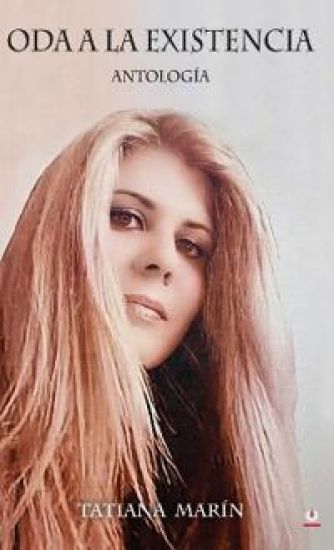
Oda a la existencia es una antolog a de poemas, fragmentos y reflexiones de vida, que nos transmite interesantes y valiosas experiencias de amor, sue os e ilusiones, envolvi ndonos en un xtasis de emociones encontradas, las cuales han sido extra das de varias obras literarias escritas por la autora, in ditas y publicadas en los ltimos a os.
Foreword.Armando Blanco without having lived a civil war in his own flesh, in this book, in his own way he proposes them to us with a certain sarcasm, irony, satire, pain and injustice, but with a proportion of which; It could be true.Here the angels speak, the elements complain and the man acts and is, according to his comfort, both those below, those above, and those on the sides.What amazes me about this writing is the magic with which the author moves by not getting involved in the whole work and letting the same characters assemble the story. And according to the connoisseurs (namely), there is only one work before it, - I mean the name - that was written over 400 years ago. If true, Oda for man would be the second in the history of literature and what is said in it is the least of the most valuable.Ode for man is also a call of conscience and simple as its title. One more song for man... Jos Rodolfo Ram rez.I am the son of man. He gave birth to endure his calamity. And there will be no one to protect it while everything oscillates for the sake of its own mystery My name was dressed in blue and it will be so, because the cowardice of beings is more powerful than their size.They engendered me with the purpose of strengthening their weak spirits. What served for my development as their faith grew, because stuck, they wait for the miracle and me. I'm not Oda para el hombre.
Pr logo.Armando Blanco sin haber vivido en carne propia una guerra civil, en este libro, a su manera nos las propone con cierto sarcasmo, iron a, s tira, dolor e injusticia, pero con una proporci n de que; podr a ser verdad.Aqu los ngeles hablan, los elementos se quejan y el hombre act a y es, conforme a su comodidad, tanto los de abajo, los de arriba, como los de los lados.Lo que me asombra de este escrito es la magia con que lo mueve el autor al no involucrarse en toda la obra y dejar que sean los mismos personajes los que ensamblen la historia. Y seg n los entendidos (a saber), s lo existe una obra antes de sta, -ignoro el nombre- que fue escrita hace m s de 400 a os. De ser verdad, Oda para el hombre ser a la segunda en la historia de la literatura y lo que se diga en ella es lo de menos ante lo de m s de tal valor.Oda para el hombre tambi n es un llamado de conciencia y simple como su t tulo. Un canto m s para el hombre... Jos Rodolfo Ram rez.
Oda Nobunaga was Japan's great military genius and the nation's first unifier. Vilified by historians as a cruel and callous brute, he remains a controversial figure in Japanese history, a man whose military skills stand as his only indisputable qualities. Nobunaga embraced new firearms technology with an enthusiasm unmatched by his contemporaries and achieved results with a ruthlessness feared by others. Through a series of victories aided by a loyal and well-organised army, Oda Nobunaga initiated the process that ultimately led to the unification of Japan, a goal only thwarted by his unexpected and violent death.Oda Nobunaga: Samurai Commander 1534-82 details Nobunaga's campaigns, including his brilliant and far-reaching victory at Okehazama in 1560, the bloody battle of Anegawa in 1570, the famous battle of Nagashino in 1575, and the naval battle of Kizugawaguchi in 1578. Nobunaga's campaign against the Buddhist armies of the Ikkō Ikki and the civilian massacres revealed another facet of his character.This unique and original book presents Nobunaga as a strategist, tactician, battlefield leader, and ruthless politician. The campaigns he delegated to his subordinates are discussed in detail for the first time, and the book concludes with his unexpected death during a treacherous raid against him at the temple of Honnōji. Oda Nobunaga: Samurai Commander 1534-82 is exceptionally well illustrated in colour and black and white, featuring images of every battlefield mentioned, highly detailed photographs of arms and armour, maps, and specially commissioned artwork.
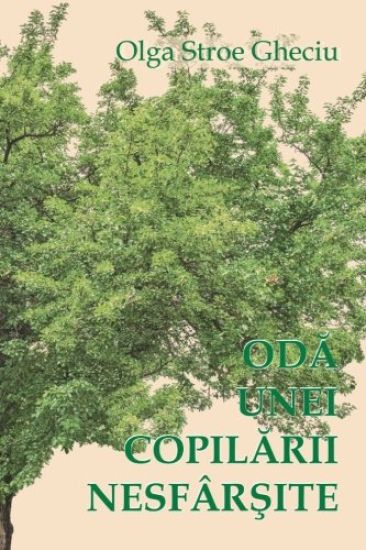
Ode to an Unfinished Childhood. An Autobiographical NovelThis book is in Romanian. It is a Olga Stroe Gheciu's first novel, presenting important periods of her life.Olga şi retrăieşte copilăria n paginile acestei cărţi.Este povestea vieţii unicului copil al unei familii de nvăţători refugiaţi din Basarabia.Copilăria sa alături de părinţi a fost şi a rămas a doua sa natură.O copilărie nesf rşită; ntreruptă prea devreme.Iată un fragment din acest roman nostalgic, plin de poezie, nţelepciune şi echilibru: Ai mei au trimis după mine pe vecinul lor, om de ncredere, vrednic şi ndrăzneţ - Ilie Bustea se numea el - l-au trimis cu o sanie şi doi cai să mă aducă acasă. Nimic nu vedeam de jur mprejur, fie că eram nfofolită toată n pături, fie că zăpada cădea grămadă din cer. Nenea Ilie Bustea mergea pe l ngă cai, ndemn ndu-i necontenit să nainteze. Avea, Ilie Bustea, cei mai frumoşi şi puternici cai - recunoscuţi de toţi sătenii. Se ocupa de ei, i dresa, lucru care mă necăjea c nd l vedeam folosind biciul pentru a-i nvăţa să asculte comenzile sale. Dar lecţiile sale ne-au prins bine n acea zi de februarie 1954, deoarece caii cunoşteau drumul. Mergeau fornăind, la ndemnul stăp nului lor, simţind că şi ei, şi noi suntem n pericol - fie din cauza ntinderii albe nesf rşite, fie din cauza unor urlete ce se auzeau din depărtări.At t ştiu: cei doi cai imenşi n imaginea mea, stăp nul lor ţin ndu-i de căpăstru, eu n sania care alerga n urma lor, furia zăpezii ce cădea continuu şi faptul că noi eram - doar noi - singurii vieţuitori n acea mare de zăpadă ce ncepea de sub noi mereu şi se sf rşea n cer Am ajuns acasă - la părinţii mei - n camera primitoare şi caldă, iar n c teva ceasuri, totul s-a transformat n vuiet şi o furie a fuioarelor de ninsoare a ntunecat totul. Eram prinşi n mijlocul furtunii de zăpadă, despărţiţi de ceilalţi, precum şi alte gospodării fuseseră izolate de cele vecine. Frica nu pusese stăp nire nicicum pe mine, am trăit toată nt mplarea ca pe o situaţie oarecare, ca pe un drum obişnuit pe care-l făceam de la oraş spre casă, n fiecare sf rşit de săptăm nă sau nceput de vacanţă. Dar, ninsoarea ncetează.Norii fug. Doritul soareStrăluceşte şi dezmiardăOceanul de ninsoare.Soarele rotund şi palidSe prevede printre noriCa un vis de tinereţePrintre anii trecători." anunţă tata peste un timp, un timp destul de lung, tocmai potrivit ca troienele de zăpadă să depăşească nălţimea caselor, să atingă cumpăna f nt nii noastre. Străzile şi schimbaseră relieful: dealuri de zăpadă şi văi. Trebuia să urci p nă n v rful dealului mai nalt dec t casele şi să cobori, să urci iar şi să cobori iar pentru a merge" pe o stradă.
The Lake District—famous for its association with the Romantic poets—became a very popular destination for travellers towards the end of the eighteenth century, part of a growing trend of making picturesque tours during which nature was viewed with an emphasis on its spiritual qualities. During this period a variety of tourist guides, including Wordsworth’s successful Guide to the Lakes, were published.This is the very first collection of such travel guides to the Lake District and eight important titles are reprinted here in a facsimile edition. Together with many pictures and maps (some in colour) they represent vividly how the Lakes were perceived by contemporary English visitors. The collection will be welcomed as an important primary source for the study of English literature and history for the period spanning the end of the eighteenth to the early nineteenth century.
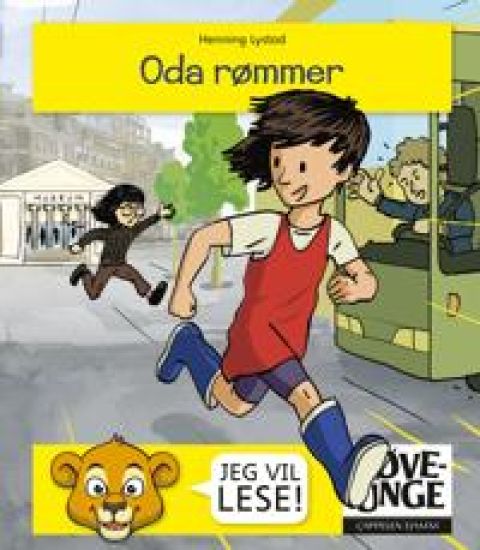
Løveunge med masse fart! Oda skal på museum med klassen. Hun må gå sammen med Zaineb i klassen, som er kjempekjedelig. Oda må gjøre noe! Ja, hun kan jo rømme! Dette er en perfekt historie for startleseren.Her er det action og spenning, og illustrasjonene understreker det samme. Det er vind i håret og kaos i trafikken.Spenstig og gøyal!
Dette er en perfekt historie for startleseren. Her er det action og spenning, og illustrasjonene understreker det samme. Det er vind i håret og klesvasken flyr over hekkene. Spenstig og gøyal! Her blir vi kjent med Oda, som har så innmari lyst på is, men det er tomt i fryseren. Pappa har sovnet på sofaen, og hva gjør Oda da? Hun gjør det eneste rette, låner bilen til pappa. Og ikke en hvilken som helst bil, dette er en monstertruck. Oda synes det enkelt å kjøre bil. Hun finner lett gassen, men oj da, hvor er bremsen?Til små lesestartere i alderen 4 til 7 år. Fargerike bildebøker med morsomme historier, fortalt med lite tekst, det er kun én setning på hver side. Leseløve nivå 1 er perfekte for de aller ferskeste leserne.
Intentar definir el amor nunca ha sido f cil. Val ria Hawich se arm de valor para lanzar un mar de preguntas al abismo y quedarse ah , quieta, a esperar las respuestas. No sab a si le gustar a lo que le iba a contestar el viento, y a n a riesgo de escuchar nicamente su eco, decidi intentarlo. No recibi todos los besos que esperaba, pero s miles de versos. Debajo de las pieles que me visten, detr s de las costuras que me sujetan, entre los p talos que me envuelven, solo queda esto que tienes entre tus manos. Te lo entrego a coraz n abierto.
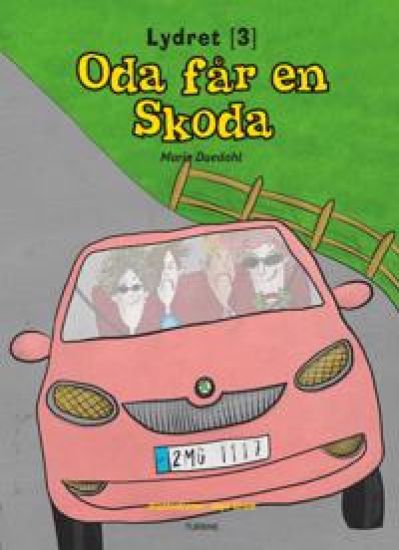
Oda får en Skoda. Der er fut i den bil!Lettal: 10Lix: 4Bogen tilhører serien Lydret.Der findes frit tilgængelige opgaver til bogen på www.turbine-undervisning.dk.
The UN Seminar on “Implementing the UNSC Resolution 1540 (2004) in Latin America and the Caribbean” was aimed at raising awareness about the obligations and requirements of the Resolutions 1540 and 1673 (2006) and at increasing and facilitating cooperation and assistance in implementing them at the national and regional levels.
The United Nations Register of Conventional Arms was founded when inter-State warfare had, for a long time, been considered the main threat to peace and security. It focuses on transfers of those major conventional weapons that typically can be used in offensive military operations carried out across international borders. This publication offers historical information on the Register as a tool of transparency, as well as points to possibilites for its future development. It also presents facts and figures related to the Register in convenient statistical graphs.