Kirjojen hintavertailu. Mukana 11 244 527 kirjaa ja 12 kauppaa.

Kirjahaku

Etsi kirjoja tekijän nimen, kirjan nimen tai ISBN:n perusteella.

1000 tulosta hakusanalla Oral Sumner Coad

Oral and Literate Culture in England, 1500-1700
This book explores the varied vernacular forms and rich oral traditions which were such a part of popular culture in early modern England. It focuses, in particular, upon dialect speech and proverbial wisdom, "old wives' tales" and children's lore, historical legends and local customs, scurrilous versifying and scandalous rumour-mongering. Adam Fox argues that while the spoken word provides the most vivid insight into the mental world of the majority in this semi-literate society, it was by no means untouched by written influences. Even at the beginning of the period, centuries of reciprocal infusion between complementary media had created a cultural repertoire which had long ceased to be purely oral. Thereafter, the expansion of literacy together with the proliferation of texts both in manuscript and print saw the rapid acceleration and elaboration of this process. By 1700 popular traditions and modes of expression were the product of a fundamentally literate environment to a much greater extent than has yet been appreciated.
Oral and Maxillofacial Surgery

Oral and Maxillofacial Surgery

Carrie Newlands; Cyrus Kerawala

Oxford University Press
2020
nidottu
Oral and Maxillofacial Surgery is the fully updated third edition of the essential guide for all of those working towards the FRCS OMFS exit exam or the Diploma of Membership of the Faculty of Dental Surgery (MFDS) assessment, as well as a handy quick reference for consultants working in the field. Providing a concise and structured overview of the current oral and maxillofacial practice, the handbook covers the diagnosis and surgical treatment of diseases affecting the mouth, jaws, face, and neck. Including a combination of clinical photographs and line drawings to aid understanding, the text has been bought in line with new evidence, practice, and revised guidelines, whilst maintaining the clear, user-friendly layout and expert tips of the previous editions.
Oral Complications of Cancer and its Management
Oral problems are common in cancer patients. They can be a part of the disease itself; they can develop as a result of treatment; they can accompany other symptoms and present as a comorbidity; and they can even first present after the original disease itself has been cured. Oral symptoms can be complex to treat, both preventing administration of potentially life-saving treatment, and also directly causing additional life-threatening complications. However, many symptoms can be treated, and lead to tremendous relief of suffering for the patient. Oral complications of cancer and its management is the first book to focus on this unique set of symptoms, and provides an international, multi-professional reference with up to date, evidence-based, clinically relevant advice. It covers topics such as oral anatomy and physiology, oral assessment and oral hygiene, as well as more common oral complications of cancer and its treatment. Surgical, radiotherapy and chemotherapy side effects are detailed in all of the chapters whilst specific problems are discussed in detail in separate chapters. Other chapters focus on oral infections, and major oral symptoms experienced by patients with cancer. In addition there are chapters addressing the needs of specific groups of patient (e.g. paediatric patients, patients with advanced cancer), and the health economic impact of oral complications. This book should become the complete reference source for the wide multi-disciplinary team involved in treating the cancer patient with oral problems; this includes oncologists (both medical and clinical), oncology nurses, oral medicine specialists, palliative care physicians and nurses, special care dentists, special care dental nurses/hygienists, and therapy radiographers.
Oral Tradition

Oral Tradition

Jan Vansina

AldineTransaction
2006
nidottu
Oral traditions are historical sources of a special nature. Their special nature derives from the fact that they are "unwritten" sources couched in a form suitable for oral transmission, and that their preservation depends on the powers of memory of successive generations of human beings. In many parts of the world inhabited by peoples without writing, oral tradition forms the main available source for a reconstruction of the past. Do the special characteristics of oral traditions u "unwritten" information dependent on the memory of successive generations u invalidate them as sources of historical data? If not, are there means for testing their reliability? Professor Vansina shows in Oral Tradition that with knowledge of the language and of the society, the anthropologist and historian can extract or deduce the historical content of oral testimonies. Based on the author's many years of fieldwork in Africa, this definitive work explores the possibility of reconstructing the history of non-literate peoples from their oral traditions, surveys existing literature, offers a typology of oral traditions, and evaluates methods of collection and interpretation. On first publication, Daniel McCall in the American Anthropologist called Oral Tradition " a tour de force. Indeed this may well be the most significant work written on the relation of oral tradition to history in thirty yearsafor any field worker who intends to collect oral traditions, this work is indispensable."
Oral History and Delinquency

Oral History and Delinquency

James Bennett

University of Chicago Press
1988
nidottu
From Henry Mayhew's classic study of Victorian slums to Studs Terkel's presentations of ordinary people in modern America, oral history has been used to call attention to social conditions. By analyzing the nature and circumstances of the production of such histories of delinquency, James Bennett argues that oral history is a rhetorical device, consciously chosen as such, and is to be understood in terms of its persuasive powers and aims. Bennett shows how oral or life histories of juvenile delinquents have been crucial in communicating the human traits of offenders within their social context, to attract interest in resources for programs to prevent delinquency. Although life history helped to establish the discipline of sociology, Bennett suggests concepts for understanding oral histories generated in many fields.
Oral History, Community, and Displacement
This book uses oral history methodology to record stories of people who experienced the brunt of racist forced removals in the city of Cape Town, South Africa. Through life stories and community case studies, it traces the human impact of this disruptive, often violent feature of apartheid's social engineering.
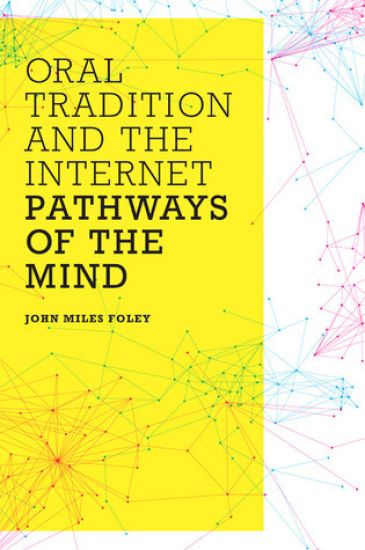
Oral Tradition and the Internet

Oral Tradition and the Internet

John Miles Foley

University of Illinois Press
2012
sidottu
The major purpose of this book is to illustrate and explain the fundamental similarities and correspondences between humankind's oldest and newest thought-technologies: oral tradition and the Internet. Despite superficial differences, both technologies are radically alike in depending not on static products but rather on continuous processes, not on "What?" but on "How do I get there?" In contrast to the fixed spatial organization of the page and book, the technologies of oral tradition and the Internet mime the way we think by processing along pathways within a network. In both media it's pathways--not things--that matter. To illustrate these ideas, this volume is designed as a "morphing book," a collection of linked nodes that can be read in innumerable different ways. Doing nothing less fundamental than challenging the default medium of the linear book and page and all that they entail, Oral Tradition and the Internet shows readers that there are large, complex, wholly viable, alternative worlds of media-technology out there--if only they are willing to explore, to think outside the usual, culturally constructed categories. This "brick-and-mortar" book exists as an extension of The Pathways Project (http://pathwaysproject.org), an open-access online suite of chapter-nodes, linked websites, and multimedia all dedicated to exploring and demonstrating the dynamic relationship between oral tradition and Internet technology
Oral Tradition and the Internet

Oral Tradition and the Internet

John Miles Foley

University of Illinois Press
2012
nidottu
The major purpose of this book is to illustrate and explain the fundamental similarities and correspondences between humankind's oldest and newest thought-technologies: oral tradition and the Internet. Despite superficial differences, both technologies are radically alike in depending not on static products but rather on continuous processes, not on "What?" but on "How do I get there?" In contrast to the fixed spatial organization of the page and book, the technologies of oral tradition and the Internet mime the way we think by processing along pathways within a network. In both media it's pathways--not things--that matter. To illustrate these ideas, this volume is designed as a "morphing book," a collection of linked nodes that can be read in innumerable different ways. Doing nothing less fundamental than challenging the default medium of the linear book and page and all that they entail, Oral Tradition and the Internet shows readers that there are large, complex, wholly viable, alternative worlds of media-technology out there--if only they are willing to explore, to think outside the usual, culturally constructed categories. This "brick-and-mortar" book exists as an extension of The Pathways Project (http://pathwaysproject.org), an open-access online suite of chapter-nodes, linked websites, and multimedia all dedicated to exploring and demonstrating the dynamic relationship between oral tradition and Internet technology
Oral Epics from Africa

Oral Epics from Africa

Indiana University Press
1997
pokkari
"The editors . . . must be congratulated . . . Long live the African storytellers!" —Africa Today "It is difficult to imagine a more practical introduction to contemporary African epic than this anthology . . . no other single volume comprehends the full scope of African epic (as opposed to praise poetry) the way this one does. . . . The stories are engaging, and the free-verse translations are surprisingly readable. . . . Recommended for all academic collections." —Choice Western culture traces its literary heritage to such well-known epics as the Iliad and the Odyssey and Gilgamesh. But it is only recently that scholars have turned their attention toward capturing the rich oral tradition that is still alive in Africa today. These 25 selections introduce English-speaking readers to the extensive epic traditions in Africa.
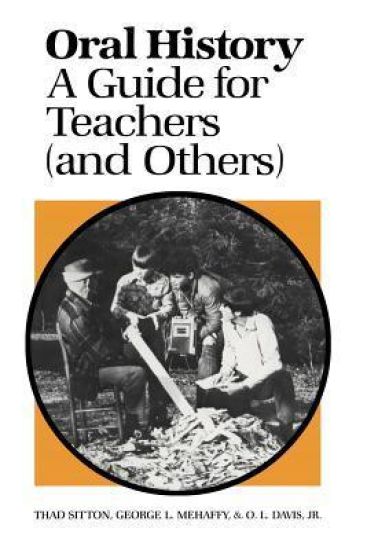
Oral History

Oral History

Thad Sitton; George L. Mehaffy; O.L. Davis

University of Texas Press
1983
pokkari
More than a mode of gathering information about the past, oral history has become an international movement. Historians, folklorists, and other educational and religious groups now recognize the importance of preserving the recollections of people about the past. The recorded memories of famous and common folk alike provide a vital complement to textbook history, bringing the past to life through the stories of those who lived it. Oral History is designed to introduce teachers, students, and interested individuals to the techniques, problems, and pleasures of collecting oral history. The authors, themselves experienced educators, examine the uses of oral history in the classroom, looking at a wide range of projects that have been attempted and focusing on those that have succeeded best. Besides suggesting many possible projects, they discuss the necessary hardware and its use: recording equipment and procedures, interview outlines and preliminary research, photography and note-taking in the field, transcription and storage of information, legal forms, and more. For the teacher, the authors offer helpful advice on training students to be sensitive interviewers in both formal and informal situations. How can oral histories collected in the classroom be put to use? The authors discuss their uses within the curriculum; in projects such as oral history archives, publications such as the popular Foxfire books, and other media productions; and in researching current community problems. Useful appendixes survey a variety of reference tools for the oral historian and describe in detail how a Foxfire-concept magazine may be developed.
Oral Tradition (P)

Oral Tradition (P)

Vansina

University of Wisconsin Press
1985
nidottu
Jan Vansina’s 1961 book, Oral Tradition, was hailed internationally as a pioneering work in the field of ethno-history. Originally published in French, it was translated into English, Spanish, Italian, Arabic, and Hungarian. Reviewers were unanimous in their praise of Vansina’s success in subjecting oral traditions to intense functional analysis.Now, Vansina—with the benefit of two decades of additional thought and research—has revised his original work substantially, completely rewriting some sections and adding much new material. The result is an essentially new work, indispensable to all students and scholars of history, anthropology, folklore, and ethno-history who are concerned with the transmission and potential uses of oral material.
Oral Tolerance

Oral Tolerance

Kluwer Academic/Plenum Publishers
2004
sidottu
Oral tolerance is a major immunological property of the gastrointestinal mucosa. It plays a critical role in immune defence by preventing inflammatory and allergic responses to dietary and non pathogenic microbial antigens. The interest in oral tolerance has been renewed in the recent years, due to novel insights on its cellular mechanisms and potential clinical applications in the treatment of autoimmune diseases. Oral Tolerance: Cellular and Molecular Basis, Clinical Aspects, and Therapeutic Potential, has been designed as a concise yet comprehensive overview of the newest fundamental and clinical advances in the field. Based on the outstanding contribution of world experts, this book will be helpful to students, clinicians, and researchers working in mucosal immunology and gastroenterology. The first part of this volume describes the structure and functions of the gastrointestinal mucosa and the fundamental features and mechanisms of oral tolerance, including the role of T cells, cytokines, IgA antibodies, and bacterial antigens. The second part explores the clinical implications of the disruption of oral tolerance in Inflammatory Bowel Diseases, food and milk allergies, and coeliac disease in particular. The final chapter focuses on the clinical potential of oral tolerance as a promising therapeutic tool.
Oral Contraceptives and Breast Cancer
At least 10.7 million American women use oral contraceptives (OCs). The potential connection with breast cancer has caused concern among these OC users and uncertainty among many of their physicians. This new volume offers the most up-to-date information available on this critical topic. While the best available knowledge does not support any fundamental change in clinical practice with respect to the use of OCs, this book offers specific recommendations for more research to fully resolve the relationship between OCs and breast cancer. Noting consumer confusion, the volume includes a concise summary of benefits, risks, and other practical information for contraceptive users and their doctors. The volume presents current data on changes in patterns of OC use, differences in risk at different ages, the benefits of OCs, and more. Oral Contraceptives and Breast Cancer will be important reading for obstetricians/gynecologists and other health professionals, their patients who use OCs, contraceptive manufacturers, women's health advocates, policymakers, and researchers. Table of Contents Front Matter Executive Summary 1. Introduction and Overview 2. Epidemiology: Information Needs and Data Gaps 3. Biology: Information Needs and Data Gaps 4. Information for Users of the Pill and Health Care Providers 5. Policy Issues and Recommendations References Appendix A: Oral Contraceptives and Breast Cancer: A Review of the Epidemiological Evidence with an Emphasis on Younger Women Appendix B: Oral Contraceptives and Breast Cancer: Review of the Epidemiological Literature Appendix C: The Evolving Formulations of Oral Contraceptives Appendix D: Animal Models of Sex Steroid Hormones and Mammary Cancer: Lessons for Understanding Studies in Humans Appendix E: Risks and Benefits of Oral Contraceptives: Will Breast Cancer Tip the Balance? Appendix F: List of Background Documents Index
Oral Cavity and Oropharyngeal Cancer, An Issue of Otolaryngologic Clinics

Oral Cavity and Oropharyngeal Cancer, An Issue of Otolaryngologic Clinics

Jeffrey N. Myers; Erich M. Sturgis

Elsevier - Health Sciences Division
2013
sidottu
While cancers of the oral cavity and oropharynx were overwhelming found in smokers and drinkers, a dramatic shift is occurring with a dramatic rise in the incidence of HPV-associated oropharyngeal cancers while oral cavity cancers and HPV-negative oropharyngeal cancers appear to be declining in incidence, reflecting the reduction in cigarette smoking. These trends also have implications for how Otolaryngologists prevent, diagnose, workup, treat, and follow these patients. The focus of information in this issue is on oral cavity and oropharyngeal cancer and the implications of the HPV epidemic on this disease. Amongst the medical community during this period of trying to better grasp the association of HPV with oropharyngeal cancers, there are misconceptions and a lack of knowledge of these important shifts which are addressed by Guest Editors Jeffrey Myers and Erich Sturgis of the University of Texas, MD Anderson Cancer Center. Topics include: Epidemiology- Control of a tobacco epidemic? But emergence of a HPV epidemic?; Oral cavity and Oropharyngeal Cancer Genomics; Why Otolaryngologists need to be aware of Fanconi anemia; Impact on HPV on Orpharyngeal Cancer Biology and Response to Therapy-Implications for Treatment; Oral premalignancy- The roles of early detection and chemoprevention; Evaluation and staging- Limitations despite technological breakthroughs; 7) Surgical treatment innovations; Radiotherapy- The "Particle-rs? of energy, dose, and delivery method; Systemic Treatment- Its role before, during, and after definitive treatment; How to maximize functional assessment/rehabilitation; Standardizing treatment for Cancers - An approach to cancer care or crisis?; Survivorship in Oral Cancer- Competing mortalities, morbidities, and second malignancies.
Oral, Head and Neck Oncology and Reconstructive Surgery

Oral, Head and Neck Oncology and Reconstructive Surgery

R. Bryan Bell; Peter A. Andersen; Rui P. Fernandes

Elsevier - Health Sciences Division
2017
sidottu
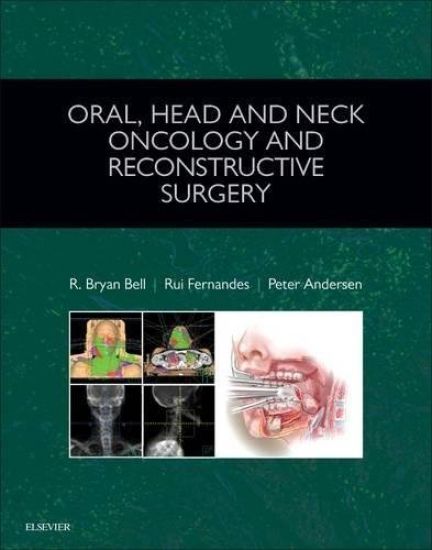
Oral, Head and Neck Oncology and Reconstructive Surgery is the first multidisciplinary text to provide readers with a system for managing adult head and neck cancers based upon stage. Using an evidence-based approach to the management and treatment of a wide variety of clinical conditions, the extensive experience of the author and contributors in head and neck surgery and oncology are highlighted throughout the text. This includes computer aided surgical simulation, intraoperative navigation, robotic surgery, endoscopic surgery, microvascular reconstructive surgery, molecular science, and tumor immunology. In addition, high quality photos and illustrations are included, which are easily accessible on mobile devices. Management protocols and outcomes assessment provide clear guidelines for managing problems related to adult head and neck oncology and reconstructive surgery. State-of-the art guidance by recognized experts details current techniques as well as technological advances in head and neck/cranio-maxillofacial surgery and oncology. Evidence-based content details the latest diagnostic and therapeutic options for treating a wide-variety of clinical problems with an emphasis on surgical technique and outcomes. Multidisciplinary approach reflects best practices in managing head and neck oncology and cranio-maxillofacial surgery. 900 highly detailed images clearly demonstrate pathologies and procedures. Designed for the modern classroom which lets you access important information anywhere through mobile tablets and smart phones.
Oral and Maxillofacial Surgery Secrets

Oral and Maxillofacial Surgery Secrets

A. Omar Abubaker; Din Lam; Kenneth J. Benson

Mosby
2016
nidottu
Written in the proven Secrets® question-and-answer format, Oral and Maxillofacial Surgery Secrets, 3rd Edition is an authoritative source for the effective and safe practice of oral and maxillofacial surgery (OMS) - and the ideal preparation tool for clinical rotations, exams, and board certification in OMS. Thoroughly revised and updated with the most current clinical information, this new edition provides dental students, OMS residents, and clinicians with practical tips, answers, and secrets from OMS experts. Best of all, it fits in your lab coat pocket so you can consult it wherever you go! Over 2,300 questions and answers offer valuable pearls, tips, memory aids, and secrets from oral and maxillofacial surgery experts in a concise, easy-to-read format. Popular and trusted Secrets® question-and-answer format helps you better understand the questions you are asked and provides you with perspective for the questions you ask yourself. Edited by two highly respected leaders in oral and maxillofacial surgery (OMS), with chapters written by internationally recognized experts in the field, making this an authoritative resource for the safe and effective practice of OMS. Convenient pocket size means you can consult this book wherever you go and carry it in your lab coat. NEW! 13 all-new chapters bring you the most current clinical information on recent advances in the science and practice of oral and maxillofacial surgery. NEW! Cosmetic Surgery section covers the evaluation of the aging face, forehead/belpharoplasty, facelift/neck, rhinoplasty, and non-invasive cosmetic procedures. NEW! Updated Secrets® two-color design highlights questions, tables, boxes, and bulleted lists so you can find information more easily.
Oral Pathology

Oral Pathology

Joseph A. Regezi; James Sciubba; Richard C. K. Jordan

Saunders
2016
sidottu
Diagnose oral diseases quickly and accurately! Oral Pathology: Clinical Pathologic Correlations, 7th Edition presents diseases and conditions by appearance and presentation, so that you can easily identify and plan treatment for common oral and paraoral problems. An atlas-style overview of pathologic conditions opens the book, and then each chapter describes pathologies in detail - depicting each with full-color clinical photos and photomicrographs. In addition to covering the latest advances in oral pathology, this edition includes new radiographic images demonstrating advanced imaging techniques. Expert educators Joseph Regezi, James Sciubba, and Richard Jordan provide a quick reference that's ideal for the lab, NBDE review, or chairside use! Organization of oral and maxillofacial diseases by clinical appearance - such as red-blue lesions or pigmented lesions - matches what you would expect to see upon a patient's presentation, and provides a practical tool for developing differential diagnoses and planning treatment. Nearly 1,000 full-color clinical photographs, photomicrographs, radiographs, and drawings help you learn to identify lesions and disease states. An atlas-style Clinical Overview section makes it easy to find key information, with one page showing clinical photos of common conditions and the facing page listing symptoms, causes, and significance. Nearly 200 summary boxes and tables offer clear, at-a-glance information on the clinical features, diagnosis, and treatment for many conditions. Correlation of histopathology with clinical features of oral diseases assists the clinician in recognizing specific conditions and developing differential diagnoses and rational treatment approaches. Student resources on an Evolve companion website include 30 case studies, interactive lecture modules, and a 150-question practice exam to prepare you for the NBDE and for clinical practice. UPDATED content reflects current information and the latest advances in oral and maxillofacial pathology.
Oral Medicine: A Handbook for Physicians, An Issue of Medical Clinics

Oral Medicine: A Handbook for Physicians, An Issue of Medical Clinics

Eric Stoopler

Elsevier - Health Sciences Division
2015
sidottu
This issue of the Medical Clinics of North America, devoted to Oral Medicine, is edited by Drs. Eric T. Stoopler and Thomas P. Sollecito. Articles in this issue include: Anatomical and examination considerations of the oral cavity; Common dental and periodontal diseases; Common dental and orofacial trauma; Normal variations of oral anatomy and common oral soft tissue lesions; Oral cancer; Oral mucosal disorders; Temporomandibular disorders (TMDs); Orofacial pain syndromes; and Salivary gland disorders.